What an Aging Siamese Cat’s Bills Look Like
Anyone who has loved a Siamese cat knows that these intelligent, vocal companions become truly integral members of the family. As they gracefully enter their senior years, usually around the age of twelve or so, the love deepens, but so too can the financial commitment. That comfortable, predictable monthly budget you had for food and a yearly vet visit might start to look a lot different. This guide will walk you through the various bills you can expect when caring for an aging Siamese cat, from increased veterinary care to dietary changes and specialized comforts, helping you prepare for the wonderful, albeit often expensive, journey of senior cat ownership.
The Inevitable Rise of Vet Bills in Senior Siamese Cats
It's a bittersweet truth: as our beloved Siamese cats age, their bodies, much like our own, start to experience more wear and tear. This means more frequent trips to the veterinarian, and consequently, an increase in veterinary expenses. It's not a sign you're doing anything wrong; it's simply a natural part of caring for an older pet. The key is to be proactive and understand what these rising costs usually entail.
Regular Wellness Exams and Diagnostics
Gone are the days when a young, spry Siamese only needed a single annual check-up and vaccinations. For a senior Siamese, those annual visits often become bi-annual, or even more frequent depending on their health status. These appointments are crucial because they allow your vet to catch potential issues early, which can make a huge difference in managing conditions and maintaining quality of life.
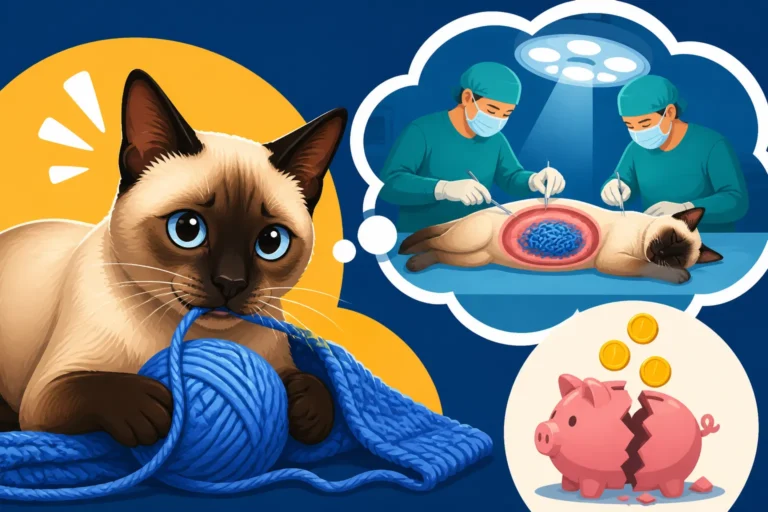
During these senior wellness exams, your vet will likely recommend a more comprehensive diagnostic panel. This isn't just a simple physical; it often includes extensive blood work to check organ function, especially the kidneys and liver, and to screen for common senior ailments like hyperthyroidism and diabetes. They might also suggest a urinalysis to check kidney function and rule out urinary tract infections. Imaging, such as X-rays or ultrasounds, might be recommended if your vet detects anything suspicious during the physical exam, like a heart murmur or an abdominal mass. Each of these tests adds to the bill, but they are invaluable tools for understanding what's going on inside your cat's body. For instance, knowing What a Siamese Cat's Yearly Bloodwork Should Cover can help you understand the value behind these tests. It’s also important to remember that these cats are masters at hiding pain and illness, so diagnostics become even more vital in uncovering problems they might not overtly show.
Managing Chronic Conditions
Unfortunately, old age often brings with it chronic health conditions. Siamese cats, while generally healthy, are not immune to these. Kidney disease, hyperthyroidism, and arthritis are particularly common in senior felines, and managing them requires ongoing care and can become quite expensive.
If your Siamese cat develops Kidney Disease in an Older Siamese Cat, for example, you're looking at not just regular vet check-ups and blood tests, but potentially prescription diets, fluid therapy (which can be administered at home but requires supplies and initial training), and medications to manage symptoms or slow progression. Similarly, Hyperthyroidism in an Older Siamese Cat can be managed with daily medication, a prescription diet, or more definitive treatments like radioactive iodine therapy, each with its own significant cost implications. Arthritis often requires daily pain medication or joint supplements. These aren't one-time costs; they are ongoing expenses that can significantly add to your monthly budget for the rest of your cat's life. It's a commitment that requires careful financial planning, but the relief and improved quality of life for your cat are immeasurable.
Emergency Situations and End-of-Life Care
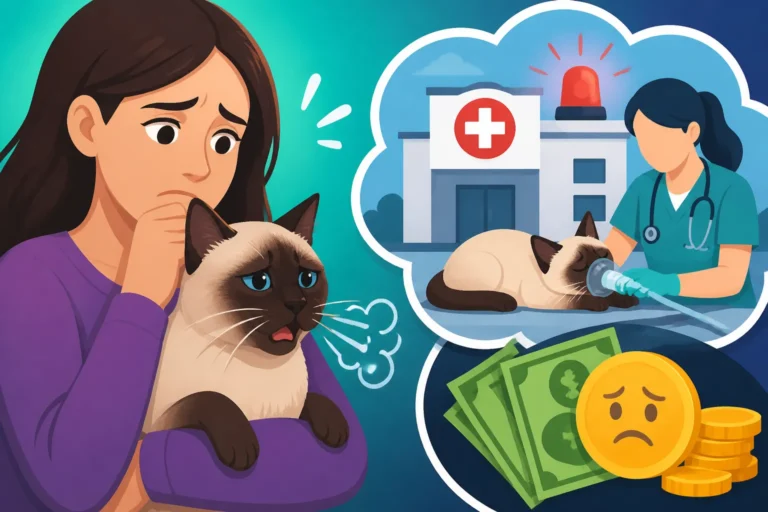
Even with the best preventative care, emergencies can still happen. An older Siamese might be more prone to sudden illnesses, falls, or other acute issues that require immediate veterinary attention. A sudden onset of labored breathing, a collapse, or severe vomiting could lead to an emergency vet visit, diagnostics, and potentially hospitalization, which can quickly rack up a bill in the hundreds or even thousands of dollars. These situations are stressful enough without the added weight of unexpected financial strain.
Beyond acute emergencies, there's the incredibly difficult conversation around end-of-life care. When a senior Siamese's quality of life diminishes due to irreversible conditions, you might face decisions about palliative care, which focuses on comfort and pain management, or humane euthanasia. Palliative care can involve specialized medications, therapies, and regular home visits from a hospice vet. Euthanasia, while a final act of love, also comes with costs for the procedure itself, cremation, and memorial options. What a Siamese Cat's Last Year Costs can be an emotionally and financially challenging period, and preparing for these possibilities, both emotionally and financially, can help ease the burden during an incredibly tough time.
Nutritional and Environmental Adjustments for Aging Siamese Cats
It’s not just about what the vet does; it’s also about what you do at home every single day. As your Siamese enters their golden years, their daily needs will change, and meeting those needs often comes with additional expenses. Their diet, their comfort, and even how they navigate their home environment might require adjustments, all contributing to your overall costs.
Specialized Diets and Supplements
One of the first things you might notice your vet recommending for your senior Siamese is a change in diet. Many older cats benefit from specialized senior formulas that are lower in phosphorus (good for kidney health) or have different protein balances. If your cat has a specific condition, like kidney disease or hyperthyroidism, they might need a prescription diet. These therapeutic foods are often more expensive than regular adult cat food. For example, a bag of specialized kibble or a case of wet food designed for kidney support can cost significantly more than standard options. Places like Chewy often carry a wide range of prescription diets, but you'll need your vet's authorization to purchase them.
Beyond food, supplements can become a regular part of their routine. Joint supplements containing glucosamine and chondroitin can help ease arthritic pain and improve mobility, while omega-3 fatty acids can support skin, coat, and cognitive function. Probiotics might be recommended for digestive health. While these aren't always prescription, adding one or more supplements daily certainly adds up over time. It’s worth discussing with your vet which supplements are truly beneficial for your cat's specific needs, as the market is flooded with options.
Comfort and Accessibility in the Home
An aging Siamese cat, much like an older human, might find their mobility decreasing. Jumping onto high surfaces or even into a litter box can become challenging. To ensure their comfort and prevent accidents, you might need to invest in some home modifications.
Heated beds or orthopedic beds become invaluable for easing aching joints and keeping your Siamese warm, especially since An Aging Siamese Cat Feels the Cold More. Ramps can help them access their favorite window perch or your bed without straining themselves. You might need to add more litter boxes, or switch to ones with lower sides, to make them easier to get into. Soft blankets, extra cat beds, and even Feliway diffusers to reduce anxiety can all contribute to a comfortable senior life. While individual items might not seem exorbitant, these small investments accumulate, transforming your home into a senior-friendly haven. This also ties into helping them maintain their dignity and independence, even as their physical capabilities change.
Beyond Medical: Other Costs for Your Senior Siamese
While veterinary care and specialized diets often consume a large portion of the budget for an aging Siamese, there are other, less obvious costs that can add up. These expenses are often related to changes in their behavior, grooming needs, and general quality of life as they age.
Grooming and Hygiene Support
Even though Siamese cats have short, easy-care coats, an older cat might struggle with self-grooming. Arthritis can make it difficult to twist and reach all parts of their body, and they might lose flexibility or energy. This can lead to a duller, matted coat, or even skin issues if they can't clean themselves properly.
You might find yourself needing to brush your Siamese more frequently, perhaps investing in specialized grooming tools. Some older cats might benefit from occasional professional grooming, especially if they develop mats or skin issues that are hard for you to manage. Keeping their nails trimmed becomes even more important if they're not as active, to prevent ingrown claws or mobility issues. You might also notice an increase in dental issues. Dental Disease in a Siamese Cat is a common problem, and older cats often require more frequent dental cleanings under anesthesia, or even tooth extractions, all of which carry significant costs. Regular home dental care, though difficult, can help mitigate some of these expenses.
Behavioral Changes and Mental Enrichment
Aging doesn't just affect the body; it can also affect the mind. Some senior Siamese cats may experience cognitive decline, leading to changes in behavior like increased vocalization, disorientation, or changes in sleep patterns. They might vocalize more at night, which can be distressing for owners. Some might even develop Signs of Dementia in an Old Siamese Cat.
Managing these behavioral changes can sometimes involve additional costs. Your vet might recommend supplements to support brain health or even prescribe medication for anxiety or cognitive dysfunction. You might also need to invest in more interactive toys or puzzle feeders to keep their minds engaged, or ensure a consistent routine to reduce confusion. Creating a calm, predictable environment becomes paramount, and sometimes that involves specific products or even professional advice from a feline behaviorist if issues become severe. While not directly medical, these interventions contribute to their overall well-being and thus, your budget.
Pet Insurance and Financial Planning for Seniors
Many pet owners consider pet insurance when their cat is young, but what about when they're older? While it's generally more challenging to get comprehensive coverage for pre-existing conditions once your cat is senior, it's still worth exploring. Some policies, even if they exclude existing issues, might cover new illnesses or accidents that arise after enrollment. Providers like Healthy Paws, for example, offer different plans, and it's essential to compare what they cover for older pets. It's not uncommon for What Insuring a Siamese Cat Costs by Age to increase significantly as your cat gets older, and policies may come with higher deductibles or lower reimbursement rates for seniors.
Even if insurance isn't a perfect fit, financial planning is critical. Setting aside a dedicated savings fund for your aging Siamese can provide immense peace of mind. Regular veterinary check-ups for Caring for a Siamese Cat Past Twelve can also help catch problems early, potentially reducing the cost of treating advanced diseases. Discussing future care plans and potential costs with your vet allows you to make informed decisions and budget accordingly.
Here's a quick comparison of potential annual costs for a young adult vs. a senior Siamese cat:
| Category | Young Adult Siamese (Annual Estimate) | Senior Siamese (Annual Estimate) | Notes |
|---|---|---|---|
| Routine Vet Check-ups | $100 – $200 | $200 – $500+ | More frequent visits, comprehensive diagnostics (bloodwork, urinalysis). |
| Vaccinations | $50 – $100 | $50 – $100 | May vary based on lifestyle and vet recommendations for older cats. |
| Preventatives (Flea/Tick/HW) | $150 – $300 | $150 – $300 | Consistent cost throughout life. |
| Specialized/Prescription Food | $0 – $100 | $300 – $800+ | For kidney, thyroid, or other age-related conditions. Often prescription from Chewy or similar. |
| Supplements | $0 – $50 | $100 – $400+ | Joint support, omega-3, cognitive aids, probiotics. |
| Medications (Chronic) | $0 | $200 – $1000+ | Daily meds for hyperthyroidism, arthritis, kidney disease. |
| Dental Care | $0 – $100 (if routine cleaning) | $300 – $800+ (for cleaning/extractions) | Older cats often need more frequent and involved dental work. |
| Emergency Fund / Insurance | $300 – $600 (savings or premium) | $600 – $1200+ (savings or premium) | Higher likelihood of emergencies; insurance premiums may be higher for older cats. |
| Comfort Items (Beds, Ramps) | $0 – $50 | $50 – $200+ | Heated beds, low-entry litter boxes, ramps for accessibility. |
| Grooming Aids | $0 – $20 | $20 – $100+ | Brushes, wipes, occasional professional grooming if needed. |
| Toys/Enrichment | $50 – $100 | $50 – $150+ | Puzzle feeders, new toys to stimulate cognitive function. |
| TOTAL Annual Estimate | $700 – $1500 | $2120 – $5450+ | Does not include unforeseen major surgeries or extensive treatments for severe conditions. |
This article is for general informational purposes only and does not constitute professional advice. Laws, prices and regulations vary by location and change over time. Consult a qualified professional for guidance on your specific situation.