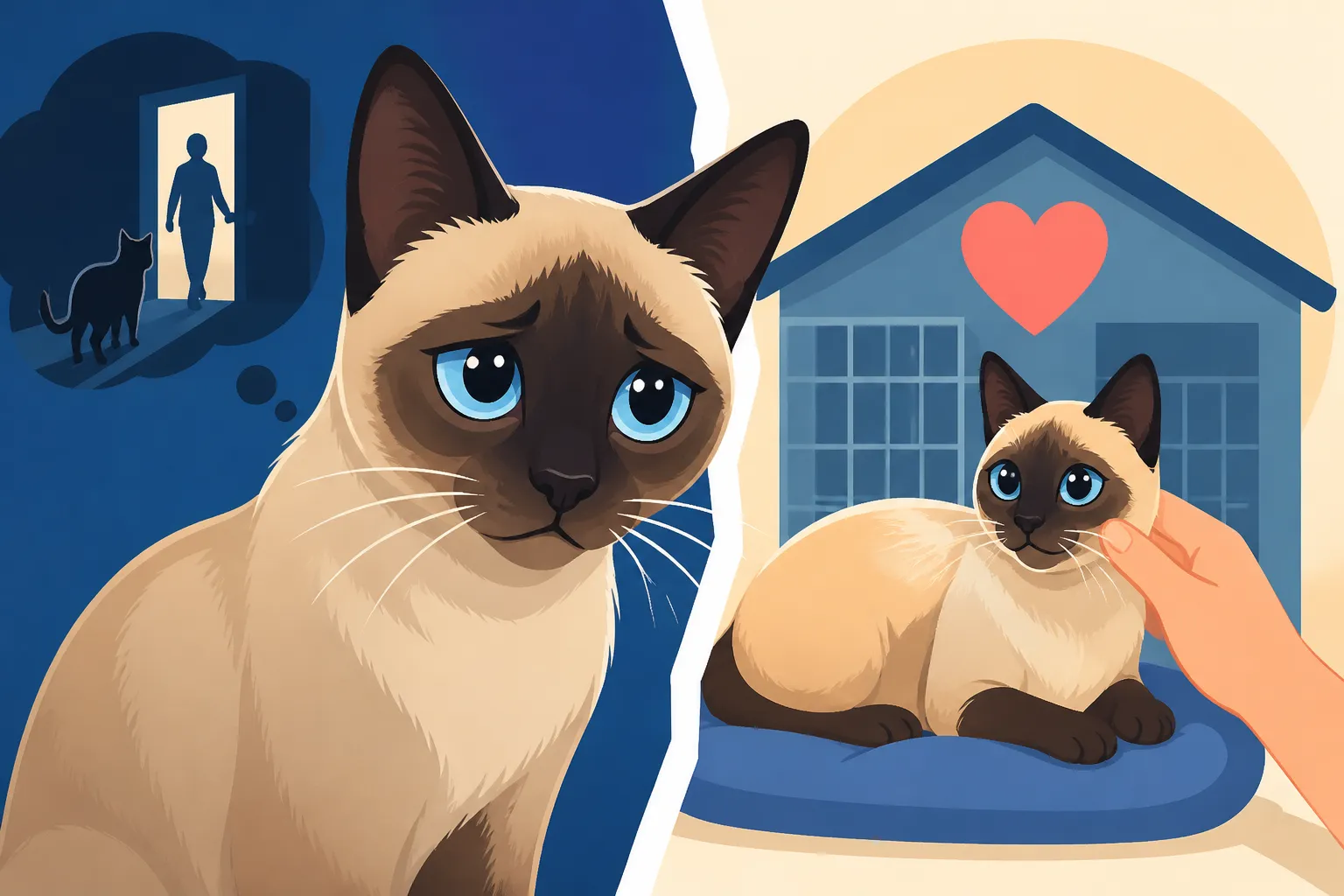
Why So Many Siamese Cats End Up in Rescue
It's a heartbreaking truth for anyone who loves cats: despite their captivating beauty, striking intelligence, and legendary personalities, far too many Siamese cats find themselves without a home, landing in rescues and shelters. You see them online, in local shelter listings, and often wonder how such an amazing animal could end up surrendered. This guide dives deep into the complex, often surprising reasons why these vocal, loving companions frequently face rehoming, and what we, as potential or current owners, can do to prevent such a sad outcome.
The Allure and The Stark Reality of Siamese Ownership
When someone decides to bring a Siamese cat into their home, it's often because they've been captivated by their stunning looks – those piercing blue eyes, the sleek, elegant body, and the distinctive point coloration. There's an undeniable mystique about them, a sense of ancient royalty and sophisticated charm that draws people in. However, the picture painted in movies or glossy magazines often clashes dramatically with the day-to-day reality of living with one of these incredibly unique felines. Many hopeful owners, perhaps unconsciously, fall in love with an idealized version rather than the vibrant, high-maintenance individual they truly are.
The Romanticized Image Versus Daily Life
We've all seen the images: a regal Siamese cat draped gracefully across a silk cushion, looking serene and utterly composed. This is the romanticized image that often takes root in people's minds. They envision a quiet, elegant companion, perhaps a bit aloof, but ultimately a beautiful, low-maintenance pet that adds a touch of class to their home. They might picture themselves enjoying a peaceful evening, with their Siamese cat calmly curled at their feet, offering a gentle purr.
The reality, for many, is a significant wake-up call. A Siamese cat is rarely a "draped gracefully" kind of cat unless it's draped across your shoulders, demanding attention. They are often incredibly active, highly social, and possess an astounding vocal range that can go from a gentle chirrup to a full-blown "Meezer yowl" that would rival a human infant. Their elegance is undeniable, but it's an elegance in constant motion, often accompanied by an insistent commentary on everything happening in their world. This stark contrast between expectation and experience can be overwhelming for unprepared owners, leading to frustration and the eventual heartbreaking decision to surrender their beloved pet.
Impulse Adoptions and Lack of Research
It's easy to get caught up in the excitement of bringing a new pet home, especially a kitten. Those big blue eyes and tiny, pointed ears can melt even the most resolute heart. But often, this excitement bypasses the critical step of thorough research. Many people adopt a Siamese kitten without truly understanding the breed's specific needs, temperament, and potential challenges. They might have a vague idea that Siamese cats are "talkative" or "smart," but they don't grasp the true extent of these traits until they're living with them 24/7.
An impulse adoption often means bypassing reputable breeders who meticulously screen potential owners and educate them on the breed. It also means skipping critical questions about the cat's lineage, potential health issues, and even whether the cat's parents were unusually vocal or prone to certain behaviors. When the initial "honeymoon phase" wears off and the new owner is faced with a cat that climbs curtains, "talks" constantly, or demands hours of playtime, they realize they've signed up for more than they anticipated. This lack of informed decision-making is a significant contributor to why these intelligent, sensitive cats end up in shelters, through no fault of their own.
Misconceptions About Siamese Cat Temperament
The Siamese cat's personality is legendary, but sometimes, those legends are misunderstood or simply not believed until experienced firsthand. They aren't just "a bit chatty" or "quite smart"; they are often intensely vocal, profoundly intelligent, and deeply connected to their humans. These traits, while endearing to those who understand and appreciate them, can be overwhelming and frustrating for owners who expected a more typical, independent feline. The sheer intensity of a Siamese cat's personality is a primary reason for many surrenders.
The Loud and Demanding Voice
Ah, the "Meezer Yowl." If you've never lived with a Siamese, it's hard to fully grasp just how vocal they can be. It's not just a polite meow for dinner; it's a full-on conversation, an opinion piece, a demand, a complaint, or simply an expression of pure joy or boredom. Many potential owners read that Siamese cats are "vocal" and picture a charming, occasional meow. They are often unprepared for the sheer volume, persistence, and wide range of sounds these cats can produce. It's a deep, often raspy, almost mournful cry that can carry through walls and into the dead of night.
This constant vocalization can become a major source of stress for owners, especially those living in apartments with close neighbors, or individuals who crave quiet. They might try to ignore it, which often backfires and makes the cat even more insistent. The cat isn't being "naughty"; they're communicating, often very effectively, what they want or need. It's their primary way of interacting with their environment and their people. When their "voice" is met with annoyance rather than understanding, it can create a rift in the bond, leading owners to seek a quieter companion, consigning the Siamese to a shelter. If you want to understand more about their unique communication, read up on The Siamese Cat Talks and Expects an Answer.
High Energy and Constant Need for Interaction
Unlike some more docile breeds that are content to nap in a sunny spot for most of the day, a Siamese cat is a whirlwind of energy and curiosity. They are highly intelligent, and that sharp mind needs constant stimulation. They aren't just going to entertain themselves with a stray dust bunny; they need engaging toys, puzzle feeders, climbing opportunities, and, most importantly, dedicated playtime with their humans. This isn't a cat you can simply leave alone with a bowl of food and expect to thrive.
Owners who work long hours, travel frequently, or simply aren't prepared for a cat that actively seeks out interaction can quickly become overwhelmed. A bored Siamese is often a destructive Siamese, using their intelligence and energy to open cupboards, knock things off shelves, or explore areas they shouldn't. They can become insistent, nipping at ankles, jumping on counters, or tearing through the house in a chaotic burst of energy just to get a reaction. This high-octane personality requires a significant time commitment and a household willing to engage. Without it, the cat's needs aren't met, leading to behavioral problems that owners incorrectly attribute to the cat being "bad," rather than simply being a Siamese. A Siamese Cat Will Not Be Ignored truly captures this aspect of their personality.
Bonding Intensity and Separation Anxiety
Siamese cats are often described as "dog-like" in their devotion, and this isn't just a cute saying – it's a profound aspect of their nature. They tend to bond intensely with one or two primary caregivers, following them from room to room, supervising their activities, and demanding to be part of every moment. This deep attachment can be incredibly rewarding, creating an unparalleled connection. However, it also means they are highly susceptible to separation anxiety if left alone for extended periods.
When their human companions are gone for too long, a Siamese can become genuinely distressed. This isn't just missing their people; it can manifest as destructive behavior, excessive vocalization, or even inappropriate urination or defecation. They might chew on household items, scratch at doors, or yowl mournfully for hours on end. Owners who hadn't anticipated this level of dependency, or whose lifestyles change to include more time away from home, might find themselves struggling with a cat that is genuinely unhappy and acting out. Understanding What Separation Anxiety Looks Like in a Siamese Cat is crucial for any potential owner. This intense need for companionship is a double-edged sword: deeply loving but also highly demanding.
The Unforeseen Costs of Siamese Cat Care
Bringing a pet into your life always involves financial considerations, but many prospective Siamese owners underestimate the true lifetime cost. They might focus solely on the initial purchase price of the kitten, overlooking the ongoing expenses that accumulate rapidly, especially for a breed with specific needs and potential health predispositions. The financial strain can be a silent, yet powerful, factor in the decision to surrender a beloved Siamese when unexpected bills arise.
Initial Purchase Price Versus Ongoing Expenses
The price tag on a Siamese kitten from a reputable breeder can seem significant upfront, often leading people to think that's the biggest financial hurdle. However, this is just the tip of the iceberg. What truly impacts a Siamese owner's budget are the continuous, often escalating, costs of daily care. This includes high-quality food – and Siamese cats, with their lean, muscular bodies and high metabolism, often require premium nutrition. Many excellent options exist, but these come at a cost.
Beyond food, there's a lifetime of vaccinations, annual wellness exams, flea and tick prevention, and enrichment items. A highly intelligent and active breed like the Siamese won't be satisfied with a single cheap toy. They need a variety of stimulating puzzles, sturdy cat trees for climbing, and interactive toys to keep their minds and bodies engaged. These seemingly small expenses add up quickly over a lifetime, which can span well over a decade. Many owners fail to budget adequately for these routine, but essential, costs, leading to financial stress down the line. To get a better grasp, consider What the First Year With a Siamese Cat Costs.
Unexpected Veterinary Bills
Perhaps one of the most common reasons pet owners face unexpected financial hardship is unforeseen veterinary emergencies or the diagnosis of a chronic illness. While generally a healthy breed, Siamese cats are not immune to health problems, and some inherited conditions can strike. Issues like dental disease are prevalent across many cat breeds, but Siamese often require frequent dental care, including professional cleanings and potential extractions. Other conditions, such as asthma, can require ongoing medication and specialized equipment. Learning about Dental Disease in a Siamese Cat or Asthma in a Siamese Cat can highlight these potential expenses.
Imagine the shock of facing a multi-thousand-dollar bill for emergency surgery or ongoing treatment for a chronic condition when you hadn't budgeted for it. Without pet insurance or a substantial emergency fund, owners are often faced with agonizing choices about their pet's care. Sadly, for some, the financial burden becomes too great, and they feel they have no option but to surrender their cat in the hope that a rescue organization can provide the necessary medical attention. This is where a service like Healthy Paws pet insurance can be a lifesaver, offering peace of mind against the unpredictable.
Enrichment and Environment Costs
Keeping a Siamese cat mentally and physically stimulated isn't just about love; it's about providing the right environment, and that environment often comes with a price tag. Their high intelligence means they get bored easily, and a bored Siamese cat can quickly turn to destructive behaviors. This necessitates investing in a variety of robust enrichment tools. Think tall, sturdy cat trees that allow them to climb and survey their territory, puzzle feeders that challenge their minds during meal times, and a constant rotation of interactive toys.
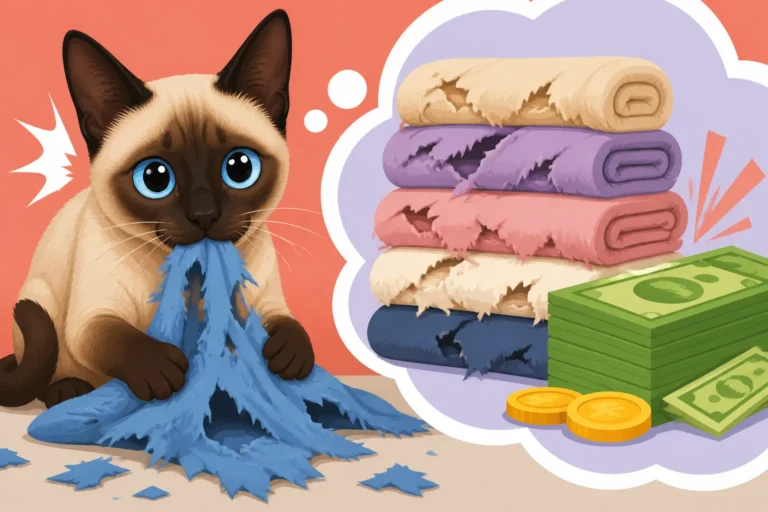
These aren't one-time purchases, either. Toys wear out, scratching posts get shredded, and even cat trees might need upgrading as the cat grows or its preferences change. While some creative owners can DIY enrichment, most will find themselves spending a significant amount on keeping their Siamese entertained. When an owner skimps on these essential items, the cat's natural instincts and energy get redirected into less desirable activities, such as scratching furniture or knocking items off shelves. This destructive behavior then becomes a source of frustration for the owner, who might mistakenly believe the cat is "bad," rather than simply unmet in its fundamental needs. What a Bored Siamese Cat Destroys can give you a clear picture of the consequences.
Behavioral Challenges That Lead to Surrender
Beyond their famous vocality and high energy, Siamese cats can exhibit certain behaviors that, when misunderstood or unmanaged, frequently lead to owners throwing in the towel. These aren't malicious acts, but rather expressions of their breed-specific traits, stress, or unmet needs. What might seem like a minor quirk to one person can be an unbearable problem for another, leading to a breakdown in the human-animal bond and ultimately, surrender.
Destructive Behaviors from Boredom or Stress
A Siamese cat's intelligence and high energy are a powerful combination. Without adequate outlets, this combination can manifest as destructive behavior, a common complaint among owners who relinquish their cats. Imagine coming home to shredded toilet paper, knocked-over vases, or claw marks on your favorite sofa. For a Siamese, this isn't mischief for mischief's sake; it's often a desperate plea for attention, a way to burn off pent-up energy, or a sign of stress or boredom. They need to explore, climb, and 'hunt,' even if that 'hunt' involves a feather wand in your living room.
If a Siamese cat is left alone for long periods without sufficient mental and physical stimulation, they will create their own entertainment, which often doesn't align with human preferences. This can include scaling curtains, emptying cupboards, or systematically pushing small objects off tables and shelves, just to watch them fall. Owners often see these behaviors as defiance or naughtiness rather than a clear signal that the cat's needs for engagement are not being met. These actions can lead to considerable frustration, damage to property, and ultimately, the perception that the cat is "too much trouble" to keep.
Inappropriate Urination and Defecation
One of the most heart-wrenching and common reasons cats are surrendered to shelters, regardless of breed, is inappropriate urination or defecation outside the litter box. For Siamese cats, this can be particularly devastating given their sensitive nature. Owners often interpret this behavior as spite or defiance, but in reality, it is almost always a sign of an underlying problem. The first course of action should always be a veterinary visit to rule out medical issues such as urinary tract infections, kidney problems, or arthritis that makes entering the litter box painful.
If medical causes are ruled out, the problem is usually behavioral or environmental. Siamese cats, like all felines, are particular about their litter boxes. Issues can include: the litter type (many prefer unscented, fine-grained litter), the cleanliness of the box (they are fastidious and won't use a dirty box), the number of boxes (one per cat plus one extra is the general rule), the location of the box (too noisy, too exposed), or even stress from changes in the household. A stressed Siamese may also spray or urinate to mark territory or cope with anxiety. Without understanding the root cause and addressing it with patience and appropriate interventions, owners can quickly reach their breaking point, leading them to believe the cat is untrainable. For more insights on this, refer to Litter, Water and Boxes for a Siamese Cat.
Wool Sucking and Pica
A particularly distinct behavioral challenge often seen in Siamese cats, and other Oriental breeds, is wool sucking or pica. This involves compulsively sucking on or even ingesting non-food items like wool blankets, sweaters, shoelaces, or plastic bags. While it might seem harmless at first, it can be incredibly dangerous. Many experts believe it's an inherited trait, possibly linked to early weaning or a need for oral comfort, and it's often exacerbated by stress or boredom.
The danger of wool sucking lies in the potential for intestinal blockages, which can be life-threatening and require expensive emergency surgery. Owners often become frantic trying to "cat-proof" their homes, removing all tempting fabrics, but this can be a never-ending battle. The cost of vet visits, potential surgeries, and the constant vigilance required to prevent ingestion can be overwhelming. Some owners might try dietary changes (some premium foods from Chewy might focus on satiety) or behavioral modification, but it's a persistent challenge. When the risk of blockage or the sheer difficulty of managing the behavior becomes too high, some owners feel they cannot safely keep their Siamese cat, leading to surrender. For a deeper understanding, explore Why a Siamese Cat Sucks Wool and What a Wool Sucking Siamese Cat Costs in Surgery.
Health Concerns and Their Impact on Ownership
While many Siamese cats live long, healthy lives, they are, like all purebreds, susceptible to certain genetic and age-related health conditions. For owners who haven't adequately prepared for these possibilities, either financially or emotionally, the onset of a serious illness can be a devastating and overwhelming experience, sometimes leading to the difficult decision of rehoming.
Inherited Conditions and Long-Term Care
Siamese cats are known to be predisposed to several inherited health conditions that can manifest at various stages of their lives. One of the most talked-about is amyloidosis, a cruel disease where an abnormal protein (amyloid) deposits in organs, most commonly the liver in Siamese cats. This can lead to liver dysfunction and, tragically, liver rupture, often with little to no warning. For concerned owners, understanding Amyloidosis Is the Disease That Kills Young Siamese Cats is vital. Another condition is Progressive Retinal Atrophy (PRA), which leads to gradual blindness. While not painful, it requires adjustments to the cat's living environment and the owner's approach to care.
The diagnosis of such conditions can be devastating. Managing them often involves frequent veterinary visits, specialized diagnostics (like ultrasounds or blood tests), medications, and potentially special diets. These treatments can be very expensive and emotionally draining, requiring a significant commitment from the owner. For those who didn't research these possibilities or didn't budget for high-cost veterinary care, the long-term management of an inherited disease can become an insurmountable hurdle, forcing them to consider options they never imagined.
Chronic Illnesses in Older Siamese Cats
As Siamese cats age, typically past the age of ten, they, like all senior felines, become more susceptible to chronic health conditions. Common ailments in older Siamese cats include kidney disease, hyperthyroidism, diabetes, and various forms of arthritis. These conditions often require ongoing management, which can involve daily medication, regular blood tests, prescription diets, and frequent check-ups with the veterinarian. Feeding a quality senior diet is crucial, but these come with a cost.
Caring for an older Siamese with chronic illness is a profound act of love, but it's also a significant commitment of time, energy, and money. Owners might find themselves giving pills daily, administering subcutaneous fluids for kidney disease, or monitoring glucose levels for diabetes. The emotional toll of watching their beloved companion decline, coupled with the financial strain of continuous medical care, can be overwhelming. Some owners, particularly those who are elderly themselves or facing their own health challenges, may find themselves unable to provide the intensive care an aging, chronically ill Siamese requires. This often leads to the heart-wrenching decision to seek help from a rescue specializing in senior cats. Understanding the needs of Caring for an Old Siamese Cat is crucial.
Lack of Insurance or Savings
Perhaps the biggest financial vulnerability for pet owners regarding health issues is the lack of pet insurance or a dedicated emergency savings fund. Many people assume their cat will be healthy, or they simply can't afford the extra monthly expense of insurance. However, when an unexpected illness or accident strikes, the financial impact can be sudden and severe. A broken leg, a sudden internal bleed, or a cancer diagnosis can lead to veterinary bills soaring into the thousands of dollars.
Without a financial safety net, owners are often faced with impossible choices: go into significant debt, sacrifice other necessities, or make the agonizing decision to euthanize or surrender a pet that could otherwise be treated. This is where pet insurance, such as a policy from Healthy Paws, truly shines. It provides a buffer against the devastating costs of unexpected care, allowing owners to focus on their pet's health rather than their wallet. Unfortunately, many don't consider it until it's too late, and the ensuing financial crisis can be a direct path for a Siamese cat to end up in a rescue.
Life Changes and Lack of Preparedness
Even the most devoted Siamese cat owner can find themselves in circumstances beyond their control that make keeping their beloved companion impossible. Life happens, and these significant shifts can sadly mean a pet needs to be rehomed. While heartbreaking, understanding these common life changes can help potential owners plan better and existing owners seek resources before resorting to surrender.
Moving and Housing Restrictions
Relocation is a fact of modern life, but it poses significant challenges for pet owners. Moving to a new city, state, or even another country often comes with a host of housing restrictions that can make it difficult, if not impossible, to keep a pet. Many apartment complexes, rental homes, or HOAs have strict policies regarding pet size, breed, or even the number of animals allowed. Finding pet-friendly housing can be a nightmare, especially for larger breeds or those with specific behavioral needs.
Owners might desperately search for a suitable home, only to discover that their options are limited, unaffordable, or simply non-existent with their Siamese cat in tow. International moves involve complex pet import regulations, quarantines, and significant expenses that many cannot manage. Faced with the choice between a roof over their own head and keeping their pet, owners are forced into an impossible situation. The emotional toll of this decision is immense, and it often leads to a Siamese cat being surrendered to a rescue in the hope of finding a home where they are welcome.
New Family Members
The arrival of new family members, whether human or animal, can significantly disrupt a Siamese cat's world, and if not managed carefully, can lead to behavioral issues that prompt rehoming. A new baby, for instance, changes household routines, noise levels, and the amount of attention available for the cat. While many Siamese cats adjust well, some sensitive individuals can become stressed, leading to issues like aggression, inappropriate urination, or excessive vocalization as they try to cope with the disruption and reclaim their territory or attention. For insights into harmonious living, consider A Siamese Cat With Children, Dogs and Other Cats.
Similarly, introducing a new partner or another pet into the home can trigger stress or jealousy in a highly bonded Siamese. They are creatures of habit and deeply attached to their chosen human. A new dog, another cat, or even a different species can be perceived as a rival for affection or a threat to their established hierarchy. If introductions are rushed, or if the cat feels displaced, behavioral problems can escalate, making daily life challenging for everyone involved. Without understanding the cat's perspective and investing time in slow, positive introductions, owners might mistakenly believe the Siamese is incompatible with the new family member and decide to rehome them.
Owner's Health or Financial Hardship
Sometimes, the reasons for surrender are deeply personal and entirely beyond the owner's control. A sudden illness or disability in the primary caregiver can drastically alter their ability to provide the necessary care for a high-energy, demanding Siamese cat. What was once manageable – daily playtime, regular litter box cleaning, consistent grooming – can become an impossible physical burden. The cat might not receive the attention or care it needs, leading to a decline in its well-being and the owner's capacity to cope.
Financial hardship is another major factor. Job loss, medical emergencies for a human family member, or other unforeseen economic downturns can suddenly make pet ownership unsustainable. When food, rent, or utilities become a struggle, providing quality cat food, veterinary care, or even basic supplies can feel impossible. Despite immense love for their Siamese companion, owners might realize that the most responsible, albeit painful, decision is to surrender their cat to a rescue that can provide for its needs until a more stable, loving home can be found. These situations are heartbreaking for all involved and highlight the importance of having a contingency plan for your pets.
Finding Solutions and Responsible Ownership
While the reasons Siamese cats end up in rescue can be complex and varied, there are concrete steps potential and current owners can take to prevent these heartbreaking situations. Responsible ownership isn't just about providing food and shelter; it's about understanding the breed, anticipating challenges, and committing to a lifetime of care and companionship. By being proactive and prepared, we can ensure more Siamese cats stay in their loving forever homes.
Thorough Research Before Adoption
The single most crucial step in preventing a Siamese cat from ending up in rescue is thorough, honest research before bringing one home. Don't just rely on pretty pictures or anecdotal stories. Dive deep into understanding the breed's specific traits, common health issues, and intense personality. Ask yourself if your lifestyle genuinely aligns with a cat that is highly vocal, incredibly social, and demands significant intellectual and physical stimulation. Are you prepared for the "Meezer Yowl"? Do you have time for daily interactive play sessions? Do you have the patience for a cat that will follow you everywhere and demand to be involved in everything you do?
Visit reputable breeders and rescue organizations, speak to current Siamese owners, and read comprehensive guides. Consider fostering a Siamese or cat-sitting for one to get a real-world feel for their temperament. A responsible breeder will also ask you many questions and be transparent about the breed's challenges. They'll likely also provide health screening results for the parents. Understanding Whether a Siamese Cat Suits a First Time Owner is a great place to start your reflection. Choosing a cat should be a carefully considered decision, not an impulse.
Proactive Care and Enrichment
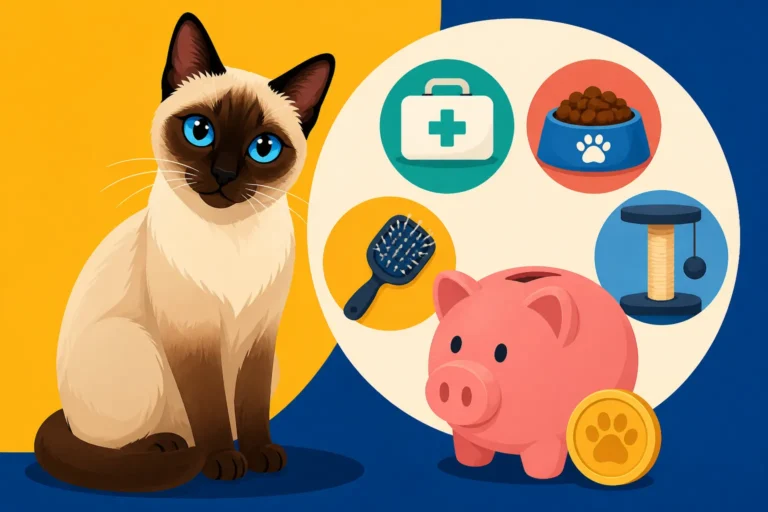
Once a Siamese cat is part of your family, proactive care and consistent enrichment are paramount. This isn't a "set it and forget it" kind of pet. Daily, dedicated playtime with interactive toys like feather wands or laser pointers is essential to burn off their abundant energy and satisfy their hunting instincts. Puzzle feeders can keep their intelligent minds engaged during meal times, preventing boredom. Providing plenty of vertical space with sturdy cat trees and shelves allows them to climb and survey their territory, which is crucial for their well-being.
Regular veterinary check-ups are also non-negotiable. Early detection of health issues can prevent them from escalating into costly emergencies. Discuss any behavioral changes with your vet, as they can often be indicators of underlying medical problems or stress. Ensure they receive high-quality food, whether it's premium kibble, wet food, or specialized diets. Investing in their physical and mental health from the outset is an investment in a long, happy life together, significantly reducing the likelihood of behavioral problems that lead to surrender.
Pet Insurance and Emergency Funds
Financial preparedness is a critical, yet often overlooked, aspect of responsible pet ownership. Given the potential for inherited health conditions and the general unpredictability of accidents and illnesses, having a plan to cover unexpected veterinary costs is essential. This means either investing in comprehensive pet insurance or maintaining a dedicated emergency savings fund solely for your pet's medical needs.
Pet insurance, from providers like Healthy Paws, can provide immense peace of mind. For a monthly premium, it can cover a significant portion of unexpected vet bills for accidents, illnesses, and even some chronic conditions, preventing owners from having to choose between their pet's life and financial ruin. If insurance isn't an option, start a savings account specifically for your cat and contribute to it regularly. Even a small amount each month can build up over time to cover routine care or a portion of an emergency. This financial buffer is often the difference between a Siamese cat staying in its loving home and ending up in a rescue due to medical expenses.
The Role of Rescues in Siamese Cat Welfare
When all else fails, and an owner truly cannot keep their Siamese cat, rescue organizations step in as a vital safety net. These dedicated groups and individuals work tirelessly to provide a temporary haven, medical care, and a second chance at a forever home for cats in need. Their work is often unsung but critically important in mitigating the problem of surrendered Siamese cats.
Providing a Safe Haven and Specialized Care
Siamese-specific rescues, or general cat rescues with a strong understanding of the breed, play an indispensable role. When a Siamese cat is surrendered, these organizations provide immediate shelter, ensuring the cat is safe, fed, and comfortable. But their role goes far beyond basic needs. Many surrendered Siamese cats arrive with behavioral issues stemming from their previous environment – excessive vocalization, stress-related elimination problems, or anxiety. Rescues often have experienced volunteers or professional behaviorists who can assess these issues and begin working on rehabilitation.
Furthermore, a significant number of surrendered cats have unmet medical needs. Rescues typically conduct thorough veterinary evaluations, providing necessary vaccinations, deworming, microchipping, and spaying/neutering. They also address any existing health conditions, which might range from dental disease to more complex issues like managing chronic illness or recovering from injury. This specialized care, which many previous owners couldn't provide, gives these cats the best possible chance at a healthy future.
Matching Cats with the Right Homes
One of the most valuable services rescues provide is their meticulous adoption process. Unlike impulse buys or casual rehoming, rescues aim for a perfect match between cat and adopter, especially for a breed as unique as the Siamese. They conduct thorough interviews, check references, and often perform home visits to ensure the prospective home environment is suitable for a Siamese cat's specific needs for space, stimulation, and companionship.
Rescues understand the nuances of the Siamese temperament and will educate potential adopters on their vocality, energy levels, and bonding intensity. They ensure that adopters are fully aware of what they are committing to, minimizing the chances of another surrender. Often, they can suggest specific individuals based on the cat's personality – for example, a particularly shy Siamese might thrive in a quiet home, while an outgoing one might need a bustling family. This careful matchmaking is crucial in breaking the cycle of rehoming and ensuring these intelligent, sensitive cats find truly permanent, loving homes.
Supporting Owners and Preventing Surrenders
Beyond direct rescue and rehoming, many organizations also offer resources and support to owners who are struggling but want to keep their pets. This might include advice on managing behavioral issues, information on low-cost veterinary care options, or connecting owners with temporary foster care during personal crises. Some rescues also partner with pet food banks or provide temporary financial assistance for urgent vet bills to prevent owners from being forced to surrender their cats due to economic hardship.
These preventative measures are critical. By providing education and support, rescues empower owners to overcome challenges, reinforcing the bond between pet and human. They serve as advocates for the Siamese breed, helping to dispel myths and educate the public about the realities and joys of owning these magnificent creatures. Ultimately, the goal is not just to rehome cats, but to create a world where fewer Siamese cats ever need rescuing in the first place, ensuring they live out their full The Fifteen to Twenty Years a Siamese Cat Gets in loving, stable homes.
| Reason for Surrender | Owner Expectation | Siamese Cat Reality | Prevention/Solution |
|---|---|---|---|
| Too Vocal | Quiet, graceful companion | Constant "Meezer Yowl" | Thoroughly research breed traits; understand their communication style; engage with them vocally; use enrichment to reduce demand yowls. |
| Destructive Behavior | Calm, independent | High energy, needs stimulation | Provide ample toys, tall cat trees, puzzle feeders (available from Chewy); dedicated daily play sessions. |
| High Costs | Affordable pet | Significant ongoing expenses | Budget for 15-20 years of ownership; consider pet insurance; invest in quality food. |
| Aggression/Stress | Always affectionate | Can be anxious, reactive | Understand feline body language; ensure proper introductions to new pets/people; reduce household stressors; consult a vet/behaviorist. |
| Health Issues | Generally healthy | Prone to specific conditions | Choose a reputable breeder who screens; regular vet checks; invest in pet insurance (Healthy Paws) or an emergency fund. |
| Life Changes | Forever home is guaranteed | Moves, new family, illness | Have a contingency plan for your cat in case of personal hardship; explore rehoming assistance if truly necessary. |
| Inappropriate Elimination | Always uses litter box | Sensitive to litter/stress | Rule out medical issues; ensure sufficient, clean litter boxes in quiet locations; use preferred litter type. |
| Wool Sucking/Pica | Harmless or non-existent | Genetic, stress-related risk | Cat-proof home; provide enriching alternatives; consult vet for behavioral management; be aware of surgery costs. |
| Separation Anxiety | Independent | Deeply bonded, can get anxious | Provide consistent attention; consider a compatible companion cat (if appropriate); use puzzle feeders during absence. |
Disclaimer
This article is for general informational purposes only and does not constitute professional advice. Laws, prices and regulations vary by location and change over time. Consult a qualified professional for guidance on your specific situation.