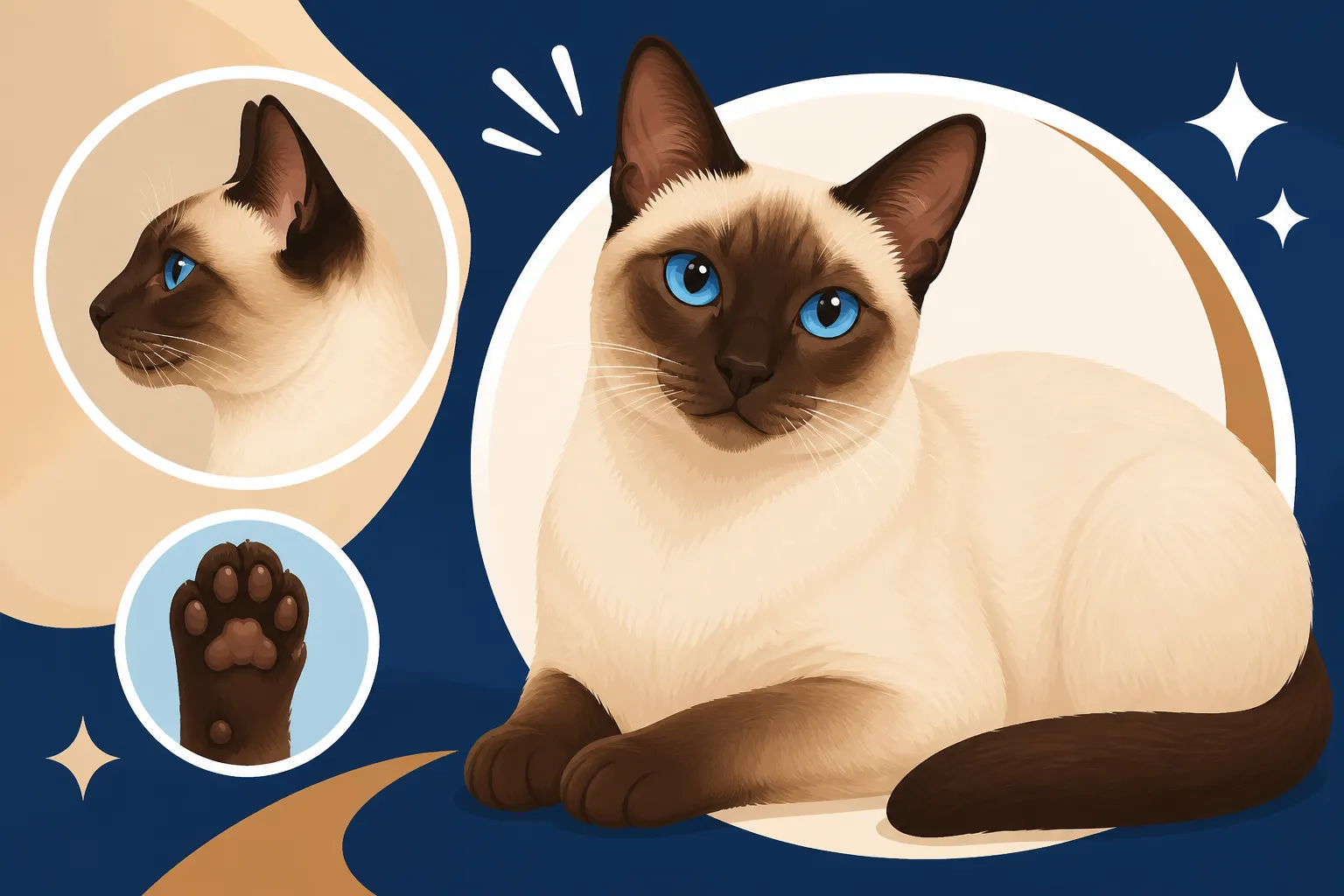
What a Chocolate Point Siamese Cat Is
You've fallen in love with the idea of a Siamese cat, and perhaps you've heard whispers of the gorgeous "chocolate point" variation. But navigating the specific color terms within the Siamese world can feel like learning a secret language, especially when trying to discern a true chocolate from something that just looks similar in certain lighting. This guide is here to unravel the mystery of the chocolate point Siamese, helping you understand its unique characteristics and appreciate its subtle beauty, so you can confidently identify and care for this stunning feline.
The Genetic Canvas: How Siamese Points Get Their Color
Before we dive into the delicious world of chocolate points, it's really helpful to understand the basic science behind Siamese coloration. It’s not just magic; it’s genetics at play, specifically something called temperature-sensitive albinism. This is why all Siamese kittens are born pure white or cream, and their points (ears, face, paws, tail) gradually darken over time.
The Role of Temperature-Sensitive Pigment
Imagine a little artist inside your Siamese cat's body, painting its coat. This artist only works when it's cool enough. The gene responsible for Siamese coloring, a mutated form of the tyrosinase enzyme, means that pigment production is literally temperature-dependent. The cooler parts of the cat's body—the extremities like the ears, nose, paws, and tail—are slightly lower in temperature than the warmer core body, allowing the pigment to develop. This is why you see those striking contrasts. The warmer the cat's body, the lighter its overall coat will be, and the cooler the extremities, the darker the points become. This fascinating process is why a Siamese Cat's Points Are Made by Temperature.
Think about a cozy house in the winter versus a warm summer day. You might notice your Siamese looking a bit darker overall in the colder months, a charming chameleon effect that’s perfectly normal. Conversely, in a very warm climate or a toasty house, their body color can remain quite pale, even into adulthood. It's a testament to how sensitive their pigment system truly is.
The Basic Point Colors of the Siamese
While we're here to celebrate the chocolate point, it's important to know it's part of a family of traditional Siamese colors. The four "classic" point colors recognized by most major cat registries like the Cat Fanciers' Association (CFA) are Seal Point, Blue Point, Chocolate Point, and Lilac Point. Each is a dilution of the previous color, resulting from different genetic mutations affecting the black or brown pigment. Understanding these helps you place the chocolate point in its proper context.
- Seal Point: The darkest and most dominant, with very dark brown (almost black) points and a fawn to cream body.
- Blue Point: A diluted version of seal, with slate blue-grey points and an icy white body.
- Chocolate Point: A true brown, not black, with warmer, milk-chocolate points and an ivory body.
- Lilac Point: The most dilute, appearing as pinkish-grey points on an off-white body.
There are, of course, other variations, sometimes referred to as Colorpoint Shorthairs, which include Red Points, Lynx Points, and Tortie Points, depending on the registry. But for a true Siamese, these four are the stars, with the chocolate point holding a special place for its warm, inviting hue. You can learn more about Which Point Colors the Registries Accept if you're keen to explore the full spectrum.
What Defines a Chocolate Point Siamese
Now, let's get down to the delicious details: what exactly is a chocolate point Siamese? It’s more than just a vague brown; it's a specific, rich, warm hue that makes these cats absolutely captivating.
The Signature Chocolate Hues
A true chocolate point Siamese boasts points that are a warm, milk-chocolate brown. Think of a rich, creamy chocolate bar rather than a dark espresso bean. The color should be distinctly brown, lacking any of the black undertones you'd see in a seal point. Their body fur is typically a pale ivory, almost white, creating a beautiful, striking contrast with the darker points. This ivory body should be free from shading or ticking, appearing clean and pristine.
Their nose leather and paw pads will also mirror this warm chocolate tone, usually a cinnamon-pink or milk chocolate color. In contrast, a seal point would have dark brown or black paw pads and nose leather. This small detail is often a key identifier. And, like all Siamese, their eyes will be a vivid, brilliant blue. The depth of that blue can vary, but it should always be clear and sparkling.
The Subtle Art of Distinguishing Chocolate from Seal
This is where many people get tripped up. In certain lighting, especially indoors, a dark chocolate point can sometimes be mistaken for a lighter seal point. However, the key lies in the warmth and richness of the brown. A seal point's points are a very dark seal brown, often appearing almost black, with a fawn or cream body that usually has more shading. A chocolate point, on the other hand, should never have points that look black. They are unequivocally brown, warm, and inviting.
Imagine comparing two cups of coffee: one is a deep, dark roast (seal), and the other is a creamy, milk-heavy latte (chocolate). That's roughly the difference in visual warmth and depth. When you see them side by side, the difference becomes much clearer. The ivory body of the chocolate point also tends to be significantly lighter and cleaner than the fawn body of a seal point, which often shows more variation in shading.
| Feature | Seal Point Siamese | Chocolate Point Siamese |
|---|---|---|
| Point Color | Very dark seal brown, almost black | Warm milk-chocolate brown |
| Body Color | Fawn to cream, often with shading | Pale ivory, often pure white-cream |
| Nose Leather | Dark brown or black | Cinnamon-pink to milk-chocolate |
| Paw Pads | Dark brown or black | Cinnamon-pink to milk-chocolate |
| Contrast to Body | Strong, but body often has more shading | Very strong, clean contrast with ivory body |
| Overall Impression | Darker, more intense | Warmer, softer, yet still striking |
This table helps illustrate the specific visual cues to look for. When you're trying to figure out if you're looking at a chocolate point, pay close attention to the warmth of the brown and the purity of the ivory body.
The Personality and Care of a Chocolate Point Siamese
Beyond their stunning appearance, chocolate point Siamese cats share all the wonderful, sometimes demanding, traits that make the breed so unique. Owning one means welcoming a vocal, intelligent, and highly affectionate companion into your home.
The Siamese Personality: A Constant Companion
Regardless of their point color, Siamese cats are known for their incredibly distinct personalities. They are often described as "dog-like" in their loyalty and affection, frequently choosing one person to bond most closely with, though they'll usually charm the whole family. They are not content to be mere decorative objects; they demand—and thrive on—interaction. A chocolate point will follow you from room to room, "help" with chores by supervising from the countertop, and engage in lengthy "conversations" with their distinctive, loud meow or "meezer yowl." The Siamese Cat Talks and Expects an Answer, and they truly do.
They are incredibly intelligent and curious, often getting into mischief if not properly stimulated. Puzzle feeders, interactive toys, and even learning tricks are excellent ways to keep their sharp minds engaged. They also tend to be very playful, retaining a kitten-like energy well into adulthood. Expect daily play sessions and a cat who wants to be involved in everything you do.
General Care Considerations for Your Siamese
Caring for a chocolate point Siamese isn't fundamentally different from caring for any other Siamese, but there are some breed-specific considerations to keep in mind to ensure they live a long, happy, and healthy life.
- Nutrition: Siamese cats are typically lean and active, burning calories efficiently. They generally thrive on a high-quality diet rich in animal protein. Some owners prefer wet food for its hydration benefits, while others opt for a balanced dry kibble. Tailored fresh food or high-quality kibble can be excellent choices. It's always best to consult your vet to ensure your cat's specific dietary needs are met. Feeding a Lean Siamese Cat That Burns Everything is a real concern for many owners.
- Grooming: Their short, sleek coats are incredibly low maintenance. A quick brush once a week with a rubber curry brush or a grooming glove is usually sufficient to remove loose hairs and keep their coat shiny. They don't have an undercoat, so shedding is minimal, which is a bonus for many owners. Grooming a Siamese Cat Takes Five Minutes a Week is a fairly accurate statement!
- Keeping Them Warm: Due to their lack of undercoat, Siamese cats can be sensitive to cold. They love warm spots and will often seek out sunbeams, blankets, or even snuggle under the covers with you. Ensuring they have cozy beds and a comfortable ambient temperature will make them very happy. You might notice their points darken more in a colder environment, as we discussed earlier.
- Dental Health: This is a big one for Siamese cats. They are prone to dental issues, including gingivitis and tooth resorption. Regular dental care at home, such as brushing their teeth with a pet-safe toothpaste, is highly recommended. Annual veterinary check-ups should always include a thorough dental examination, and professional cleanings may be needed periodically. Dental Disease in a Siamese Cat is quite common, so prevention is key.
- Veterinary Care and Health Concerns: Siamese cats are generally a robust breed, often living The Fifteen to Twenty Years a Siamese Cat Gets, but they are predisposed to certain genetic health conditions. These can include Progressive Retinal Atrophy (PRA), which affects their vision, and Amyloidosis, a serious condition that can impact organs like the liver and kidneys. Regular vet visits are crucial for early detection and management. Having pet insurance, such as a comprehensive plan from Healthy Paws, can provide immense peace of mind should any unexpected health issues arise. Always discuss any concerns with your veterinarian.
Enrichment for an Active Mind
A bored Siamese is often a mischievous Siamese. Providing plenty of mental and physical enrichment is vital. This can include:
- Interactive Toys: Wands, laser pointers (used carefully to avoid frustration), and toys they can bat around.
- Puzzle Feeders: These slow down eating and engage their minds. Chewy offers a wide range of these.
- Vertical Space: Cat trees, shelves, or wall-mounted perches allow them to climb and survey their territory from a height, which they love.
- Companionship: If you're out of the house for long periods, consider getting two Siamese cats, or another compatible feline companion. A Siamese Cat Should Not Live Alone is often true for this highly social breed.
- Leash Training: Many Siamese cats can be leash-trained and enjoy supervised outdoor excursions in a secure harness, offering a wonderful form of enrichment.
A chocolate point Siamese is a truly magnificent cat, combining stunning visual appeal with an unforgettable personality. By understanding their unique coloration and catering to their specific needs, you'll be setting yourself up for many years of joyful companionship with these intelligent, vocal, and incredibly loving felines.
Disclaimer
This article is for general informational purposes only and does not constitute professional advice. Laws, prices and regulations vary by location and change over time. Consult a qualified professional for guidance on your specific situation.