Whether a Siamese Cat Needs Prescription Food
It’s a common moment for many Siamese cat owners: your beloved Meezer starts showing subtle changes, perhaps a slight shift in energy, a picky appetite, or a little more fussiness in the litter box. Suddenly, your vet is discussing "prescription food," and you're left wondering if it's truly necessary or just an expensive upsell. This guide is here to help you understand when and why a specialized diet might be exactly what your Siamese needs to thrive, cutting through the confusion and empowering you to make informed decisions for their health.
Understanding Your Siamese Cat's Unique Nutritional Needs
Siamese cats are truly special, not just in their striking appearance and captivating personalities, but also in their physiology. Their lean, athletic builds and often high energy levels mean their bodies process nutrients a little differently than some other breeds. It’s not just about getting any food into them; it's about providing the right fuel to support their unique characteristics and ward off potential health issues.
The Siamese Metabolism and Lean Physique
Have you ever noticed how your Siamese seems to burn through calories like a tiny furnace? They're often described as having a very efficient or "fast" metabolism, which contributes to their naturally slender frame. While it might seem like they can eat anything and stay svelte, this fast metabolism also means they need a consistent supply of high-quality, easily digestible nutrients. They aren't prone to packing on the pounds easily, which can sometimes mask underlying health issues if an owner isn't keenly observing their appetite and energy levels. It’s a fine balance, and maintaining that lean muscle mass is crucial for their overall vitality. You might wonder, Why a Siamese Cat Stays So Thin even with a healthy appetite. This lean physique, combined with their active nature, means they require a diet that supports their muscle development and high energy output without being overly dense in unnecessary fillers.
Common Health Concerns and Their Dietary Links
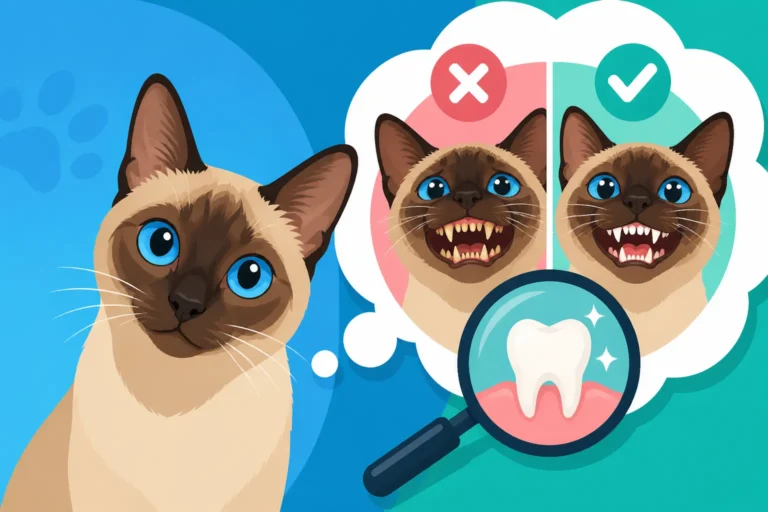
While Siamese cats are generally considered a healthy breed, they do have certain predispositions that can be influenced by diet. For example, some Siamese are more prone to dental issues, with gingivitis and tooth resorption being fairly common. A diet formulated to support oral health can make a significant difference. Beyond that, many purebred cats, including Siamese, can be more susceptible to sensitivities or allergies that manifest as skin problems or digestive upset.
Then there are more serious concerns. Kidney issues, for instance, can affect older Siamese cats, and a specially formulated diet becomes a cornerstone of managing the condition. Another concern specific to the breed, though thankfully less common, is amyloidosis, which can affect the kidneys or liver. While diet isn't a preventative measure for amyloidosis itself, managing kidney or liver function through diet once problems arise is critical. It's truly eye-opening to consider How Healthy the Siamese Cat Actually Is when you look at these potential vulnerabilities. These are the kinds of situations where generic cat food, no matter how "premium," just won't cut it because it lacks the precise balance of nutrients, minerals, and proteins needed to support a compromised system.
When Prescription Food Becomes Necessary
It’s easy to dismiss prescription food as a fancy marketing gimmick, but in reality, it's a powerful tool in veterinary medicine. These diets are not just different; they are meticulously formulated with specific therapeutic goals in mind, addressing everything from organ support to allergy management. They become essential when a veterinarian diagnoses a condition that can be effectively managed or alleviated through dietary intervention.
Diagnosed Medical Conditions
The most common reason for a vet to recommend prescription food is a diagnosed medical condition. Think of it like this: if you had a chronic kidney problem, your doctor wouldn't just tell you to "eat healthier"; they would give you specific dietary guidelines. The same principle applies to our feline friends.
- Kidney Disease: This is a big one. When a Siamese cat's kidneys aren't functioning optimally, a prescription kidney diet is crucial. These diets are typically lower in phosphorus and protein, and carefully balanced with electrolytes and omega-3 fatty acids to reduce the workload on the kidneys and slow the progression of the disease. It's not just about reducing symptoms; it's about prolonging a good quality of life. Without this specialized diet, the kidneys would be forced to work harder, accelerating their decline. For an older Siamese, especially, keeping an eye on Kidney Disease in an Older Siamese Cat is vital. You'll definitely want to know Signs a Siamese Cat's Kidneys Are Failing From Amyloid so you can act quickly if needed.
- Urinary Tract Issues: Cats are prone to conditions like Feline Lower Urinary Tract Disease (FLUTD), which can include issues like bladder stones or crystals. Prescription urinary diets are designed to alter the urine pH, dissolve existing crystals, and prevent new ones from forming. They often have controlled mineral levels (like magnesium and phosphorus) and increased moisture content to encourage greater urine volume.
- Gastrointestinal Sensitivities or Disease: If your Siamese struggles with chronic vomiting, diarrhea, or inflammatory bowel disease (IBD), a prescription GI diet can be a game-changer. These diets are often highly digestible, limited in novel protein sources, and may contain prebiotics or probiotics to support gut health. They take the stress off a sensitive digestive system, allowing it to heal and function better.
- Allergies: Food allergies are a common culprit behind skin irritation and digestive upset. Hypoallergenic or novel protein diets remove common allergens, making it easier to identify and avoid triggers. These often feature hydrolyzed proteins (proteins broken down so small the immune system doesn't recognize them as allergens) or a single, unusual protein source like venison or duck.
- Weight Management: While Siamese cats are typically lean, some can become overweight, especially as they age or if they become less active. Prescription weight-loss diets are lower in calories but high in fiber and protein to help your cat feel full and retain muscle mass while shedding excess pounds.
The Role of Your Veterinarian
This cannot be stressed enough: prescription food should always be recommended and overseen by your veterinarian. It's not something you should try to diagnose or treat yourself. Your vet will perform a thorough examination, possibly blood tests, urine analysis, or imaging, to accurately diagnose the underlying condition. Only then can they prescribe the most appropriate diet.
They'll consider your cat's specific health profile, age, activity level, and any other medications they might be on. Trying to put your Siamese on a specialized diet without veterinary guidance could actually be detrimental, either by failing to address the true problem or by creating new nutritional imbalances. Your vet is your best partner in navigating these choices, explaining why a particular diet is necessary and what you can expect from it. They can also advise on the duration of the diet, whether it's a short-term intervention or a lifelong change.
Types of Prescription Diets for Siamese Cats
When your vet prescribes a special diet, you'll quickly realize there's a whole world of options out there, each tailored to a specific set of needs. Understanding these categories can help you feel more confident in your choice and better grasp the 'why' behind the recommendation.
Kidney, Urinary, and Gastrointestinal Formulas
These are some of the most frequently prescribed diets, targeting common and often serious health issues in cats. Each formula is a carefully balanced blend designed to support failing organs or soothe troubled digestive systems.
- Kidney Support Diets: As mentioned, these are life-savers for cats with renal disease. They drastically reduce phosphorus, which helps slow the progression of kidney damage, and control protein levels to prevent a buildup of waste products in the blood. They often include increased levels of B vitamins, antioxidants, and omega-3 fatty acids to reduce inflammation and support overall health. The goal isn't just to manage the disease, but to improve your cat's comfort and energy levels. It's a proactive step that can add valuable time and quality of life.
- Urinary Health Diets: These diets are formulated to manage conditions like Feline Lower Urinary Tract Disease (FLUTD), which encompasses issues from bladder stones (struvite or calcium oxalate) to idiopathic cystitis. They work by controlling the mineral content, particularly magnesium and phosphorus, and adjusting the pH of the urine to either dissolve existing crystals or prevent new ones from forming. Many also have increased sodium levels to encourage more water intake and thus dilute the urine, which helps flush out irritants. For instance, if your cat has a history of struvite stones, the diet will aim to make their urine more acidic, while for oxalate stones, the aim is to make it more alkaline.
- Gastrointestinal (GI) Diets: These are for the sensitive souls whose stomachs and intestines just can't catch a break. They're typically made with highly digestible ingredients to reduce the workload on the digestive system and are often low in fat. Many include prebiotics and probiotics to foster a healthy gut microbiome, which is essential for nutrient absorption and immune function. If your Siamese has bouts of vomiting or diarrhea, or has been diagnosed with IBD, these diets can help settle their tummy and allow them to absorb the nutrients they need to maintain their Why a Siamese Cat Stays So Thin physique.
Allergy and Weight Management Diets
Beyond organ-specific support, prescription foods also address sensitivities and metabolic imbalances, ensuring your Siamese is comfortable and at a healthy weight.
- Allergy Management Diets: These diets fall into a few categories.
- Hydrolyzed Protein Diets: These contain proteins that have been broken down into such tiny components that your cat's immune system doesn't recognize them as allergens. It's like disguising the problematic ingredient.
- Novel Protein Diets: These use a single protein source that your cat has likely never encountered before, such as duck, venison, or rabbit, making an allergic reaction less probable.
- Limited Ingredient Diets: While some over-the-counter foods claim to be limited ingredient, prescription versions are much stricter in their formulation to truly eliminate common allergens. These diets are crucial for food trials, where you systematically reintroduce ingredients to pinpoint exactly what your cat is reacting to. The relief a cat experiences from chronic itching or digestive upset on the right allergy diet can be transformative.
- Weight Management Diets: Even though Siamese cats are often naturally lean, obesity can occur, especially with age or a sedentary lifestyle. Prescription weight management diets are formulated to be lower in calories but high in fiber to promote satiety, so your cat feels full without overeating. They also typically have increased protein levels to help maintain lean muscle mass during weight loss, preventing the loss of vital muscle along with fat. These diets often contain L-carnitine, an amino acid that helps metabolize fat. It’s about a safe, steady weight loss that supports their overall health and mobility. Here's a quick comparison of some common prescription diet focuses:
| Diet Type | Primary Goal | Key Nutritional Adjustments | Common Conditions Addressed |
|---|---|---|---|
| Kidney Support | Reduce kidney workload, slow disease progression | Low phosphorus, controlled protein, increased omega-3s, B vitamins | Chronic Kidney Disease |
| Urinary Health | Prevent/dissolve urinary crystals/stones | Controlled minerals (magnesium, phosphorus), specific pH-adjusting agents, increased moisture | FLUTD, struvite stones, calcium oxalate stones |
| Gastrointestinal (GI) | Aid digestion, reduce irritation | Highly digestible ingredients, low fat, prebiotics/probiotics, novel proteins | IBD, chronic vomiting/diarrhea, food sensitivities |
| Allergy/Dermatologic | Eliminate allergens, soothe skin | Hydrolyzed proteins, novel proteins, omega-3 fatty acids | Food allergies, dermatological issues |
| Weight Management | Promote healthy weight loss/maintenance | Reduced calories, high fiber, increased protein, L-carnitine | Obesity, weight gain prevention |
Sourcing and Cost Considerations for Prescription Food
Once your vet has given you the green light for a prescription diet, the next steps involve finding the right product and understanding the financial implications. It’s a common worry – specialized food can sound expensive, and it definitely adds a layer to your pet care budget. But with a bit of planning, it’s entirely manageable.
Where to Purchase Prescription Diets
You can't just pick up prescription food off the shelf at your local grocery store. It requires a veterinary prescription, just like medication. This ensures that the food is appropriate for your cat's specific condition and that you're getting the genuine, therapeutically formulated product.
- Your Veterinarian's Office: Many veterinary clinics stock the most common prescription diets directly. This is often the most convenient option, especially when starting a new diet or if you need to pick up food urgently. Your vet's staff can also answer any immediate questions you might have about feeding amounts or transitions.
- Online Retailers: For ongoing supplies, online pet pharmacies and retailers are often a popular choice due to their competitive pricing and convenience. Reputable sites like Chewy carry a wide range of prescription diets from all the major veterinary food brands. You'll simply need to upload or have your vet send in the prescription, and then you can have the food delivered right to your door. This can be a huge time-saver and often more cost-effective in the long run. Just make sure you're using a trusted source to guarantee product authenticity.
- Specialty Pet Stores: Some larger, more specialized pet supply stores might carry a selection of prescription diets, though they will still require a vet's prescription. Always call ahead to confirm availability.
Budgeting for Specialized Nutrition
Let's be real, prescription food typically costs more than standard over-the-counter options. This is due to the specialized ingredients, extensive research and development, and precise manufacturing processes involved. However, viewing it as an investment in your Siamese cat's health rather than just another grocery bill can shift your perspective.
- Compare Costs: Prices can vary between your vet's office, online retailers, and different brands. It's smart to compare options, but remember that consistency is key for your cat's health, so once you find a diet that works, try to stick with it.
- Consider Pet Insurance: Many pet insurance plans, such as those offered by Healthy Paws, can help offset the cost of prescription diets if they are prescribed by a veterinarian as treatment for a covered illness or condition. It's worth reviewing your policy or looking into plans that include coverage for therapeutic diets, as this can significantly reduce your out-of-pocket expenses, especially for lifelong conditions like What a Siamese Cat's Kidney Disease Costs to Manage or allergies.
- Long-Term Savings: While the upfront cost might seem higher, preventing more severe health complications down the line through proper nutrition can actually save you money on emergency vet visits, medications, and more invasive treatments. Investing in the right food is often a preventative measure against much larger bills. Thinking about What an Aging Siamese Cat's Bills Look Like can give you perspective on how preventive care, including diet, plays a huge role.
Ultimately, whether your Siamese cat needs prescription food comes down to their individual health status and a diagnosis from your trusted veterinarian. If a specialized diet is recommended, embrace it as a vital component of their care, offering them the best chance at a long, healthy, and happy life.
Disclaimer
This article is for general informational purposes only and does not constitute professional advice. Laws, prices and regulations vary by location and change over time. Consult a qualified professional for guidance on your specific situation.