What a Siamese Cat Costs to Buy in 2026
Bringing a Siamese cat into your life is an incredibly rewarding experience. These vocal, intelligent, and affectionate felines quickly become cherished family members. However, many prospective owners, myself included, often underestimate the true financial commitment involved, extending far beyond the initial purchase price. This comprehensive guide will meticulously break down the various costs associated with acquiring and caring for a Siamese cat, helping you budget wisely for a long and happy life together.
Understanding the Initial Investment: The Purchase Price of a Siamese Cat
The very first cost you'll encounter is, of course, the price of the cat itself. This figure isn't arbitrary; it reflects a multitude of factors, from where you acquire your Siamese to their lineage and physical traits. It's not just a number; it's an indication of the care, health, and ethical practices that have gone into preparing your future companion.
Breeder vs. Rescue: Where You Get Your Siamese Cat
The source of your Siamese cat significantly impacts the initial cost. Opting for a reputable breeder often means a higher upfront price, but this typically includes a well-socialized kitten from health-tested parents, initial vaccinations, and sometimes even microchipping and spay/neuter. A good breeder will invest heavily in the health and temperament of their kittens, which is reflected in their pricing. They should be transparent about their practices, allow you to visit their cattery, and provide extensive health records for the parents. While the cost might seem steep at first, it often mitigates potential future veterinary expenses that can arise from poorly bred animals.
On the other hand, adopting a Siamese cat from a rescue organization or shelter can be a much more budget-friendly option. Rescue fees are generally lower and usually cover spay/neuter, initial vaccinations, deworming, and sometimes even microchipping. Many rescues, like those found through platforms such as Petfinder or directly from dedicated Siamese rescue groups, put a lot of effort into assessing the temperament and health of their cats before adoption. You might find an adult Siamese who is already past the boisterous kitten stage and whose personality is well-established, making it easier to find a perfect match for your home. While you might not get the detailed lineage of a breeder cat, you're giving a loving home to a cat in need, and the "cost" often feels more like a donation.
The Impact of Pedigree and Registration on Price
When you purchase a Siamese cat from a breeder, the price often reflects whether the cat is registered with a recognized feline association, such as The International Cat Association (TICA) or the Cat Fanciers' Association (CFA). Registration means the cat's lineage can be traced back through several generations, confirming its purebred status. This is crucial for breeders looking to show their cats or contribute to the breed's genetic pool. For a pet owner, it offers reassurance about the cat's heritage and often indicates that the breeder adheres to specific breed standards and ethical practices.
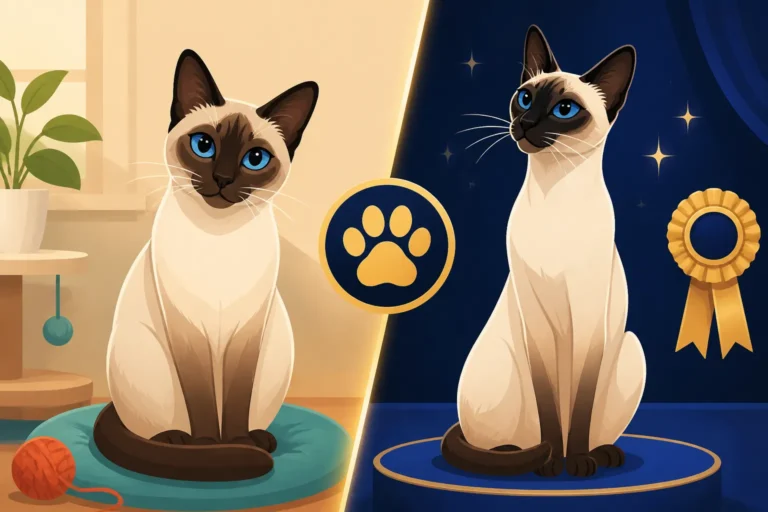
A cat sold with breeding rights or as a "show quality" animal will command a significantly higher price than a "pet quality" kitten. If you're simply looking for a beloved companion, a pet-quality registered Siamese offers all the charm and characteristics of the breed without the premium attached to show potential. Breeders often sell pet-quality kittens with a "limited registration," meaning they are registered but cannot be bred, and typically require them to be spayed or neutered by a certain age. This practice helps ensure responsible pet ownership and preserves the breed's health.
Show Quality vs. Pet Quality: A Price Divide
The distinction between "show quality" and "pet quality" is a major determinant in a Siamese cat's purchase price. A show-quality Siamese is one that closely adheres to the breed standard in terms of physical appearance, temperament, and health. This includes specific head shape, ear set, eye color, body type, and coat color and pattern. These cats are often destined for the show ring, where they compete for titles and recognition. Breeders invest considerable time, effort, and money into producing show-quality kittens, including careful genetic selection, extensive health testing, and sometimes even specialized diets and conditioning, all of which contribute to their higher price tag.
In contrast, a pet-quality Siamese might have minor "flaws" that prevent it from being a contender in the show ring, but these imperfections do not affect its health or its ability to be a wonderful companion. For example, its points might be slightly off-color, its ears not quite the perfect size, or its body slightly less refined than the breed standard dictates. These cats are just as loving, playful, and intelligent as their show-quality siblings. Many experienced breeders focus on producing healthy, well-socialized pet companions, and they are usually upfront about the differences in pricing and what a potential buyer can expect from each category. The joy of owning a Siamese isn't about ribbons or titles; it's about the deep bond you form, making pet quality an excellent and more affordable choice for most families.
The Influence of Type and Appearance on Siamese Cat Pricing
Beyond pedigree and purpose, the physical characteristics and specific "type" of a Siamese cat can also play a role in its market value. The breed has evolved over time, leading to different aesthetic preferences, and certain features, or even their absence, can influence what a prospective owner might pay.
Applehead vs. Wedge: The Two Dominant Styles
Historically, the Siamese cat has undergone significant changes in its appearance, primarily in its head shape. Today, you'll encounter two main types: the "Applehead" (also known as Traditional or Old-Style) and the "Wedge" (often called Modern or Show-Style). The Applehead Siamese has a rounder head, a more robust body, and a generally more "cobby" build, reminiscent of the early Siamese cats imported from Thailand. These cats often have a sweet, classic look that many find endearing.
The Wedge Siamese, on the other hand, boasts a much more angular, elongated head, large ears set wide apart, and a slender, svelte body. This "extreme" look is what is typically favored in cat shows and represents the current breed standard for many associations. Due to the selective breeding required to achieve this specific look, and the demand from those seeking show potential, Wedge Siamese cats often command a higher price. It's important to remember that neither type is inherently "better" or healthier than the other; it's purely a matter of aesthetic preference and adherence to specific show standards. Both offer the same intelligent and vocal personality that defines the breed. If you are specifically interested in the older, more classic look, finding an Applehead Siamese breeder might mean a slightly different price point compared to a modern Wedge breeder.
Point Colors and Their Price Variations
Siamese cats are famous for their "pointed" coloration, meaning their extremities (face, ears, paws, and tail) are darker than their body. There are four classic point colors recognized by all major registries: Seal Point (darkest brown/black points), Blue Point (slate grey points), Chocolate Point (milk chocolate points), and Lilac Point (pale, frosty grey points). These are often the most common and widely available, and their pricing tends to be fairly standard within a breeder's range.
However, other variations exist, often categorized under the "Colorpoint Shorthair" designation by some registries, though many owners simply refer to them as Siamese with different point colors. These include Red Point (reddish-orange points), Cream Point, Lynx Point (striped points), and Tortie Point (mottled points). While all these cats share the core Siamese personality and body type, the rarity or demand for certain colors can sometimes influence the price. For example, a rare or less common point color like a Flame Point Siamese might, in some instances, have a slightly different price due to its unique appearance and the breeding efforts required to produce it. Always clarify with a breeder which point colors they specialize in and how their pricing structure applies to different hues.
"Flaws" and Their Effect on Purchase Price
Sometimes, a Siamese cat might exhibit certain physical traits that, while not affecting its health or well-being, deviate from the strict breed standard. Two commonly discussed traits are crossed eyes and kinked tails. Historically, these traits were quite common in Siamese cats and even featured in ancient legends, such as the one explaining Why a Siamese Cat's Eyes Cross and Its Tail Kinks. Over generations of selective breeding, these traits have largely been bred out of most modern show lines, though they can still appear.
From a breeder's perspective, a kitten with significantly crossed eyes or a pronounced kink in its tail might be considered "pet quality" even if it's otherwise perfectly healthy and has excellent temperament. This means its price would typically be lower than that of a sibling with perfect conformation, as it would not be suitable for showing or breeding according to most standards. For a pet owner, these unique characteristics can add to a cat's charm and certainly don't diminish their ability to be a loving companion. If you're not concerned with show potential, these "flaws" can offer an opportunity to welcome a wonderful Siamese into your home at a more accessible price point.
Breeder Practices and Their Financial Implications
A responsible breeder does far more than simply produce kittens. They invest heavily in the health, welfare, and genetic soundness of their breeding cats and their offspring. These practices, while adding to the initial purchase price, are crucial for ensuring you bring home a healthy, well-adjusted Siamese, potentially saving you significant veterinary costs down the line.
Health Screening: What a Responsible Breeder Invests In
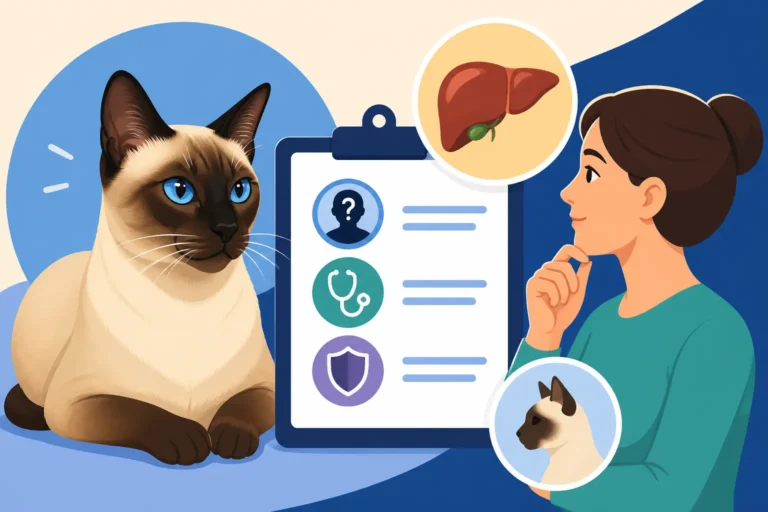
One of the most significant investments a reputable Siamese breeder makes is in comprehensive health screening for their breeding stock. This involves testing parents for genetic conditions known to affect the breed. For Siamese cats, a key concern is Progressive Retinal Atrophy (PRA), an inherited eye condition that can lead to blindness. Reputable breeders should have their cats tested for this, and you should inquire about the results. You can read more about PRA and the Siamese Cat Eye Test That Does Not Settle It to understand the complexities. While a DNA test for PRA exists for some cat breeds, its reliability for Siamese cats is still a topic of discussion among experts.
Another serious health concern in Siamese cats is Amyloidosis, a devastating inherited disease where abnormal protein deposits accumulate in organs, most commonly the liver or kidneys. This disease is particularly heartbreaking because it often strikes young cats and can be fatal. A responsible breeder will be transparent about their cattery's history with Amyloidosis and should be actively trying to prevent it, even though there is no direct DNA test for it currently available. Understanding What Amyloidosis Does to a Siamese Cat can help you appreciate why these discussions are vital. Breeders should also screen for other common feline health issues relevant to their location and breeding lines. The cost of these screenings is naturally factored into the kitten's price, but it's an investment in your cat's future health and longevity. It's crucial to know What a Siamese Cat Breeder Should Have Screened before committing to a purchase.
What a Kitten Contract Covers and Why It Matters
A well-drafted kitten contract is a hallmark of a responsible breeder and provides important protections for both the buyer and the cat. This legal document outlines the terms of sale, health guarantees, and often, expectations for the cat's future care. Typically, a contract will include a health guarantee, often covering the kitten for a specific period against life-threatening genetic defects. This means that if a severe hereditary condition surfaces within that timeframe, the breeder might offer a replacement kitten or a partial refund.
Most contracts for pet-quality kittens will also include a spay/neuter clause, requiring the new owner to have the kitten sterilized by a certain age. This is a critical component of responsible breeding, ensuring that pet-quality animals do not contribute to unplanned litters or the proliferation of genetic issues. Some contracts may also have clauses regarding diet recommendations, indoor-only living, or even a right of first refusal if the owner ever needs to rehome the cat. While it might seem like a lot of paperwork, this contract reflects the breeder's commitment to their kittens' welfare and provides you with recourse and peace of mind. It’s a sign that the breeder stands behind their animals and is invested in their long-term well-being.
Why Cheap Prices Often Signal Red Flags
It can be tempting to search for the lowest possible price when looking for a Siamese kitten, but a significantly discounted price should almost always be a major red flag. Ethical breeding is not cheap; between quality food, veterinary care, health screenings, proper facilities, and the time and effort invested in socialization, responsible breeders incur substantial expenses. When a kitten is offered at a price far below the average for the breed in your area, it often indicates corners have been cut.
These "backyard breeders" or "kitten mills" often skip essential health screenings, leading to kittens susceptible to genetic diseases like Amyloidosis Is the Disease That Kills Young Siamese Cats or other costly health problems. They may house cats in unsanitary conditions, leading to parasites or infectious diseases. Kittens might also be poorly socialized, resulting in behavioral issues that are difficult and expensive to correct later on. The initial savings from a cheap kitten can quickly be overshadowed by exorbitant vet bills or the emotional toll of a sick or ill-tempered cat. It's truly a case of "you get what you pay for," and prioritizing the lowest price can ultimately cost you much more in the long run, both financially and emotionally. For those with a more modest budget, looking into a Siamese rescue is a far safer and more ethical route.
Beyond the Purchase: Initial Setup Costs for Your Siamese
Once you've found your perfect Siamese companion, the financial journey has only just begun. Preparing your home for their arrival involves a number of essential purchases to ensure their comfort, safety, and well-being. These initial setup costs are a crucial part of budgeting for your new feline friend.
Essential Supplies for Welcoming Your New Cat Home
Bringing a new Siamese cat home means having all the necessities ready. The first items on your list will be food and water bowls. Stainless steel, ceramic, or glass are generally preferred as they are easy to clean and don't harbor bacteria like some plastic bowls can. Next, you'll need a litter box. Given the Siamese cat's clean nature, providing multiple boxes in different locations is often a good idea, especially in a multi-level home. Choosing the right litter is also important; while many types exist, a low-dust, unscented option is often best for sensitive feline respiratory systems and can even help prevent issues like Asthma in a Siamese Cat. For ideas, consider exploring brands available at pet retailers like Chewy, which offers a wide selection of cat supplies.
A comfortable bed or two will be appreciated, although many Siamese cats prefer to snuggle up with their humans. A secure cat carrier is absolutely non-negotiable for vet visits and any travel. Scratching posts or boards are essential for satisfying their natural urge to scratch and protecting your furniture; vertical and horizontal options are ideal. Finally, a variety of toys will be crucial for keeping their active and intelligent minds stimulated. Think about wand toys for interactive play, crinkle balls, and even puzzle feeders to engage their problem-solving skills. These initial purchases can add up, but they lay the foundation for a happy and healthy home environment.
First Vet Visits and Vaccinations
Even if your kitten comes with its first round of vaccinations, a prompt visit to your veterinarian shortly after bringing them home is crucial. This initial check-up allows your vet to assess their overall health, confirm they're free of parasites, and discuss a vaccination schedule tailored to your cat's specific needs and local risks. Kittens typically require a series of core vaccinations (like FVRCP – Feline Viral Rhinotracheitis, Calicivirus, and Panleukopenia) and often a rabies vaccine. Your vet will also discuss deworming and flea/tick prevention, which are ongoing costs.
For adult rescue Siamese cats, the initial vet visit is just as important. The vet will ensure all their vaccinations are up-to-date, perform a thorough physical exam, and potentially run blood tests to get a baseline understanding of their health. This initial veterinary care is a significant but unavoidable expense. It's an investment in preventative health that can help catch potential issues early, setting your Siamese up for a long and healthy life. Always factor in these initial medical expenses when budgeting for your new companion.
The Cost of Early Socialization and Enrichment
Siamese cats are renowned for their intelligence, high energy, and intense need for interaction. They are not content to simply lounge around; they thrive on mental and physical stimulation. This means investing in their enrichment from day one. Beyond basic toys, consider items like sturdy cat trees that allow them to climb and survey their territory from a height. Many Siamese adore vertical spaces, and a tall, multi-level cat tree can become their favorite spot. Puzzle feeders are also excellent for engaging their minds during mealtime, turning eating into a stimulating activity rather than a quick gobble.
The "cost" of socialization isn't always monetary but requires a significant time commitment. Consistent play sessions with wand toys, teaching tricks with a clicker, and providing plenty of human interaction are vital. However, you might also invest in items like harnesses and leashes if you plan to leash train your Siamese for supervised outdoor adventures, or a secure catio to give them safe outdoor access. Providing adequate enrichment helps prevent boredom-related behavioral issues, such as excessive vocalization or destructive tendencies, which can ultimately save you money on damaged property or behaviorist consultations.
Ongoing Monthly and Yearly Expenses for a Siamese Cat
The initial costs of buying and setting up for your Siamese cat are just the beginning. Owning one of these wonderful felines is a long-term commitment, and budgeting for their ongoing needs is essential for their health and happiness. These recurring expenses will form the bulk of your financial outlay over the many years you'll share with your companion.
Food and Nutrition: Keeping Your Siamese Healthy and Lean
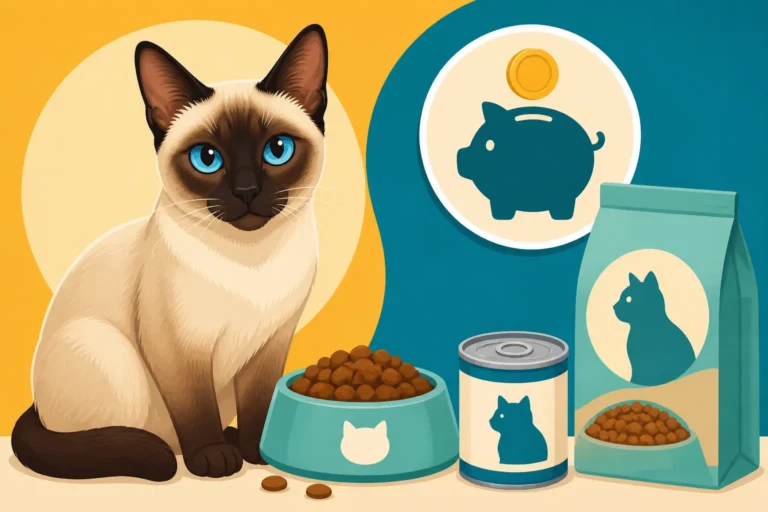
Feeding your Siamese cat a high-quality, balanced diet is paramount to their health. These cats are naturally lean and muscular, with a high metabolism, so they typically burn calories efficiently. However, that doesn't mean you can skimp on quality. Look for foods with high-quality animal protein as the primary ingredient. Many owners opt for a mix of wet and dry food, as wet food provides crucial hydration and can be helpful for urinary tract health.
While commercial kibble is convenient, some owners explore fresh food options, which can be tailored to a cat's specific needs. The cost of food will vary significantly based on the brand, type (wet, dry, fresh), and how much your individual cat eats. Remember that treats are also a part of the food budget, used for training or simply showing affection. It's a common misconception that a Siamese cat requires special “high-calorie” food simply because they are thin; consult your vet to ensure your cat is at a healthy weight and receiving appropriate nutrition, rather than overfeeding.
Routine Veterinary Care and Preventative Health
Annual wellness exams are a non-negotiable part of responsible Siamese cat ownership. During these visits, your veterinarian will perform a thorough physical examination, check for any changes in health, and administer booster vaccinations as needed. They'll also discuss ongoing parasite prevention, including treatments for fleas, ticks, and intestinal worms. As your Siamese ages, these annual check-ups become even more critical, allowing your vet to monitor for age-related conditions like kidney disease or hyperthyroidism.
Beyond the yearly exam, you'll need to budget for regular dental care. Siamese cats are particularly prone to Dental Disease in a Siamese Cat, including gingivitis and tooth resorption, which can lead to painful extractions if not addressed. Regular professional dental cleanings under anesthesia can be a significant expense but are vital for preventing pain and other health complications. Your vet can advise on how often your specific cat might need these procedures. The cumulative cost of these routine preventative measures might seem high, but they are crucial for detecting problems early and maintaining your cat's overall health, ultimately reducing the likelihood of more expensive emergency treatments.
Litter, Grooming, and Other Daily Necessities
The cost of cat litter is a consistent monthly expense. There's a wide variety of litter types available, from clay to silica gel to natural options like corn or pine. The best choice for your Siamese may depend on their preference and any sensitivities they have. For instance, if your Siamese is prone to asthma, choosing Which Litter Suits an Asthmatic Siamese Cat with minimal dust is paramount. The number of litter boxes you have and how frequently you scoop and change the litter will also influence your overall spend.
Grooming a Siamese cat is relatively low-maintenance due to their short, fine coat, but they still benefit from weekly brushing to remove loose hair and keep their coat sleek. This means a one-time purchase of a good quality grooming glove or soft brush. Nail trims are another ongoing need, which you can learn to do at home or have your vet or groomer handle during visits. Don't forget other miscellaneous items like replacement toys, scratching posts that wear out, and perhaps enzymatic cleaners for any accidents outside the litter box. While individually these items might not seem like much, they are regular expenses that add up over time.
Unexpected Costs and Long-Term Financial Considerations
While routine care covers a lot, the reality of pet ownership often includes unforeseen circumstances. Siamese cats, like all breeds, have certain predispositions to health issues that can lead to significant, unbudgeted expenses. Planning for these possibilities is a crucial aspect of responsible ownership.
Health Issues: When Things Go Wrong
Despite the best breeding practices and preventative care, health issues can arise. Siamese cats are known to be prone to specific conditions. As mentioned, Amyloidosis is a serious concern, and if a Siamese cat's liver ruptures due to this disease, emergency intervention is required. Understanding How a Vet Stabilizes a Bleeding Siamese Cat highlights the complexity and potential cost of such a crisis. Other conditions like asthma, which can manifest with sudden attacks, may require emergency veterinary care, including oxygen therapy and medication.
Beyond these, Siamese cats can also develop issues like hyperthyroidism or kidney disease as they age, requiring ongoing medication, special diets, and frequent veterinary monitoring. Some Siamese cats are also known for pica, specifically wool sucking, which can sometimes lead to intestinal blockages requiring expensive emergency surgery. Why a Siamese Cat Sucks Wool explains more about this behavior. These medical emergencies and chronic conditions can quickly accumulate into bills costing thousands, creating immense financial stress if you're unprepared.
Insurance: A Lifeline for Unexpected Vet Bills
Given the potential for unexpected health issues and the high cost of modern veterinary medicine, pet insurance has become an invaluable tool for many Siamese cat owners. Pet insurance policies typically work by reimbursing you for a percentage of your veterinary bills after you've paid a deductible. They can be a true lifeline when a sudden illness or accident strikes, preventing you from having to make difficult financial decisions about your cat's care.
There are various types of policies available, from accident-only coverage to comprehensive plans that include illness, emergency care, and sometimes even wellness benefits. Companies like Healthy Paws offer different options, and it's essential to research what each policy covers, including any breed-specific exclusions or waiting periods. While pet insurance is an additional monthly or annual expense, it can provide immense peace of mind, knowing that you'll be able to afford the best possible care for your Siamese cat should they need it. It truly transforms what could be a catastrophic financial event into a manageable one.
The True Lifetime Cost of a Siamese Cat
When you consider all the factors – the initial purchase, setup costs, ongoing food, litter, routine vet care, and the potential for unexpected medical emergencies – the true lifetime cost of owning a Siamese cat is substantial. These intelligent and affectionate companions often live for The Fifteen to Twenty Years a Siamese Cat Gets, meaning you're looking at a multi-decade financial commitment. Every year, those monthly expenses add up, and then you factor in potential large veterinary bills, specialized diets in old age, or increased care for senior cats.
It's a mistake to only consider the initial purchase price. A more realistic approach is to consider the total investment over their entire lifespan. While it's impossible to give an exact figure, understanding What a Siamese Cat Costs Over Twenty Years involves imagining a long trajectory of consistent care, love, and financial responsibility. This long-term perspective helps potential owners fully appreciate the dedication required and allows them to prepare adequately for all the financial aspects of bringing one of these magnificent cats into their home. The deep bond and endless companionship a Siamese cat provides are, of course, priceless, but the financial realities require careful planning.
Disclaimer
This article is for general informational purposes only and does not constitute professional advice. Laws, prices and regulations vary by location and change over time. Consult a qualified professional for guidance on your specific situation.