What a Litter Box for a Siamese Cat Costs
Bringing a Siamese cat into your life is an absolute joy, but it also comes with a host of practical considerations, and one of the most fundamental is where they'll do their business. You might think a litter box is just a litter box, but for a discerning feline like a Siamese, and for your wallet, there's a surprising amount to unpack beyond just the initial purchase price. This guide will walk you through the various costs associated with providing the perfect potty setup for your talkative companion, from the box itself to the litter and accessories.
The Upfront Cost of Litter Boxes: More Than Just a Basic Pan
When you're welcoming a new Siamese, you'll quickly realize that initial setup costs can add up. The litter box itself is a foundational piece of this puzzle, and its price can vary wildly depending on the type and features you opt for. It's not just about getting a box; it's about getting the right box for your cat and your home.
Basic Pans and Covered Boxes
At the entry-level, you have the classic open litter pan. These are typically the most budget-friendly option, often made of simple plastic, and can be found almost anywhere cat supplies are sold. They're straightforward, easy to clean, and don't require any special setup. For some Siamese cats, especially those who prefer an unobstructed view of their surroundings, an open pan might be perfectly acceptable. However, they offer no odor control beyond what the litter itself provides and can result in more scattered litter around the area.
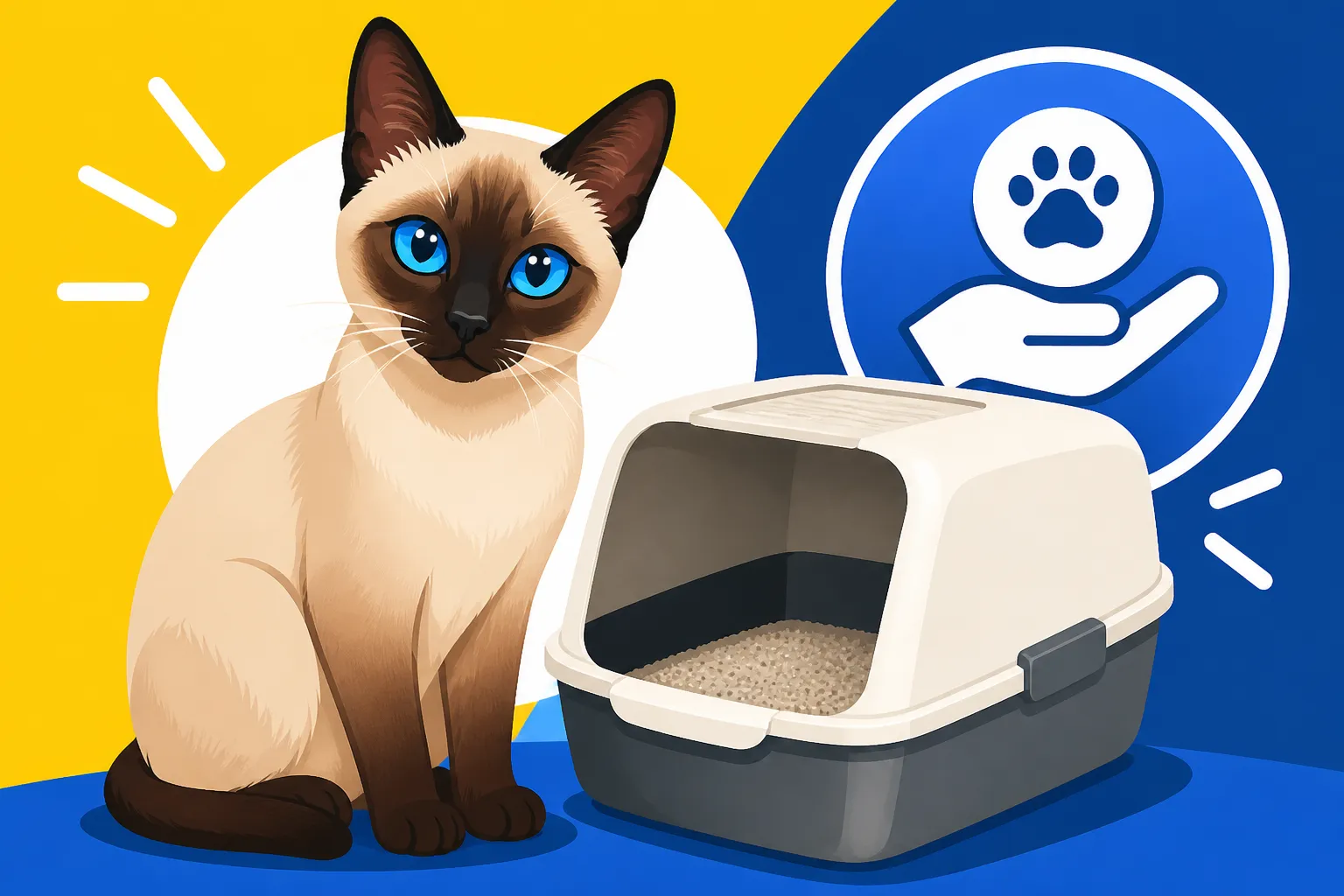
Moving up slightly, covered litter boxes offer a bit more privacy for your cat and help contain odors and litter scatter. These usually consist of a base pan with a hooded top, often featuring a small swinging door. They're still relatively affordable compared to more advanced systems, but you'll notice a slight increase in price. The benefit here is a tidier appearance and better odor retention, which can be a real blessing given how fastidious Siamese cats tend to be. However, some cats dislike the enclosed space, and it's crucial to clean them more frequently as the confined air can concentrate odors, making it unpleasant for your sensitive Siamese. You might find a good selection of these on sites like Chewy, offering various sizes and designs to suit different preferences.
Self-Cleaning and High-Tech Solutions
For those looking for convenience and willing to invest more upfront, automatic or self-cleaning litter boxes are a game-changer. These devices typically use sensors to detect when your cat has used the box, then automatically rake or sift the waste into a sealed compartment. The initial cost for these systems can be considerably higher than traditional boxes, representing a significant investment right off the bat. However, they promise reduced scooping frequency and often superior odor control, which can be a huge time-saver and benefit to households where smell is a major concern.
There are various technologies at play here, from raking systems that push waste into a tray, to rotating globes that sift it out, and even some that wash and dry the litter granules. While the technology is impressive, it's worth considering the ongoing cost of proprietary waste bags or cartridges that many of these systems require. These add a regular expense that you wouldn't have with a basic pan. Always research the specific model's requirements before committing, because what seems like a one-time purchase actually includes a hidden subscription for supplies. For some Siamese owners, the luxury of fewer scooping duties and a consistently fresh box is well worth the extra expense, especially if they are frequently away from home for short periods.
Here's a quick comparison of typical litter box types:
| Feature | Basic Open Pan | Covered Box | Self-Cleaning System |
|---|---|---|---|
| Initial Cost | Minimal | Moderate | Significant |
| Odor Control | Poor (depends on litter) | Fair (contains some) | Good to Excellent (seals waste) |
| Litter Scatter | High | Low to Moderate | Low |
| Privacy | None | Good | Good |
| Cleaning Effort | Manual scooping required | Manual scooping required | Automatic (occasional emptying) |
| Ongoing Costs | Litter only | Litter only | Litter + proprietary waste bags/filters |
The Ongoing Cost of Litter: A Monthly Necessity
Beyond the initial purchase of the litter box itself, the single largest recurring expense for your Siamese's potty needs will be the litter. This isn't a one-and-done purchase; it's a monthly, sometimes bi-weekly, commitment. The type of litter you choose, how many cats you have, and your cleaning habits all play a significant role in this ongoing cost.
Different Litter Types and Their Price Points
There's a vast array of cat litters on the market, each with its own benefits and price tag. The most common type is clay litter, which comes in both clumping and non-clumping varieties. Clumping clay litter is generally favored by many owners because it forms solid clumps when wet, making it easy to scoop out waste and leaving the rest of the litter clean. It's often quite affordable, especially when bought in larger quantities. Non-clumping clay litter is usually the cheapest option, but it requires more frequent full litter box changes as it doesn't isolate waste as effectively.
Then you have alternative litters, which often come with a higher price point but offer different advantages. Silica gel litter, for instance, is highly absorbent and excellent at odor control, and a single fill can last a month for one cat. While the upfront cost per bag is higher, you might use less of it over time. Wood, paper, and corn-based litters are other popular choices. These are often marketed as more eco-friendly, lighter, and sometimes better for cats with sensitivities. If your Siamese has respiratory issues, a low-dust option might be essential, even if it costs a bit more. Which Litter Suits an Asthmatic Siamese Cat is a good read if you're concerned about your cat's breathing. These specialty litters typically cost more per pound than basic clay, so factoring that into your monthly budget is crucial.
Factors Influencing Litter Consumption
Several factors will dictate how much litter you go through and, consequently, your monthly expenditure. Firstly, the number of cats in your household is a big one. The general rule of thumb is one litter box per cat, plus one extra, but even with multiple boxes, more cats mean more waste and more litter consumed. If you have two vocal Siamese cats, you'll naturally be buying more litter than if you only have one. You can learn more about managing multiple boxes by reading How Many Litter Boxes a Siamese Cat Household Needs.
Secondly, your cleaning schedule significantly impacts litter consumption. If you're diligent about scooping daily, you'll extend the life of your litter and need to do full changes less often. If you let it go for a few days, odors can build up, and you might feel compelled to dump and refill the entire box sooner, leading to higher litter usage. The size of your litter box also plays a role; larger boxes require more litter to fill to an adequate depth, which is usually at least 3-4 inches to allow for proper digging and burying. Retailers like Chewy often have bulk options for litter, which can help mitigate costs over time by reducing the per-pound price.
Accessories and Maintenance: The Hidden Costs
The litter box and the litter itself are just the beginning. To maintain a clean, hygienic, and inviting space for your Siamese, you'll need various accessories and tools, each contributing to the overall cost of ownership. These might seem like small purchases individually, but they certainly add up over time.
Scoopers, Liners, and Odor Control Products
A sturdy litter scoop is non-negotiable. While a basic plastic scoop is very inexpensive, many owners find that a metal scoop or a more ergonomic plastic design is worth the slightly higher price tag for durability and ease of cleaning. You'll likely go through a few plastic ones over the years, so investing in a good quality one upfront can save money and frustration.
Litter box liners are another common accessory. These plastic bags fit inside the litter box, making it easier to dump out old litter and clean the box. While they add a recurring cost, many find them invaluable for hygiene and convenience. Some brands offer scented liners, which can contribute to odor control, but always be mindful of strong scents, as some Siamese cats are sensitive to them and might avoid the box.
Speaking of odor control, many products exist to help keep your home smelling fresh. These include litter deodorizers, which you can sprinkle into the litter, and air fresheners designed for pet odors. While not strictly necessary, they can be a lifesaver in multi-cat households or smaller living spaces. However, be cautious with strong chemicals or perfumes, as these can irritate your Siamese's sensitive respiratory system. Good ventilation and frequent scooping are often the best "odor control products" you can invest in, along with ensuring you have a quality litter.
Cleaning Supplies and Replacement Parts
Maintaining a clean litter box area involves more than just scooping. You'll need cleaning supplies to regularly wash the litter box itself. This includes pet-safe cleaners, sponges, and gloves. A thorough scrub with soap and water is recommended every time you change out all the litter, which could be every few weeks to once a month, depending on the litter type and number of cats. These general household cleaning supplies contribute to your overall pet budget.
For self-cleaning litter boxes, you might also face costs for replacement parts. Motors can wear out, rakes can break, and filters often need regular changing. These parts can sometimes be expensive and might only be available directly from the manufacturer. This is another area where the long-term cost of a high-tech solution can creep up on you. Always check the availability and price of common replacement parts when considering an automatic litter box.
It's also worth remembering that while you're focused on the litter box, the overall health of your Siamese cat will impact your finances in many ways. Regular vet visits are key to preventive care, and while a litter box is a fixed cost, health emergencies can be unpredictable. That's where pet insurance, from providers like Healthy Paws, can come in, helping to manage those unforeseen veterinary expenses. Understanding the full financial commitment, including vet care, is important for any Siamese owner. What a Siamese Cat Costs Over Twenty Years gives a broader perspective on lifetime expenses.
Budgeting for Your Siamese Cat's Litter Needs
Understanding the various costs associated with your Siamese cat's litter box setup is essential for responsible pet ownership. It’s not just the initial sticker price; it’s the ongoing commitment to providing a clean, comfortable, and healthy environment.
Estimating Monthly and Yearly Expenses
To get a realistic picture, consider breaking down your litter-related expenses into monthly and yearly estimates. Start with your chosen litter type: how many pounds do you use per month? Multiply that by the cost per pound. Then, add in any recurring costs like liners or proprietary waste cartridges for automatic boxes. Don't forget to factor in an occasional replacement scoop or cleaning supplies.
For a single Siamese cat, using a clumping clay litter, your monthly litter cost might be on the lower end, while a multi-cat household using specialty silica gel or an automatic system could see significantly higher recurring expenses. It's often helpful to keep a small buffer in your pet budget for unexpected needs, such as trying a new litter type if your cat develops an allergy or preference change. Overall, while a Siamese cat might seem expensive initially, considering What a Siamese Cat Costs to Buy in 2026 and What the First Year With a Siamese Cat Costs, budgeting for these essentials makes ownership much smoother.
Tips for Saving Money Without Compromising Care
While quality care for your Siamese is paramount, there are smart ways to manage litter-related costs. Buying litter in bulk from online retailers like Chewy or local pet stores can often lead to substantial savings. Watch for sales and loyalty programs, which can further reduce your expenditure. Consider trying store-brand litters, as many are comparable in quality to national brands but come at a lower price point.
Maintaining a strict daily scooping routine is perhaps the most effective way to make your litter last longer and reduce odors, thus extending the time between full litter changes. This not only saves you money on litter but also contributes to a healthier environment for your cat, potentially preventing stress-related issues that could lead to vet visits. You might find that investing in a good quality, non-automatic box that's easy to clean regularly is a better long-term financial strategy than a costly automatic system with expensive refill requirements.
Remember, a happy cat is a healthy cat, and a clean litter box contributes significantly to their well-being. Investing in a good diet also supports their overall health, which in turn can impact their litter box habits and even the odor of their waste. While these costs can seem overwhelming at times, the companionship and joy a Siamese cat brings are, for most of us, utterly priceless. Whether a Siamese Cat Is Worth the Money is a question many owners answer with a resounding yes.
Disclaimer
This article is for general informational purposes only and does not constitute professional advice. Laws, prices and regulations vary by location and change over time. Consult a qualified professional for guidance on your specific situation.