How Long a Siamese Cat PRA Test Result Takes
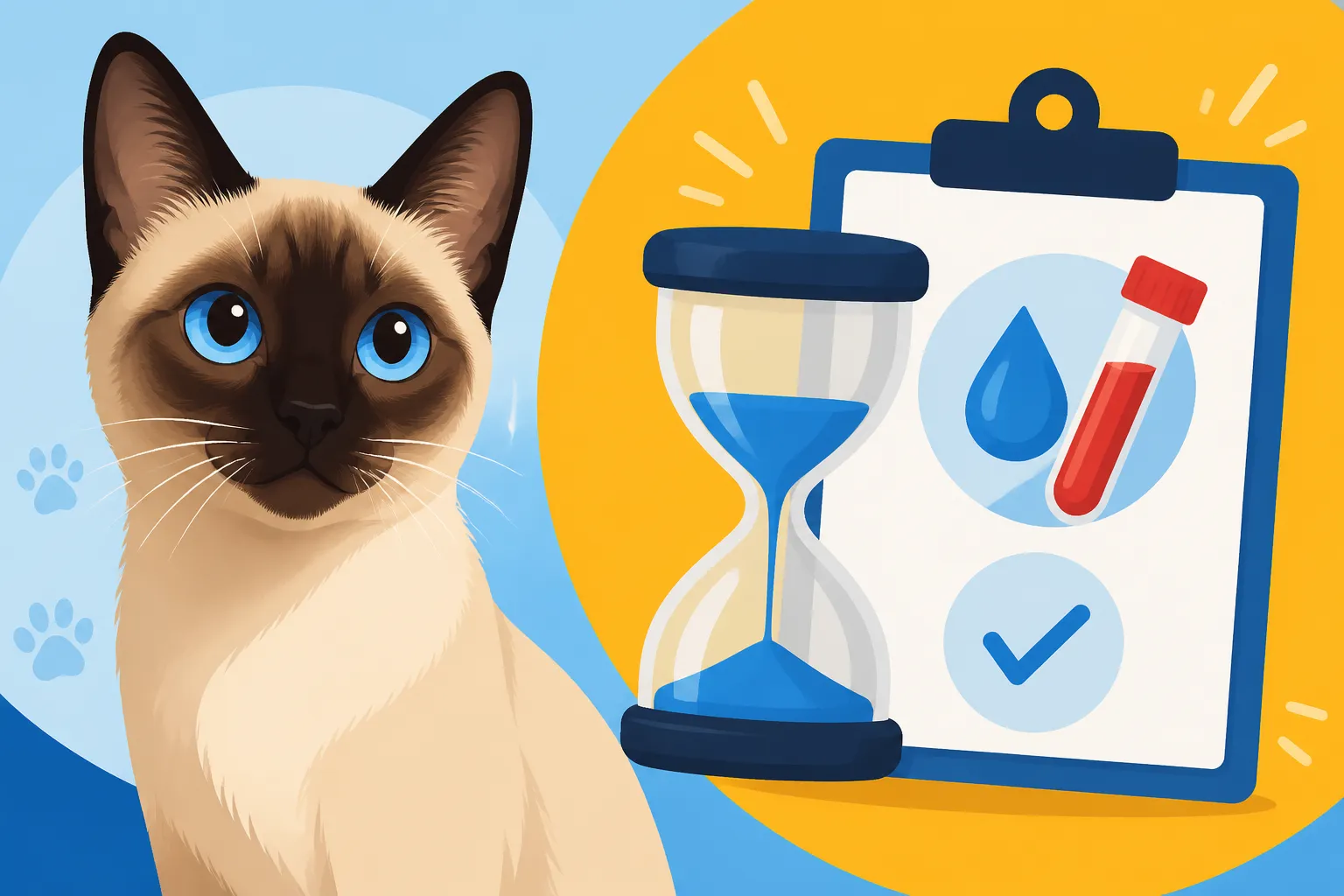
It's completely understandable to feel a knot of anxiety in your stomach once you've sent off a sample for your beloved Siamese cat's Progressive Retinal Atrophy (PRA) test. Every day that passes without results can feel like an eternity, leaving you wondering if your precious feline friend is facing a significant health challenge. This guide is here to walk you through the typical timeline of a Siamese cat PRA test, from the moment you collect the sample to when those crucial results land in your inbox, helping you set realistic expectations and ease some of that waiting stress.
Understanding the Siamese Cat PRA Test Process
When you're dealing with a genetic condition like Progressive Retinal Atrophy, knowing the full journey of the test can make the waiting a little less opaque. It's not just a matter of sending something off and getting a result back; there are several distinct stages, each with its own timeline, that contribute to the overall wait. This isn't like sending a regular letter where you expect it in a few days; genetic testing involves intricate lab work.
The Initial Steps: Ordering and Sample Collection
Before any lab can even begin to analyze your Siamese cat's DNA, you first need to get the process started on your end. This typically involves ordering a specialized testing kit. Many reputable veterinary genetic testing labs offer these kits directly to pet owners or through veterinarians. Sometimes, your breeder might facilitate this if you're testing a new kitten, or you might find them on pet supply websites like Chewy that partner with testing services.
Once the kit arrives, the real work for you begins: collecting the sample. For DNA tests like the PRA test, this usually means a simple cheek swab. The kit will contain sterile swabs and detailed instructions. It’s absolutely crucial to follow these instructions precisely. A poorly collected sample – perhaps not enough cells, or contamination with food or other animals' DNA – can delay the entire process because the lab might reject it or request a new one, adding weeks to your wait. I've heard countless stories from owners who, in their eagerness, rushed this step, only to have to redo it. Take your time, get a clear swab, and make sure your Siamese cat hasn't just eaten or licked another cat. Your vet can also assist with or verify proper sample collection if you're unsure, which can be a huge relief and prevent unnecessary delays. For more on the condition itself, you might want to read What PRA Does to a Siamese Cat's Sight.
Shipping the Sample to the Lab
After you've carefully collected your Siamese cat's DNA sample and secured it in the provided packaging, the next step is shipping it off to the designated laboratory. This part of the journey is largely out of your hands, but it’s a critical component of the overall timeline. The method of shipping you choose, or that is provided with your kit, can significantly impact how quickly your sample reaches its destination. Standard mail, while often the most economical, can take several business days, especially if it's traveling across state lines or even internationally. Expedited shipping services, on the other hand, might get your sample there in just a day or two, but they usually come with a higher price tag.
Beyond the shipping method, external factors can also throw a wrench in the works. Holidays, for instance, are notorious for causing postal delays, as are weekends when mail services might operate on a reduced schedule. Imagine sending your sample on a Friday, only for it to sit in a sorting facility until Monday morning. Weather events, too, can disrupt transportation networks, meaning your precious sample could be grounded longer than anticipated. It's a frustrating but unavoidable reality that these external variables contribute to the waiting game. Understanding these potential delays can help you manage your expectations and avoid unnecessary worry during this initial leg of the test's journey.
Typical Lab Processing Times for Siamese Cat PRA DNA Tests
Once your Siamese cat's DNA sample finally reaches the laboratory, the next phase, which is arguably the most impactful on your waiting time, begins: the actual lab processing. This isn't a single, instantaneous event; it's a multi-stage workflow, and each step requires precision and time.
The Laboratory Workflow
At the lab, your Siamese cat's sample embarks on a fascinating, albeit time-consuming, journey through various scientific processes. First, there's the check-in phase, where the sample is logged into the lab's system, assigned a unique identifier, and visually inspected for quality. If the sample isn't up to par – perhaps it's contaminated or there's not enough genetic material – this is where it might be flagged for re-submission, leading to a significant delay right off the bat.
Assuming the sample passes inspection, the next crucial step is DNA extraction. This involves a series of chemical reactions to isolate the pure DNA from the cells collected on the swab. This can take several hours, sometimes even a full day, depending on the extraction method and the number of samples being processed simultaneously. Following extraction, the DNA is amplified, creating millions of copies of the specific gene regions associated with PRA. This ensures there's enough material for accurate analysis. Finally, the amplified DNA undergoes sequencing or other analytical techniques to identify the specific genetic markers related to Progressive Retinal Atrophy. This is where the lab determines if your Siamese cat carries the gene, is affected by it, or is clear. Each of these steps requires specialized equipment, trained technicians, and careful quality control.
The sheer volume of samples a lab handles can also play a huge role. A smaller, specialized lab might have a more consistent flow, while a larger, more generalized genetics lab might experience peaks and troughs in demand. They are dealing with a specific genetic marker, like the one explored in Which Gene Causes PRA in a Siamese Cat, so precision is paramount.
Factors Influencing Turnaround Time
Several factors can influence how quickly a lab processes your Siamese cat's PRA test. One major aspect is whether the lab operates on a batch processing system. Many labs accumulate a certain number of samples before running them all at once to optimize resources. If your sample arrives just after a batch has been started, it might sit in queue until the next batch is ready, potentially adding days to your wait.
Staffing levels and equipment availability are also significant. A lab that's fully staffed and has all its machines running optimally will naturally process samples faster than one experiencing staff shortages or equipment downtime. You can imagine the frustration if your sample is stuck behind a broken machine! The quality of the sample itself, as mentioned earlier, is paramount. A degraded or insufficient sample might require repeat testing or further purification, pushing your timeline back considerably.
Furthermore, unexpected backlogs can occur, especially during peak seasons – think around major cat show circuits when breeders are getting their cats tested en masse, or even simply after a popular mention of genetic testing online. While most labs strive for efficiency, these unforeseen circumstances can stretch standard turnaround times. Some labs understand the urgency and offer expedited services for an additional fee. This might get your results back in a fraction of the usual time, but it's an option you'd need to explore directly with the testing provider. It's also worth noting that specific genetic tests, like those related to Whether the CEP290 Test Covers Siamese Cats, might have different processing complexities.
Here's a general idea of how the timeline might break down for a Siamese Cat PRA test:
| Stage | Estimated Timeframe | Potential Factors Influencing Delay |
|---|---|---|
| Ordering Kit & Delivery | 2-7 business days | Shipping method, geographical distance, holidays, supplier stock |
| Sample Collection | 1 day (by owner/vet) | Owner availability, vet appointment scheduling, sample quality |
| Shipping to Lab | 2-10 business days | Shipping method (standard vs. express), geographical distance, weather, holidays |
| Lab Check-in & Pre-prep | 1-2 business days | Lab workload, sample quality issues |
| DNA Extraction & Prep | 1-3 business days | Lab workload, batching schedule, sample complexity |
| Analysis (PCR/Sequencing) | 3-7 business days | Lab workload, equipment availability, specific test complexity |
| Results Review & Report | 1-3 business days | Lab workload, quality control, report generation |
| Results Delivery | 1-3 business days | Email system, online portal speed, mail service |
| Total Estimated Time | 2-6 weeks (average) | All factors combined, can be shorter or longer |
Note: These are general estimates and actual times can vary widely between different laboratories and circumstances.
Receiving and Interpreting Your Siamese Cat's PRA Test Results
The moment you've been waiting for, or perhaps dreading, is finally here: the arrival of your Siamese cat's PRA test results. Understanding how these results are delivered and, more importantly, what they mean, is the final piece of this puzzle.
How Results Are Delivered
Most modern genetic testing laboratories utilize efficient methods for delivering results. The most common is electronic delivery, typically via email. You might receive a direct email with a PDF attachment of the report, or you could get a notification prompting you to log into a secure online portal where you can access and download your cat's results. Some labs still offer the option of mailing a physical report, which naturally adds a few more days to your wait.
The path the results take can also depend on who initially submitted the sample. If your veterinarian submitted the sample on your behalf, they might receive the results first, and then communicate them to you. Similarly, if your breeder initiated the test for a kitten, the results might go to them. It's always a good idea to clarify this delivery protocol when you first order the test, so you know exactly where and when to expect the news. This transparency helps avoid the frustrating experience of checking your email every five minutes only to find the results were sent to someone else!
What the Results Mean: Clear, Carrier, or Affected
Once you have the results in hand, whether it's an email attachment or a printed document, the real task is to understand what those scientific terms actually signify for your Siamese cat. Genetic PRA test results typically fall into one of three categories:
- Clear: This is the best possible outcome. A "clear" result means your Siamese cat does not carry the gene mutation associated with PRA. They cannot develop the disease themselves due to this specific genetic mutation, nor can they pass it on to any offspring. It offers immense peace of mind.
- Carrier: A "carrier" result indicates that your Siamese cat possesses one copy of the gene mutation for PRA. While they carry the gene, they will not develop the disease themselves because PRA is generally a recessive genetic condition, meaning two copies of the mutated gene are needed for the disease to manifest. However, a carrier cat can pass that gene on to their kittens. This is crucial information for breeders, as breeding two carriers together can produce affected offspring. You might be interested in learning Whether a PRA Carrier Siamese Cat Goes Blind.
- Affected: An "affected" result means your Siamese cat has two copies of the gene mutation responsible for PRA and will likely develop the disease, or is already showing signs. This is, understandably, the most concerning outcome. For pet owners, this means preparing for eventual vision loss and consulting with your veterinarian about supportive care. For breeders, it means the cat should not be used for breeding to prevent further spread of the genetic condition. Understanding How Two Carrier Siamese Cats Produce a Blind Kitten highlights the significance of these results for responsible breeding.
It's vital to discuss these results with your veterinarian or a knowledgeable Siamese cat breeder. They can provide context, explain the implications for your individual cat's health, and guide you on any necessary next steps, whether that's regular eye exams, lifestyle adjustments, or breeding decisions. They might also suggest watching for Signs a Siamese Cat Is Going Blind.
Managing Expectations and Follow-Up
The waiting period for genetic test results is tough, and once you have them, there's still the emotional and practical work of understanding what comes next. Having a plan for follow-up and knowing how to interpret the results can make a significant difference.
When to Follow Up and Who to Contact
While labs provide estimated turnaround times, sometimes things don't go according to plan. If you've passed the maximum estimated timeframe (say, six weeks) and still haven't received any news, it's absolutely appropriate to follow up. Don't stew in silence. The first point of contact should generally be whoever submitted the sample – your veterinarian or breeder. They often have direct lines of communication with the lab and can inquire about the status on your behalf. If you submitted the sample directly, you should contact the lab's customer service. Be prepared with your unique sample ID or order number, which would have been provided when you initially sent in the kit. Patience is a virtue, but persistence is key when you're feeling unheard.
Sometimes, a delay might indicate a problem, such as a lost sample or an issue with the DNA quality requiring re-submission. While frustrating, it's better to know so you can take corrective action rather than waiting indefinitely. It's all part of the journey to ensure How Healthy the Siamese Cat Actually Is.
Planning Ahead with PRA Results
The results of your Siamese cat's PRA test have significant implications for their future, whether they're clear, a carrier, or affected. For breeders, these results are paramount for making informed and ethical breeding decisions. A cat that tests as "affected" should not be bred, and careful consideration must be given to breeding "carriers" to ensure they are only paired with "clear" mates to avoid producing affected kittens. This responsible approach helps to reduce the prevalence of PRA within the Siamese cat population. Breeder responsibility also means understanding What a Siamese Cat Breeder Should Have Screened.
For pet owners, a “clear” result offers peace of mind regarding PRA, though it doesn't preclude other health issues. A “carrier” result for a pet Siamese cat means little impact on their personal health, but it's important information to have for their history. An “affected” result, however, requires a proactive approach to your cat's care. This might involve regular check-ups with a veterinary ophthalmologist, creating a safe and predictable home environment as vision deteriorates, and being mindful of your cat's changing needs. While there's currently no cure for PRA, knowing the diagnosis allows you to plan for supportive care and ensure your beloved Siamese has the best possible quality of life. Thinking about overall health, ensuring your Siamese cat has a high-quality diet can contribute to their well-being regardless of genetic predispositions. You'll want to be vigilant for The Age a Siamese Cat First Loses Night Vision if your cat tests as affected.
Disclaimer
This article is for general informational purposes only and does not constitute professional advice. Laws, prices and regulations vary by location and change over time. Consult a qualified professional for guidance on your specific situation.