Whether a Rescue Siamese Cat Has Been Dentaled
Bringing a rescue Siamese cat into your home is such a compassionate, rewarding experience. But let's be real, it often comes with a whole lot of questions and sometimes, a little anxiety about their past. One of the biggest worries many new rescue parents have is about their new companion's health history, especially an often-overlooked area: their dental health. It's frustrating when you don't know what kind of care they've received, and this guide aims to shed some light on whether your rescue Siamese might have had a dental check-up or cleaning before coming home with you, and what to do next.
The Realities of Rescue Dental Care for Siamese Cats
When you adopt a Siamese cat from a rescue, you're embracing a fantastic individual, but you're also often stepping into an unknown health history. Unlike a kitten from a reputable breeder who provides a detailed health record and often a vet check-up, rescue cats, by their very nature, have a past that might be a mystery. Dental care is a prime example of an area where rescue organizations do their best, but their capabilities can vary wildly.
What Rescue Organizations Typically Provide
Most reputable rescue organizations are deeply committed to the well-being of the animals in their care. This usually means a basic veterinary check-up upon intake. This initial examination generally includes:
- Overall Health Assessment: A vet will look for obvious signs of illness, injury, or parasites.
- Vaccinations: Cats are typically brought up to date on core vaccinations.
- Spay/Neuter: Almost all rescues ensure cats are spayed or neutered before adoption.
- FIV/FeLV Testing: These crucial tests check for common viral infections.
During this initial exam, a vet will likely do a quick visual check of the cat's mouth. They'll look for glaring issues like missing teeth, severe gingivitis, or obvious signs of infection. If something is visibly and acutely painful or poses an immediate health risk, the rescue will often prioritize that treatment. However, a full dental cleaning, which involves anesthesia, X-rays, and scaling below the gumline, is a significant undertaking. It's not always part of the standard initial health package unless severe problems are detected and the rescue has the resources to address them. Many rescues operate on shoestring budgets and rely heavily on donations, making extensive, routine dental procedures a challenge.
Why Comprehensive Dental Work Is Not Always Standard
It's easy to assume every rescue cat receives a full dental, but the reality is complex. Think about it from a rescue's perspective: they have countless animals needing care, and their funds are always stretched thin. They prioritize life-saving procedures, critical vaccinations, and spay/neuter operations. A routine dental cleaning, while incredibly important for long-term health, might be considered elective unless the cat is in severe pain or has an active infection that could spread.
- Cost: Dental procedures, especially with anesthesia, can be expensive. X-rays, extractions, and post-op medication add up quickly. A rescue might have to choose between a full dental for one cat or several rounds of vaccinations for a whole litter of kittens.
- Anesthesia Risk: Any time a cat goes under anesthesia, there's a risk. Rescues often take in cats of unknown age and health status, making them more cautious about elective procedures that require sedation, especially for older cats or those with pre-existing conditions.
- Limited Resources: Many rescues rely on volunteer vets or partner clinics that offer discounted services. These clinics often have limited slots for non-emergency procedures.
This isn't to say rescues never provide dentals. If a cat comes in with severe dental disease impacting its ability to eat, causing chronic pain, or leading to systemic infection, a good rescue will absolutely advocate for and provide that necessary treatment. They want their cats to be healthy and adoptable. But for a cat with mild to moderate tartar buildup, it might be something that falls to the adopter to address. You might even find some larger, well-funded rescues proudly advertising that all their older cats receive a full dental. It truly varies.
How to Determine Your Rescue Siamese Cat's Dental History
You’ve brought your gorgeous Siamese home, and you’re wondering about their teeth. It’s natural to want to know, and thankfully, there are several ways to get a better understanding of their oral health.
What to Ask the Rescue Organization
The best place to start is always with the source! Don't be shy about asking direct questions about your Siamese cat's dental history. Most rescues are transparent and will provide all the information they have.
- "Was a vet exam performed? Did it include a dental check?" This is a basic question. Many vet checks include a quick peek in the mouth.
- "Were any specific dental issues noted during their intake exam?" They might tell you if there was severe gingivitis, a broken tooth, or an infection that required immediate attention.
- "Has my cat ever had a professional dental cleaning or extractions while in your care?" This is the most direct question. If the answer is yes, they should have documentation, possibly including dental charts or notes from the procedure.
- "Do you have any records from previous owners (if applicable) that might mention dental care?" Sometimes, if a cat was surrendered, the previous owner might have shared vet records.
- "What is your general policy on dental care for rescue cats?" This helps you understand their typical practices and resource limitations.
It’s completely acceptable to ask for copies of your cat's veterinary records. This is invaluable information not just for dental health, but for their entire medical history. You can then take these records to your own veterinarian. Whether a Rescue Siamese Cat Has Any History is a good read if you're curious about the general information rescues can provide.
Signs of Dental Issues You Can Observe
Even without a detailed history, you can often spot signs of dental trouble in your Siamese cat. Remember, cats are masters at hiding pain, so you need to be observant.
- Bad Breath: This is often the most noticeable sign. While no cat's breath smells like roses, truly foul breath can indicate infection or severe plaque buildup.
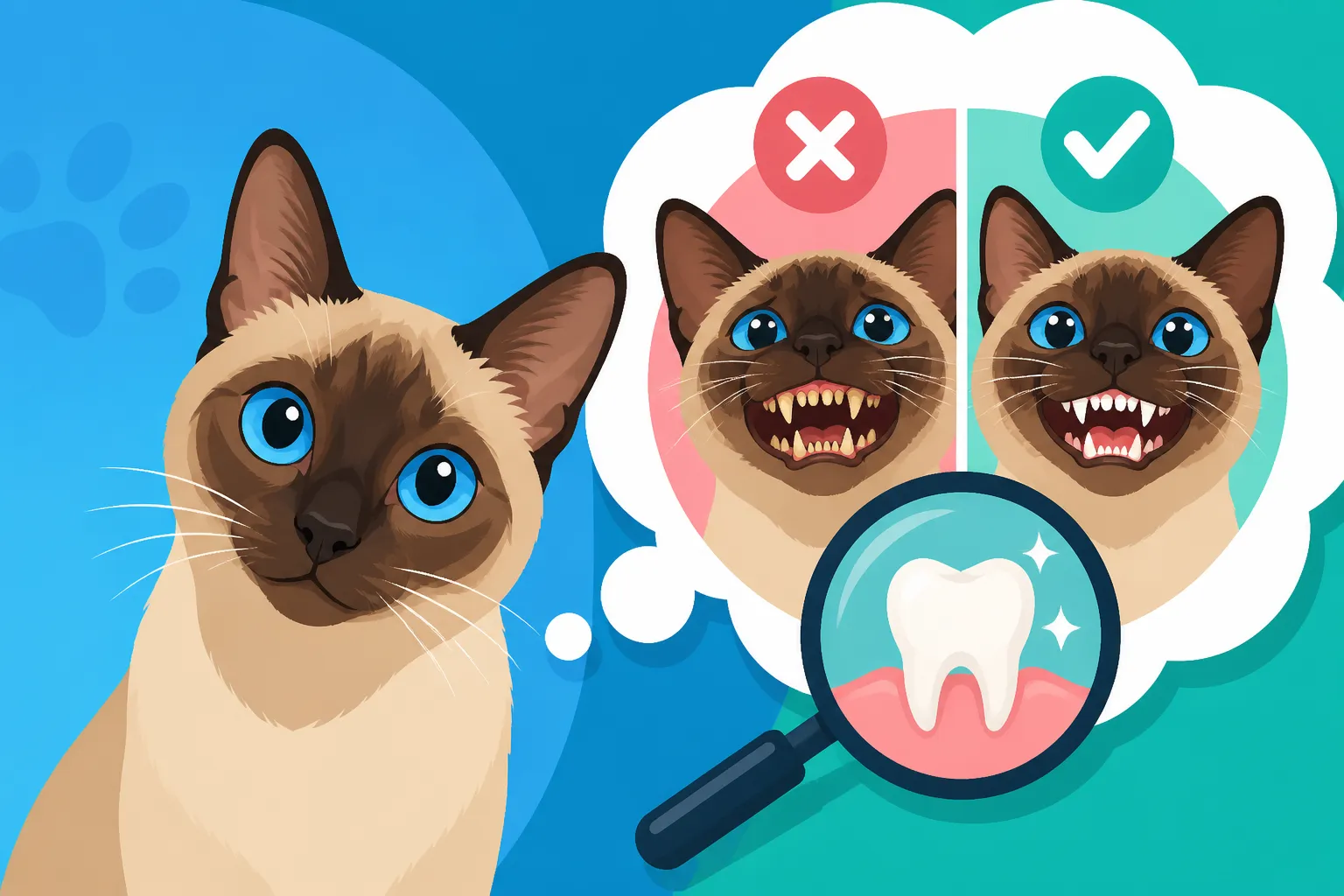
- Red, Swollen Gums (Gingivitis): Gently lift their lip. Healthy gums are pale pink. Redness, swelling, or bleeding gums are a clear sign of gingivitis.
- Tartar Buildup: Yellow or brown crust on the teeth, especially near the gumline, is tartar.
- Difficulty Eating: Watch how they eat. Do they chew on one side? Drop food? Are they hesitant to eat hard kibble? These could indicate pain.
- Drooling: Excessive drooling, especially if tinged with blood, is a serious red flag.
- Pawing at Mouth: They might paw at their face or rub their mouth on furniture if they're experiencing discomfort.
- Weight Loss or Loss of Appetite: If dental pain makes eating difficult, they might lose weight or become less interested in food.
- Changes in Behavior: Increased irritability, hiding, or less willingness to be touched around the head can all be signs of pain. Cats are incredibly stoic, so any behavioral change warrants attention. You might find Signs a Siamese Cat Is Unwell helpful in recognizing these subtle cues.
Here's a quick reference table for what to look for:
| Sign | What it Might Indicate | Action to Take |
|---|---|---|
| Foul Breath | Plaque, tartar, bacterial infection, dental disease | Vet check for professional assessment and cleaning |
| Red/Swollen Gums | Gingivitis, early stage periodontal disease | Vet check, potentially professional cleaning |
| Visible Tartar | Plaque buildup, potential for gum disease | Vet check, professional cleaning recommended |
| Drooling/Bloody Saliva | Severe infection, broken tooth, oral injury | Urgent Vet Visit |
| Difficulty Chewing | Painful teeth, gum disease, broken tooth, abscess | Vet check |
| Pawing at Mouth | Discomfort, pain, foreign object in mouth | Vet check |
| Reduced Appetite | Pain making eating unpleasant | Vet check |
| Irritability | Chronic pain from dental issues | Vet check for comprehensive oral exam |
Remember, these are just observations. Only a veterinarian can properly diagnose and treat dental issues.
Planning for Your Siamese Cat's Dental Health Post-Adoption
Once your rescue Siamese is settled in, and you've gathered all the information you can, it's time to take proactive steps for their dental health. This is often an area where new owners can make a huge positive impact.
Your First Vet Visit and Dental Assessment
One of the first things you should do after adopting any cat, including your Siamese, is to schedule a wellness visit with your own veterinarian. This is crucial for several reasons:
- Establish a Baseline: Your vet will conduct a thorough physical exam, review any records you have, and establish a baseline for your cat's health.
- Dental Exam: During this visit, your vet will perform a more in-depth oral examination than the quick visual check a rescue might have done. They will assess the extent of plaque and tartar, check for gingivitis, look for any missing or fractured teeth, and identify signs of other oral diseases like tooth resorption. They might even recommend X-rays if they suspect issues below the gumline.
- Personalized Plan: Based on their findings, your vet can recommend a personalized dental care plan. This might include scheduling a professional dental cleaning, suggesting home care routines, or discussing dietary changes. It's truly the cornerstone of long-term oral health. This is where you'll get a clear picture of what a Siamese Cat's First Dental Costs might look like.
Don't be surprised if your vet recommends a professional cleaning, especially if your cat's history is unknown or they show signs of tartar buildup. It's not uncommon for rescue cats to need this.
Ongoing Home Dental Care and Prevention
While professional cleanings are essential, daily home care is equally, if not more, important for maintaining your Siamese cat's oral health between vet visits. It might sound daunting, but it can make a real difference.
- Brushing: The gold standard is brushing your cat's teeth daily, or at least several times a week. Start slowly, make it a positive experience with treats, and use a cat-specific toothbrush and toothpaste (never human toothpaste!). How Often a Siamese Cat Needs a Dental is often reduced if you're consistent with home brushing.
- Dental Chews and Treats: There are many veterinary-approved dental treats and chews designed to help reduce plaque and tartar. Look for products with the Veterinary Oral Health Council (VOHC) seal, which indicates they meet certain standards for effectiveness. Brands like Chewy often carry a wide selection of these.
- Dental Diets: Some prescription cat foods are formulated with specific textures and ingredients to help clean teeth as your cat eats. Your vet might recommend one of these, especially if your Siamese is prone to dental issues. Even high-quality general foods support overall health, which indirectly benefits dental health.
- Water Additives: These can be added to your cat's drinking water and are designed to reduce bacteria in the mouth. While not a substitute for brushing, they can be a helpful supplement.
The key is consistency. Even small steps taken regularly can significantly improve your Siamese cat's dental hygiene and comfort.
Budgeting for Future Dental Needs
Let's face it: vet care, especially dental work, can be pricey. It's a realistic concern for any pet owner, and even more so when you've just brought a new family member home.
- Pet Insurance: This is where pet insurance can be a lifesaver. Look into policies from providers like Healthy Paws that cover dental disease and procedures. Many plans will cover a percentage of the costs for professional cleanings, extractions, and treatment for periodontal disease, as long as it's not a pre-existing condition. It's vital to enroll your cat before any dental issues are diagnosed, if possible, to ensure coverage. You might be interested in What Insuring a Siamese Cat Costs a Month to help with budgeting.
- Savings Fund: If pet insurance isn't an option or you prefer to self-insure, start a dedicated savings fund for your cat's veterinary care. Even setting aside a small amount each month can help cushion the blow of unexpected bills, whether it's for a dental procedure or another health concern.
- Discuss with Your Vet: Talk openly with your vet about costs. They can often provide estimates for different procedures and discuss payment plans or less expensive alternatives if available. They understand that pet care is an investment. What Extractions Cost a Siamese Cat Owner can be a significant expense, so planning is essential.
Being prepared financially can alleviate a lot of stress when your beloved Siamese inevitably needs dental care. Dental disease in cats is incredibly common, and your Siamese, like many purebreds, can be particularly susceptible. Proactive care and budgeting will ensure their bright smile (and overall health!) for years to come.
Disclaimer
This article is for general informational purposes only and does not constitute professional advice. Laws, prices and regulations vary by location and change over time. Consult a qualified professional for guidance on your specific situation.