Whether a Deaf Siamese Cat Gets Louder
It’s a truly unsettling worry for many Siamese cat owners: you already know your talkative feline companion can make quite a racket, but what happens if they start losing their hearing? You might imagine a deaf Siamese cat becoming even louder, a constant, unmodulated yowl that’s distressing for both of you. This guide is here to shed light on why a deaf Siamese cat might indeed seem to get louder, what's truly going on, and how you can support them.
The Siamese Cat's Already Famous Voice
Let's be honest, you didn't get a Siamese cat for their quiet, demure nature. You got one because you love their personality, their stunning looks, and yes, their voice. Siamese cats are renowned for being one of the most vocal cat breeds out there. Their "meezer yowl" is practically legendary, a deep, resonant cry that sounds more like a human baby than a typical cat's meow.
Imagine a world where your main form of communication is sound, and you're good at it. Your Siamese uses their voice for everything: greeting you at the door, demanding dinner, complaining about an empty water bowl, expressing boredom, or simply telling you about their day. They are conversationalists, and they expect an answer! This innate tendency for vocalization is a core part of their charm, but it's also why the prospect of a deaf Siamese cat becoming "louder" can be so daunting. The baseline is already high, right? So when that hearing goes, it feels like the volume knob just got stuck on maximum. It’s a valid concern, and it’s important to understand the mechanisms behind it. You can learn more about their unique communication style in What the Siamese Cat's Meezer Yowl Sounds Like.
Why Your Siamese Cat is So Vocal to Begin With
The roots of the Siamese cat's vocal nature go deep. It's not just a quirk; it's a fundamental part of their breed characteristics, honed over generations. They are highly intelligent and incredibly social animals who thrive on interaction with their humans. For them, vocalization is a primary tool for maintaining that connection.
Think of it this way: a Siamese cat isn't just meowing; they're having a conversation. If you talk back to them, you’re reinforcing that behavior. They learn that a particular sound gets a particular response from you, whether it’s food, cuddles, or just attention. This makes them incredibly skilled communicators, even if it means they're quite persistent. Their vocal cords are simply built for making a wide range of sounds, from soft chirps and trills to those unmistakable, demanding yowls that can carry through an entire house. This inherent "loudness" and communicative drive is crucial context when we talk about deafness.
How Deafness Can Affect a Siamese Cat's Vocalization
When a cat, especially one as vocal as a Siamese, begins to lose its hearing, their vocalizations can indeed change dramatically. It’s not necessarily that they decide to be louder, but rather that their internal feedback system is gone. They can no longer hear themselves, and that changes everything.
The Loss of Auditory Feedback
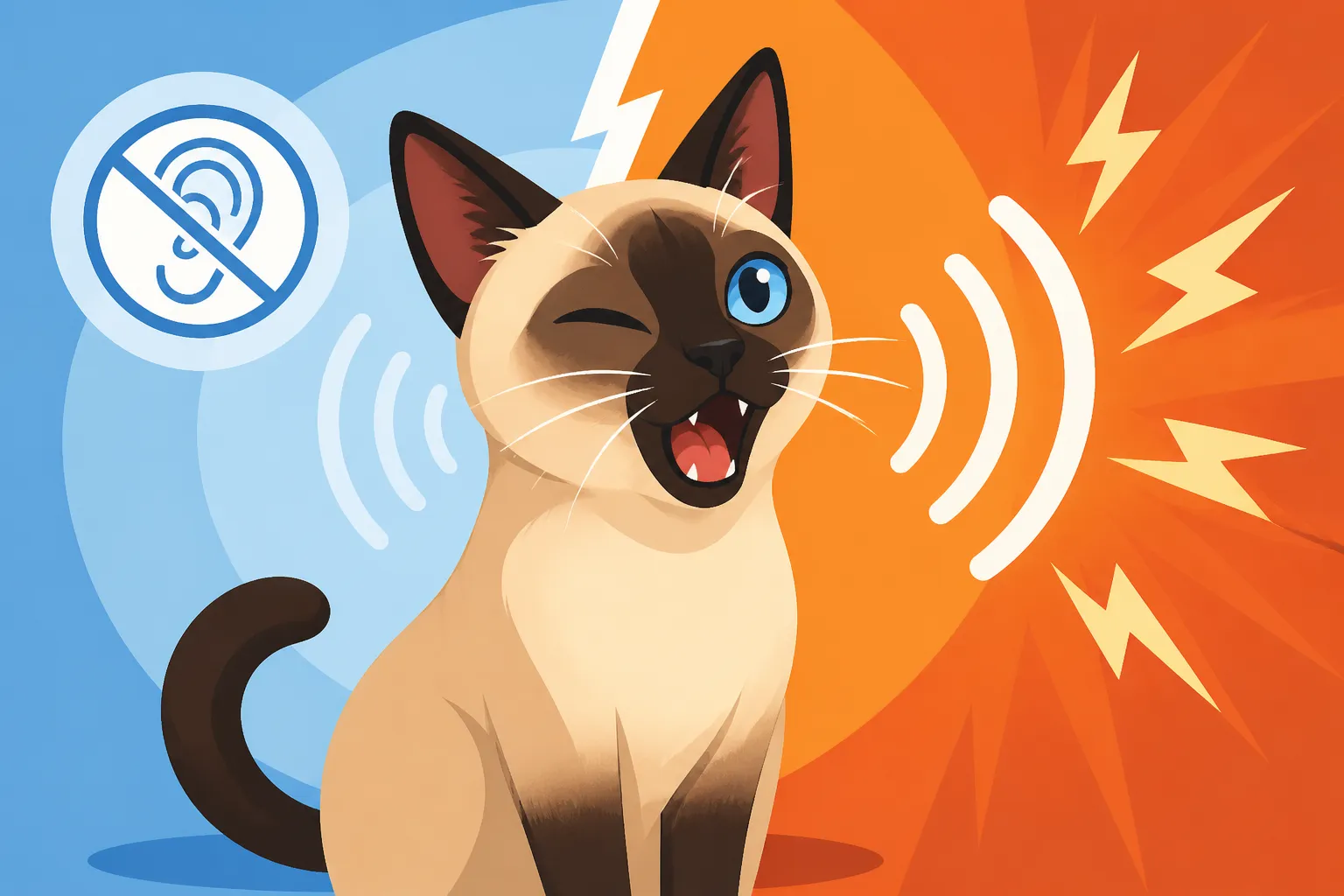
Imagine trying to sing a song or even just speak at a normal volume if you couldn't hear your own voice. You'd likely start speaking much louder than you intended, perhaps even shouting, without realizing it. This is precisely what happens with a deaf cat. They lose the crucial auditory feedback loop that helps all animals, including humans, modulate their vocal volume.
A hearing cat makes a sound, hears it, and can adjust the next sound to be softer, louder, or just right. A deaf cat lacks this ability. They might yowl as loudly as they possibly can, simply because they can't perceive their own output. For them, it might feel like they're just making a normal sound, unaware that it's echoing through your entire neighborhood. This can be startling for owners, especially if their cat was already known for their robust voice. It’s not an intentional increase in volume; it’s an uncalibrated one. This is why many owners observe that their deaf Siamese cat appears to be "louder" – they are, but not out of malice or choice.
Frustration and Anxiety Leading to More Vocalization
Beyond the purely physiological aspect of lost auditory feedback, deafness can also lead to increased vocalization due to emotional distress. A deaf cat, especially one that developed deafness later in life, can become frustrated and anxious. Their world has suddenly changed, and they can no longer rely on familiar sounds for information or comfort.
Think about a Siamese cat who used to hear your footsteps approaching, signaling mealtime or a cuddle session. Now, without that cue, they might feel disoriented or even abandoned. They might vocalize more frequently and intensely as a way to call for you, to express their confusion, or to alleviate their anxiety. This is particularly true if they feel isolated or can't locate you. If you come home and don't immediately appear, they might start a desperate yowl, unsure if you're even there. This isn't just about volume; it's about the frequency and intensity of their calls, driven by a deep sense of unease. They might also vocalize more if they are suddenly startled, as they can’t hear you approaching.
Other Health Issues Masked by Deafness
It's also important to consider that increased vocalization, even in a deaf cat, might be a symptom of an underlying health issue rather than just a direct result of their hearing loss. Older Siamese cats, in particular, can develop various conditions that manifest as increased yowling or restlessness.
For example, cognitive dysfunction, often referred to as "feline dementia," can cause disorientation, changes in sleep patterns, and increased vocalization, especially at night. A deaf cat with dementia might yowl because they are confused about where they are or who you are. Kidney disease or hyperthyroidism, common in older cats, can also lead to restlessness and vocalization. It's crucial not to dismiss all increased loudness as simply "being deaf." If your cat's vocalizations are sudden, constant, or accompanied by other behavioral changes, a vet visit is always warranted. This is especially important for an older cat, as you can read in Why an Old Siamese Cat Yowls More.
Managing Vocalization in a Deaf Siamese Cat
Okay, so your deaf Siamese cat is indeed making more noise than before, and it's understandably a challenge. The good news is that there are many strategies you can implement to help them and, by extension, help restore some peace to your home. It’s all about adapting your communication and environment to their new reality.
Establishing New Communication Cues
Since auditory cues are out, you'll need to rely on visual and tactile signals. This takes patience and consistency, but Siamese cats are intelligent and highly adaptable. They want to communicate with you, so they’ll often pick up new cues quickly.
Here’s where you become their eyes (and touch):
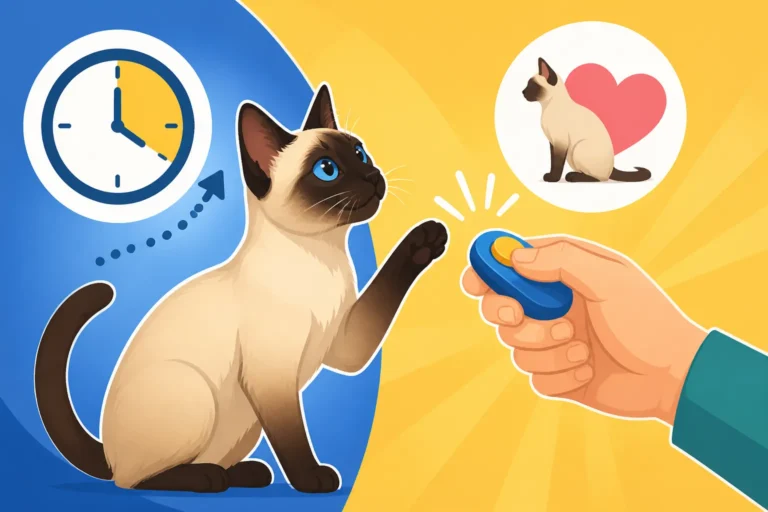
- Hand Signals: Start using clear, consistent hand signals for common requests. For "come," you might use a sweeping motion of your hand. For "dinner," tap the food bowl. For "good cat" or praise, a thumbs-up. Always pair the hand signal with the desired action and reward with a treat or praise. Over time, your cat will associate the visual cue with the outcome.
- Vibration: For getting their attention from a distance, vibration can be a lifesaver. Gently stomp your foot on the floor a few times or lightly tap a solid surface they're on. The vibrations will travel, letting them know you're trying to get their attention without startling them. You can even find vibrating collars designed for deaf dogs on Amazon that, with careful supervision, some cat owners adapt for their felines, though always ensure it's comfortable and safe.
- Light Cues: A small flashlight can be used to get their attention, especially if they are looking away from you. A gentle flick of the light beam (not directly into their eyes) on a nearby wall or floor can alert them to your presence. Again, consistent pairing with a reward is key.
Remember, the key is consistency. Everyone in the household needs to use the same signals so as not to confuse your clever Siamese.
Creating a Secure and Predictable Environment
A stable and predictable environment can significantly reduce anxiety-driven vocalization in a deaf Siamese cat. When they know what to expect, they feel more secure and less compelled to vocalize out of confusion or fear.
- Routine, Routine, Routine: Keep feeding times, playtimes, and even cuddle sessions as consistent as possible. Cats thrive on routine, and for a deaf cat, it provides an invaluable framework for their day. They might not hear the rustle of the food bag, but they'll learn that 7 AM means breakfast, and they'll be there waiting.
- Safe Spaces: Ensure your cat has several designated safe spots where they can retreat and feel secure. These might be high-up cat trees, cozy beds, or quiet corners. Knowing they have a place to escape can reduce stress.
- Awareness of Your Presence: Since they can't hear you, it's easy to accidentally startle a deaf cat. Always approach them from the front or side, where they can see you coming. If they are asleep, gently touch them in an area where they will not be startled, like a paw or shoulder, rather than waking them abruptly. If you're coming home, make a point of walking heavily or letting them see you as soon as you enter the room.
- Enrichment: A bored Siamese cat is a vocal Siamese cat, and that goes double for a deaf one. Ensure they have plenty of toys, scratching posts, and mental stimulation. Puzzle feeders from Amazon can be fantastic for engaging their minds and keeping them occupied, reducing the likelihood of boredom-induced yowling. You can explore Enrichment for a Siamese Cat That Gets Bored in an Hour for more ideas.
Considering Medical Evaluation
As mentioned earlier, increased vocalization in a deaf cat isn't always just about the hearing loss itself. It can be a red flag for other underlying health conditions.
- Full Vet Check-up: If your deaf Siamese has suddenly become significantly louder, or if the vocalization is accompanied by other changes like appetite loss, lethargy, changes in litter box habits, or unusual behaviors, schedule a full veterinary check-up.
- Geriatric Screening: For older Siamese cats, a geriatric screening can rule out common age-related issues such as hyperthyroidism, kidney disease, or cognitive dysfunction. Blood tests and a physical exam can often pinpoint these problems, which, if treated, can significantly reduce vocalization. You can ask your vet What a Siamese Cat's Yearly Bloodwork Should Cover.
- Pain Management: Cats are masters at hiding pain. Chronic pain from arthritis or other conditions can lead to restlessness and increased vocalization. If your vet suspects pain, appropriate pain management can make a huge difference in your cat's comfort and quietness.
By combining consistent visual/tactile communication, a predictable environment, and regular vet care, you can help your deaf Siamese cat feel more secure and reduce their need to vocalize so intensely.
Supporting a Deaf Siamese Cat in the Long Term
Living with a deaf Siamese cat is a journey of adaptation and deeper connection. While their vocalizations might be the immediate concern, providing them with a fulfilling life goes beyond just managing the noise. It’s about understanding their unique needs and enriching their world in new ways.
Safety First: Indoors Only
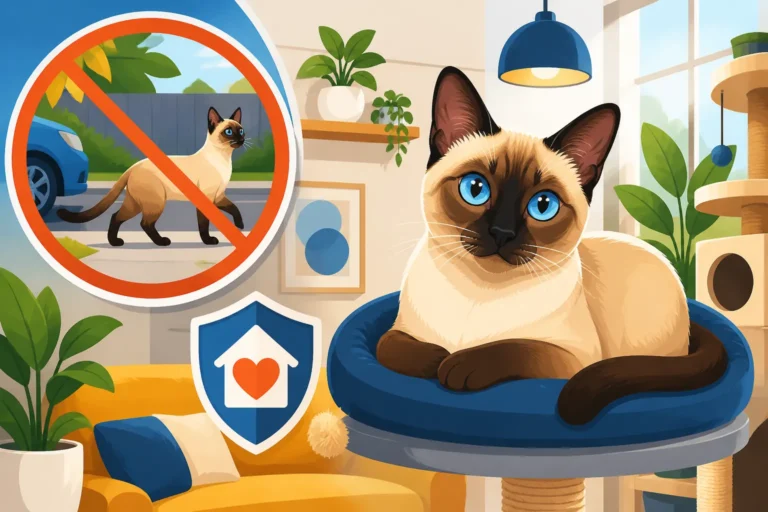
One of the most critical aspects of caring for a deaf cat is ensuring their safety. A deaf cat cannot hear approaching dangers, such as cars, predatory animals, or even other cats in a fight.
- Strictly Indoor Cats: A deaf Siamese cat should be an indoor-only cat. This is not just a recommendation; it's a vital safety measure. The outdoor world is full of auditory cues that keep cats safe, and without them, your cat is at immense risk.
- Catio or Leash Walking: If you want your Siamese to experience the outdoors, consider building a secure catio where they can enjoy fresh air and sunshine without risk. Alternatively, some deaf Siamese cats can be leash-trained. This requires patience and consistent practice, always with a harness (not just a collar) and close supervision. Remember, even on a leash, you are their eyes and ears for potential dangers. How to Leash Train a Siamese Cat could be a helpful resource, with adaptations for their deafness.
Mental and Physical Enrichment
Siamese cats are highly intelligent and energetic. Deafness doesn't diminish this need for stimulation; it simply changes how you provide it.
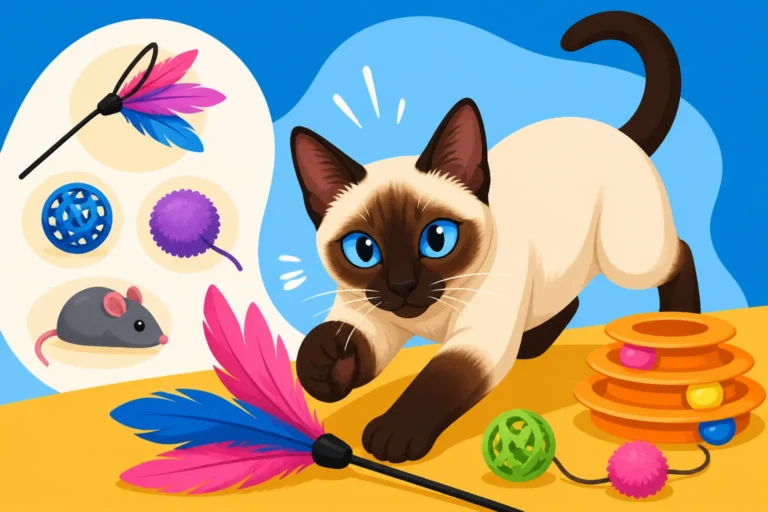
- Interactive Play: Engage your deaf Siamese in regular, interactive play sessions. Toys that involve movement and touch are ideal, such as feather wands, laser pointers (used responsibly, not directed at their eyes), or crinkle balls. Since they can't hear toys, focus on toys they can see and chase. Your presence and participation are key to making playtime engaging.
- Puzzle Toys: As mentioned before, puzzle feeders and treat-dispensing toys are excellent for mental stimulation. They encourage your cat to "hunt" for their food, satisfying their natural instincts and keeping their minds active. You can find a vast array of options on Amazon.
- Climbing Structures: Provide plenty of vertical space. Cat trees, shelves, and window perches allow your Siamese to observe their surroundings from a safe vantage point, which is especially important if they're relying more heavily on visual information. A sturdy Cat Tree for a Siamese Cat Costs is an investment in their happiness.
- Sensory Experiences: Even though hearing is gone, other senses can be heightened. Offer different textures for scratching and resting, interesting smells (like catnip or silvervine), and varied visual stimuli (like watching birds from a window).
The Importance of Human-Cat Bond
Ultimately, the most important thing you can provide for a deaf Siamese cat is your love, patience, and consistent presence. They rely on you more than ever.
- Affection and Cuddles: Many deaf cats become even more affectionate, seeking out physical touch and close proximity. Regular cuddle sessions reinforce your bond and provide comfort.
- Positive Reinforcement: Always use positive reinforcement. When they respond to a visual cue or behave well, reward them immediately with a treat, a favorite toy, or gentle petting. They may not hear your "good kitty," but they'll understand your positive energy.
- Advocacy: Be your cat’s advocate. When visiting the vet, make sure the staff knows your cat is deaf so they can adjust their approach. Inform guests that your cat cannot hear to prevent accidental startling.
By understanding the unique challenges and adapting your care, you can ensure that your deaf Siamese cat not only thrives but continues to be the loving, charismatic companion you cherish, even if their voice occasionally reaches new, unmodulated heights. Their personality, intelligence, and deep bond with you will shine through, regardless of whether they can hear themselves yowl.
| Aspect of Vocalization | Hearing Siamese Cat | Deaf Siamese Cat |
|---|---|---|
| Volume Control | Self-regulated | Unmodulated |
| Frequency | Context-dependent | Can increase due to anxiety/disorientation |
| Tone/Pitch | Varies with emotion | Can be harsher/more desperate |
| Purpose | Communication, demands | Communication, calls for attention, expresses fear/confusion |
| Response to Cues | Auditory, visual | Primarily visual and tactile |
Disclaimer
This article is for general informational purposes only and does not constitute professional advice. Laws, prices and regulations vary by location and change over time. Consult a qualified professional for guidance on your specific situation.