How to Leash Train a Siamese Cat
Many cat owners dream of taking their feline friends on adventures, but often assume it's a pipe dream, especially with a breed as particular and opinionated as the Siamese. You might picture dogs happily trotting along, but a cat? A Siamese cat, no less, with their distinct personality and vocal demands? The idea of a harness and leash might seem like a recipe for a stressed-out cat or a tangled mess. But I'm here to tell you that with the right approach, patience, and understanding of your Siamese's unique characteristics, leash training is absolutely within reach, opening up a whole new world of safe exploration for both of you. This guide will walk you through everything you need to know, from selecting the right gear to navigating your first outdoor excursions.
Understanding Your Siamese Cat's Nature for Leash Training
Siamese cats are often described as dogs in cat suits, and there's a good reason for that reputation. Their intelligence, curiosity, and strong bond with their humans make them excellent candidates for activities like leash training that many other breeds might simply refuse.
Why Siamese Cats Can Be Leash Trained and Why Others Can't
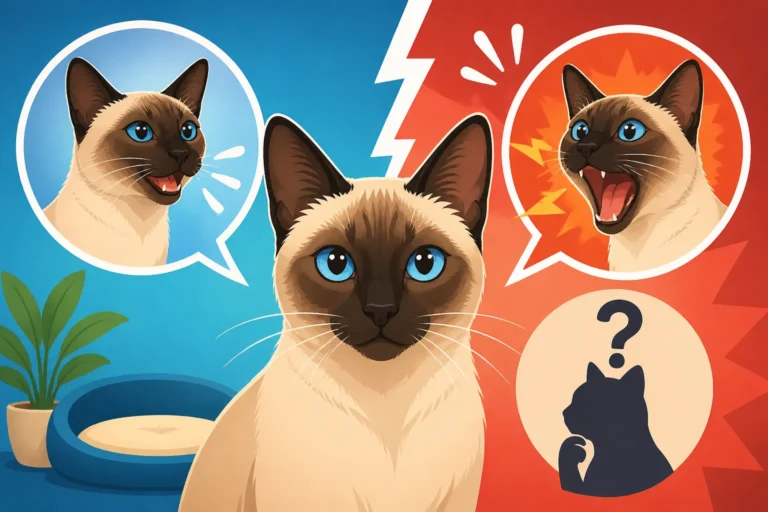
Unlike some more aloof or independent cat breeds, Siamese cats thrive on interaction and mental stimulation. They are incredibly curious creatures, always wanting to know what you're doing, where you're going, and what new thing they can investigate. This innate curiosity is a huge advantage when it comes to leash training. They genuinely enjoy exploring new environments, sounds, and smells, which can make the idea of going outside on a leash less daunting and more exciting for them. They also form incredibly strong bonds with their human companions, often following them from room to room and engaging in long, "conversational" meows. This desire to be close to you translates well into a willingness to cooperate when they see you as their guide to adventure. They trust you, and that trust is paramount when introducing something as novel as a harness and leash.
Think about it: a typical tabby might be perfectly content with its indoor domain, viewing any attempt to put a harness on as an affront to its dignity. But a Siamese often has a deeper need for engagement. They're often described as quite clever, and they pick up new routines and commands surprisingly quickly when motivated. This makes them adaptable and less resistant to new experiences, especially if those experiences are presented as a fun extension of their bond with you. Many owners find their Siamese cats are keen to learn tricks, too, so integrating leash training into their regular enrichment routine can feel quite natural. Which Tricks a Siamese Cat Can Learn is a testament to their smarts!
Assessing Your Cat's Personality and Readiness
Before you even think about buying a harness, take a moment to observe your particular Siamese. While the breed as a whole tends to be outgoing and intelligent, individual personalities vary wildly. Is your cat generally bold and inquisitive, always sniffing new objects and investigating strange sounds? Or are they more timid, preferring the quiet comfort of their familiar surroundings and easily spooked by changes? A confident, curious Siamese will likely take to leash training much faster than a shy, anxious one. This isn't to say a shy cat can't be leash trained, but it will require significantly more patience and a slower introduction to each step.
Consider your cat's response to new things. Do they hide under the bed when a new visitor arrives, or do they cautiously approach and sniff? Do they seem restless indoors, constantly peering out windows or trying to sneak past your legs when the door opens? These are all indicators of their baseline comfort level with novelty and their desire to explore. Your cat's current health and age also play a role. A young, energetic Siamese kitten will likely have an easier time adapting than an older, more set-in-their-ways senior cat, though older cats can certainly learn new tricks. Look for signs of boredom or a longing for more stimulation – a Siamese that is constantly looking for trouble might be crying out for more enrichment, and leash walks could be the answer. How Clever a Siamese Cat Is means they'll quickly figure out if you're serious about this new routine!
Choosing the Right Gear for Your Siamese Adventurer
Selecting the correct equipment is not just about comfort; it's about safety. A poorly fitting harness or an unsuitable leash can turn a fun outing into a dangerous escape or a frustrating experience for both of you.
Harness vs. Collar: Safety First
For cats, a harness is non-negotiable for leash training. A traditional collar, no matter how snug, is simply not secure enough for a cat on a leash. Their flexible bodies and ability to contort mean they can easily slip out of a collar, especially if they get spooked and pull back. A harness distributes pressure evenly across their chest and shoulders, rather than concentrating it on their delicate neck and throat, making it much safer and more comfortable. When you're dealing with a breed as agile as the Siamese, preventing escapes is paramount. You certainly don't want a moment of panic leading to your beloved cat darting away in an unfamiliar environment.
There are a few main types of harnesses:
- H-style harnesses: These have straps that go around the neck and chest, connected by a strap along the back and sometimes one underneath. They offer good security but can be tricky to adjust for a perfect fit.
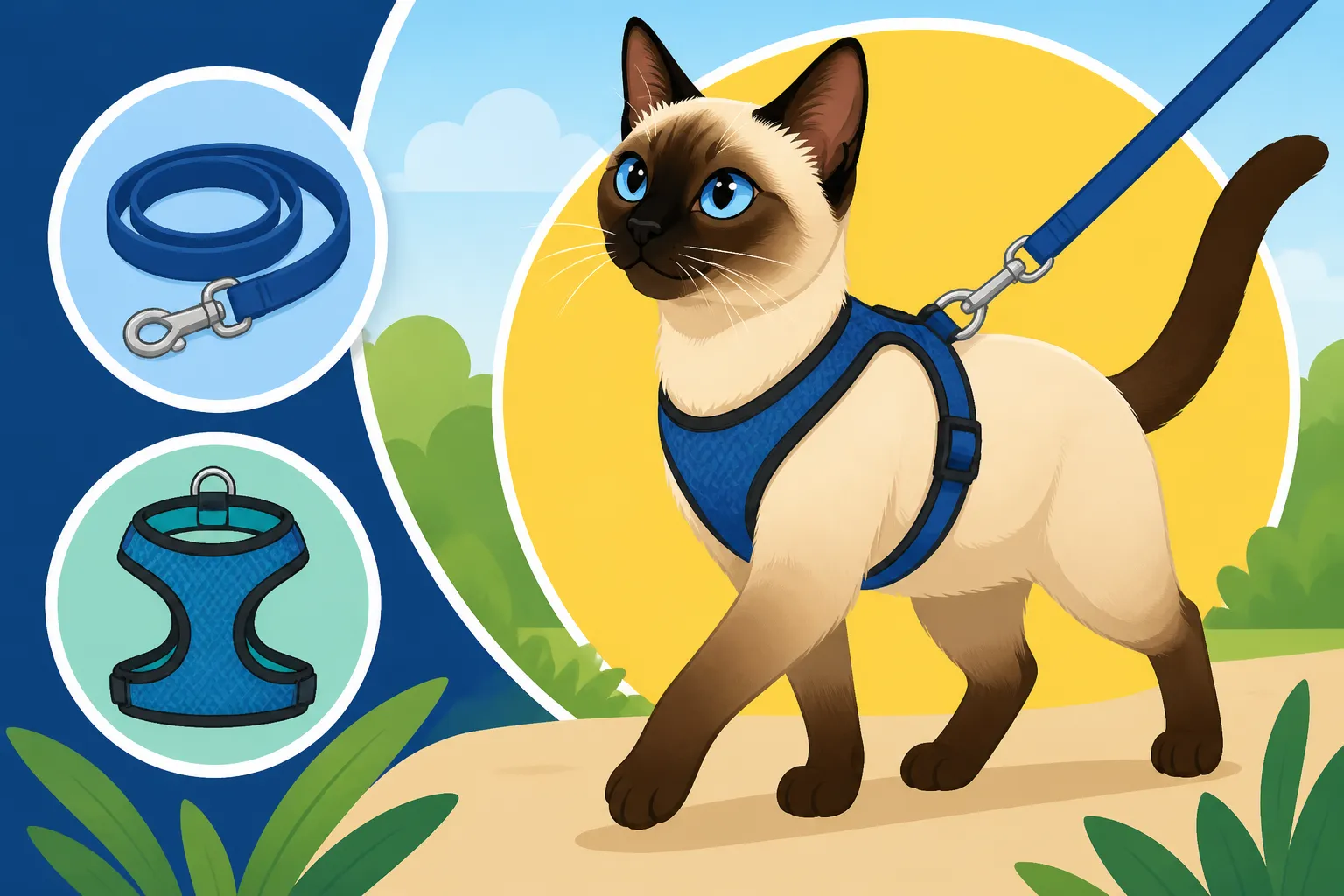
- Vest harnesses: These are wider, fabric vests that cover more of the cat's torso. They distribute pressure over a larger area, which some cats find more comfortable, and are generally harder for cats to wriggle out of. Many owners find these to be the most secure option for their escape-artist Siamese.
- Figure-8 harnesses: Similar to H-style but with a single loop that forms an "8" around the neck and chest.
When choosing, prioritize a harness that fits snugly but allows for two fingers to slip underneath comfortably. Too loose, and they can escape; too tight, and it will chafe and restrict movement. Material matters too; look for something lightweight and breathable, especially if you live in a warmer climate. Reflective strips are a bonus for evening walks, adding an extra layer of visibility. Many pet stores and online retailers like Amazon offer a wide variety of cat harnesses, so you can compare options and read reviews to find one that suits your Siamese's build.
Leash Selection and Accessories
Once you've got the perfect harness, it's time to think about the leash. For cat leash training, simplicity and practicality are key.
- Leash Length: A standard 4-6 foot leash is generally ideal. This length gives your Siamese enough room to explore a small area ahead of you without giving them so much slack that they get tangled or dart out of reach too quickly. Retractable leashes are generally not recommended for cats. They can be unpredictable, snap back suddenly, or allow your cat to gain too much speed and get into dangerous situations before you can react.
- Material: Nylon or lightweight rope leashes are usually best. They are durable, easy to clean, and light enough not to add unnecessary weight or bulk that might bother your cat.
- Clip: Ensure the clip is sturdy and secure, designed for small animals. A weak clip could unexpectedly open, leading to an immediate escape.
Beyond the basic harness and leash, consider a few accessories that can enhance safety and comfort:
- Tag with ID: Even if your cat is microchipped, an ID tag with your phone number is crucial in case they somehow get separated from you.
- Travel Carrier: For the initial journey to a safe outdoor spot (like a quiet park or your backyard), a secure carrier can be invaluable. It reduces stress and prevents any unplanned detours.
- Treat Pouch: Positive reinforcement is essential for successful training. A small pouch for high-value treats will keep them easily accessible.
- Poop Bags: Yes, even cats sometimes do their business outdoors! Be a responsible pet owner.
- Small Water Bottle and Bowl: Especially on longer outings or warmer days, hydration is important. Portable options are readily available on Amazon.
Remember, the goal is to make the experience as positive and comfortable as possible. Invest in good quality gear; it’s an investment in your cat’s safety and your peace of mind.
The Step-by-Step Leash Training Process
Patience is not just a virtue here; it's a necessity. Leash training a cat, especially a Siamese, is a gradual process that can take weeks or even months. Rushing it will only lead to frustration for both of you.
Introducing the Harness: Patience is Key
The very first step is to get your Siamese comfortable with the harness indoors. Do not rush this.
- Scent Familiarization: Start by simply placing the harness near your cat's favorite sleeping spot or feeding area for a few days. Let them sniff it, rub on it, and get used to its presence. You can even rub it with a blanket they've slept on to transfer their scent.
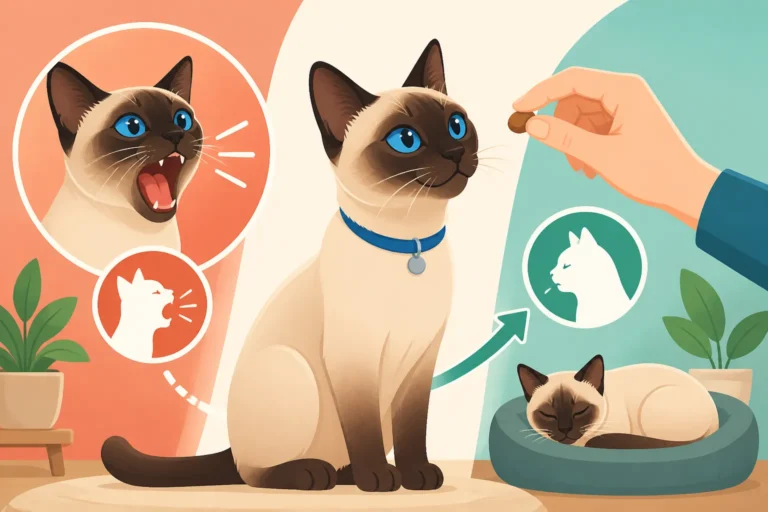
- Short Sessions, Positive Associations: Once they're okay with its presence, try draping the harness over their back for a few seconds during a calm moment, like when they're eating a meal or receiving treats. Immediately remove it. Keep these sessions very short – literally seconds – and follow them with praise and a special treat. Repeat this several times a day.
- Putting it On: Gradually work up to buckling the harness. Start with just one buckle, praise, treat, then remove. Then try both buckles for a few seconds. The goal is to make them associate the harness with positive things.
- Wearing it for Longer: Once they tolerate it being buckled, let them wear it for a few minutes at a time, always under supervision. Distract them with play or a meal while they're wearing it. If they flop over or act dramatically, ignore the behavior (unless they are truly stuck or distressed) and wait for a calm moment before removing it. Do not give in to their antics. Slowly increase the duration over several days or even a week. The idea is to make the harness just another part of their daily life, not a strange, restrictive device. This is where high-value treats and toys can be your best friends. What Toys a Siamese Cat Actually Uses can certainly help with distraction!
Getting Used to the Leash Indoors
Once your Siamese is completely comfortable wearing the harness for extended periods (e.g., 30 minutes to an hour), it's time to introduce the leash.
- Attach and Drag: Clip the leash to the harness while your cat is wearing it indoors. Let the leash drag behind them for a few minutes, again under supervision. This allows them to get used to the feel and weight of it without any pulling or guidance from you. Keep it lighthearted – play with them, offer treats.
- Holding the Leash: After a few sessions of dragging, pick up the leash. Don't try to lead them yet. Just hold it loosely while they wander around a small, familiar room. Let them dictate the movement. If they move, you move with them. The idea is to make them feel like they are still in control of where they go, but there's a gentle connection to you.
- Gentle Guidance: Once they're used to you holding the leash, start offering very gentle, subtle guidance. Lure them with a treat a few steps in a direction, then release the tension and reward them. Never drag or pull your cat. This will only create fear and resistance. Siamese cats are far too intelligent to respond well to force. How to Clicker Train a Siamese Cat can be incredibly useful here, as they respond well to clear, consistent signals and rewards. Aim for short, positive training sessions, perhaps 5-10 minutes each, a few times a day.
First Forays Outdoors: Small Steps to Big Adventures
This is the moment you've been working towards! But again, approach it with caution and patience.
- Choose Your Location Wisely: For the very first outdoor experience, select a quiet, secure, and familiar area. Your own enclosed backyard or a very calm, sparsely populated park at an off-peak hour would be ideal. Avoid busy streets, dog parks, or areas with a lot of sudden noises. The goal is a positive first impression.
- Short and Sweet: The initial outdoor session should be very brief – literally 5-10 minutes. Let your Siamese explore at their own pace. They might just sit and observe, or they might cautiously sniff a patch of grass. Don't force them to walk or go anywhere specific. Let them lead.
- Safety First: Keep the leash relatively short, but not taut, so you have control if they get spooked or try to dart away. Stay close to them. Be vigilant for any potential dangers: strange dogs, loud noises, or even toxic plants.
- Positive Reinforcement: Shower them with praise and treats for any positive engagement, even just calm observation. If they seem overwhelmed, gently scoop them up and take them back inside. End on a good note.
- Gradual Expansion: Over time, if your cat is enjoying their outdoor excursions, you can gradually increase the duration and explore slightly different, but still safe, environments. Always be observant of their body language. A twitching tail, flattened ears, or dilated pupils are signs of stress or fear, and it's time to head home. Many Siamese cats actually enjoy exploring a catio or a secure garden, which is great practice for full leash walks. Whether a Siamese Cat Enjoys a Catio could be a good next step.
Overcoming Common Leash Training Challenges
It's rare for leash training to go perfectly smoothly. Expect some bumps along the way, but armed with understanding and persistence, you can navigate them.
The "Statue Cat" Syndrome
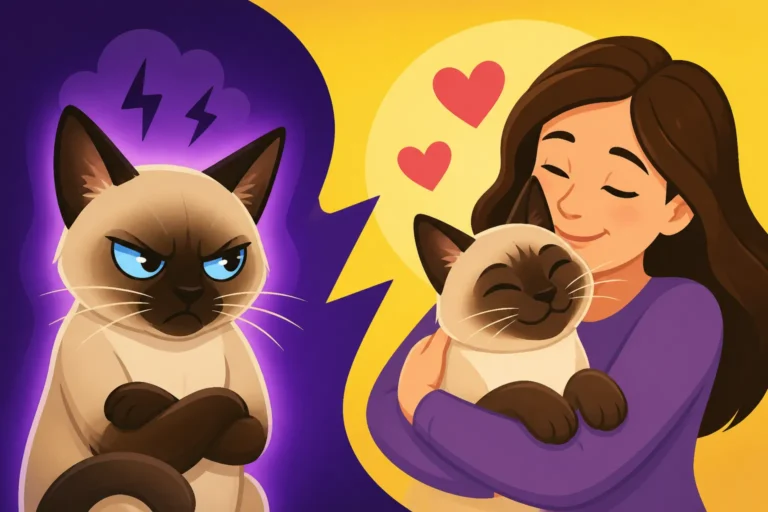
This is incredibly common. You put the harness on, attach the leash, and your Siamese simply flops to the ground, frozen, refusing to move. They might even act as if they're paralyzed, giving you the most dramatic "woe is me" look they can muster. This isn't usually genuine paralysis; it's a cat's way of saying, "I don't like this, and I'm not participating." It's a protest, and it's quite effective!
The key here is not to force them. If you drag them, they will learn to hate the harness and leash. Instead, try to motivate them. Use their favorite high-value treats or a beloved toy. Place the treat a small distance away, just out of reach, and gently encourage them to take a step. The moment they move, even an inch, reward them lavishly. If they still refuse, remove the harness and try again later, or go back a step in the training process. Sometimes, it helps to just let them sit there for a few minutes while you calmly read a book nearby, ignoring their dramatic performance. Often, curiosity will eventually win out, and they'll get up to investigate. Consistency and endless patience are your best tools against the "statue cat." Remember, your Siamese wants to spend time with you, and that connection can be a powerful motivator. How Much Play a Siamese Cat Needs highlights their need for engagement, so make it a game!
Escapism and Houdini Cats
Siamese cats are notoriously agile and intelligent, and if there's a way out of something, they'll find it. This applies to harnesses too. If your harness isn't fitted correctly or if your cat is determined, they can become a true Houdini. A successful escape outdoors can be terrifying and dangerous, so prevention is key.
Firstly, ensure the harness fits perfectly. As mentioned, two fingers should fit snugly, but no more. Check the fit regularly, as cats can lose or gain weight. Secondly, always double-check the buckles before going outside. A loose buckle is an open invitation for an escape. If your cat repeatedly tries to back out of the harness, you might need a different style, like a vest harness, which offers more coverage and is harder to wriggle out of. When outdoors, maintain a slight, consistent tension on the leash, not to drag them, but to feel their movements and be ready to react if they make a sudden move to escape. If they do start to try and back out, gently pull forward on the leash, which pushes the harness more securely onto their body, making it harder to escape. Never panic and yank the leash; this can injure them and cause more fear. Keep an eye on them like a hawk, especially in new environments.
Dealing with Distractions and Fear
The outdoor world is full of novel stimuli – some wonderful, some potentially terrifying for a small cat. A rustling leaf, a distant car horn, a passing dog, or a sudden gust of wind can easily spook a Siamese cat, leading to panic.
- Start Small and Build Up: This goes back to choosing a quiet, safe initial location. Gradually introduce them to new sights and sounds. Start with a quiet corner of your garden, then perhaps a slightly busier part, and only then consider a calm park.
- Observe and React: Pay close attention to your cat's body language. If their ears flatten, whiskers go back, or they crouch low, they're feeling stressed or fearful. At this point, calmly pick them up if safe, or guide them quickly back to a familiar, safe spot. Don't push them past their comfort zone.
- Positive Association with Distractions: If a distraction (like a distant dog) appears, immediately offer a high-value treat while praising your cat. This helps them associate the potentially scary thing with something positive. Over time, their reaction might shift from fear to "oh, something good happens when that thing is around!"
- Your Calmness is Contagious: Cats are incredibly attuned to our emotions. If you are tense or anxious, your cat will pick up on it. Remain calm, confident, and reassuring. Speak to them in a soft, soothing voice. Your presence is their anchor in a big, sometimes scary world. This is especially true if you plan on traveling with them on a leash; Whether a Siamese Cat Travels Well depends a lot on their comfort and your demeanor.
Safety Considerations and Best Practices for Outdoor Excursions
Taking your Siamese cat outside on a leash is an incredible bonding experience, but it comes with a significant responsibility for their safety. Being prepared for potential hazards is just as important as the training itself.
Weather and Environmental Awareness
The outdoor environment is dynamic, and you need to be aware of the conditions and surroundings every time you step out.
- Temperature Extremes: Siamese cats, with their short, fine coats and lack of an undercoat, are more sensitive to temperature than many other breeds. Hot pavement can burn their paws, and prolonged exposure to cold can lead to hypothermia. Always check the weather forecast and the ground temperature. Avoid walks during the hottest parts of the day in summer or when it's freezing in winter. If it's too hot for your bare feet on the pavement, it's too hot for your cat's paws. Similarly, if you wouldn't be comfortable without a coat, your Siamese might appreciate a heated bed waiting for them back home. Keeping a Siamese Cat Warm is a crucial part of their daily care, and applies to outdoor adventures too.
- Toxic Plants: Many common garden and wild plants are toxic to cats. Do your research on plants prevalent in your walking area. Keep your cat from munching on unknown foliage.
- Pesticides and Herbicides: Lawns and public spaces are often treated with chemicals that can be harmful if ingested or absorbed through paws. Stick to natural, untreated areas where possible, or avoid freshly treated spots.
- Parasites: Fleas, ticks, and other parasites are much more prevalent outdoors. Ensure your Siamese is on a reliable preventative treatment year-round.
- Wildlife: Birds, squirrels, insects, and even larger animals like stray dogs or coyotes can pose a threat or a distraction. Always be vigilant. Your Siamese's prey drive might kick in, leading to lunging or chasing, so be ready to manage their excitement or fear.
Health and Vaccination Status
Before your Siamese even sniffs the great outdoors, a visit to the vet is in order.
- Up-to-Date Vaccinations: Ensure your cat is fully vaccinated against common feline diseases, including rabies, feline distemper (FVRCP), and feline leukemia virus (FeLV), especially if they will be interacting with other animals or in areas where strays might frequent. FeLV is particularly important if they have any potential for contact with other cats, as it's transmitted through close contact.
- Parasite Prevention: As mentioned, robust flea, tick, and heartworm prevention is crucial for outdoor cats. Discuss the best options with your vet.
- General Health Check: A full health check will ensure your cat is physically fit for outdoor adventures. Your vet can advise on any specific concerns, especially for older cats or those with underlying health conditions. Your vet is also the best resource for any concerns about inherited conditions. How Healthy the Siamese Cat Actually Is depends heavily on preventative care.
- Microchipping: While you should always have an ID tag, a microchip provides a permanent form of identification if your cat somehow loses their collar and harness and becomes lost.
Managing Unexpected Situations
Even with the best preparation, unforeseen events can happen. Being ready to react calmly and effectively is vital.
- If Your Cat Gets Spooked: The most common unexpected situation is a sudden fright. A loud noise, an aggressive dog, or a startling event can cause your Siamese to panic. Their instinct will be to bolt, hide, or try to escape the harness. Your first reaction should be to remain calm. Do not yell or pull violently on the leash. Gently, but firmly, reel them in close to you. Scoop them up if you can, offering reassurance. If they're too frantic to be held, guide them to a safe, quiet hiding spot (under a bush, behind a bench) and wait for them to calm down before heading home.
- If They Escape the Harness: This is every leash-training owner's nightmare. If your Siamese slips their harness, do not chase them. Chasing will only make them run further and faster. Instead, calmly call their name and get down to their level, offering treats or their favorite toy. Create a familiar, safe presence. If possible, leave the carrier or a familiar blanket nearby. Many Siamese cats, because of their strong bond with their owners, will eventually come back to you if you remain calm and enticing.
- Encountering Other Animals: If you see an approaching dog or another cat, assess the situation quickly. If the other animal is unleashed or seems aggressive, pick up your Siamese if safe to do so, or quickly steer them in another direction. Avoid direct confrontation. Always keep an eye on your surroundings.
Leash training a Siamese cat can be one of the most rewarding experiences you share with your feline friend. It taps into their natural curiosity and provides the mental and physical stimulation they often crave, enriching their lives far beyond the confines of your home. With the right gear, a boatload of patience, and a commitment to safety, you can open up a world of adventure for your clever, charismatic Siamese.
Disclaimer
This article is for general informational purposes only and does not constitute professional advice. Laws, prices and regulations vary by location and change over time. Consult a qualified professional for guidance on your specific situation.