Why a Siamese Cat Sucks Blankets
It’s a common scenario that can be puzzling, even concerning: you settle down for a quiet evening, and there’s your beloved Siamese, not just kneading contentedly, but actively sucking on your favorite wool blanket, a throw pillow, or even a piece of your clothing. This isn't just a cute quirk; for many Siamese owners, it's a source of worry, wondering if their cat is stressed, sick, or simply developing an odd habit that might lead to bigger problems. This guide aims to unravel the mystery of why your Siamese might be engaging in this specific type of pica, offering practical insights and actionable steps to help manage and understand this unique behavior.
Understanding Siamese Cat Wool Sucking (Pica)
The first step to managing any unusual behavior in your Siamese is to truly understand what's happening. "Wool sucking" is a specific form of pica, which is the consumption or obsession with non-food items. While many cats might occasionally lick or mouth something they shouldn't, wool sucking in Siamese cats goes a step further, often involving vigorous kneading, suckling, and sometimes even ingesting the fabric.
What is Wool Sucking?
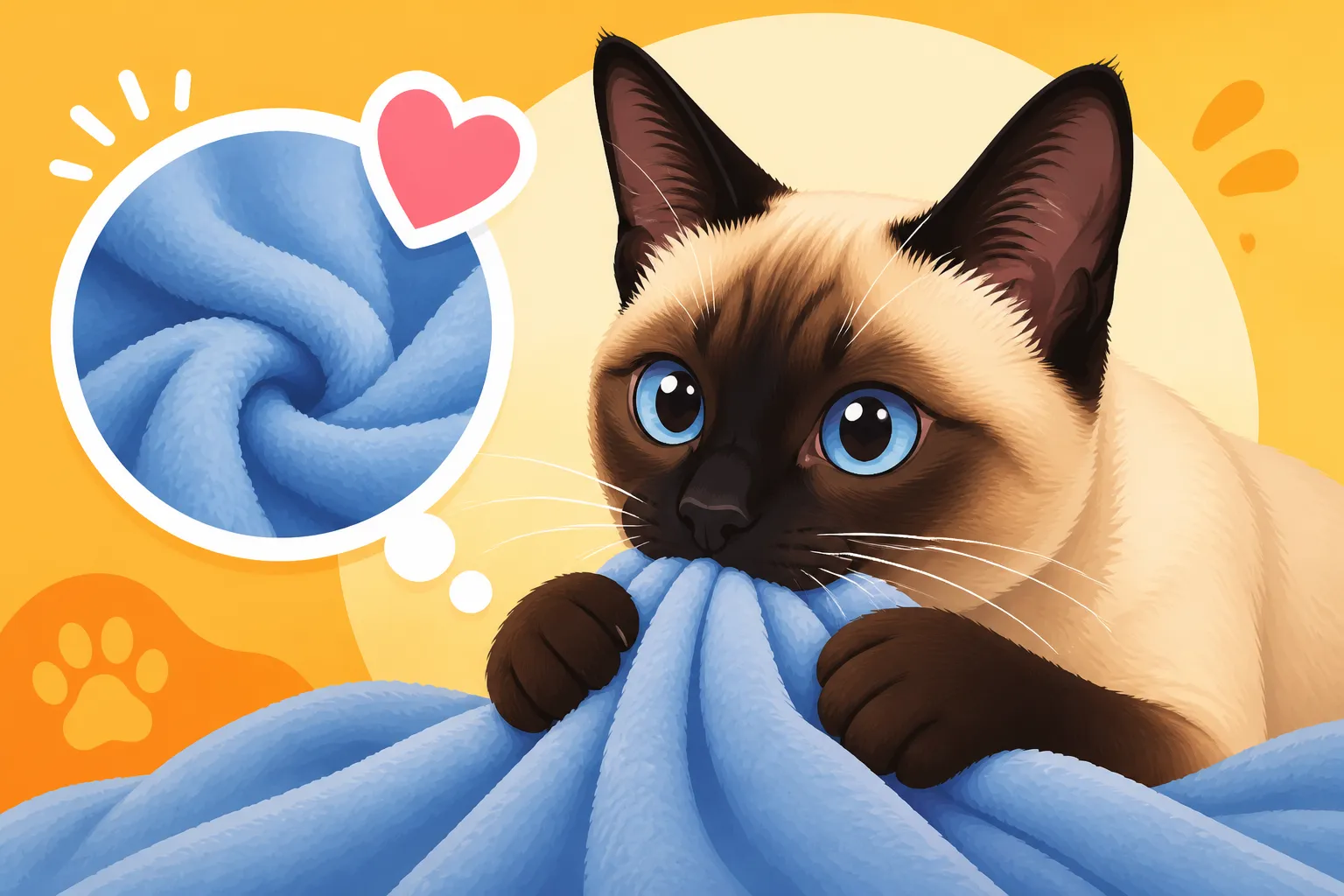
Imagine your cat, deep in thought, perhaps even purring, as it rhythmically kneads its paws into a soft blanket, much like a kitten would knead its mother for milk. But instead of just kneading, your Siamese latches onto the fabric, suckling it with an intensity that can sometimes be alarming. This isn't just a comfort mechanism; it's a deeply ingrained behavior that mimics nursing. They might drool, their eyes might glaze over, and they can seem completely lost in the moment. The "wool" in wool sucking is a bit of a misnomer, as it can extend to any soft, pliable fabric – cotton blankets, sweaters, towels, or even shoelaces. The key is the repetitive suckling motion, often accompanied by kneading, and sometimes actual ingestion of fibers. This is distinctly different from a cat simply kneading a blanket, which is a normal, comforting behavior often associated with happiness and security. With wool sucking, there's an oral fixation that goes beyond simple tactile comfort.
Why Siamese Cats Are Prone to It
The Siamese breed, beautiful and vocal as they are, sadly carries a genetic predisposition to wool sucking. It's not something you did wrong; it's a trait that's been observed and studied within the breed for a long time. While not every Siamese will exhibit this behavior, they are significantly more likely to than many other cat breeds. This breed-specific tendency suggests a genetic component, possibly linked to the same genes that influence their strong bond with humans and their high intelligence. It’s almost as if their intense emotional and intellectual capacity sometimes manifests in these less common, self-soothing behaviors. Researchers have explored theories linking it to an inherited compulsive disorder, similar to obsessive-compulsive disorders in humans. This isn't to say your cat is "crazy," but rather that their wiring makes them more susceptible to channeling stress or unmet needs into repetitive behaviors. You might find it helpful to read more about this in Why a Siamese Cat Sucks and Chews Wool.
When Does This Behavior Start?
Wool sucking often begins early in a Siamese cat's life, typically during kittenhood or adolescence. You might notice it manifesting when they are just a few months old, perhaps around the time they are weaned or settle into their new home. For some, it might be a phase that eventually tapers off, while for others, it can become a lifelong habit. The intensity can vary, too. A kitten might gently mouth a blanket, while an adult cat might voraciously chew and swallow pieces of fabric. It's not uncommon for the behavior to wax and wane depending on environmental factors, stress levels, or even just the cat's mood. If you've just adopted a younger Siamese, keep a keen eye out for these early signs, as intervening early can sometimes help redirect the behavior before it becomes deeply entrenched.
Common Causes and Triggers for Blanket Sucking
Understanding the "why" behind the behavior is crucial for addressing it effectively. While genetics play a big role, several environmental and emotional factors can act as triggers or exacerbate the tendency.
Genetic Predisposition and Early Weaning
As mentioned, the genetic link in Siamese cats is strong. It's believed that the instinct to suckle, which is vital for survival in early kittenhood, remains unusually persistent in some individuals of this breed. If you combine this genetic predisposition with early weaning, you often have a recipe for wool sucking. Kittens are typically weaned by their mother gradually, often over several weeks. If a kitten is separated from its mother or littermates too soon, they might not have had the full opportunity to develop proper nursing cessation and self-soothing techniques. They miss out on the extended comfort and security of nursing, leading them to seek that sensation elsewhere – often on a soft blanket or article of clothing. This can be particularly prevalent in kittens from large litters or those in high-stress breeding environments where mothers might "push" kittens away earlier. The impact of this early separation can manifest as an oral fixation later in life, making them more prone to behaviors like blanket sucking. You can learn more about this specific aspect in Whether Early Weaning Causes Siamese Cat Wool Sucking.
Comfort and Anxiety
Beyond genetics and early life experiences, wool sucking often serves as a powerful self-soothing mechanism. Think of it like a child sucking their thumb or a person biting their nails when stressed. For a Siamese, known for their sensitive and intelligent nature, various factors can lead to anxiety, boredom, or loneliness, which they then attempt to alleviate through blanket sucking.
- Stress: A new home, changes in routine, the addition of a new pet or family member, loud noises, or even subtle tensions in the household can cause stress for a Siamese. Their keen perception means they often pick up on things that we, as humans, might not even notice. When feeling overwhelmed, the rhythmic action of suckling can provide a sense of control and calm.
- Boredom: A highly intelligent and energetic breed, a Siamese cat needs a lot of mental and physical stimulation. If they are left alone for long periods without adequate toys, interaction, or enrichment, they can become profoundly bored. This boredom can quickly turn into anxiety, and wool sucking becomes an outlet for their pent-up energy and mental restlessness. They’re literally looking for something to do, and the blanket provides a tactile, engaging (though inappropriate) activity.
- Loneliness: Siamese cats thrive on companionship and interaction. They bond very closely with their human families and can suffer from separation anxiety if left alone for extended periods. A cat suffering from loneliness might turn to wool sucking as a way to cope with the absence of their beloved people. This isn't just "missing you"; it can be a genuine form of distress. Recognizing signs of stress is important, and What a Stressed Siamese Cat Licks Itself Bald offers further insight into how stress manifests in Siamese cats.
Nutritional Deficiencies or Underlying Health Issues
While less common than behavioral causes, it's always wise to rule out any underlying health problems. Sometimes, pica can be a symptom of a nutritional deficiency. For example, some theories suggest a lack of fiber in the diet might contribute to the behavior, leading cats to seek out indigestible materials. More seriously, certain medical conditions, though rare, can sometimes trigger unusual eating habits, including pica. These could include gastrointestinal issues, dental problems making regular food consumption painful, or even more complex neurological conditions. This is why a veterinary check-up is always recommended if the behavior is new, sudden, or accompanied by other worrying symptoms.
Practical Strategies to Manage Blanket Sucking
Once you have a better understanding of why your Siamese is sucking blankets, you can start implementing strategies to help manage the behavior. This usually involves a multi-pronged approach combining environmental enrichment, diet adjustments, and behavior modification.
Environmental Enrichment and Play
One of the most effective ways to curb wool sucking is to ensure your Siamese has plenty of appropriate outlets for their energy and intelligence. A bored Siamese is often a destructive or anxious Siamese.
- Interactive Play Sessions: Dedicate at least two to three short, intense play sessions each day. Use wand toys, feather teasers, or laser pointers (be sure to end laser play with a tangible toy they can "catch" to prevent frustration). Mimic hunting behavior: stalk, pounce, catch. This drains physical energy and provides mental stimulation.
- Puzzle Feeders: Instead of simply putting food in a bowl, make your cat work for it. Puzzle feeders, readily available from retailers like Amazon, can turn mealtime into a stimulating activity. This engages their problem-solving skills and satisfies their natural hunting instincts. A simple one might involve a ball that dispenses kibble, while more complex ones require pawing and pushing.
- Vertical Space: Siamese cats love to climb and observe their surroundings from a high vantage point. Invest in sturdy cat trees, wall-mounted shelves, or cat perches near windows. This offers them a sense of security and allows them to survey their domain, which can reduce anxiety. Look for tall, robust What a Cat Tree for a Siamese Cat Costs on Amazon that can withstand their energetic climbing.
- Rotation of Toys: Cats, especially smart ones like the Siamese, can get bored with the same old toys. Keep a selection of toys and rotate them every few days. This keeps things fresh and exciting. Ensure you have a variety: crinkly balls, plush mice, kicker toys, and even simple crumpled paper balls can be surprisingly entertaining. You can discover Which Toys a Siamese Cat Actually Uses to ensure you're investing in the right ones.
Diet Adjustments
Sometimes, dietary changes can play a role, especially if there's a suspected nutritional component.
- Increase Fiber: Some anecdotal evidence suggests that increasing dietary fiber might reduce pica in cats. You could talk to your vet about incorporating a high-fiber prescription diet or adding a small amount of plain, cooked pumpkin or a vet-approved fiber supplement to their regular food. This might provide a sense of fullness or satiety that reduces the urge to seek out non-food items.
- Scheduled Meals: While some cats thrive on free-feeding, establishing a consistent meal schedule can provide structure and routine, which can be reassuring for an anxious Siamese. Feeding multiple small meals throughout the day can also help keep them feeling satisfied and less likely to forage for inappropriate items.
- Wet Food vs. Dry Food: Ensure your cat is getting adequate hydration, as sometimes digestive discomfort can contribute to pica. Wet food has a higher moisture content and can be more satisfying. Discuss with your vet if a change in food type or brand might be beneficial, especially if dental issues are suspected as a contributing factor.
Behavior Modification and Redirection
This involves gently discouraging the blanket sucking while offering appropriate alternatives. Consistency is key here.
- Provide Chew Alternatives: Since the behavior is often linked to an oral fixation, offering acceptable things to chew or suck on can be very effective. Look for sturdy cat chew toys made of safe materials, like rubber or dense fabric, designed specifically for cats. Many excellent options are available from online retailers like Amazon. Some cats respond well to silvervine or catnip-infused chew sticks.
- Deterrents (Used Cautiously): For particularly persistent areas (like a favorite blanket), you can try applying a pet-safe bitter spray. These sprays taste unpleasant to cats but are harmless. Only use them on specific items you want to protect, not on your cat directly. Some cats are completely unfazed by these sprays, so results may vary.
- Redirection, Not Punishment: Never punish your Siamese for wool sucking. This can increase their anxiety and make the behavior worse, potentially leading to other stress-related issues like inappropriate urination. Instead, when you see them starting to suck, gently distract them with a favorite toy or initiate a play session. If they are deeply engrossed, you might need to gently remove them from the item and immediately offer a suitable alternative.
- Ensure Security: Make sure your Siamese feels secure and loved. Provide plenty of safe, cozy spots for them to retreat to. A predictable routine, consistent affection, and minimizing household stressors can go a long way in reducing their overall anxiety levels, which in turn might lessen the urge to wool suck.
When to Consult Your Veterinarian
While many cases of wool sucking are behavioral and manageable at home, there are times when a veterinary consultation is absolutely necessary. It's always better to be safe than sorry, especially with the potential for serious health complications.
Signs of Concern
The biggest danger with wool sucking isn't just the ruined blankets, but the risk of your cat actually ingesting the fabric. If enough fabric is swallowed, it can lead to a foreign body obstruction, which is a life-threatening emergency.
Watch out for these critical signs:
- Vomiting: Persistent vomiting, especially after a meal or after a wool-sucking session, can indicate a blockage.
- Loss of Appetite: If your Siamese suddenly stops eating or shows a significant decrease in appetite.
- Lethargy: Unusual tiredness, a lack of interest in play, or generally seeming "off."
- Straining to Defecate or Absence of Stool: Difficulty passing stool, or no stool at all, can be a sign of a blockage.
- Abdominal Pain: If your cat appears sensitive when you touch their abdomen, or they hunch over in discomfort.
- Sudden Onset: If your adult Siamese suddenly starts wool sucking without any prior history, it's worth investigating medical causes.
- Changes in the Stool: Any fabric present in the stool.
Any of these signs warrant an immediate trip to the vet. Internal links like Signs a Siamese Cat Has an Intestinal Blockage and Signs a Siamese Cat Is Unwell can provide further information on these critical indicators.
Diagnostic Steps and Treatment Options
When you bring your Siamese to the vet for suspected pica or ingestion, they will likely start with a thorough physical examination.
- Physical Exam: The vet will check your cat's overall health, looking for signs of pain, dehydration, or abdominal distention.
- Bloodwork: Blood tests can help rule out underlying metabolic diseases, nutritional deficiencies, or infections that might contribute to pica. They can also assess the cat's general organ function.
- Imaging: If a foreign body obstruction is suspected, the vet will likely recommend imaging tests.
- X-rays: Standard X-rays can sometimes show foreign objects, although fabric can be difficult to see unless it causes gas patterns indicative of an obstruction.
- Ultrasound: An abdominal ultrasound provides a more detailed view of the gastrointestinal tract and can often identify fabric or other foreign bodies, as well as assess the health of the intestines.
- Treatment for Ingestion: If a blockage is confirmed, treatment can range from supportive care (fluids, pain management) to emergency surgery to remove the foreign object. What Blockage Surgery Involves for a Siamese Cat details the serious nature of such interventions.
- Behavioral Management with Vet Guidance: Even if there's no immediate medical emergency, your vet can offer advice on behavioral management. They might suggest specific diets, supplements, or, in severe cases of anxiety or compulsive behavior, discuss medications that can help reduce the urge to wool suck. These medications are not a cure but can help manage the underlying anxiety or compulsion, making behavioral modification strategies more effective.
Here's a quick comparison of common strategies:
| Strategy | Description | Pros | Cons |
|---|---|---|---|
| Environmental Enrichment | More toys, puzzle feeders, cat trees, interactive play. | Addresses boredom/anxiety, boosts cat's overall well-being. | Requires owner commitment, initial investment in supplies. |
| Diet Adjustment | Increasing fiber, scheduled meals, wet food. | Can address nutritional deficiencies, provides routine. | May not work for all cats, requires vet consultation. |
| Provide Chew Alternatives | Offering safe cat chew toys, silvervine sticks. | Redirects oral fixation to appropriate items. | Cat may not accept alternatives, still requires monitoring. |
| Deterrents | Applying bitter spray to targeted items. | Can protect specific valued items. | Not always effective, can be frustrating for the cat if overused. |
| Veterinary Consultation | Full check-up, diagnostics, potential medication for anxiety/compulsion. | Rules out medical issues, provides professional guidance. | Costs associated with vet visits and potential treatments. |
Ultimately, living with a Siamese who sucks blankets requires patience, understanding, and a proactive approach. By delving into the potential causes and implementing appropriate strategies, you can help your beloved feline friend lead a happier, healthier life, and perhaps save a few blankets along the way!
Disclaimer
This article is for general informational purposes only and does not constitute professional advice. Laws, prices and regulations vary by location and change over time. Consult a qualified professional for guidance on your specific situation.