How a Siamese Cat Purrs
One of the most comforting sounds in the world is the gentle rumble of a cat purring, but if you're a Siamese cat owner, you know that their purr can feel like a whole different language. It's often deeper, sometimes louder, and certainly more insistent than what you might hear from other feline companions. This guide will delve into the unique characteristics of how a Siamese cat purrs, what these different purrs might mean, and the fascinating science behind this beloved sound, helping you better understand your chatty companion.
The Unique Soundscape of a Siamese Cat's Purr
Siamese cats are legendary for their vocal prowess. From their insistent "Meezer yowl" to their conversational chirps, they have a whole spectrum of sounds they use to communicate with their humans. Their purr is no exception, often carrying a distinct quality that sets it apart from other breeds.
What Makes a Siamese Purr Distinct?
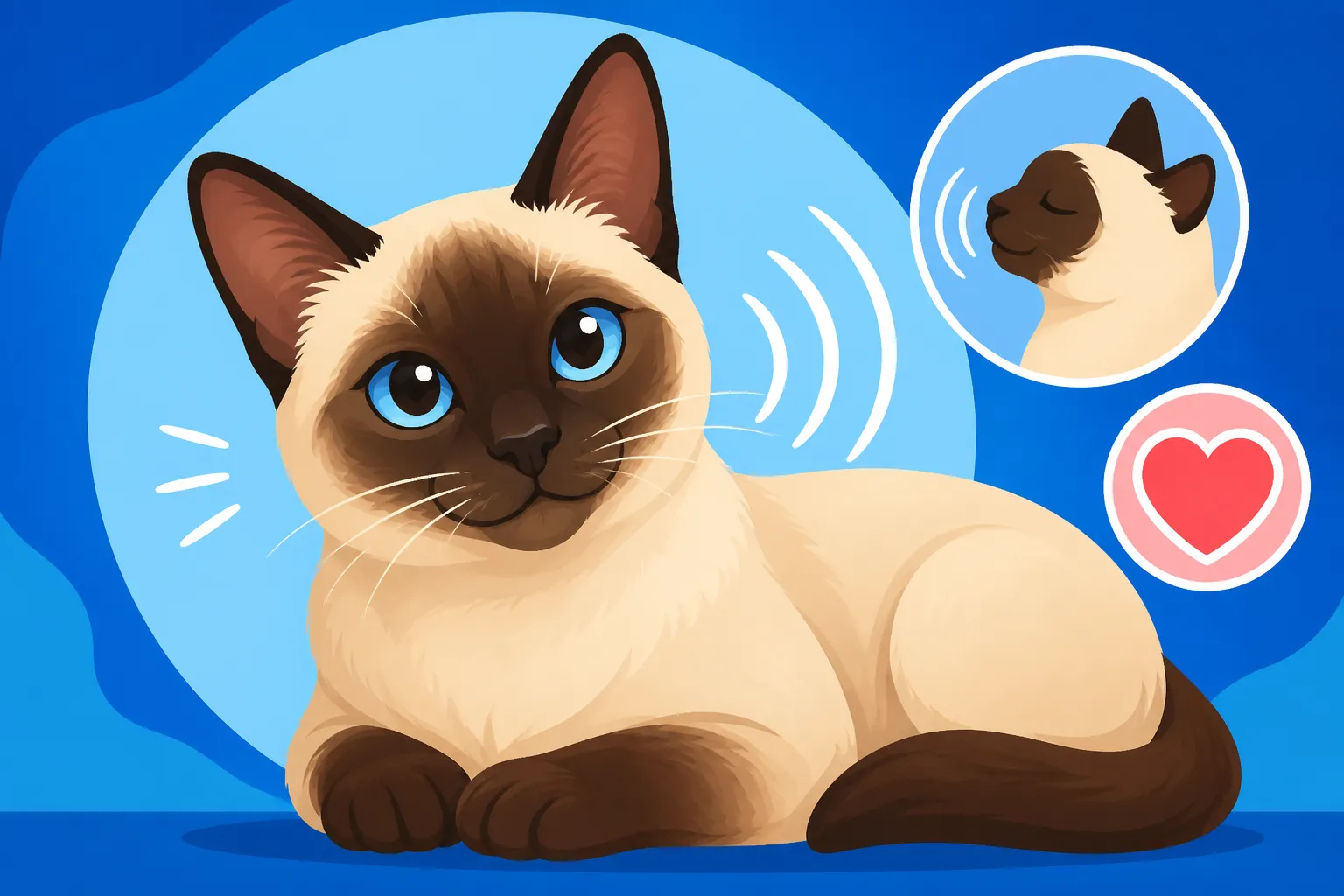
If you've spent any time around different cat breeds, you've probably noticed that not all purrs are created equal. A fluffy Persian might have a delicate, almost whispered purr, while a robust Maine Coon might have a hearty rumble. The Siamese cat, with its slender build and highly vocal nature, often delivers a purr that's remarkably resonant. This isn't just your imagination; there's a physiological component to it. Their laryngeal structure, combined with their generally more "talkative" disposition, can contribute to a purr that feels incredibly deep, almost vibrating through their entire body when they lean against you. It's a sound that seems to emanate from their very core, a continuous, low-frequency vibration that can be felt as much as heard.
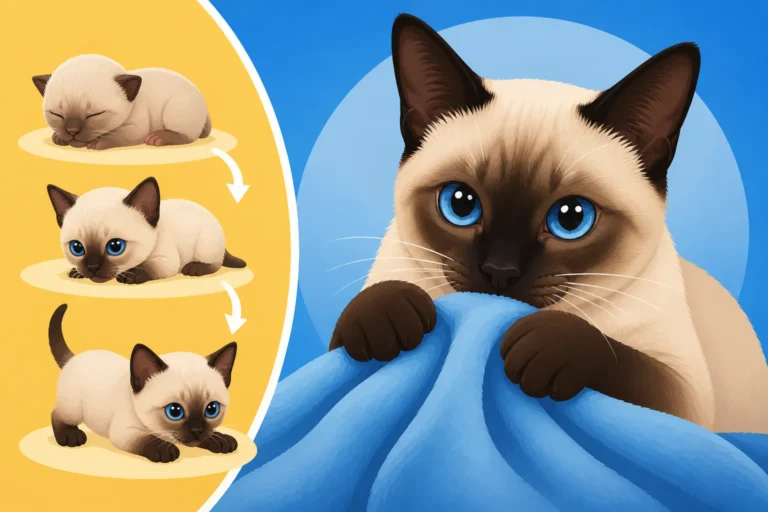
Sometimes, a Siamese purr can almost sound like a little motor running, especially when they're truly settled and happy, kneading biscuits on your lap. This deep resonance can be particularly surprising to new Siamese owners who might be used to quieter, less expressive cats. It’s part of their charm, a constant reminder of their presence and their desire to connect. How Loud a Siamese Cat Is offers more insight into their general vocal tendencies, which clearly extend to their purring habits too. They simply don't do anything quietly!
Decoding the Different Purr Tones
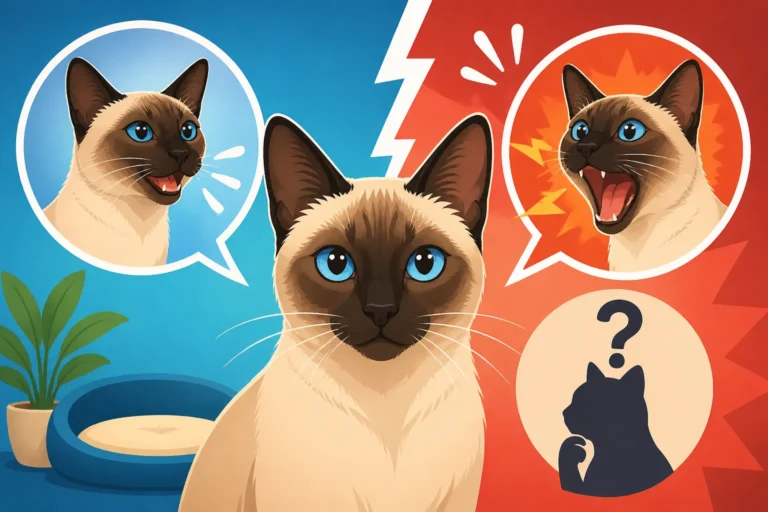
Just as a Siamese uses different meows for different purposes, their purrs can also carry subtle variations in tone, intensity, and accompanying body language, hinting at their current state of mind. It’s not always just about pure happiness, though that’s often the case.
When your Siamese is truly content, perhaps curled up on your chest, you'll likely hear a steady, rhythmic purr – a deep, rumbling vibration that signifies ultimate relaxation. Their eyes might be half-closed, their body soft and pliable. This is the classic "happy" purr, and it's a delightful sound to behold. However, you might also notice a slightly higher-pitched or more urgent purr when they're seeking attention. Perhaps they're nudging your hand for more pets or trying to get you to fill their food bowl. This "demand" purr often has a different cadence, sometimes interspersed with a soft chirrup or a gentle head-butt. They've learned that this particular sound often gets a quick response from their devoted humans.
It's crucial to pay attention to these nuances because they are incredibly communicative creatures. A subtle change in their purr, combined with other cues like their tail swishing or their ears twitching, can tell you a lot about what they need or how they're feeling. Ignoring these subtle signals can lead to a frustrated Siamese, and believe me, you don't want a frustrated Siamese.
The Science Behind the Siamese Purr
The ability to purr is one of the most intriguing aspects of feline physiology. While we often associate it solely with contentment, the mechanisms and reasons behind purring are far more complex and fascinating, extending beyond simple happiness, particularly in a breed as intelligent and communicative as the Siamese.
The Mechanics of Purring in Cats
So, how exactly does a cat produce that wonderful purring sound? It’s not quite as simple as having dedicated "purr muscles." Instead, it's a rhythmic contraction and relaxation of the laryngeal muscles, which control the vocal cords. As the cat breathes in and out, the air passes over these rapidly vibrating muscles, creating the continuous low-frequency sound we recognize as a purr. This muscular activity is controlled by a neural oscillator in the cat's brain. It's a unique evolutionary adaptation that allows them to produce these vibrations at a frequency of about 25 to 150 Hertz.
What's particularly interesting is that this rapid oscillation means the cat is essentially purring continuously, both on the inhale and the exhale, creating that smooth, unbroken rumble. This is different from a human vocalization, where we typically only make sound on the exhale. For a Siamese, with their lean bodies and strong lung capacity, this mechanism can create an incredibly powerful and palpable purr, sometimes making their entire body vibrate as if a small engine is running inside them. It’s a testament to their physical design and their mastery of vocal expression.
Why Cats Purr: Beyond Just Happiness
While a happy, relaxed purr is what we most commonly associate with the sound, cats purr for a variety of reasons, some of which are quite surprising. Yes, they absolutely purr when they're content, getting cuddles, or enjoying a delicious meal. This is their way of expressing pleasure and signaling to you that they feel safe and loved. However, purring also serves a vital self-soothing and healing function. Cats will often purr when they're injured, sick, or stressed. The low-frequency vibrations produced during purring have been shown to promote bone density and aid in the healing of tissues and muscles. Think of it as their built-in natural therapy session. Signs a Siamese Cat Is Unwell might shed more light on when to distinguish between a happy purr and a worried one.
Mothers also purr during birth and while nursing their kittens. This maternal purr serves as a communication tool, guiding blind and deaf kittens to her for warmth and milk, and providing reassurance. For the kittens, purring is a way to signal their well-being and contentment to their mother. So, when your adult Siamese purrs on your lap, they might be tapping into those ancient instincts, signaling that you are their comfort and their provider, just like their mother once was. It's a powerful connection, far deeper than just a simple "I'm happy" sound.
When a Purr Tells a Different Story
Sometimes, that comforting rumble can actually be a sign that something isn't quite right. As empathetic Siamese owners, it's important to learn to differentiate between a purr of pure joy and one that might be signaling distress or discomfort.
Recognizing a Purr of Discomfort or Stress
It can be heartbreaking to realize your beloved Siamese is purring because they're in pain, but it's a common coping mechanism for cats. How do you tell the difference? A purr of discomfort might be accompanied by other subtle cues that tell a different story than a happy, relaxed cat. Look for changes in their posture: are they hunched, withdrawn, or unwilling to move? Are their ears flattened or swiveling rapidly? Is their tail tucked or twitching agitatedly? Are their eyes dilated or squinted? A cat purring out of pain might also be panting slightly, drooling, or exhibiting aggression if you try to touch a sensitive area. They might even purr more intensely than usual, almost as if trying to self-medicate with the vibrations.
For example, if your Siamese is usually quiet but suddenly starts purring very loudly and constantly while hiding under the bed, that's a red flag. Or if they purr while trying to get away from being petted, it could indicate discomfort rather than pleasure. Always observe the whole picture: body language, appetite, litter box habits, and overall demeanor. If you suspect your Siamese is purring due to pain or illness, a trip to the vet is definitely in order. They might be dealing with anything from dental issues to something more serious like Amyloidosis Is the Disease That Kills Young Siamese Cats.
The Silent Purr and Other Peculiarities
Have you ever seen your Siamese cat's throat vibrating, felt the rumble, but couldn't quite hear a distinct purr? This is often referred to as a "silent purr," and it’s a fascinating phenomenon. It typically means the cat is purring at a very low frequency, sometimes outside the range of human hearing, or the sound is just so subtle that it's barely audible. It's still a purr, with all its inherent benefits and meanings, just quieter. This can happen when they are extremely relaxed, almost in a trance, or sometimes when they are very young or very old, and their vocalizations are less robust.
Another interesting purring quirk is when Siamese cats purr while eating, or even just before eating. This is often a sign of immense pleasure and excitement, combining their satisfaction with their primal instinct for food. It’s a very common behavior, especially for these food-motivated and vocal cats. Older Siamese cats might also have a slightly different purr. As they age, their vocal cords and overall muscle tone can change, leading to a softer, sometimes more sporadic purr. Pay attention to What Changes in a Siamese Cat After Twelve for more insights into how their behavior evolves with age. All these variations are part of the rich tapestry of Siamese cat communication.
| Purr Type | Common Contexts | Accompanying Signals | Likely Meaning |
|---|---|---|---|
| Content Purr | Cuddling, napping, gentle petting, grooming | Relaxed posture, half-closed eyes, kneading, slow blinking | Happiness, comfort, safety, affection |
| Demand Purr | Before meals, wanting attention/play, seeking entry to a room | Head-butts, rubbing, direct eye contact, walking in front of you | Requesting something, seeking interaction |
| Healing/Stress Purr | After injury, during illness, vet visits, during labor | Hunched posture, hiding, dilated pupils, reluctance to move | Self-soothing, pain relief, anxiety |
| Silent Purr | Deep relaxation, sometimes older or very young cats | Visible throat vibration, body warmth, often quiet room | Extreme contentment, calm, or slight vocal change |
Encouraging Positive Purring & Well-being
Given how much joy a happy Siamese purr brings, it’s only natural to want to foster an environment where your feline friend feels comfortable and secure enough to let those deep rumbles flow freely. A content Siamese is a purring Siamese, and creating that contentment is key.
Creating an Environment for Contentment
Siamese cats thrive on interaction and mental stimulation. They are incredibly intelligent and easily bored, which can sometimes lead to destructive behaviors if their needs aren't met. To encourage those happy purrs, ensure your home offers plenty of opportunities for play and exploration. This means investing in a variety of toys – feather wands, crinkle balls, puzzle feeders – that you can rotate regularly to keep things fresh. You can find excellent options on Amazon to keep your Siamese engaged for hours. Consider vertical space, too; cat trees and wall-mounted shelves give them perches to survey their kingdom and feel secure. Enrichment for a Siamese Cat That Gets Bored in an Hour offers fantastic ideas for keeping their active minds occupied.
Beyond toys, routine and affection are paramount. Siamese cats are creatures of habit and deeply bond with their humans. Regular play sessions, consistent feeding times, and plenty of dedicated cuddle time will make them feel secure and loved. Cozy sleeping spots, perhaps a soft bed from Amazon placed in a sunny window, also contribute greatly to their overall happiness. Remember, a well-stimulated and well-loved Siamese is a healthy and purring Siamese.
How to Respond to Your Siamese Cat's Purrs
Your response to your Siamese cat's purrs is a crucial part of your bond. When they're purring happily on your lap, it's an open invitation for interaction. Return their affection with gentle strokes, soft words, and perhaps a slow blink to show you understand and appreciate their contentment. This reinforces their positive behavior and strengthens the trust between you. They learn that purring brings them more of what they love – your attention and warmth.
If you notice a demand purr, especially around meal times, acknowledge it. This doesn't mean giving in to every demand immediately, but rather showing you hear them and will address their needs appropriately. For instance, if they purr for food, respond with a verbal acknowledgment and then proceed with their regular feeding schedule rather than immediately dropping everything. For wool-sucking behaviors that might be accompanied by purring, as discussed in Why a Siamese Cat Sucks Wool, understanding the underlying reasons (comfort, stress, genetics) and offering appropriate alternatives, perhaps a specially designed chew toy available on Amazon, is more helpful than simply ignoring them. By being responsive and understanding the nuances of their purrs, you can deepen your connection and ensure your Siamese feels truly heard and cherished.
Disclaimer
This article is for general informational purposes only and does not constitute professional advice. Laws, prices and regulations vary by location and change over time. Consult a qualified professional for guidance on your specific situation.