How Attached a Siamese Cat Gets to One Person
You’ve welcomed a Siamese cat into your life, and you quickly realize these aren't just any felines. They're intense, vocal, and incredibly involved. A common question I hear from new (and even experienced!) Siamese parents is, "How attached does a Siamese cat get to one person?" The short answer? Very. These beautiful, intelligent creatures are renowned for forming incredibly deep, often singular, bonds with one human, sometimes leaving other family members feeling a little left out in the cold. This guide will delve into the profound connection Siamese cats forge, why they choose their "person," and how to navigate these unique dynamics within your household.
The Nature of the Siamese Bond: More Than Just a Pet
Siamese cats are often called "dog-like" for a reason. They thrive on interaction, demand attention, and often follow their chosen human from room to room, engaging in conversations that are less meow and more full-blown dialogue. This isn't your aloof, independent housecat; this is a companion who wants to be with you, on you, and involved in everything you do.
The "Velcro" Cat Phenomenon
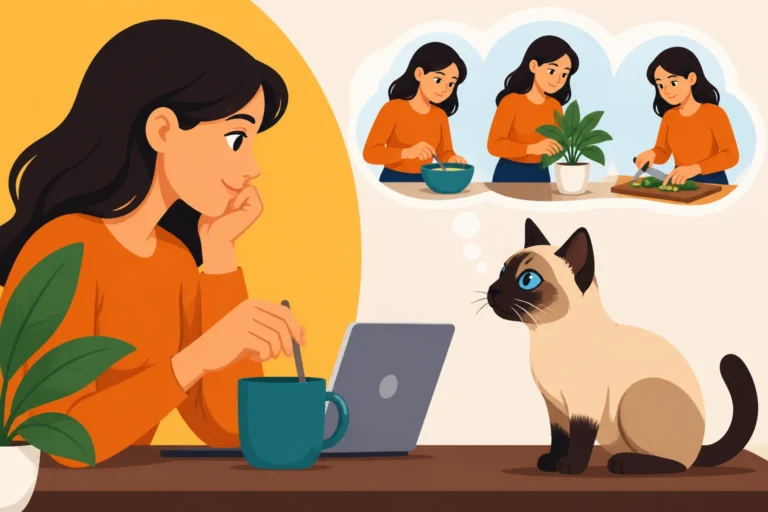
If you've ever owned a Siamese, you know exactly what I mean by "Velcro cat." They stick to you. Whether you're working, relaxing, cooking, or even in the bathroom, your Siamese is likely right there, a constant shadow. This isn't just a casual presence; it's an active participation. They might sit on your lap while you read, drape themselves over your shoulders as you type, or even demand to be held while you do chores. This intense physical proximity and constant desire for engagement can be incredibly endearing, but it also means they don't just "coexist" with you; they integrate themselves into every facet of your daily life. It’s a full-on commitment, on their part and yours!
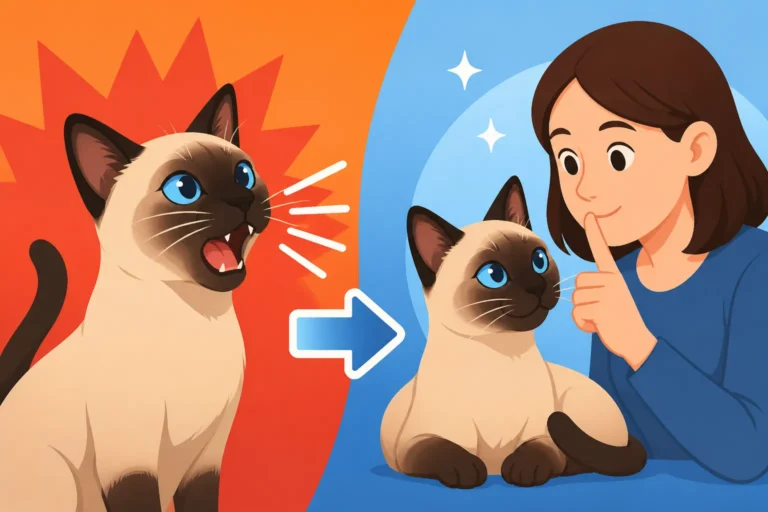
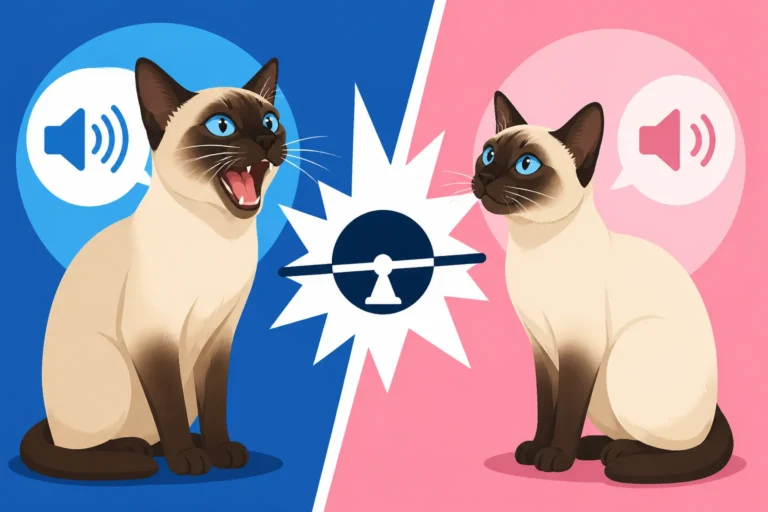
This need for closeness stems from their deep emotional intelligence and their desire for connection. They aren't just looking for food or shelter; they're seeking companionship and interaction. This is why a Siamese might be purring contentedly on your lap one moment, and then letting out a piercing What the Siamese Cat's Meezer Yowl Sounds Like the next if you dare to stand up and walk away. They expect to be part of the action, and they’re not shy about expressing their displeasure if they feel ignored. Their entire world often revolves around their primary human, leading to a bond that feels less like pet ownership and more like a true partnership.
Historical Roots of Their People-Oriented Nature
The Siamese cat's intensely social nature isn't just a quirk; it's deeply ingrained in their history and genetics. Originating from ancient Siam (modern-day Thailand), these cats were historically kept by royalty and within temples. They weren't just common barn cats; they were revered companions, accustomed to a life of close human interaction and attention. This long history of living in close quarters with people, often as indoor pets rather than outdoor hunters, has shaped their temperament over centuries.
Unlike some breeds that were valued primarily for their pest control abilities, Siamese cats were cherished for their striking appearance and distinctive personalities. This selective breeding over generations, favoring traits like intelligence, vocalization, and a strong desire for human company, has resulted in the modern Siamese we know today. They literally evolved to be people-focused. When you consider this background, it makes perfect sense why they form such profound attachments. They've been bred to demand and reciprocate human affection, making them truly unique in the feline world. They expect to be noticed and integrated into the family, rather than simply tolerated.
Why a Siamese Cat Picks a "Person"
While Siamese cats are generally affectionate, they often develop an undeniable preference for one individual in a household. This isn't always about who feeds them, though that certainly plays a role! It's a complex mix of factors, from consistency to subtle personality traits. Understanding these elements can help you appreciate the depth of their bond and even encourage a more balanced affection within the family.
The Primary Caregiver Connection
It’s often said that the hand that feeds them is the hand they love, and there's definitely truth to that with a Siamese. The person who consistently provides their meals, fresh water, and regular litter box care often becomes their primary focus. However, it goes beyond just sustenance. The primary caregiver is usually the one who establishes routines – morning greetings, bedtime cuddles, and consistent play sessions. This predictability and reliability create a strong sense of security and trust.
For instance, if you're the one who always gets up first to dish out breakfast, and then later leads them to their favorite Amazon scratching post for an afternoon play, your Siamese quickly learns to associate you with comfort, joy, and the fulfillment of their basic needs. This doesn't mean other family members are irrelevant, but the one who consistently meets these fundamental requirements often becomes the "safe harbor" in their world. This foundational connection is incredibly powerful, setting the stage for an even deeper emotional bond. If you’re wondering, How Often a Siamese Cat Needs a Wellness Exam, it’s often the primary caregiver who takes them, further solidifying that bond through shared (if sometimes stressful) experiences.
Personality Matches and Communication Styles
Beyond basic care, a Siamese cat often gravitates towards the person whose personality and communication style most align with their own. Siamese cats are highly intelligent and incredibly perceptive. They pick up on subtle cues, tones of voice, and even energy levels. If you're a calm, patient person who talks to them frequently and listens to their expressive meows, you're likely to win their heart over someone who might be louder, more erratic, or less inclined to "converse" with them.
Imagine a household where one person always rushes around, giving quick pats, while another sits quietly for long periods, offering gentle strokes and soft words. The Siamese, a creature of intense focus and vocalization, will naturally feel more understood and connected to the latter. They thrive on engagement, and if you're the one who enjoys their chatty nature and responds in kind, you're essentially speaking their language. What a Siamese Cat's Temperament Is Really Like is demanding, and they appreciate someone who meets that demand on their terms, making that person their chosen confidante and companion.
Consistency and Routine
Siamese cats are creatures of habit and thrive on routine. The person who provides the most consistent and predictable interactions often becomes their favorite. This isn't just about feeding times, but about when and how attention is given. If you're the one who always sits down on the sofa for an hour in the evening and invites them onto your lap for a dedicated cuddle session, that consistent expectation builds a very strong bond. They learn your schedule, your habits, and when they can expect their special time with you.
Think about it from their perspective: every day, certain actions from you lead to positive outcomes – warmth, affection, play, food. This creates a sense of reliability and security that is incredibly comforting for them. Any deviation can be unsettling, which is why they might become agitated or How Jealous a Siamese Cat Gets if their routine with you is disrupted by another person. The predictable rhythm of your interaction reinforces your position as their anchor, their constant.
Living with a One-Person Siamese: The Dynamics
Having a Siamese cat deeply bonded to one person can create unique dynamics within a multi-person household. While incredibly special for the chosen individual, it can sometimes lead to challenges for others and even for the cat if their person is unavailable.
The Favorite Human's Experience
For the chosen human, having a Siamese cat's undivided devotion is often a truly heartwarming experience. You'll be greeted at the door with excited meows, followed from room to room, and sought out for cuddles and attention whenever you sit down. It feels incredibly special to be the recipient of such intense affection. This deep connection can provide immense emotional support and companionship, feeling like you have a tiny, furry shadow who genuinely loves and understands you. They might even try to "help" you with tasks, batting at your pen while you write or supervising your cooking from a safe distance.
However, it's not always sunshine and purrs. This intense attachment also comes with a significant responsibility. Your Siamese might protest loudly if you leave them alone, even for short periods, and their vocalizations can be quite persistent. A Siamese Cat Will Not Be Ignored, after all. You might find yourself constantly moving them off your keyboard, navigating around them in the kitchen, or being woken up in the middle of the night for cuddles or play. It’s a delightful burden, but a burden nonetheless, requiring patience and a deep understanding of their needs for constant interaction and reassurance.
The "Other" Family Members' Perspective
For other family members, living with a one-person Siamese can be a mixed bag. While they might appreciate the cat's beauty and quirky personality, it can sometimes feel like a competition for affection that they can't win. The Siamese might tolerate pats from others but reserve their purrs, headbutts, and lap time exclusively for their chosen person. This can lead to feelings of rejection or frustration, especially if children are involved and eager to interact with the cat.
The "other" family members might find their attempts at play or affection met with indifference, a quick walk-away, or even a soft growl if they try to interfere with the cat's time with their favorite human. It’s not necessarily malice; it’s just extreme preference. It's important for everyone in the household to understand that this behavior isn't personal. It's just how the Siamese breed often forms attachments. Patience and consistent, gentle engagement from all members are key, but managing expectations is even more important.
Managing Jealousy and Exclusivity
When a Siamese cat forms such a strong bond with one person, it's not uncommon for them to display signs of jealousy or exclusivity towards other family members or even new additions to the household. This can manifest as hissing at someone who tries to pet their person, blocking access to their favorite lap, or even protesting loudly if their chosen human is giving attention to someone else. It's a territorial display of affection, essentially saying, "This human is my human."
This behavior can be challenging to manage, especially if it leads to conflict between the cat and other family members. It requires the favored person to set boundaries gently and consistently, ensuring that the cat understands that affection is shared. While the Siamese cat’s devotion is flattering, it's crucial to prevent it from becoming disruptive or causing stress within the home. The cat needs to learn that everyone in the family is a source of love and security, not just one individual.
Nurturing Bonds with All Family Members
Even with a deeply bonded Siamese, it’s entirely possible to encourage affection and positive interactions with everyone in the household. It requires a bit of strategy, a lot of patience, and consistency, but it's well worth the effort for a happier, more integrated feline family member.
Shared Playtime and Positive Reinforcement
One of the most effective ways to help a Siamese cat bond with more people is through shared playtime. Play is a huge bonding tool for cats, and Siamese cats, with their high energy and intelligence, absolutely adore interactive play. Think about feather wands, laser pointers (used responsibly!), or toys that dangle and mimic prey. If different family members regularly engage the Siamese in vigorous, fun play sessions, the cat will begin to associate those individuals with positive, stimulating experiences. How Much Play a Siamese Cat Needs is often more than people realize, making these sessions excellent opportunities for connection.
It's not just about the act of playing; it’s about the quality of the interaction. Using positive reinforcement, such as treats after a good play session or praising them with a happy voice, further strengthens these new bonds. Even something as simple as a puzzle feeder from Amazon that requires interaction with another family member can build positive associations. The goal is to make every family member a source of fun, not just the primary caregiver. This breaks down the perception that only one person provides all the good things in life.
Gradual Introduction to Caregiving Roles
While the primary caregiver often establishes the deepest bond, slowly introducing other family members into caregiving roles can broaden the Siamese's affection. This doesn't mean completely taking over, but rather sharing responsibilities. For example, one person might handle breakfast, while another does dinner. Someone else can take on the daily treat distribution or the evening brushing session.
| Caregiving Task | Primary Person (Initial) | Secondary Person (Introduced) | Outcome |
|---|---|---|---|
| Morning Feeding | Yes | No | Strong bond with Primary Person |
| Evening Feeding | Yes | Yes (gradually) | Associate Secondary Person with positive resource |
| Play Sessions (daily) | Yes | Yes (different times) | See both as sources of fun and interaction |
| Litter Box Cleaning | Yes | Yes (occasionally) | Associate both with clean environment (less direct) |
| Grooming/Brushing | Yes | Yes (gentle, short sessions) | Builds trust and comfort with touch |
| Bedtime Cuddles | Yes | Encourage proximity with Secondary | Slowly associate Secondary with comfort/sleep time |
This gradual handover of duties, especially those associated with positive outcomes like food and treats, helps the Siamese realize that good things come from multiple sources. It expands their circle of trust and dependency beyond just one individual. It's crucial that these transitions are gentle and consistent, avoiding any sudden changes that might stress the cat.
Creating Inclusive Spaces and Routines
To prevent a Siamese from becoming too exclusive, it's important to create an environment where all family members are seen as part of their comfort zone. This means discouraging the cat from acting aggressively or possessively towards the favored human when others are present. For example, if the Siamese hisses when another person approaches "their" human on the sofa, the favored human should gently but firmly redirect the cat, or even get up briefly to demonstrate that such behavior doesn't achieve its desired outcome.
Encourage all family members to spend calm, positive time with the Siamese, even if it's just sitting in the same room reading quietly. Provide multiple cozy sleeping spots throughout the house so the cat doesn't feel compelled to always be right next to one person. Having a variety of cat trees, beds, and sun spots, perhaps even some bought from Amazon, can make the home feel more universally inviting. Establishing family-wide routines, like a group play session before bed, or everyone participating in a morning greeting ritual, can also help integrate the cat into the broader family unit, rather than just being a "plus one" to a single person.
When Attachment Becomes Anxiety
While the deep bond with a Siamese cat is wonderful, there's a fine line between healthy attachment and unhealthy dependence or separation anxiety. Recognizing the signs and addressing them early is crucial for your cat's well-being and your household's peace of mind.
Distinguishing Strong Attachment from Separation Anxiety
A strongly attached Siamese will love being with you, follow you around, and be vocal about wanting your attention. This is normal and characteristic of the breed. They might be a bit sad when you leave, perhaps watching you go with a mournful meow, but they’ll settle down relatively quickly and greet you with enthusiasm when you return. This is a sign of a healthy, secure attachment.
Separation anxiety, however, is a different beast entirely. This is when the cat experiences extreme distress when left alone. Signs include excessive vocalization (far beyond their usual chatter), destructive behavior (like scratching furniture or inappropriate urination/defecation), self-mutilation (such as excessive licking leading to bald spots, a condition known as What Psychogenic Alopecia Does to a Siamese Cat), pacing, and refusing to eat or drink until their person returns. This isn't just missing you; it's a panic response. If you're seeing these more severe signs, it's time to consider intervention. For more details, you might want to read What Separation Anxiety Looks Like in a Siamese Cat.
Signs of Unhealthy Dependence
An unhealthy dependence goes beyond simply preferring one person; it can mean the cat struggles significantly if that person is not present, even if other family members are. If your Siamese refuses to eat unless their chosen human is in the room, or if they constantly cry or search for that specific person even when others are offering comfort, these are red flags. Another sign might be extreme clinginess that prevents the favored human from moving freely or engaging in normal activities without a frantic protest from the cat.
Consider the scenario where a favored human goes on vacation. A cat with healthy attachment might miss them but will adapt and accept comfort from other family members. A cat with unhealthy dependence, however, might become withdrawn, refuse to eat, or exhibit signs of illness, indicating a profound inability to cope without their specific human. This level of reliance can be debilitating for the cat and incredibly stressful for the human, especially when How to Prepare a Siamese Cat for a Return to the Office becomes a reality after a long period of working from home.
Strategies for Reducing Over-Attachment Stress
If you suspect your Siamese is struggling with over-attachment or separation anxiety, there are several strategies you can employ to help them cope. The goal is to build their confidence and broaden their support system within the household.
First, gradually desensitize them to your departures. Start with short absences, leaving for just a few minutes, then returning. Slowly increase the duration. Avoid making a big fuss when you leave or return; keep it calm and low-key. This teaches them that your departures are normal and you will always come back.
Secondly, ensure other family members are actively engaging with the cat. Encourage consistent play, feeding, and cuddle times with everyone. Puzzle toys and interactive feeders (many available on Amazon) can keep them mentally stimulated and occupied when you're not directly available. Consider using pheromone diffusers, like Feliway, which can help create a calmer environment.
Lastly, never punish anxiety-driven behaviors. Your cat isn't acting out of spite; they're genuinely distressed. Instead, focus on redirection and positive reinforcement for calm behavior. If the problem is severe, consulting with a veterinary behaviorist can provide tailored strategies and, if necessary, discuss medication to help manage their anxiety. This will make life easier for everyone, including if the cat needs to be cared for by others, or even if you have to consider How a Siamese Cat Copes With Boarding.
Disclaimer
This article is for general informational purposes only and does not constitute professional advice. Laws, prices and regulations vary by location and change over time. Consult a qualified professional for guidance on your specific situation.