How a Siamese Cat Greets a Stranger
When a new face walks into your home, you might be picturing a serene cat observing from a distance, perhaps a quick sniff and then a retreat to a sunbeam. But with a Siamese cat, that picture is often far more dynamic and, shall we say, vocal! Many first-time Siamese owners, and even seasoned cat lovers, are completely taken aback by the intensity and unique rituals a Siamese cat employs to size up and greet a stranger. This guide will dive deep into the fascinating, sometimes theatrical, ways your Siamese will welcome—or scrutinize—a new visitor, helping you understand their complex communication.
The Siamese Cat's Initial Assessment: A Full-Body Read
Before your Siamese even thinks about getting close, they're performing a thorough, multi-sensory evaluation of any new person in their territory. This isn't just a casual glance; it's a full-on data-gathering mission. They want to know everything: Is this person a threat? Are they friendly? Do they have treats? Are they worthy of my attention?
The Observational Phase: From a Safe Distance
Your Siamese cat is a master of observation, often doing their initial assessment from a strategic vantage point. This could be from the top of a cat tree for a Siamese cat costs, perched on the back of a sofa, or even peeking from around a doorframe. They're using their incredibly keen senses – those large, expressive ears are swiveling, picking up nuances in voice tone, and their brilliant blue eyes are focused, taking in every gesture and movement. They're not just looking; they're studying. If the person moves too quickly or makes sudden, loud noises, you'll see those ears flatten slightly, and their body might tense, ready to bolt. They are essentially gathering intelligence, deciding if this "stranger" is friend or foe. They're also taking in scents – what perfumes or colognes are they wearing? What other animals have they been around? All this information contributes to their complex decision-making process.
Subtle Cues and Early Vocalizations
Even before a direct approach, your Siamese is likely communicating their feelings through subtle body language. A slow, steady tail sweep might indicate cautious interest, while a tail held low or tucked could signal apprehension. Ears swiveled forward often mean active listening and curiosity. You might also hear their initial vocalizations – not the full-blown "meezer yowl" just yet, but softer, questioning chirps or trills. These are often directed at you, the owner, as if to say, "Who is this? Are they okay?" It's their way of alerting you to the newcomer and perhaps seeking reassurance. Sometimes, they might even let out a small, almost guttural hrmph sound if they disapprove of a particular movement or sound. It’s their way of broadcasting their initial thoughts to the entire room, including the stranger.
Direct Engagement: When a Siamese Decides to Interact
Once the initial assessment is complete and your Siamese has decided the stranger passes the preliminary sniff test, the direct engagement phase begins. This is where the true Siamese personality shines through, often surprising those unfamiliar with the breed's bold and affectionate nature.
The "Meezer Mingle" Approach
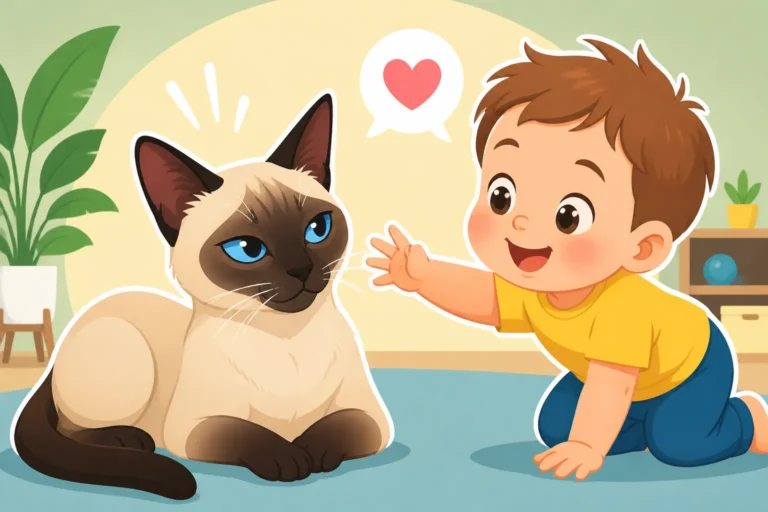
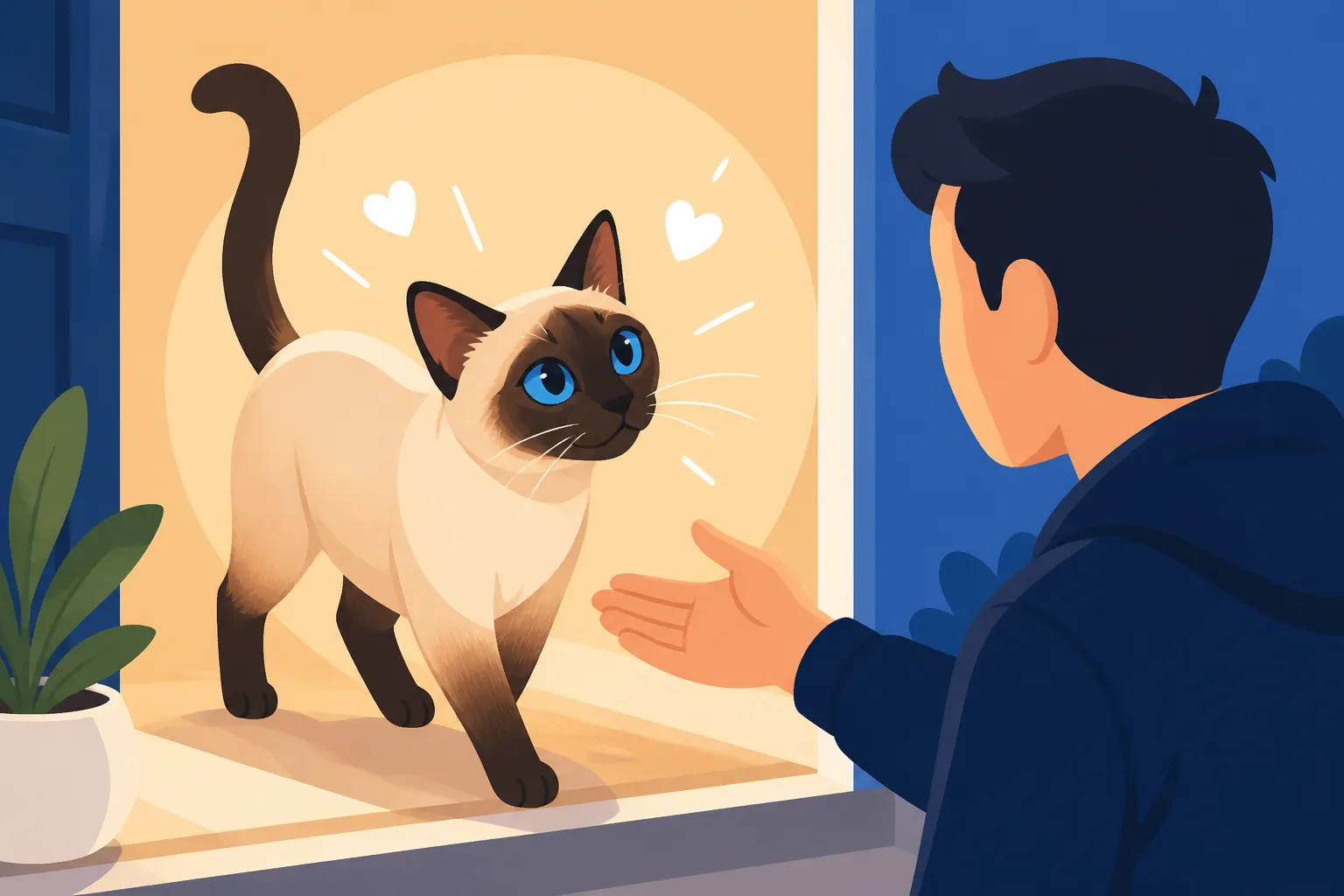
If a Siamese cat feels comfortable, their approach can be quite bold and immediate. They might walk purposefully towards the stranger, tail held high in a friendly, inquisitive "question mark" shape. The classic "meezer mingle" involves weaving in and out of the stranger's legs, sometimes bumping into them. This isn't just a casual stroll; it's a deliberate act of scent marking, transferring their scent onto the person and claiming them, at least temporarily, as part of their accepted social circle. You might also receive the legendary "head-bonk," where your Siamese will gently but firmly butt their head against the stranger's leg, hand, or even face if they're sitting low enough. This is a sign of immense trust and affection, essentially inviting mutual scent exchange and signaling, "You are welcome here." Don't be surprised if they then proceed to knead on your lap, purring like a tiny motor, completely at ease with their new acquaintance.
The Vocal Welcome (or Demand)
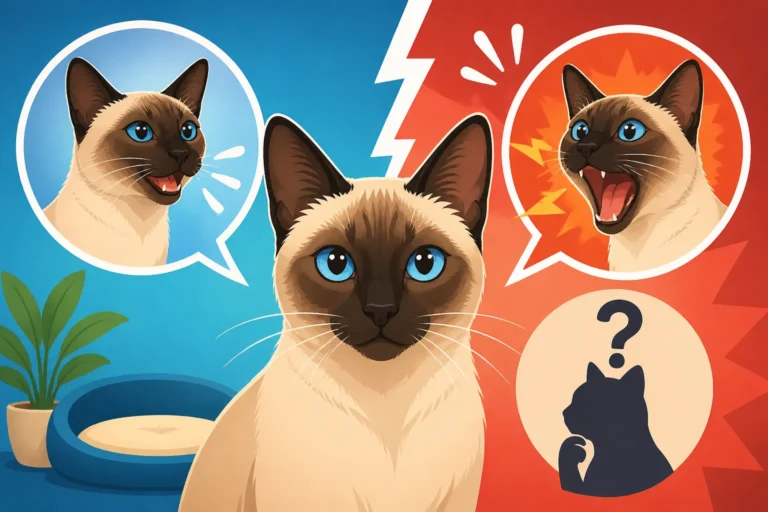
And then there's the voice. Oh, the voice! A Siamese cat is famous for its extensive vocabulary, and a new guest often triggers a performance. Once they've decided to engage, the chirps and trills can quickly escalate into a full-blown conversation. They might greet the stranger with a series of loud, insistent meows, sometimes sounding uncannily like a human baby crying, clearly asking for attention or demanding to be acknowledged. This isn't just noise; it's communication. They might be asking, "What are you doing here?" or "Pet me now!" or even "Where's the food you brought?" What the Siamese Cat's Meezer Yowl Sounds Like is something many owners learn to interpret, and a stranger will certainly get an introduction to it. Some Siamese will sit and stare, letting out a drawn-out, almost mournful yowl until the stranger makes eye contact or offers a gentle hand. It's their way of asserting their presence and initiating interaction on their own terms.
The Reserved but Accepting Greeting
While many Siamese are outgoing, it's important to remember that not every Siamese cat is a stage performer. Some are more reserved, especially if they haven't been extensively socialized as kittens or if they're naturally shyer. A reserved Siamese might still approach, but instead of the grand vocal performance, they might opt for a quieter greeting. This could involve a gentle rub against the leg, a soft brush of their tail, or simply settling down a few feet away, watching contentedly. The key here is acceptance. Even if they're not purring loudly or head-bonking, their willingness to remain in the same room and not flee signifies a positive, albeit quiet, greeting. They are acknowledging the stranger's presence and indicating that they are not perceived as a threat. This form of greeting still means they've done their assessment and deemed the person acceptable, which for a shy cat, is a huge compliment.
Factors Influencing a Siamese Cat's Greeting Style
It's clear that Siamese cats have a range of greeting behaviors, from the boisterously friendly to the quietly accepting. But what makes one Siamese cat a social butterfly and another more of an introvert when new people are around? Several factors play a significant role.
Personality and Socialization: Shaping Interactions
Just like people, every Siamese cat has a unique personality. Some are naturally more confident and curious, eager to investigate any novelty, including new humans. Others are more cautious, preferring to observe from afar until they feel entirely safe. Early socialization is a huge determinant here. Kittens exposed to a variety of people, sounds, and experiences during their critical developmental period (roughly 2-7 weeks old) tend to grow into more well-adjusted and outgoing adults. A Siamese kitten raised in a quiet, isolated environment might be more wary of strangers simply because they haven't learned that new people can be a source of positive interactions. If a cat has had negative experiences with strangers in the past, they might also be more hesitant. This is something to consider if you've adopted a rescue cat; their past experiences can heavily influence how a Siamese cat reacts to a new partner or a casual guest.
Environmental Comfort and Familiarity
The environment itself plays a massive role in how a Siamese cat greets a stranger. A cat in a familiar, secure home environment is far more likely to feel confident enough to approach and interact. If the household is generally calm and predictable, the introduction of a new person is less likely to be perceived as a major disruption or threat. Conversely, a cat living in a chaotic or stressful home, or one that has recently experienced a significant change like how a Siamese cat handles a house move, might be more anxious and less inclined to greet strangers. Providing safe havens, like high perches or cozy hideaways (you can find great options on Amazon), can help a cat feel more secure, giving them the option to observe or retreat as needed, which ultimately leads to more confident interactions when they choose to engage. The general vibe of the house and the comfort level of the resident humans will often reflect in the cat's behavior.
The Stranger's Approach: Quiet Confidence is Key
Believe it or not, how the stranger behaves also significantly impacts the Siamese cat's greeting. A loud, boisterous person who immediately tries to grab or pick up the cat is likely to be met with a swift retreat or even a defensive hiss. Siamese cats, like most felines, prefer to be in control of interactions. A calm, quiet, and patient approach is always best. A person who sits quietly, allowing the cat to approach on their own terms, and perhaps offers a hand slowly for sniffing, is far more likely to receive a positive greeting. Avoid direct eye contact initially, as this can be perceived as a challenge. Instead, a soft, slow blink can signal non-aggression and friendliness. If the stranger emits calm, positive energy, the Siamese is much more likely to reciprocate.
How to Foster a Positive First Impression (for the Stranger)
As an owner, you can coach your visitors on the best way to interact with your Siamese cat to ensure everyone has a positive experience. It's about respecting the cat's nature and understanding their unique communication style.
Respecting Boundaries: Let the Cat Come to You
This is the golden rule when meeting any cat, but especially a Siamese. Never force an interaction. Advise your guests to resist the urge to immediately reach out and pet your cat. Instead, encourage them to sit down, speak in soft tones, and allow your Siamese to initiate contact. Your cat needs to feel safe and in control. If they approach, great! If they choose to observe from a distance, that's fine too. A polite guest understands that building trust takes time and patience. Trying to chase or corner a Siamese will only make them more wary and ensure they'll avoid that person in the future. Remember, it's always on the cat's terms, and an invitation to interact is a privilege, not a right.
Gentle Interaction Techniques: Slow and Steady Wins the Purr
Once your Siamese approaches, gentle techniques are essential. Advise your guests to offer a closed fist for the cat to sniff, allowing them to gather scent information without feeling threatened by an open hand. If the cat rubs against their hand, a gentle stroke along the back or under the chin is usually welcome. Avoid tummy rubs unless you know your cat loves them, as this can be a vulnerable area. Slow blinks are a universal cat-friendly gesture that signals trust and relaxation; encourage your guests to try them! Interactive toys, especially wand toys, can also be a fantastic icebreaker. You can find a wide variety of engaging options on Amazon that allow for play from a safe distance, building positive associations without direct physical contact initially. This play can really help a shy Siamese come out of their shell and associate the stranger with fun.
Using Scent and Treats: Positive Reinforcement
Food, glorious food! Treats can be an excellent way to win over a cautious Siamese. Have some small, high-value treats on hand (again, Amazon has a great selection of cat-approved snacks). Advise your guests to offer a treat gently, either by placing it on the floor a short distance away or by holding it out carefully. This creates a positive association with the stranger. Additionally, scent can be powerful. If your cat is particularly shy, you might give your guest a clean, soft cloth to rub on their hand for a few minutes before they arrive. Then, you can place this cloth near your cat's favorite spot, allowing them to get used to the stranger's scent in a non-threatening way before the actual meeting. This pre-exposure can significantly reduce anxiety and pave the way for a warmer greeting.
Here's a quick summary of Siamese cat greeting behaviors and what they might mean:
| Behavior | Potential Meaning | Stranger's Best Response |
|---|---|---|
| Observing from afar | Cautious, assessing the situation | Remain calm, don't stare, let the cat approach |
| Ears swiveling, tail low | Curious but wary, ready to react | Speak softly, offer a slow blink, avoid sudden movements |
| Tail high ("?") | Friendly, inquisitive, open to interaction | Offer a gentle sniff-hand, let them rub against you |
| Chirps or soft meows | Questioning, seeking reassurance, light attention | Respond with a soft voice, acknowledge their presence |
| Loud yowls/demands | Demanding attention, expressing desire for interaction/food | Acknowledge, offer a treat or interactive play (if appropriate) |
| Weaving through legs | Scent marking, showing trust, claiming you as "theirs" | Accept the rubbing, gentle strokes if initiated by the cat |
| Head-bonk | Strong sign of affection, trust, invitation for mutual scenting | Reciprocate with a gentle rub, enjoy the bond! |
| Settling nearby | Acceptance, comfortable with your presence, but not overly engaged | Maintain calm presence, avoid disturbing them |
| Hissing/retreating | Fear, discomfort, needs more space | Give ample space, avoid eye contact, let them calm down |
Ultimately, understanding how a Siamese cat greets a stranger is about appreciating their intelligence and unique personality. They're not just a pretty face; they're an engaged, communicative companion who wants to understand and connect with the world around them. By respecting their process and facilitating positive interactions, you can ensure your Siamese cat and your guests have a harmonious relationship. And who knows, that stranger might just become your Siamese's new best friend, at least until the next visitor arrives! Whether a Siamese Cat Is Right for You depends a lot on whether you can appreciate these intricate interactions.
Disclaimer
This article is for general informational purposes only and does not constitute professional advice. Laws, prices and regulations vary by location and change over time. Consult a qualified professional for guidance on your specific situation.