What a Siamese Cat’s Yowl Means
That piercing, drawn-out cry from your Siamese cat can certainly be startling, even a little unsettling, especially if you're new to the breed. It’s not just a casual meow; it’s a full-bodied pronouncement that seems to demand immediate attention and often leaves us scratching our heads, wondering what on earth they're trying to tell us. This guide is here to help you truly understand "What a Siamese Cat's Yowl Means," breaking down the different reasons behind their famous vocalizations and giving you actionable steps to respond effectively.
Deciphering the Siamese Yowl: More Than Just Noise
If you live with a Siamese, you know their voice is a force of nature. It’s not simply a quiet "mew"; it's an elaborate, often insistent vocalization that can be startling in its intensity. This unique sound, often described as a "Meezer yowl," is a hallmark of the breed and a major part of their captivating personality. Understanding the nuances of this distinctive sound is the first step in truly connecting with your vocal companion.
The Distinctive Sound of a Siamese Yowl
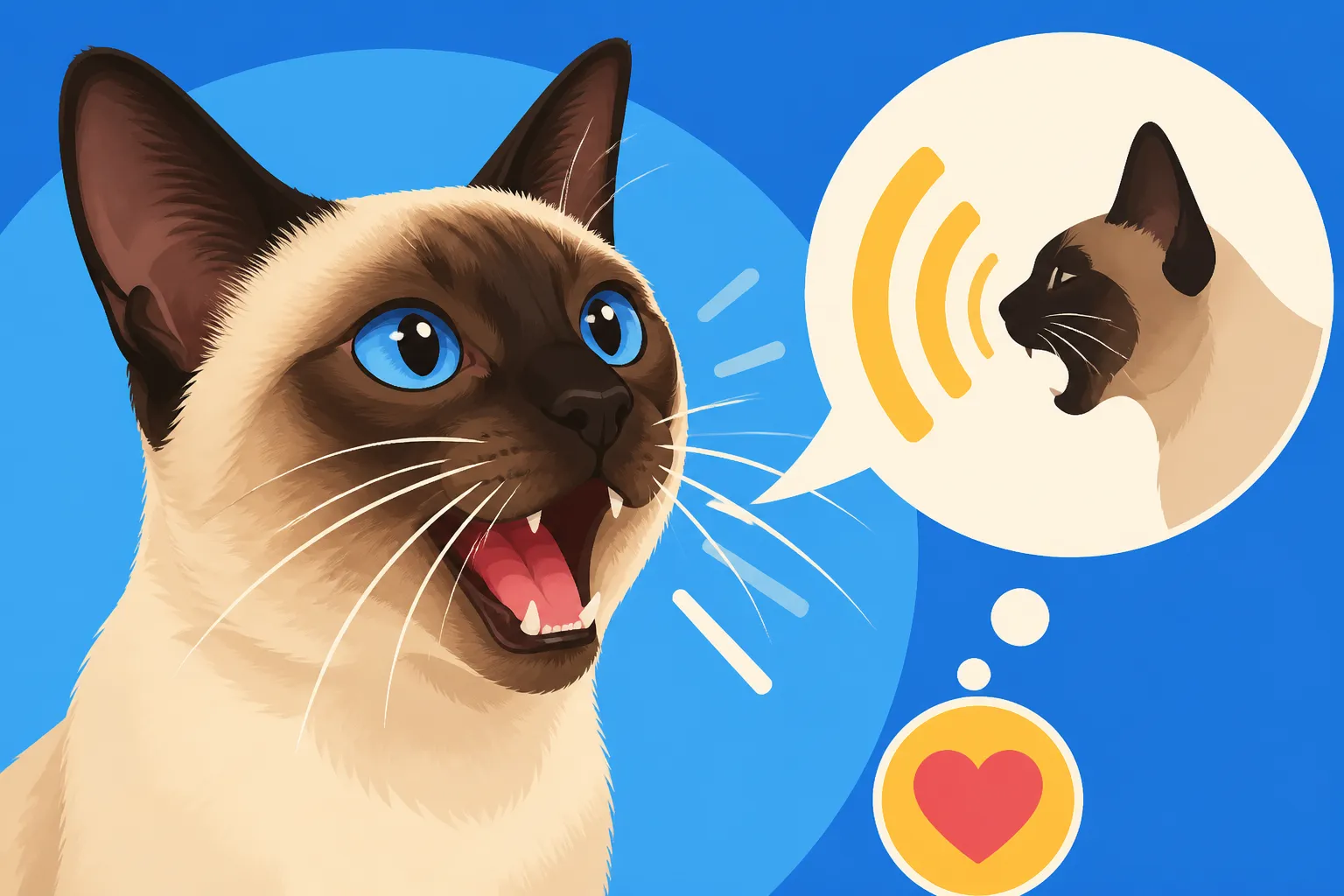
The Siamese yowl is something truly special – and uniquely loud! Unlike the gentle chirp or soft purr of many other cat breeds, the Siamese has a vocal repertoire that includes a deeply resonant, almost operatic cry. It's often compared to the sound of a human baby crying, or sometimes even a wail. This isn't just a volume thing; it's also about the pitch and the extended nature of the sound. When a Siamese yowls, they aren't just making noise; they are articulating a clear, if sometimes mysterious, message. It resonates through the house, demanding your attention in a way that’s hard to ignore. Many a Siamese owner has rushed to their cat, convinced something dire has occurred, only to find their cat staring pointedly at an empty food bowl.
This distinct sound isn't an accident; it's part of their genetic makeup and has been a characteristic of the breed for centuries. Their vocal cords are simply built to project. They truly do talk and expect an answer, often engaging in long, drawn-out "conversations" with their humans. If you've ever found yourself replying to your Siamese in full sentences, you're not alone – it's practically a requirement for living with these chatty felines! It's a sound that's hard to describe accurately without hearing it, but once you've experienced it, you'll never forget it.
Why Your Siamese Cat Yowls at All
So, why are Siamese cats so incredibly vocal? It boils down to their intensely social and communicative nature. These cats aren't content to be silent observers; they want to be participants in your life. Their yowling is their primary tool for communication, a way to express their needs, desires, and even their opinions about the day's events. Think of it as their way of making sure you're paying attention to them, or as their dramatic flair for expressing emotion. A Siamese rarely believes in subtlety.
For example, a Siamese might yowl simply because they are bored and want you to play. Or they might have strong feelings about the state of their water bowl, believing it’s not fresh enough, even if you just filled it. It's their way of keeping you informed and, more often than not, keeping you on your toes. This constant communication isn't a flaw; it's a defining trait that many Siamese owners adore, even if it occasionally tests their patience. The Siamese Cat Talks and Expects an Answer truly describes this breed's approach to human interaction.
The Difference Between a Meow and a Yowl
While all cats meow, the Siamese takes vocalization to a whole new level with its yowl. A typical meow is usually shorter, often a greeting or a request for a quick glance. It can vary in pitch and intensity, but it rarely carries the same profound urgency or sustained volume as a yowl. Think of a meow as a polite tap on the shoulder.
A yowl, on the other hand, is much more deliberate, extended, and often louder. It’s a full-throated, often plaintive sound that can seem to vibrate through your very bones. If a meow is a question, a yowl is a statement – often a very insistent one. It might be used to call you from another room, express deep-seated frustration, or signal discomfort. When your Siamese truly wants something, or is feeling a strong emotion, the meow often gives way to the yowl. Understanding this distinction is crucial for interpreting your cat's communication, as a yowl typically signifies a more significant or urgent message than a simple meow. What the Siamese Cat's Meezer Yowl Sounds Like delves deeper into this unique vocalization.
Common Reasons Behind the Siamese Yowl
A Siamese cat's yowl isn't just random noise; it's a rich language with various meanings. Just like how a baby cries differently depending on whether they're hungry or tired, your Siamese will adjust their vocalizations to convey specific messages. Pinpointing the exact reason behind their yowl can be a bit like detective work, but once you learn to recognize the patterns, you’ll be much better equipped to respond appropriately.
Seeking Attention and Interaction
One of the most frequent reasons your Siamese cat might be yowling is simply because they want your attention. These cats are incredibly social creatures who thrive on interaction with their humans. They don't just want to coexist; they want to participate in your life. If you're engrossed in a book, working on your computer, or just relaxing on the couch, a yowl might be their way of saying, "Hey! I'm here! And I'd much rather you were paying attention to me."
They are masters of getting noticed, and A Siamese Cat Will Not Be Ignored. They might follow you from room to room, sit on your keyboard, or even bat at your leg while letting out a continuous yowl. This isn't necessarily a sign of distress; it's often their way of initiating play, demanding cuddles, or simply engaging in a "conversation." It's their method of reminding you that they are a central figure in your household and deserve your full, undivided admiration. Sometimes, all they truly want is for you to acknowledge them with a stroke, a kind word, or a few minutes of dedicated play.
Hunger, Thirst, or an Unclean Litter Box
Another primary driver for that insistent yowl can be basic physiological needs. Siamese cats are not shy about expressing discomfort or unmet needs. If their food bowl is empty, if the water in their fountain isn't fresh enough (or heaven forbid, if the bowl itself is empty), or if their litter box is anything less than pristine, you can bet you’ll hear about it. And it won't be a quiet complaint.
Imagine this scenario: you're asleep, and suddenly, a mournful yowl echoes through the house. You stumble out of bed, expecting the worst, only to find your Siamese sitting by an empty food bowl, looking at you with an expression that clearly says, "It's about time you got up and did your job!" The same goes for their water. Many Siamese cats are quite particular about their water, preferring running water from a fountain or fresh, clean water presented in a ceramic bowl rather than still water in a plastic dish. An unsanitary litter box can also trigger a yowl, as they are fastidiously clean animals and will express their displeasure loudly if their toilet facilities don't meet their high standards. Addressing these immediate needs can often silence the yowl almost instantly.
Discomfort, Pain, or Medical Issues
While many yowls are simply about communication, it's crucial not to dismiss them as always being just "talkative." Sometimes, a yowl can be a genuine cry for help, signaling discomfort, pain, or an underlying medical issue. Cats are incredibly stoic animals and are masters at hiding pain, but a prolonged or unusual yowl can be one of the few indicators that something is genuinely wrong. When a Siamese Cat's Meowing Means Pain is a resource every owner should be familiar with.
If your Siamese is yowling more frequently than usual, seems restless, is reluctant to be touched, or shows other accompanying symptoms like changes in appetite, litter box habits, or energy levels, it's time for a vet visit. They might be experiencing anything from dental pain to urinary tract issues, or even something more serious. A yowl in this context is not attention-seeking; it's a desperate plea for relief. Always err on the side of caution and consult your veterinarian if you suspect your cat's vocalizations are linked to their health.
Yowling Related to Stress, Anxiety, and Hormones
Beyond basic needs and overt pain, a Siamese cat's yowl can also be a profound expression of their emotional state. These intelligent and sensitive felines can experience stress, anxiety, and the powerful influence of hormones, all of which can manifest as persistent and sometimes heartbreaking yowling. Understanding these emotional triggers is key to providing comfort and peace of mind to your beloved companion.
Dealing with Separation Anxiety
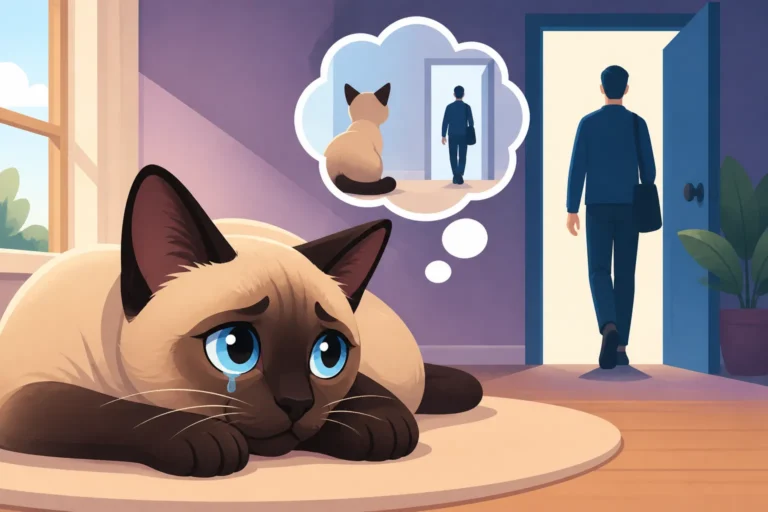
Siamese cats form incredibly strong bonds with their human companions, often described as having a dog-like devotion. This deep attachment, while endearing, can also make them prone to separation anxiety. If your Siamese yowls incessantly when you leave the house, or when you're in another room and they can't see you, it might be a cry of loneliness or distress. They miss you, plain and simple, and they're letting you know it. What Separation Anxiety Looks Like in a Siamese Cat is a common concern for many Siamese owners.
This type of yowling often starts shortly after you leave and can continue for extended periods. It might be accompanied by other anxious behaviors like destructive scratching, inappropriate urination, or frantic greetings upon your return. To mitigate this, consider leaving on a radio or TV for background noise, providing interactive toys, or investing in a cat tree by a window so they can watch the world go by. Some owners find that a Feliway diffuser, which releases calming pheromones, can help create a more serene environment. These can be easily found on platforms like Amazon. Slowly desensitizing them to your departures by starting with short absences and gradually increasing duration can also be beneficial.
Hormonal Calls in Unspayed/Unneutered Cats
The most classic and often unmistakable yowl related to hormones comes from an unspayed female cat in heat or an unneutered male cat seeking a mate. This isn't just a regular vocalization; it's a primal, instinctual call that can be incredibly loud, insistent, and relentless. It's designed to attract attention from miles away, and trust me, it often succeeds in attracting your undivided attention at 3 AM.
An unspayed female in heat will yowl almost constantly, often accompanied by restless pacing, rubbing against furniture, and presenting her rear end. This can last for several days, stop, and then resume a few weeks later. An unneutered male, driven by hormones, might also yowl persistently, especially if he senses a female in heat nearby. He might also spray urine to mark his territory. The solution here is straightforward and responsible: spaying or neutering your cat. Not only does it prevent unwanted litters, but it also eliminates these hormone-driven yowls and significantly reduces other problematic behaviors. This simple procedure will bring peace and quiet back to your home, and greater health to your cat.
Environmental Stressors and Changes
Cats, especially sensitive breeds like the Siamese, are creatures of habit and thrive on routine and predictability. Any significant change to their environment or daily schedule can be a major source of stress, leading to increased yowling. This could be anything from a new pet or person in the household, moving to a new home, changes in your work schedule, or even simply rearranging the furniture.
For instance, if you bring home a new kitten, your resident Siamese might yowl to express their displeasure or anxiety about the intruder. A move to a new apartment, with unfamiliar sights, sounds, and smells, can cause a Siamese to yowl for days as they try to re-establish their sense of security. Even seemingly minor changes, like a new brand of litter or a different feeding time, can throw a sensitive Siamese off balance. It’s important to introduce changes slowly and provide plenty of reassurance, hiding spots, and familiar comforts. Offering extra playtime, a cozy new bed (you can find many highly-rated options on Amazon), or even sticking to their old routine as much as possible can help them adjust and reduce their vocal protests.
Age-Related Yowling: Senior Cats and Cognitive Decline
As our beloved Siamese companions enter their golden years, we often notice changes in their behavior, and their vocalizations are no exception. An increase in yowling in an older Siamese should never be dismissed lightly. It can be a poignant indicator of age-related issues, ranging from cognitive decline to physical discomfort. Understanding these possibilities is essential for providing the best care for your aging feline friend.
Yowling as a Sign of Feline Cognitive Dysfunction
Just like humans, cats can experience cognitive decline as they age, a condition often referred to as Feline Cognitive Dysfunction (FCD) or "feline dementia." One of the most common and distressing symptoms of FCD is disorientation, especially at night, which often manifests as increased yowling. Why an Old Siamese Cat Yowls More is a common question among owners. Your senior Siamese might wake up confused, unsure of where they are or where you are, and their yowl becomes a mournful call for reassurance.
This nocturnal yowling can be particularly unsettling. They might wander aimlessly, stare blankly at walls, or seem to forget their way around familiar spaces. During the day, they might be more withdrawn or interact less. While there's no cure for FCD, there are ways to manage the symptoms and improve your cat's quality of life. Maintaining a consistent routine, providing easily accessible resources (food, water, litter), and creating a safe, predictable environment can help. Some veterinarians may suggest dietary supplements or medications that can help slow the progression of cognitive decline and reduce anxiety, potentially lessening the yowling.
Vision or Hearing Loss in Older Siamese Cats
Another significant reason for increased vocalization in senior Siamese cats is the natural decline of their senses, particularly vision and hearing. As their eyesight dims, or their hearing becomes less acute, they can feel more vulnerable and disoriented, especially in unfamiliar or dark environments. A yowl might be their way of navigating, seeking your presence, or expressing fear because they can't see or hear you as clearly as they once could.
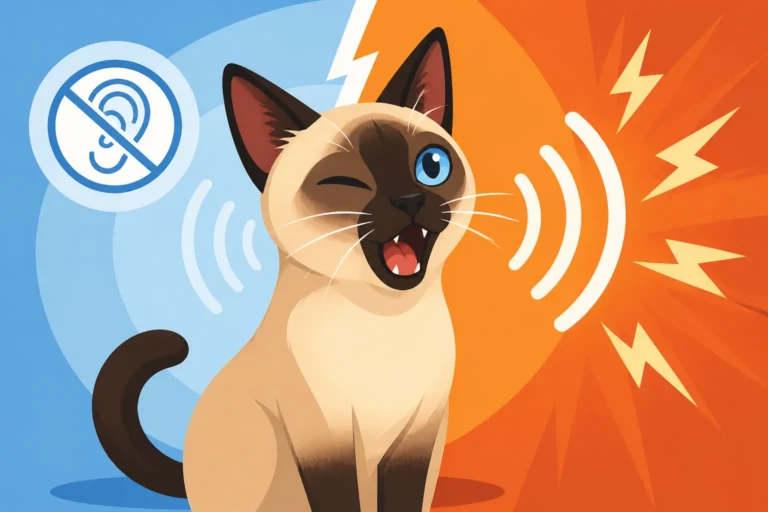
Imagine your cat waking up in a dark room and being unable to rely on their sight or hearing to locate you or their safe spots. Their yowl becomes a beacon, a way to alert you to their presence and their need for guidance. If you suspect your Siamese is losing their sight or hearing, observe them closely. Do they bump into furniture? Are they easily startled? Do they respond less to your voice? Deafness in an Aging Siamese Cat can be particularly challenging, as they might no longer hear their own loud vocalizations. Keeping furniture in consistent places, using scent cues, and ensuring they have easily accessible, well-lit pathways to their essential resources can help them feel more secure and reduce anxiety-driven yowling.
Joint Pain and Mobility Issues
Physical discomfort, often in the form of arthritis or other joint pain, is incredibly common in older cats, yet it's something they are notoriously good at hiding. However, the chronic pain can still manifest indirectly through increased vocalizations. A yowl might not always be a direct cry of pain (though it can be), but rather an expression of frustration, anxiety, or stress caused by their inability to move comfortably or access favorite spots.
A senior Siamese struggling with stiff joints might yowl when trying to jump onto a bed, when attempting to use a high-sided litter box, or simply after resting for too long. They might be unable to get comfortable, leading to restless pacing and vocal complaints. Watch for subtle signs like hesitation before jumping, stiffness after napping, or a reluctance to climb stairs. Providing ramps, pet stairs (you can find good options on Amazon), or lower-sided litter boxes can make their lives easier. Your vet can also prescribe pain management medications or joint supplements, which can significantly improve their comfort and, in turn, reduce yowling related to physical discomfort. A more comfortable cat is often a quieter, happier cat.
What to Do When Your Siamese Cat Yowls: Practical Solutions
When your Siamese cat is yowling, it’s natural to feel a mix of concern, frustration, and a desperate desire for quiet. The good news is that there are many steps you can take to understand and address the root cause of their vocalizations. The key is a systematic approach, starting with ruling out serious issues and then moving on to behavioral and environmental adjustments.
Ruling Out Medical Causes with Your Vet
As discussed, while Siamese cats are famous for their talkativeness, a sudden or excessive increase in yowling should always prompt a visit to your veterinarian. This is the absolute first step you should take. Cats are incredibly good at masking pain and illness, and a change in vocalization can be one of the few outward signs that something is genuinely wrong. Signs a Siamese Cat Is Unwell can be subtle and easily missed, so vet attention is paramount.
Your vet will perform a thorough physical examination, looking for any signs of pain, discomfort, or illness. They might recommend blood work to check for underlying conditions like kidney disease, hyperthyroidism (common in older cats), or other metabolic issues. They may also suggest imaging like X-rays or an ultrasound, particularly if there are concerns about internal organs. For instance, sometimes a yowl might indicate a more serious issue like a ruptured liver due to amyloidosis, though this would typically be accompanied by other severe symptoms. Only once medical causes have been definitively ruled out can you confidently focus on behavioral interventions. Don't skip this crucial step, as addressing an underlying health issue is paramount for your cat's well-being.
Addressing Behavioral Triggers
Once your vet has given your Siamese a clean bill of health, you can turn your attention to behavioral triggers. This often involves a bit of detective work and consistency. Start by observing when your cat yowls, what they are doing right before, and how you typically respond.
Consider these common behavioral triggers:
- Attention-Seeking: If your cat yowls, and you immediately respond by picking them up, feeding them, or playing with them, you've accidentally reinforced the behavior. Instead, try to ignore the yowl (as hard as that is!) and reward them with attention when they are quiet. Make sure to provide plenty of positive attention and How Much Play a Siamese Cat Needs before they start yowling out of boredom. Engage them with interactive toys – perhaps a feather wand or laser pointer from Amazon – to tire them out constructively.
- Resource Demands: Ensure their food and water bowls are always full and fresh, and their litter box is scooped daily (or twice daily). If they yowl for food, try an automatic feeder to dispense meals at set times, disassociating you from the immediate food reward.
- Separation Anxiety: As mentioned, gradual desensitization, calming pheromones, and creating a safe, enriching environment can help. Consider a comforting item of your clothing left with them.
- Environmental Stress: Identify any recent changes. Try to revert to an old routine or introduce new things very gradually. Provide safe, elevated hiding spots where your cat can retreat if feeling overwhelmed.
Consistency is key. Everyone in the household needs to be on the same page regarding how they respond to yowling to avoid accidentally reinforcing it. How to Quiet a Siamese Cat often involves patience and a consistent strategy.
Enrichment and Routine to Reduce Yowling
Many Siamese cats yowl out of sheer boredom or a lack of mental and physical stimulation. These are highly intelligent and energetic cats who need an outlet for their minds and bodies. If they're not adequately enriched, they'll create their own "entertainment," and that often involves loudly requesting yours!
A solid routine provides comfort and predictability, which can significantly reduce anxiety-driven yowling. Regular play sessions, scheduled mealtimes, and consistent interaction times can make a huge difference. Think about:
- Interactive Play: Dedicate at least two 15-20 minute sessions daily to interactive play using wand toys, laser pointers, or even a simple crumpled paper ball. Enrichment for a Siamese Cat That Gets Bored in an Hour is vital for their mental well-being.
- Puzzle Feeders: Instead of just putting food in a bowl, make them "work" for it with puzzle feeders. These mental challenges can keep them occupied and stimulated, reducing boredom-related yowling. You can find many varieties on Amazon.
- Vertical Space: Siamese cats love to climb and observe their kingdom from on high. Provide cat trees, shelves, or catio access if possible.
- Companion Cat: While not always the solution, some Siamese cats thrive with a companion, especially another energetic and playful feline. This can provide constant interaction and reduce loneliness, though it's a big decision and needs careful consideration. Whether a Siamese Cat Needs a Companion Cat is a topic many owners ponder.
By proactively addressing their needs for mental stimulation, physical activity, and a stable environment, you can significantly reduce the instances of unwanted yowling and foster a happier, quieter Siamese cat.
| Type of Yowl/Context | Potential Meaning | Suggested Action |
|---|---|---|
| Persistent, follows you | Attention-seeking, boredom, wants interaction | Ignore yowl, reward quiet behavior, increase playtime, use puzzle toys. |
| By food/water bowls, litter box | Hunger, thirst, dirty litter box | Check/refill bowls, clean litter box, consider automatic feeder. |
| Sudden, intense, accompanied by other symptoms | Pain, discomfort, illness | Immediate vet visit. Do not delay. |
| When left alone, restless | Separation anxiety, loneliness | Gradual desensitization, Feliway diffuser, background noise, interactive toys. |
| Unspayed/unneutered, restless | Hormonal call (in heat or seeking mate) | Spay or neuter your cat. |
| Disoriented, especially at night | Feline Cognitive Dysfunction (FCD), confusion | Consult vet for FCD management, maintain routine, provide comfort items. |
| Difficulty moving, old age | Joint pain, mobility issues | Consult vet for pain management, provide ramps/stairs, easily accessible resources. |
| After environmental change | Stress, anxiety, insecurity | Introduce changes slowly, provide safe spaces, extra reassurance. |
Disclaimer
This article is for general informational purposes only and does not constitute professional advice. Laws, prices and regulations vary by location and change over time. Consult a qualified professional for guidance on your specific situation.