Whether a Siamese Cat Is Right for You
So, you're enchanted by the sleek lines, the piercing blue eyes, and perhaps the legendary vocal talents of a Siamese cat. It's a common dream for many cat lovers, but bringing a Meezer into your home is a decision that requires a really honest look at your lifestyle and expectations. This guide will walk you through the unique traits of the Siamese breed, helping you assess if you're truly ready for the full-throttle, fiercely loyal, and incredibly intelligent companion they truly are.
Understanding the Siamese Cat Personality
Before you even start looking at adorable kittens, you need to understand the fundamental character of a Siamese. These aren't your typical aloof, independent felines. They are deeply involved, highly intelligent, and incredibly communicative creatures who demand to be a central part of your life.
The Vocal Nature of the Siamese
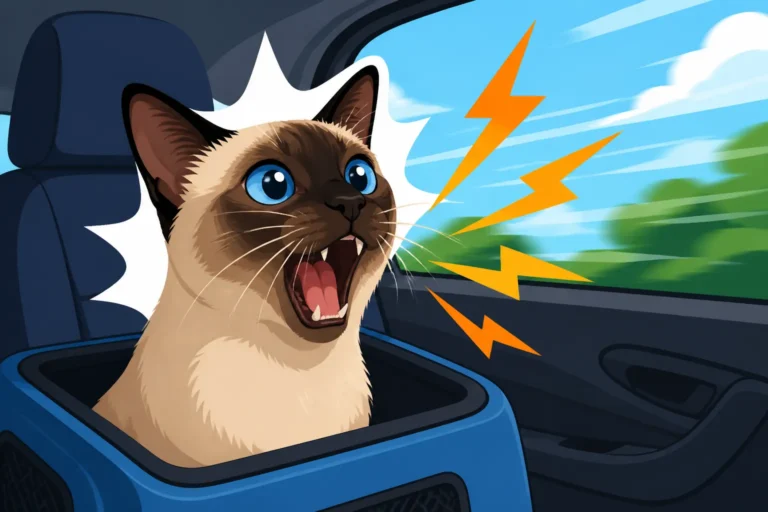
One of the most defining characteristics of a Siamese cat is their voice. They don't just meow; they talk. They chirp, they trill, they yowl, they groan, and they have an opinion on absolutely everything. If you've never lived with one, it can be quite a shock. They might sound like a baby crying when they want attention, or they might launch into a full-blown opera if their food bowl is even slightly visible at the bottom.
This isn't a cat that's going to quietly sit in the corner while you go about your day. Oh no. Your Siamese will follow you from room to room, offering a running commentary on your activities. They expect responses, too! If you ignore them, they'll simply get louder and more insistent. It's their way of bonding and communicating, but it can be overwhelming for someone who prefers a quiet home. Think about your neighbors if you live in an apartment building – their yowls can be quite penetrating. How Loud a Siamese Cat Is
Imagine you're trying to concentrate on a work call, and your Siamese decides it's the perfect moment to inform you, at full volume, that the birds outside are completely unacceptable, or that the empty space where a treat could be is a grave injustice. This isn't a one-off event; it's a daily, sometimes hourly, occurrence. Their vocalizations are charming to many, but utterly maddening to others, so be honest with yourself about your tolerance for constant "conversation."
The Need for Constant Interaction
Beyond their voices, Siamese cats are intensely social. They thrive on companionship and consider themselves an integral part of your family unit. If you're looking for a cat that will entertain itself and only seek out affection on its own terms, a Siamese is probably not the right fit. They are the ultimate "velcro" cats, and they will stick to you like glue.
This means they will want to be where you are, always. Whether you're cooking, reading, working, or sleeping, they will find a way to be involved. Many Siamese will snuggle under the covers with you, demand to be on your lap while you watch TV, or even try to "help" you type on your laptop. They form very strong bonds with their chosen humans, sometimes even preferring one person above all others in the household. Why a Siamese Cat Follows You Room to Room
Coming home after a long day? Prepare for an enthusiastic greeting, often involving headbutts, purrs, and more talking. They genuinely miss you when you're gone and will make sure you know it. This intense need for connection can be incredibly rewarding, creating a deep bond that few other breeds can match, but it also requires a significant commitment of your time and emotional energy. If your daily schedule leaves little room for direct interaction, a Siamese might develop separation anxiety or become destructive out of boredom and loneliness.
Intelligence and Trainability
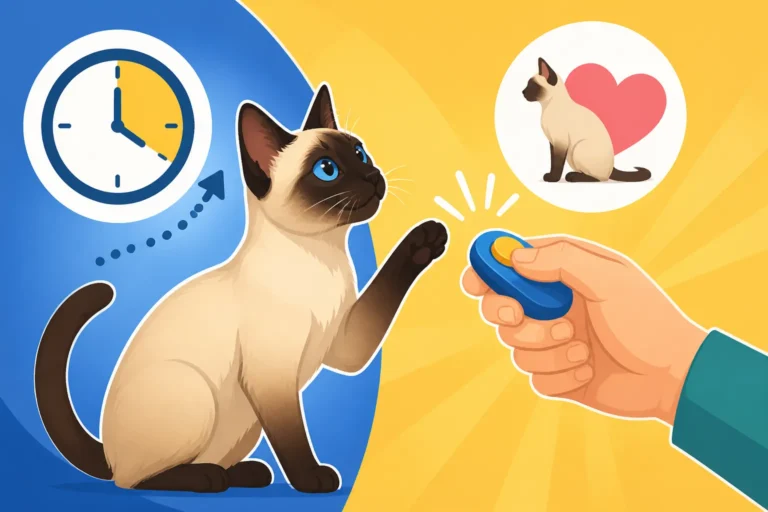
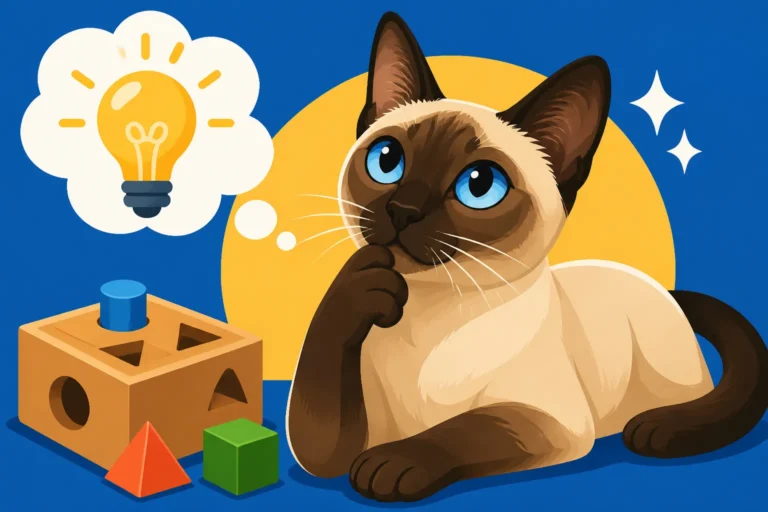
Siamese cats are often described as having dog-like personalities, and a big part of that is their astonishing intelligence and trainability. They are quick learners and incredibly curious, always looking for something new to investigate or a puzzle to solve. This means they can be taught tricks, walk on a leash, and even play fetch with surprising enthusiasm. How Clever a Siamese Cat Is
Their intelligence, however, is a double-edged sword. A bored Siamese is a mischievous Siamese. If they don't have enough mental stimulation, they will create their own entertainment, which often involves opening cupboards, knocking items off shelves, or generally getting into places they shouldn't. They can learn routines quickly and will expect them, such as designated playtimes or meal schedules.
You'll find yourself needing to engage their minds with puzzle feeders, interactive toys (many great options on Amazon!), and regular training sessions. These cats love a challenge and excel at learning new things, from sitting on command to navigating obstacle courses. Harnessing their intelligence through positive reinforcement training can strengthen your bond and prevent unwanted behaviors, but it does require consistent effort on your part.
Lifestyle Compatibility with a Siamese Cat
Adopting a Siamese cat isn't just about admiring their beauty; it's about integrating their dynamic personality into your daily life. They truly become part of the family in a way some other breeds might not.
Time Commitment and Attention
One of the biggest misconceptions about cats in general is that they're low-maintenance pets. While some breeds are indeed more independent, the Siamese is decidedly not one of them. These cats demand, and truly need, a significant amount of your time and attention every single day. They thrive on interaction and can become quite stressed or develop behavioral issues if they feel ignored or left alone too often.
If you work long hours, travel frequently, or have a schedule that often takes you away from home for extended periods, a Siamese might not be the best fit unless you have a dedicated companion for them, perhaps another equally social cat or a very cat-friendly dog. A Siamese left alone for too long might become destructive, excessively vocal, or even start over-grooming due of stress. Think about at least 30-60 minutes of dedicated, interactive play per day, broken into several sessions, plus plenty of petting and conversation. How Long a Siamese Cat Can Be Left Alone
They aren't just looking for food and a clean litter box; they want to be part of your world. This commitment means making time for them, understanding their vocal cues, and actively engaging with their playful and affectionate nature. It's a bit like having a furry toddler who never quite grows up – endlessly endearing, but always needing supervision and interaction.
Managing Their High Energy Levels
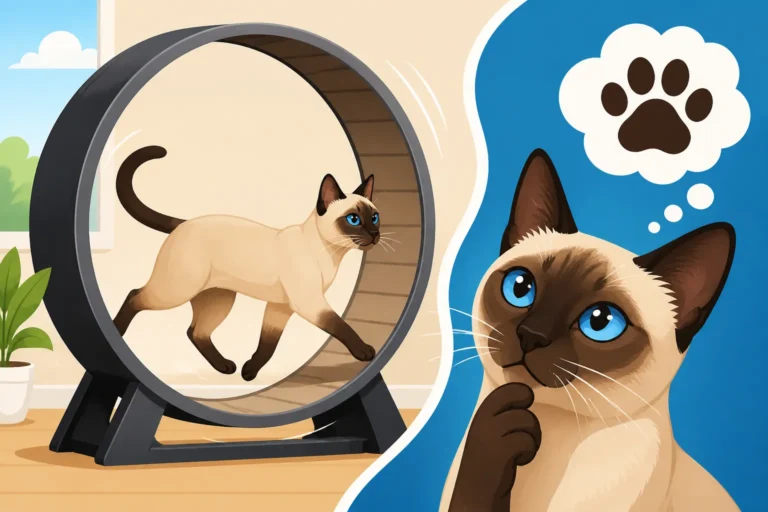
Siamese cats are famously active and athletic. They retain a playful, almost kitten-like energy well into adulthood and even their senior years. This isn't a cat content to nap all day on the sofa; they want to run, jump, climb, and explore. You'll often find them scaling bookshelves, perching on the highest point in the room, or darting through the house in sudden bursts of "zoomies."
To keep a Siamese happy and prevent them from turning your home into their personal jungle gym, you'll need to provide ample opportunities for physical and mental exercise. This means investing in sturdy, tall cat trees – you can find some excellent, tall designs on Amazon that they'll adore – scratching posts, and a variety of toys that can withstand rigorous play. Wands with feathers or other attachments are usually a huge hit, as are small, crinkly balls they can chase. Enrichment for a Siamese Cat That Gets Bored in an Hour
Without sufficient outlets for their energy, a Siamese can become bored, and a bored Siamese often invents their own (sometimes destructive) games. They might climb curtains, scratch furniture, or knock objects off tables just for the sheer joy of it. Their lean, muscular bodies are built for action, and fulfilling that need is crucial for their overall well-being and your household's peace!
Living with a Siamese Cat's Quirks
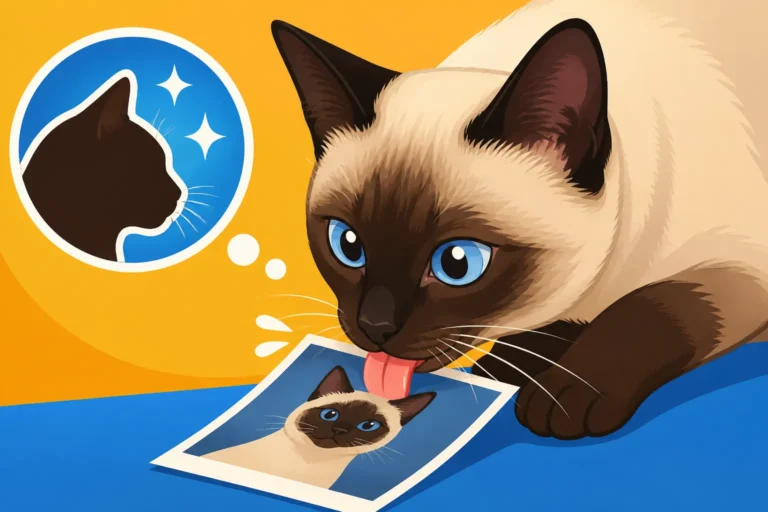
Beyond their energy and vocalizations, Siamese cats often come with a few endearing (and sometimes challenging) quirks. One of the most talked-about is wool sucking, or pica, where they compulsively chew, lick, and sometimes ingest non-food items like blankets, sweaters, or even plastic bags. While not all Siamese do this, it's a common inherited trait. Why a Siamese Cat Sucks Wool
Another common quirk is their tendency to "counter surf" or explore forbidden areas. Their intelligence means they often figure out how to open cabinets or doors. They might also have a penchant for "stealing" small, shiny objects, stashing them away in secret hoards. While this can be frustrating, it's often a manifestation of their playful curiosity and need for stimulation.
Managing these behaviors requires a combination of patience, redirection, and cat-proofing your home. Providing appropriate chew toys (like certain catnip-infused ones from Amazon), puzzle feeders, and engaging play can sometimes help redirect their pica tendencies. Locking cabinets and securing valuables can mitigate their curious explorations. Understanding that these are often innate breed traits, rather than deliberate "bad" behavior, helps owners approach them with empathy and effective strategies.
Financial and Long-Term Considerations
Bringing any pet into your home is a long-term commitment, both emotionally and financially. With a Siamese cat, there are specific considerations that prospective owners should be aware of, especially regarding their health and longevity.
The Cost of Ownership
Let's be real: owning a Siamese cat is an investment. The initial cost of a well-bred kitten from a reputable breeder can be significant, reflecting the breeder's investment in health screening, proper nutrition, and early socialization. Adoption fees from rescues are typically lower, but still contribute to the initial outlay. However, the purchase price is often just the tip of the iceberg. What the First Year With a Siamese Cat Costs
Ongoing costs include high-quality cat food (which can be more expensive for a breed with specific nutritional needs or sensitivities), regular veterinary check-ups, vaccinations, and parasite prevention. Then there are the supplies: litter, litter boxes, scratching posts, toys, grooming tools, and carriers. Beyond routine care, you must budget for potential emergency vet visits or management of chronic health conditions. Pet insurance is highly recommended and can help mitigate the financial shock of unexpected medical bills, which can easily run into thousands for complex conditions.
Consider that these cats can live a long time, often 15 to 20 years, so you're signing up for two decades of financial responsibility. While the joy they bring is immeasurable, it's vital to ensure you're financially prepared for their long life and any health needs that may arise over that time.
Health Predispositions and Lifespan
Siamese cats are generally considered a robust breed, but like all purebreds, they are predisposed to certain genetic and hereditary health conditions. These can include amyloidosis (a protein deposit disease that can affect organs like the liver and kidneys), progressive retinal atrophy (PRA) leading to blindness, certain types of cancer like mediastinal lymphoma, and a higher incidence of dental disease. Asthma is also more common in the breed. The Fifteen to Twenty Years a Siamese Cat Gets
While a reputable breeder will screen for some of these issues (where tests exist), not all conditions can be screened for, and some may manifest later in life. This means that as a Siamese owner, you need to be vigilant about their health, ensuring they receive regular veterinary care, including annual check-ups and routine dental cleanings. Being aware of the signs of common Siamese ailments can help you catch problems early.
Their long lifespan means you'll likely be caring for a senior cat for several years. Older Siamese cats can develop conditions like hyperthyroidism, kidney disease, or arthritis, all of which require ongoing veterinary management and can incur significant costs. Embracing a Siamese means committing to their health and well-being for their entire, potentially very long, life.
Suitability for Different Households
The Siamese cat's personality makes them a unique fit for certain types of households. They thrive on interaction and can integrate well into a busy, active family, but may struggle in a very quiet or frequently empty home.
Here's a quick look at how they might fare in different environments:
| Household Type | Suitability for a Siamese Cat | Considerations |
|---|---|---|
| Active Families | Excellent. They love being involved in family life, enjoy the hustle and bustle, and will seek out interaction from multiple family members. | Ensure children are taught how to interact gently and respectfully. Siamese can be impatient with rough handling, but bond well with respectful kids. A Siamese Cat With Children, Dogs and Other Cats |
| Single Person Household | Excellent, if the person can commit significant time and attention. The Siamese will often bond very deeply with their sole human. | Risk of separation anxiety is higher if the owner is frequently away. Consider a second pet (another Siamese!) if you work long hours. |
| Elderly Individuals | Good, if the person is active and able to provide consistent interaction. A Siamese can be a wonderful, loving companion. | A very high-energy cat might be too much for someone with limited mobility. Their vocalizations might also be a concern if hearing is an issue. |
| Apartment Dwellers | Good, if proper enrichment is provided, and neighbors are tolerant of vocalizations. They adapt well to indoor living. Whether a Siamese Cat Suits an Apartment Building | Their loud meows can carry through walls, potentially bothering neighbors. Ensure plenty of vertical space, scratching posts, and interactive play to prevent boredom. |
| Homes with Other Pets | Generally good with other cats, especially if introduced properly. Many Siamese enjoy the companionship of another cat, particularly another Siamese. Can also do well with cat-friendly dogs. | They tend to be the dominant personality. Introduce new pets slowly and ensure they are compatible with a highly social and vocal cat. A timid cat might be overwhelmed. |
| Quiet, Seldom-Empty Homes | Fair to Poor. If the home is quiet but the owner is home and attentive, it can work. If it's quiet because people are often out, the Siamese will likely become lonely and vocal. | This environment lacks the consistent stimulation and interaction a Siamese craves. They need dynamic engagement, not just a quiet place to exist. |
Ultimately, a Siamese thrives in a home where they are not just a pet, but a beloved and central member of the family. They need to be loved, entertained, and talked to. If you can provide that, they will give you back a lifetime of devotion and endless entertainment.
Making the Decision: Is a Siamese Cat Your Ideal Companion?
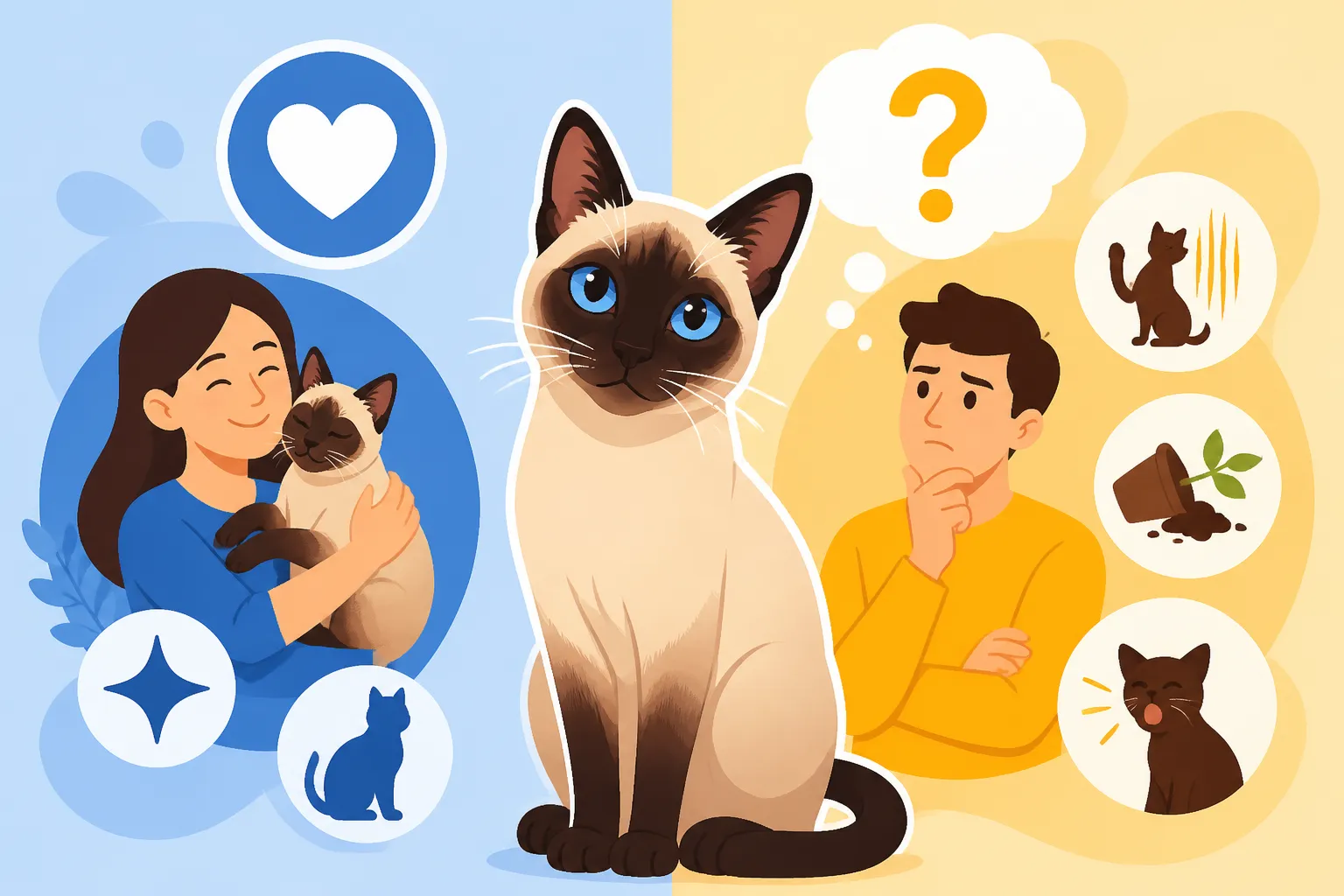
It's clear by now that Siamese cats aren't for everyone. They are magnificent, intelligent, and deeply affectionate creatures, but they come with a distinct personality that requires a specific kind of owner. Before you commit to welcoming one of these stunning felines into your life, it's worth taking a moment for some honest self-reflection.
Self-Assessment Questions
To help you decide, consider these questions seriously. There are no right or wrong answers, just honest ones about what you can genuinely offer and what kind of companion truly suits your life.
- Am I prepared for a cat that is highly vocal and will "talk" to me constantly? Think about your daily routine, your tolerance for noise, and any noise considerations for your living situation. What a Siamese Cat's Temperament Is Really Like
- Do I have the time to dedicate to daily interactive play sessions and constant companionship? Can you commit at least 30-60 minutes of direct interaction, plus plenty of "shadowing" time?
- Is my home environment stimulating enough to keep a highly intelligent and energetic cat entertained? Do you have cat trees, puzzle toys, and the willingness to engage their minds?
- Am I patient enough to manage potential quirks like wool sucking or persistent curiosity (e.g., opening cabinets)? Are you willing to cat-proof and redirect rather than get frustrated?
- Am I financially prepared for the potential costs of a purebred cat, including routine care, potential hereditary health issues, and a long lifespan? Have you considered pet insurance? Whether a Siamese Cat Is Worth the Money
- Do I truly want a cat that is deeply bonded, affectionate, and demands to be the center of attention, or do I prefer a more independent companion?
If you've read through these points and found yourself nodding enthusiastically, feeling excited rather than daunted, then a Siamese cat might just be your perfect match. If you felt a pang of dread at the thought of constant meowing or endless play, that's okay too! It just means another wonderful breed might be a better fit for you.
Preparing Your Home and Heart
If you've come to the conclusion that a Siamese cat is indeed the companion you've been searching for, congratulations! You're embarking on an incredible journey with one of the most unique and rewarding cat breeds out there. The next steps involve preparing your home and heart for their arrival.
Start by cat-proofing your living space, securing anything that could be chewed on or knocked over. Invest in high-quality, sturdy scratching posts and cat trees, ideally those that offer vertical climbing opportunities. Stock up on a variety of interactive toys, including wand toys and puzzle feeders. Consider setting up a dedicated "play zone" where you and your new feline friend can bond. Most importantly, prepare yourself for a lifetime of love, laughter, and endless conversation. A Siamese cat will fill your home with life, personality, and an affection that runs deeper than you might imagine.
Disclaimer
This article is for general informational purposes only and does not constitute professional advice. Laws, prices and regulations vary by location and change over time. Consult a qualified professional for guidance on your specific situation.