Why a Siamese Cat Yowls at an Empty Bowl
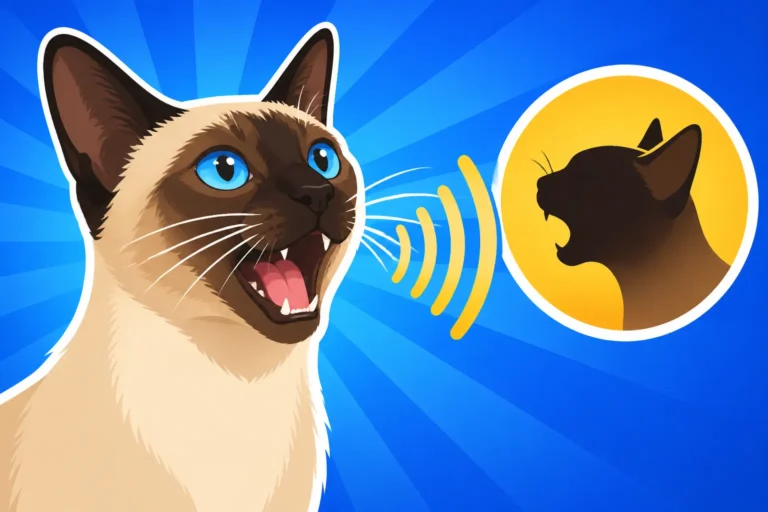
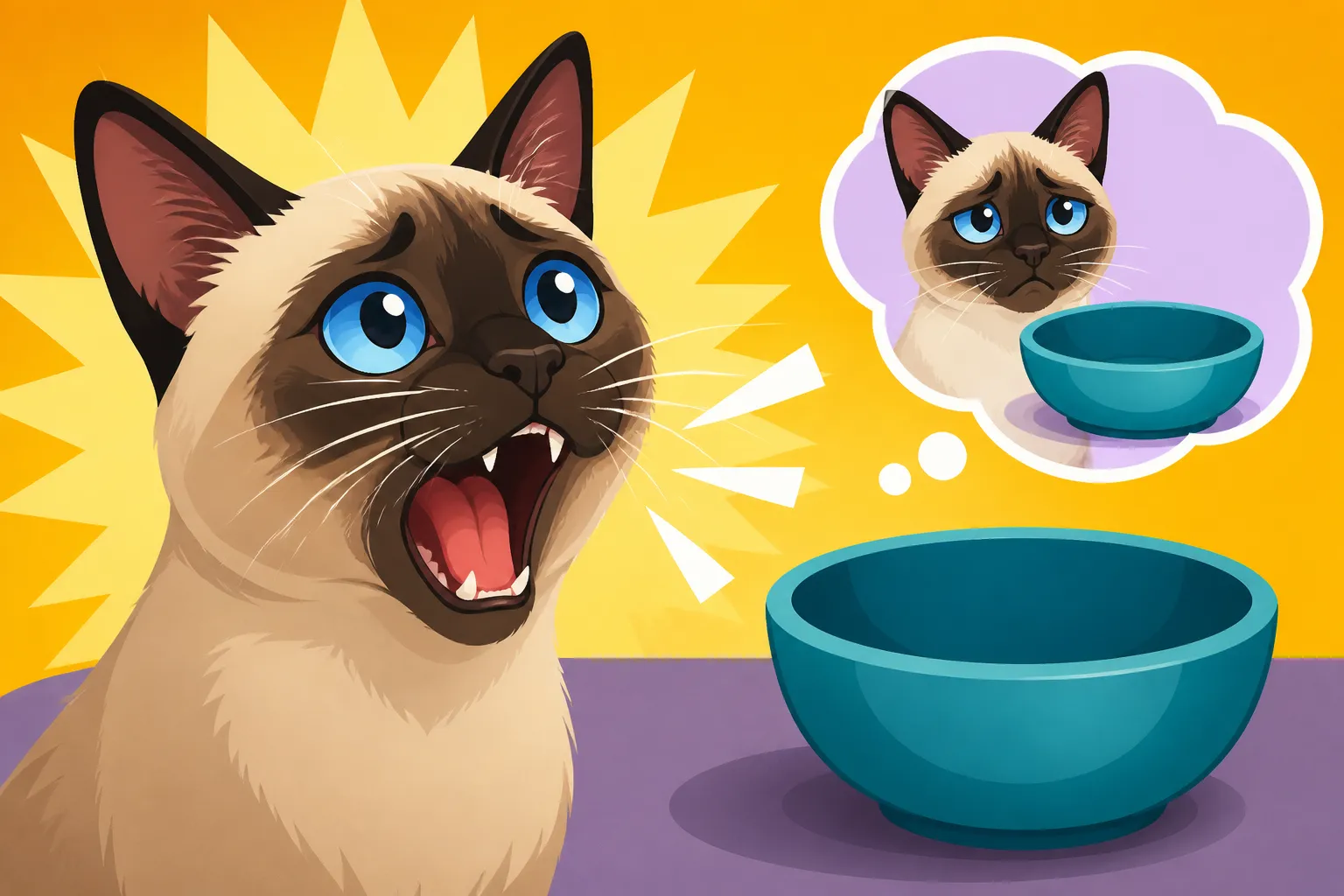
Oh, the infamous "empty bowl yowl!" If you're a Siamese cat parent, you know exactly what I'm talking about. That piercing, insistent, sometimes ear-splitting cry that echoes through your home the moment your darling Meezer even thinks their bowl might be showing a glimmer of ceramic. It's not just regular meowing; it’s a full-blown dramatic performance, designed to guilt-trip, demand, and sometimes, frankly, just annoy you into action. This guide is all about understanding why your Siamese cat turns into a feline opera singer at the sight of a half-empty dish and, more importantly, what you can do to bring some peace (and quiet) back to your mealtimes.
The Siamese Cat's Vocal Nature and Food Expectations
Let's be honest, Siamese cats are known for their voices. It's part of their charm, a hallmark of the breed, and sometimes, our biggest headache. Their vocalizations aren't just polite requests; they're pronouncements, declarations, and often, urgent demands. When it comes to food, this inherent vocal nature kicks into overdrive, especially if they've learned that a loud yowl gets them what they want.
Why Their Voices are So Commanding (and Annoying)
Siamese cats aren't just meowers; they're talkers. Their vocal cords are designed for a wide range of sounds, from a gentle trill to a full-throated, almost human-sounding "Meezer yowl." This isn't an exaggeration; anyone who has lived with a Siamese will tell you their voices are distinct and, for better or worse, incredibly effective. They have a pitch that can cut through a closed door, a depth that seems impossible for such a slender creature, and a volume that suggests they're convinced you're hard of hearing.
Think about it from their perspective: they're highly intelligent, social creatures who thrive on interaction and attention. When they want something, they tell you. Loudly. This innate tendency to communicate vocally means that when their most primal need – food – comes into play, they're not going to whisper. They're going to use every decibel at their disposal to ensure their message is heard, understood, and acted upon immediately. It's not just a cute quirk; it's a deeply ingrained behavioral trait. You can learn more about this in What the Siamese Cat's Meezer Yowl Sounds Like and Why a Siamese Cat Meows So Much. It's a testament to their demanding personalities that they truly believe A Siamese Cat Will Not Be Ignored.
The Learned Behavior of Food Yowling
While their voices are naturally loud, the specific behavior of yowling at an empty bowl is often a learned response. Cats are masters of conditioning us, their humans. If every time your Siamese lets out a dramatic yowl, you immediately rush to the kitchen to replenish their food, you've inadvertently taught them that this is the most efficient way to get results.
Imagine a scenario: your Siamese, Mittens, finishes her breakfast. Half an hour later, she wanders back to her bowl, sees the bottom, and lets out a tentative meow. You're busy, you don't hear it. She tries again, a bit louder. Still nothing. Frustration mounts, and suddenly, a full-blown "Meeeeooooowwwwwwww!" rings out. You jump, startled, and decide it's easier to just put a few more kibbles in the bowl to shut her up. Bingo! Mittens just learned that "loud yowl equals food." This positive reinforcement loop makes it incredibly difficult to break the habit once it's established. She's not just hungry; she's trained you.
The consistency of your response is key here. If sometimes you respond immediately and sometimes you don't, your Siamese will just try harder and louder, convinced that eventually, their persistence will pay off. They don't understand that you're just trying to finish your email; they only know that their bowl is empty, and you are the gatekeeper to sustenance. It's a power struggle, and often, our well-meaning attempts to placate them only deepen the behavior.
Ruling Out Underlying Issues Beyond Just Hunger
Before we delve into training tactics, it's crucial to consider that sometimes, an empty bowl yowl isn't just about demanding food. It can be a symptom of an underlying medical issue or even stress. Siamese cats are incredibly sensitive, and any change in their health or environment can manifest in altered behaviors, including increased vocalization around food.
Medical Reasons for Increased Vocalization and Appetite Changes
A sudden, dramatic increase in food-related yowling, especially if accompanied by other changes, warrants a visit to your veterinarian. While your Siamese might just be a drama queen, it's always best to rule out health concerns. Here are a few possibilities:
- Hyperthyroidism: This is a very common condition in older cats, where the thyroid gland produces too much thyroid hormone. This speeds up their metabolism, making them incredibly hungry and energetic, yet they often lose weight. They can become very vocal, especially around food, and might seem constantly famished. If your once-calm eater is now ravenous and loud, consider this possibility.
- Diabetes: Cats with diabetes often have increased thirst and urination, but also a significantly increased appetite because their bodies aren't processing glucose correctly. They might eat a lot but still lose weight, and again, could become more vocal about food.
- Kidney Disease: While it might seem counterintuitive, kidney disease can sometimes lead to nausea, but also an irregular appetite. Some cats become very fussy, while others might feel a constant, unsatisfying hunger that drives them to yowl for food even if they don't eat much once it's presented. Increased thirst and urination are also common signs.
- Dental Pain: If your Siamese is experiencing pain in their mouth, it might make eating uncomfortable. They might yowl for food because they're hungry, but then struggle to eat, or eat only specific types of food. This constant frustration could lead to increased vocalization around mealtimes. Dental Disease in a Siamese Cat is a real concern.
- Worms or Parasites: An infestation of intestinal worms can lead to increased hunger as the parasites consume nutrients your cat needs. Your cat might eat more but still seem thin and constantly hungry, leading to more vocal demands for food.
- Cognitive Dysfunction Syndrome (Feline Dementia): In senior Siamese cats, cognitive changes can lead to disorientation, anxiety, and changes in sleep-wake cycles. They might forget they've just eaten and yowl for food again, or become generally more anxious and vocal, particularly at night. Signs of Dementia in an Old Siamese Cat can be subtle at first.
If you notice any other Signs a Siamese Cat Is Unwell, such as weight loss despite increased appetite, vomiting, diarrhea, lethargy, or changes in litter box habits, don't hesitate to contact your vet. It's always better to be safe than sorry, especially with a breed prone to certain conditions.
Stress, Anxiety, and Environmental Factors
Beyond medical conditions, a Siamese cat's empty bowl yowl can also stem from psychological or environmental stressors. These highly intelligent and sensitive cats thrive on routine and stability.
- Stress and Anxiety: A new pet, a move to a new house, a change in your work schedule, or even a different brand of litter can be enough to trigger anxiety in a Siamese. Anxiety can manifest in various ways, including excessive vocalization, overgrooming (see Psychogenic Alopecia in a Siamese Cat), or changes in appetite. If your cat is feeling insecure, they might become hyper-focused on food as a source of comfort or control, leading to incessant demands.
- Boredom: Siamese cats are incredibly smart and need a lot of mental and physical stimulation. A bored Siamese is a mischievous, vocal Siamese. If they don't have enough to do during the day, they might turn their attention to the easiest way to get your attention and alleviate boredom: demanding food. It becomes a game, a way to interact with you, even if the interaction is an exasperated sigh on your part.
- Changes in Routine: Cats, especially Siamese, are creatures of habit. If their feeding schedule changes, or if you've been inconsistent with meal times, they can become anxious and vocal. They crave predictability, and when it's disrupted, they'll let you know about it. This is why How a Siamese Cat Learns From Watching You is so important; they pick up on patterns quickly.
- Competition (Multi-Cat Households): In a household with multiple cats, even if bowls appear "empty" to one cat, another might be getting fed nearby, or the cat might feel insecure about their food source. This competition can drive a cat to be more vocal and demanding to ensure they get their share. Even if you don't think there's competition, a sensitive Siamese might perceive it.
Understanding these potential underlying causes is the first step. Once you've ruled out medical issues with your vet, you can confidently address the behavioral aspects.
Strategies to Address the Empty Bowl Yowl
Now that we've covered the "why," let's dive into the "how." Taming the empty bowl yowl requires consistency, patience, and a bit of strategy. Remember, you're essentially retraining both your cat and yourself.
Establishing a Feeding Routine and Sticking To It
This is arguably the most critical step. Siamese cats thrive on routine. When they know exactly when and where their food will appear, a huge amount of anxiety and therefore, vocalization, is eliminated.
- Scheduled Mealtimes: Instead of free-feeding or topping up the bowl whenever your cat yowls, switch to scheduled mealtimes. Aim for two to three meals a day, depending on your cat's age, activity level, and dietary needs. For example, 7 AM and 6 PM. Stick to these times religiously, even on weekends. Your cat's internal clock is incredibly precise, and they will learn to expect food at these specific intervals.
- Ignoring Demands Outside of Mealtime: This is the hardest part. When your Siamese starts their operatic performance an hour before their scheduled meal, you must ignore them. No eye contact, no talking, no going near the kitchen. If you acknowledge the yowl, you reinforce it. Walk away, go into another room, put on headphones if you must. It might get worse before it gets better – this is called an "extinction burst" – where your cat tries even harder to get a response. Be strong! They will eventually learn that yowling outside of mealtime is ineffective.
- The "Magic Bowl" Concept: Don't let your cat see you prepare their food until it's time to eat. If they associate you going to the kitchen with immediate food, they'll yowl every time you step in there. Prepare their food in advance, or in a hidden area, and bring it out at the precise feeding time.
- Portion Control: Ensure you're giving them the correct amount of food at each meal. Overfeeding can lead to weight gain, while underfeeding will naturally lead to more hunger and yowling. Your vet can advise you on How Many Calories a Siamese Cat Needs a Day based on their individual requirements. A good table to estimate daily calorie needs might look like this (remember to always consult your vet for precise figures):
| Cat Weight (lbs) | Ideal Adult Cat Calories (kcal/day) |
|---|---|
| 5 | 170-200 |
| 7 | 200-240 |
| 10 | 240-280 |
| 12 | 280-320 |
| 15 | 320-360 |
- Automatic Feeders: These can be a lifesaver! An automatic feeder dispenses food at pre-set times, removing you from the equation entirely. Your Siamese will learn that the food comes from the machine, not from you, and their yowls will shift from demanding you to waiting for the machine. Look for feeders that can dispense multiple small meals throughout the day, which can mimic a cat's natural hunting patterns and keep them feeling satisfied. Many excellent options are available on Amazon that allow for portion control and scheduled dispensing. This can be especially helpful if your Siamese is a fussy eater.
Enrichment to Redirect Food-Related Focus
Since boredom can be a big driver for food demands, enriching your Siamese cat's environment is crucial. This helps satisfy their intelligent minds and high energy levels, redirecting their focus from an empty bowl to more productive (and quieter) activities.
- Puzzle Feeders: Instead of just putting food in a bowl, make your cat work for it! Puzzle feeders require your cat to bat, nudge, or manipulate the toy to get kibble to fall out. This provides mental stimulation and slows down their eating, making them feel more satisfied. There are many types, from simple treat balls to more complex mazes, easily found on Amazon. This can significantly help Whether a Puzzle Feeder Occupies a Siamese Cat for longer periods.
- Interactive Play: Schedule dedicated play sessions with your Siamese every day. Use wand toys, laser pointers (with a treat at the end to "catch" the dot), or feather teasers. These sessions should mimic hunting behavior, with stalking, pouncing, and "killing" the prey. A tired cat is often a quieter cat. How Much Play a Siamese Cat Needs is often more than you think!
- Vertical Space: Siamese cats love to climb and observe their territory from high vantage points. Provide cat trees, shelves, or catio access (if safe). This gives them places to explore and feel secure, reducing anxiety and boredom.
- Rotate Toys: Cats get bored with the same old toys. Keep a selection of toys and rotate them every few days to keep things fresh and exciting. Consider different textures, shapes, and sizes.
- Window Perches: A comfy perch by a window overlooking a bird feeder or a busy street can provide hours of entertainment, allowing your Siamese to "hunt" visually without making a sound.
By engaging their minds and bodies, you lessen the likelihood that their primary source of entertainment and attention will be demanding food from you.
The Role of Automatic Feeders
I touched on this briefly, but it deserves its own moment in the spotlight because for many Siamese owners, an automatic feeder is a game-changer. These devices work by dispensing a pre-set amount of food at pre-set times.
- Breaking the Association: The biggest benefit is that your cat no longer associates you with food delivery. Instead, the "magic food box" becomes the source. This breaks the learned behavior of demanding food from your presence. Your cat will still undoubtedly be excited for meal times, but their yowling will likely be directed at the feeder itself, or simply in anticipation, rather than at you specifically.
- Consistent Schedule: As mentioned, Siamese cats thrive on routine. An automatic feeder delivers food with perfect consistency, even if you're sleeping in, running late, or simply trying to enjoy a quiet morning coffee. This predictability can greatly reduce anxiety and, consequently, excessive vocalization.
- Portion Control and Weight Management: Many automatic feeders allow for precise portion sizes, which is excellent for managing your Siamese's weight. These cats can be lean, but it's still possible for them to become overweight if overfed. Accurate portion control helps maintain a healthy physique. You can easily find options on Amazon that offer flexible programming for multiple small meals.
- Peace of Mind: For you, the owner, an automatic feeder offers peace of mind. You won't feel guilty about sleeping through your cat's perceived breakfast time, and you won't have to deal with the incessant nagging. This can significantly improve the quality of your relationship with your cat, as food-related stress is reduced for both of you.
When choosing an automatic feeder, look for features like programmable meal times and portion sizes, battery backup (in case of power outages), and easy-to-clean components. Some even have voice recording features, though I'd recommend against that if you're trying to break the association with your voice! A simple, reliable feeder from Amazon is often all it takes to bring a much-needed calm to mealtimes. Whether a Timed Feeder Helps a Siamese Cat is definitely something many owners swear by.
Taming the empty bowl yowl in a Siamese cat is a marathon, not a sprint. It requires patience, consistency, and a deep understanding of your feline friend's unique personality and needs. But by addressing potential health issues, establishing firm routines, and enriching their environment, you can foster a happier, calmer cat and enjoy a much more peaceful home.
Disclaimer
This article is for general informational purposes only and does not constitute professional advice. Laws, prices and regulations vary by location and change over time. Consult a qualified professional for guidance on your specific situation.