Which Toothpaste Suits a Siamese Cat
Let's be honest, getting a Siamese cat to willingly open its mouth for a toothbrush can feel like trying to negotiate peace between rival nations. Many of us struggle with the idea of brushing our cat's teeth, let alone knowing which toothpaste is even safe or effective for our talkative Meezer. This comprehensive guide is here to cut through the confusion and help you choose the best toothpaste to keep your Siamese cat's pearly whites sparkling and its breath fresh.
Why Brushing Your Siamese Cat's Teeth is So Important
It’s easy to overlook dental care for our feline friends. They don't complain about toothaches the way a person might, and their wild ancestors certainly didn't have toothbrushes. But domestic life, especially for a breed as long-lived as the Siamese, comes with its own set of challenges. Ignoring dental hygiene isn't just about bad breath; it's a silent threat to their overall well-being.
The Silent Threat of Dental Disease in Siamese Cats
Did you know that by the age of three, most cats show some signs of dental disease? For a Siamese, with their genetic predispositions and often slender build, staying on top of their health is paramount. It’s a frustrating reality for many cat owners to realize how quickly plaque and tartar can build up, leading to serious issues. Without regular cleaning, the soft plaque hardens into tartar, which then irritates the gums, causing inflammation known as gingivitis. If left unchecked, this can progress to periodontitis, which damages the supporting structures of the teeth, leading to pain, infection, and eventually, tooth loss.
Imagine the discomfort your beloved Siamese might be in, silently suffering from aching gums or rotten teeth. This is particularly relevant as Siamese cats are known to be prone to issues like Tooth Resorption in a Siamese Cat and Gingivitis in a Siamese Cat. Regular, ideally daily, brushing is truly the gold standard for preventing this painful progression. It mechanically removes plaque before it has a chance to harden, keeping those gum lines healthy and free from bacterial invasion.
Beyond Fresh Breath: Systemic Health Impacts
While a stinky mouth is a clear indicator of trouble, the implications of poor oral hygiene stretch far beyond the mouth itself. The bacteria that thrive in an unhealthy oral environment don't stay put. They can enter the bloodstream through inflamed gums, traveling to vital organs like the kidneys, heart, and liver. Over time, this constant bacterial assault can contribute to serious systemic illnesses, potentially shortening your Siamese cat's The Fifteen to Twenty Years a Siamese Cat Gets.
We all want our Siamese companions to live a full, happy, and comfortable life. Preventing dental disease means preventing pain and reducing the risk of these secondary health complications. It means fewer stressful veterinary visits for painful extractions and expensive treatments down the line. Investing a little time in daily dental care now can pay huge dividends in your cat’s long-term health, ensuring they can continue to chat, purr, and demand attention for years to come without the hindrance of a sore mouth. This proactive approach is a cornerstone of Caring for a Siamese Cat Past Twelve.
What Makes a Cat Toothpaste "Safe" and "Effective"?
When you're standing in the pet store aisle or browsing online, the sheer number of options can be overwhelming. What exactly should you be looking for in a cat toothpaste? It's not as simple as picking one that smells minty fresh. There are critical differences between human and feline dental products that you absolutely need to understand.
Never Use Human Toothpaste
Let's get this out of the way first, and it's a non-negotiable rule: never, ever use human toothpaste on your Siamese cat. This might seem obvious to some, but it's a mistake that can have severe consequences. Human toothpastes contain ingredients that are toxic to cats.
The most common culprits are fluoride and xylitol. Fluoride, while good for our enamel, can cause digestive upset, vomiting, and even more serious issues if ingested by a cat, which it inevitably will be since cats don't rinse and spit. Xylitol, a common artificial sweetener found in many sugar-free human products, is highly toxic to animals and can lead to a rapid drop in blood sugar (hypoglycemia) and liver damage. Beyond these, human toothpastes often contain detergents or foaming agents that can irritate a cat’s sensitive stomach and mouth. Stick exclusively to products formulated specifically for cats. Your vet will strongly echo this advice.
Enzymatic Formulas: The Gold Standard
When it comes to effectiveness, enzymatic toothpastes are generally considered the best choice for cats. These aren't just flavored pastes; they actively work to break down plaque and inhibit bacterial growth. How do they do this? They contain special enzymes, such as glucose oxidase and lactoperoxidase, which interact with the cat's saliva to create an antibacterial environment in the mouth.
This enzymatic action is incredibly beneficial because, let's face it, not every brushing session will be a full, vigorous scrub. Even if you only manage a quick swipe over your Siamese's teeth, the enzymes in the toothpaste can still get to work, providing a layer of protection against plaque accumulation. This makes the effort you can put in much more impactful. They don't just mask bad breath; they tackle the root cause. When choosing one, look for terms like "enzymatic" or "CET" (chlorhexidine-enzymatic-thiocyanate system) on the label. Many reputable brands offer these formulations, often found on platforms like Chewy or directly from your veterinarian.
Flavor Matters More Than You Think
This is where the battle for dental hygiene is often won or lost. Cats, especially our discerning Siamese companions, are notoriously picky. A toothpaste might be scientifically brilliant, but if your cat hates the taste, getting it anywhere near their mouth will be an Olympic-level event. Manufacturers know this, which is why cat-specific toothpastes come in an array of appealing flavors.
Common favorites include poultry, malt, beef, and seafood flavors. These are designed to mimic tastes cats naturally enjoy, making the experience less traumatic and potentially even a treat. Think of it this way: if your Siamese associates the toothpaste with something yummy, they might be more cooperative. You might need to experiment a little to find your cat's preferred flavor. It's often worth buying a couple of different small tubes to test the waters before committing to a large one. A flavor they tolerate, or even like, can transform brushing from a wrestle into a manageable routine, helping you maintain consistency for better dental health.
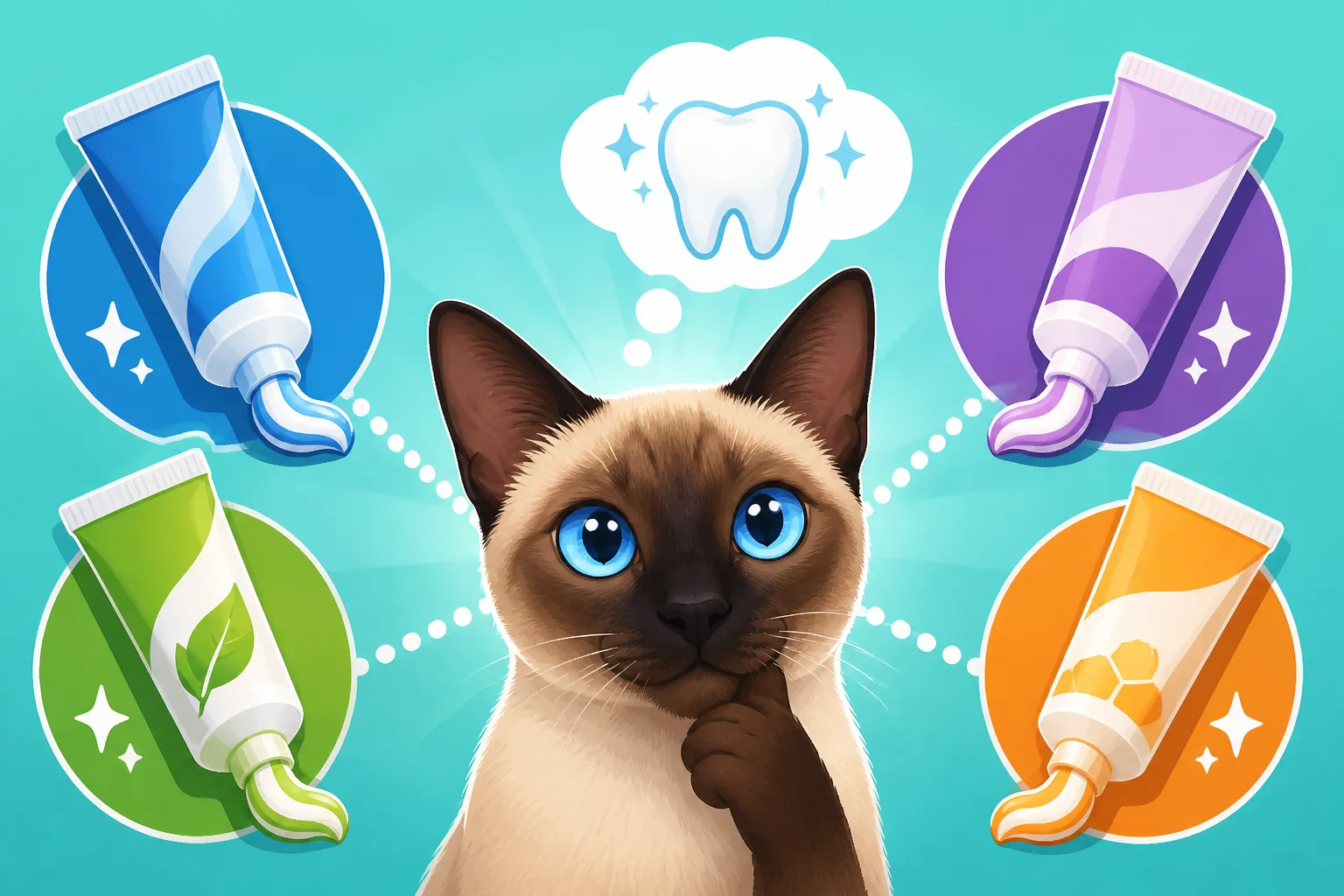
Decoding the Options: Which Toothpaste Suits Your Siamese Cat?
Now that we understand the critical "don'ts" and the essential "must-haves" like enzymatic action and appealing flavors, let's explore the types of toothpaste you'll encounter on the market. Selecting the right one for your Siamese often comes down to a combination of effectiveness, your cat's acceptance, and ease of application.
Veterinary-Recommended Brands
When in doubt, turning to brands trusted by veterinarians is always a safe bet. These products have often undergone more rigorous testing and are formulated with feline-specific needs in mind. Brands such as Virbac C.E.T. Enzymatic Toothpaste, PetSmile, and OraVet Dental Hygiene Chews (which also incorporate a paste) are frequently recommended. These are almost universally enzymatic, designed to actively break down plaque and tartar.
You'll find these at your vet's office, specialty pet stores, and major online retailers like Chewy and Amazon. The key with these brands is their commitment to feline oral health science. They don't just offer a chicken flavor; they offer a chicken-flavored paste that contains the enzymes necessary to fight bacteria and plaque. Discussing your options with your veterinarian during your Siamese cat's How Often a Siamese Cat Needs a Wellness Exam is always a great first step, as they can recommend specific products based on your cat's individual needs and any existing dental issues.
Gel vs. Paste: What's the Difference?
While most cat toothpastes are referred to generically as "paste," there's a subtle distinction in texture that can impact ease of use.
- Pastes: These are the most common form, similar in consistency to human toothpaste but without the harmful ingredients. They are typically applied with a toothbrush, and the mechanical action of brushing works in conjunction with the enzymatic ingredients.
- Gels: Some products come in a gel format, which can be slightly thinner or designed for direct application to the gums without a brush. While brushing is still ideal for maximum efficacy, a gel can be easier for very resistant cats. You might apply it with a finger brush, a cotton swab, or even just directly along the gum line, allowing the cat's tongue to spread it. The enzymes in gels are still active, offering benefits even with less mechanical abrasion.
The choice between a paste and a gel often comes down to your Siamese cat's temperament and your comfort level. If your cat tolerates brushing well, a traditional paste with a good brush is excellent. If you have a particularly finicky feline who fights the brush at every turn, a gel might be a better starting point to at least get the beneficial enzymes into their mouth, even if the mechanical cleaning is minimal.
The Role of Abrasives (and why they're minimal for cats)
In human toothpaste, abrasives like hydrated silica and calcium carbonate help scrub away plaque. Cat toothpastes also contain gentle abrasives, but they are far milder. This is crucial because a cat's tooth enamel is thinner than a human's, and their gums are more delicate. Overly abrasive pastes could cause damage.
The primary cleaning action in cat toothpaste comes from the enzymatic process, not aggressive scrubbing. The gentle abrasives simply aid in loosening superficial plaque. So, while the "scrubbing power" is present, it's not the main event. This gentle formulation ensures that you're cleaning your Siamese cat's teeth without inadvertently causing irritation or damage to their oral tissues. Always opt for a toothpaste specifically designed for felines, ensuring these abrasive levels are safe and appropriate.
Here's a quick comparison of common cat toothpaste features:
| Feature | Description | Pros | Cons | Best For |
|---|---|---|---|---|
| Enzymatic Paste | Contains enzymes to break down plaque and bacteria. | Highly effective; active cleaning even with minimal brushing. | Requires mechanical brushing for optimal results. | Most cats; daily use; comprehensive cleaning. |
| Enzymatic Gel | Similar to paste but often thinner; can be applied without a brush. | Easier application for resistant cats; still offers enzymatic action. | Less mechanical cleaning than a paste with a brush. | Finicky cats; starting out with dental care. |
| Flavored Only | No active enzymatic ingredients; relies on mechanical brushing. | Can be a good introduction if cat dislikes enzymatic taste. | Less effective at plaque breakdown than enzymatic options. | Cats with no existing dental issues; very short-term. |
| Water Additives | Added to drinking water to reduce bacteria. | Zero effort from owner after initial pour. | Less effective than direct brushing; may deter drinking. | Supplementary care; cats that absolutely refuse brushing. |
Tips for Making Tooth Brushing a Success Story
Even with the perfect toothpaste, the actual act of brushing your Siamese cat's teeth can be a formidable challenge. They aren't always keen on new routines, especially ones that involve someone poking around in their mouth! But with patience, consistency, and the right approach, you can make it a positive experience for both of you.
Start Early, Go Slow
The earlier you introduce dental care to your Siamese cat, the better. If you have a kitten, begin with gentle handling of their mouth and gums from a young age, even before you introduce toothpaste. This desensitization process is vital. For adult cats, the approach needs to be even more gradual. Start by simply letting them lick the toothpaste off your finger or a finger brush. Praise them, offer a treat, and keep the sessions extremely short – just a few seconds at first.
Over days and weeks, slowly introduce the finger brush, then a small feline toothbrush, gently touching their teeth for a second or two. The goal is to build positive associations, not to traumatize them. If your cat resists, stop and try again later. Never force it, as this will only make them more averse to the process. Patience truly is a virtue here. Remember, How Young to Start Brushing a Siamese Cat's Teeth can significantly impact their future acceptance of the routine.
The Right Tools Beyond Toothpaste
The toothpaste is just one part of the equation. Having the right applicator is just as important.
- Finger Brushes: These are soft rubber or silicone thimbles that fit over your finger. They offer a gentle introduction to brushing and allow you to feel your cat's teeth and gums. They're great for getting started.
- Feline Toothbrushes: These are specifically designed for cats, featuring small heads and soft bristles that are appropriately sized for their mouths. Some have angled heads to reach back teeth more easily. Choose one with bristles that are extra soft to prevent gum irritation.
- Gauze Pads: In a pinch, or for cats who absolutely refuse a brush, you can wrap a piece of sterile gauze around your finger, apply toothpaste, and gently rub their teeth. This offers some mechanical abrasion and allows the toothpaste to work.
Experiment with different tools to see what your Siamese tolerates best. What works for one cat might be completely rejected by another. The key is to find something that allows you to apply the toothpaste effectively and safely.
Consistency is Key
The biggest impact on preventing Dental Disease in a Siamese Cat comes from consistency. Daily brushing is ideal, but if that's truly impossible, aim for at least three times a week. Brushing less frequently might still offer some benefit, but it won't be as effective at preventing plaque from hardening into tartar. Think of it like a human not brushing for days; things quickly go downhill!
Establishing a routine is crucial. Try to brush their teeth at the same time each day, perhaps after a meal or during a quiet bonding moment. Make it a positive experience with praise, gentle petting, and a small treat afterward. This routine will help your Siamese understand what to expect and potentially even look forward to it. Regular brushing can reduce the need for professional cleanings under anesthesia, which are not only expensive – contributing to What a Siamese Cat's First Dental Costs – but also carry their own risks. A consistent home care routine is the best defense against tooth loss and the significant discomfort associated with advanced dental disease, ensuring your Siamese maintains a happy, healthy mouth throughout its long life.
Disclaimer
This article is for general informational purposes only and does not constitute professional advice. Laws, prices and regulations vary by location and change over time. Consult a qualified professional for guidance on your specific situation.