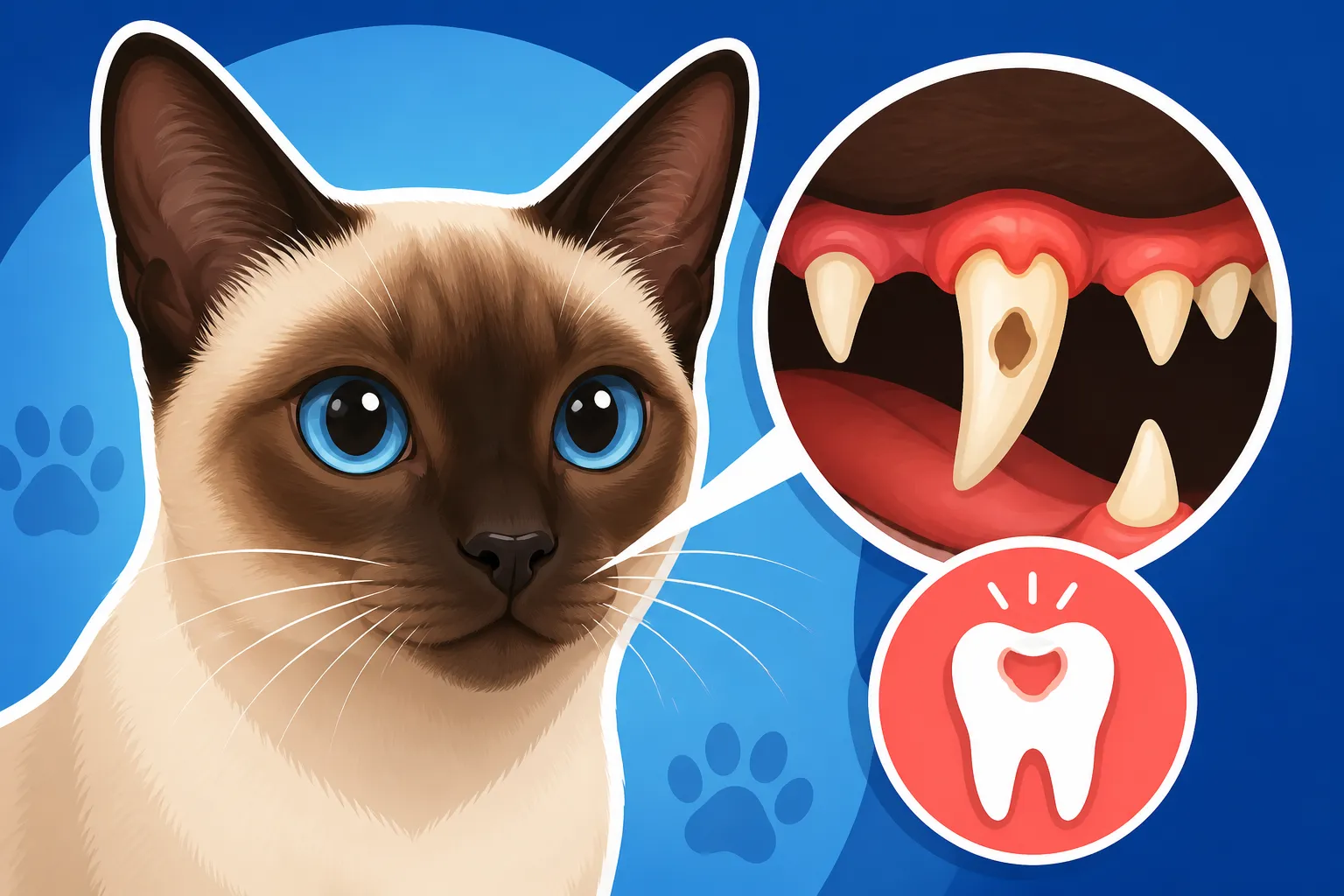
Tooth Resorption in a Siamese Cat
It's heartbreaking to think your beloved Siamese might be living with silent pain, and when it comes to dental health, tooth resorption is one of those sneaky, often agonizing conditions that can affect our feline friends, especially certain breeds. This guide aims to pull back the curtain on tooth resorption in Siamese cats, helping you understand what it is, how to spot it, and what proactive steps you can take to keep your vocal companion comfortable and healthy, because their bright, intelligent eyes can't tell you they're hurting.
Understanding Tooth Resorption in Siamese Cats
There's nothing quite like the sleek elegance and sharp wit of a Siamese cat, but even these magnificent creatures aren't immune to certain health challenges. One of the most perplexing and painful dental conditions we see in cats is tooth resorption, and sadly, our Siamese friends can be particularly susceptible. It's not just a cavity; it's a destructive process that literally eats away at the tooth structure.
What Exactly is Tooth Resorption?
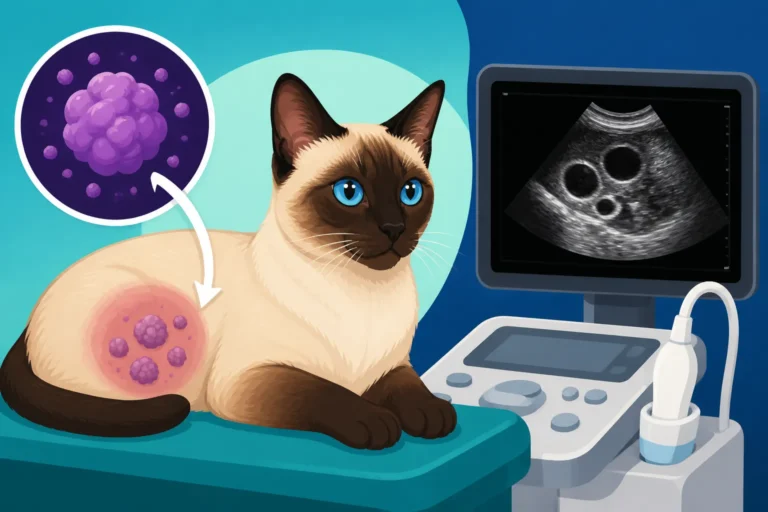
Imagine tiny, invisible piranhas slowly gnawing at your teeth from the inside out. That's a pretty close, albeit dramatic, analogy for what tooth resorption is. Scientifically, it's a process where odontoclasts – specialized cells that are usually responsible for breaking down the roots of baby teeth so permanent ones can come in – start attacking the adult tooth structure. This can happen anywhere on the tooth: the roots, the enamel, or even the dentin. These lesions, sometimes called Feline Odontoclastic Resorptive Lesions (FORLs) or simply resorptive lesions, are incredibly painful.
Initially, they might look like small pink or red spots on the gumline, almost like a cavity, but they’re far more sinister. They slowly degrade the tooth, creating craters or holes that expose the sensitive inner pulp, which is packed with nerves. Think about having a constant, exposed nerve in your own mouth – that’s the level of discomfort your Siamese could be experiencing. These lesions can occur in any tooth, but they're most commonly found in the premolars and molars at the back of the mouth. The insidious part is that they often start below the gum line, making them invisible to the naked eye until they’ve progressed significantly and caused substantial damage.
Why Siamese Cats Seem More Prone
While any cat can develop tooth resorption, some studies and clinical observations suggest a higher prevalence in certain breeds, and the Siamese is often cited among them. This isn't just anecdotal; there's a belief among many veterinarians and breeders that there might be a genetic component at play, though the exact genes or mechanisms haven't been fully pinpointed. It’s frustrating because we want to protect our pets, but without a clear genetic marker, it's hard to screen for.
Beyond potential genetics, the intense, sometimes overzealous, immune response of some Siamese cats might contribute. Some theories suggest an inflammatory process could trigger the odontoclasts to become overactive. Their unique lineage and sometimes more delicate systems mean they can be prone to a variety of health issues, which might include specific dental vulnerabilities. It’s one of those things that reminds us that even with the purest breeding, specific breed traits can come with their own set of challenges. Understanding this predisposition doesn't make it easier, but it does emphasize why vigilant dental care is even more crucial for your Siamese, especially as they get older. If you're seeing signs of Why a Siamese Cat Loses Teeth Young, tooth resorption is a prime suspect.
The Different Stages of Resorption
Tooth resorption isn't an overnight phenomenon; it's a progressive disease that unfolds in stages, each one bringing more discomfort and potential complications for your cat. Vets use a grading system to describe the severity:
- Stage 1 (TR1): This is where the lesion is confined to the enamel or cementum, the outermost layers of the tooth. At this point, it’s usually not visible and may not be causing overt pain. The cat might not show any signs at all, making diagnosis difficult without a professional examination and X-rays.
- Stage 2 (TR2): The lesion has progressed into the dentin, the softer tissue beneath the enamel. While still potentially hidden, it’s now closer to the nerve, and your cat might start to feel some sensitivity. Imagine a tiny crack in your tooth – it might not hurt constantly, but certain temperatures or pressures could trigger a twinge.
- Stage 3 (TR3): This is where things get truly painful. The lesion has reached the pulp chamber, the core of the tooth containing nerves and blood vessels. At this stage, you might start seeing visible damage to the tooth itself, like a hole or a significant defect at the gumline. Cats often exhibit obvious signs of pain, such as dropping food, vocalizing while eating, or generally being Signs a Siamese Cat Is Unwell.
- Stage 4 (TR4): The tooth structure is severely compromised. Most of the tooth has been resorbed, and only remnants might remain. The crown (the visible part) might be fractured or completely gone. This is excruciating for the cat.
- Stage 5 (TR5): The tooth is almost entirely gone, absorbed by the gum and bone, or only root fragments remain, completely covered by soft tissue. While the initial acute pain might lessen once the tooth is completely gone and the area has healed, these fragments can still cause chronic inflammation or discomfort.
The progressive nature means that early detection is key, not just for managing pain but potentially for saving other teeth.
Recognizing the Signs and Symptoms
One of the biggest frustrations for cat owners is how adept our feline companions are at hiding pain. Their instinct tells them that showing weakness makes them vulnerable, a trait left over from their wild ancestors. This stoicism means you often have to be a detective, looking for subtle cues that something isn't quite right with their dental health.
Subtle Early Indicators
Before your Siamese is obviously screaming in pain, there are often subtle shifts in behavior that can serve as red flags. These might be so minor you could easily dismiss them as "just being a cat" or attribute them to moodiness. For example, you might notice a slight change in their eating habits. Perhaps they prefer softer foods over hard kibble, or they start approaching their food bowl with hesitation, sometimes even dropping kibble out of their mouth before chewing. They might chew on one side of their mouth predominantly or avoid using certain teeth altogether.
Grooming habits can also change. A painful mouth might make them reluctant to groom themselves thoroughly, leading to a duller coat or matted fur, especially around the face. You might also observe changes in their vocalizations. Siamese cats are famously chatty, but if their normal "meezer yowl" becomes more strained, or if they hiss or shy away when you try to touch their face or chin, that’s a significant clue. Even things like increased drooling, or small flecks of blood in their food or water bowl, can be indicators that silent, painful processes are at work. These subtle signs are often the first, and sometimes only, warning before the pain becomes unbearable.
Obvious Pain and Discomfort
As tooth resorption progresses to the more advanced stages, the signs become less subtle and more indicative of severe pain. This is when your cat's natural stoicism begins to crack under the weight of constant discomfort. You might see a sudden aversion to eating, even their favorite treats, or hear distinct cries of pain while they’re attempting to chew. Sometimes, a cat will only lick wet food, unable to tolerate anything solid.
One very common, and alarming, sign is pawing at the mouth or rubbing their face against furniture or the floor in an attempt to alleviate the pain. They might become withdrawn, less interactive, and generally lethargic. You might also notice bad breath, which, while common in cats with Dental Disease in a Siamese Cat, can be exacerbated by infected or damaged teeth due to resorption. Swelling on one side of the face, or discharge from the mouth, are critical signs of advanced dental disease that require immediate veterinary attention. These aren't just minor discomforts; they are indicators of severe, debilitating pain that profoundly impacts your cat's quality of life.
The Role of Regular Vet Checks
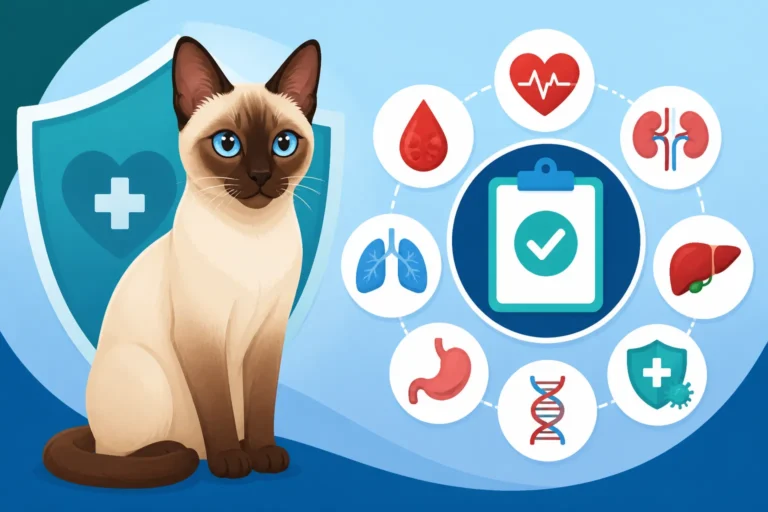
Given how silently tooth resorption can progress, routine veterinary examinations are absolutely indispensable. Your vet isn't just looking at their fur or listening to their heart; they're also doing a thorough oral exam, which is a crucial part of a wellness check (What a Siamese Cat's Yearly Bloodwork Should Cover). During these check-ups, even if your Siamese isn't showing overt signs of pain, your vet can sometimes spot early indicators. They might notice inflamed gums, subtle lesions on teeth visible above the gum line, or unusual deposits of tartar that point to an underlying issue.
However, the reality is that a full, comprehensive dental examination for cats often requires anesthesia. It’s only when your cat is safely under anesthetic that the vet can fully probe each tooth, meticulously check all surfaces, and most importantly, take dental X-rays. These X-rays are the gold standard for diagnosing tooth resorption because, as we discussed, the lesions often start below the gum line, making them invisible to the naked eye. Without X-rays, you're essentially guessing, and that’s not fair to your cat, who might be suffering in silence. Discussions about How Often a Siamese Cat Needs a Dental should always include the importance of X-rays.
| Symptom Category | Early/Subtle Signs | Advanced/Obvious Signs |
|---|---|---|
| Eating Habits | Slight preference for soft food, chewing on one side, dropping food, hesitant approach to bowl. | Refusal to eat, only licking wet food, vocalizing during eating, weight loss. |
| Behavior | Reduced grooming, mild withdrawal, irritability when face is touched. | Pawing at mouth, rubbing face, extreme withdrawal, lethargy, aggression when handled. |
| Oral Signs | Increased drooling, mild bad breath, tiny flecks of blood in food/water (rarely visible). | Severe bad breath, visible gum inflammation, bleeding from mouth, fractured teeth, facial swelling, visible lesions on teeth. |
| Vocalizations | Changes in normal meow/yowl tone, strained sounds. | Cries of pain during or after eating, unusual growls or hisses when touched near mouth. |
Diagnosis and Treatment Options
Discovering that your beloved Siamese is suffering from tooth resorption can be distressing, but the good news is that once diagnosed, effective treatments are available to alleviate their pain and improve their quality of life. The key, as always, lies in accurate diagnosis.
How Vets Diagnose Tooth Resorption
As mentioned earlier, a definitive diagnosis of tooth resorption hinges almost entirely on dental X-rays. While a veterinarian might suspect the condition during a conscious oral exam (looking for inflamed gums, exposed pulp, or visible lesions), many resorptive lesions begin unseen, below the gumline. This is why a thorough dental procedure under general anesthesia is crucial. During this procedure, the vet can meticulously examine every tooth, gently probe for lesions using a dental explorer, and most importantly, take full-mouth dental radiographs.
Dental X-rays reveal the internal structure of the teeth and the surrounding bone, allowing the vet to see the extent of resorption in the roots, even if the crown appears normal. They can identify the exact stage of the lesion and determine which teeth are affected. This diagnostic step is absolutely non-negotiable for accurate assessment and treatment planning. It’s also during this time that a vet can assess for other dental issues like gingivitis or periodontitis, which often go hand-in-hand with resorption. Understanding that Whether a Siamese Cat Tolerates Anesthesia is a common concern for owners, vets take every precaution to ensure a safe procedure.
Managing the Pain and Progression
Once tooth resorption is diagnosed, the immediate priority is managing your cat's pain. While the lesions themselves are irreversible, certain medications can help with discomfort in the short term, especially if surgery can't happen right away. Non-steroidal anti-inflammatory drugs (NSAIDs) prescribed by your vet, like meloxicam, can reduce inflammation and provide temporary pain relief. However, these are not long-term solutions, as they do not stop the progression of the disease and prolonged use can have side effects.
Your vet might also suggest dietary changes, such as switching to softer, more palatable wet food, to minimize chewing pain. Some owners find puzzle feeders or even liquid diets helpful for cats with severe oral pain. While these measures offer comfort, it's crucial to understand they are palliative. They buy time, but they don't solve the underlying problem. The goal is always to move towards a definitive treatment to eliminate the source of pain.
Surgical Extraction as the Primary Solution
For tooth resorption, the primary and most effective treatment is surgical extraction of the affected tooth or teeth. There's no way to "fill" a resorptive lesion like a cavity or to stop its progression. Attempts to restore these teeth with fillings often fail because the destructive process continues beneath the surface. For your Siamese, this means relief from constant, excruciating pain.
The extraction process involves careful removal of the entire tooth, including the roots, to ensure no resorptive tissue remains. This is a delicate procedure, especially for molars and premolars, which have multiple roots. After extraction, the gum is sutured closed, allowing the area to heal. While the idea of your cat losing a tooth might sound daunting, cats adapt remarkably well to living without certain teeth. They often become much happier and more active once the chronic pain is gone.
Post-operative care is vital. Your vet will provide pain medication and possibly antibiotics to ensure a smooth recovery. You'll need to feed soft food for a period, and monitor the surgical site. While the cost of dental procedures, including extractions, can be a concern – you might be looking at What a Siamese Cat's First Dental Costs and potentially What Extractions Cost a Siamese Cat Owner – many pet insurance plans, like those offered by Healthy Paws, can help alleviate the financial burden. Having a robust plan from a provider like Healthy Paws can give you peace of mind that you can afford the best care for your furry family member when these unexpected health issues arise.
Prevention and Long-Term Care
While tooth resorption itself isn't entirely preventable due to its complex nature and potential genetic links, there are absolutely steps you can take to maintain your Siamese cat's overall oral health, potentially slow the progression of other dental diseases, and ensure early detection of any issues, including resorption.
Daily Oral Hygiene at Home
This is often the most challenging, yet most beneficial, aspect of feline dental care. Brushing your cat's teeth daily, or at least several times a week, can dramatically reduce plaque and tartar buildup, which contribute to gingivitis and periodontitis. Starting young with a kitten is ideal, but even older cats can often be trained with patience and positive reinforcement. Use a finger brush or a small, soft toothbrush designed for cats, along with veterinary-approved enzymatic toothpaste. Never use human toothpaste, as it contains ingredients toxic to cats. Learning How to Brush a Siamese Cat's Teeth effectively can make a world of difference.
Beyond brushing, dental treats and water additives can play a supplementary role. Look for products with the Veterinary Oral Health Council (VOHC) seal of acceptance, which indicates they meet certain standards for reducing plaque and tartar. While these products won't prevent tooth resorption, they contribute to a healthier oral environment, making it easier for you and your vet to spot any underlying issues. Remember, these are adjuncts to brushing, not replacements. A comprehensive approach helps keep their entire mouth as healthy as possible.
Professional Dental Cleanings
Even with diligent home care, plaque and tartar can still accumulate, especially in hard-to-reach areas. This is where professional dental cleanings become indispensable. Your veterinarian can advise you on How Often a Siamese Cat Needs a Dental, but generally, annual check-ups that include an assessment of their dental health are crucial, with professional cleanings under anesthesia recommended as needed.
During a professional cleaning, your cat will be anesthetized, allowing the vet to thoroughly scale away all plaque and tartar above and below the gumline. They can also polish the teeth to smooth the surfaces, making it harder for new plaque to adhere. Crucially, this is also the opportunity for those all-important full-mouth dental X-rays that can detect hidden tooth resorption. Many owners worry about the risks of anesthesia, but the benefits of detecting and treating painful dental disease far outweigh the risks for most cats, especially when modern anesthetic protocols are followed by experienced veterinary teams. Regular professional care helps extend the lifespan of their teeth and ensures painful conditions are caught early. This kind of proactive care is exactly what pet insurance plans, like Healthy Paws, are designed to support, ensuring you can afford these vital preventative measures.
Nutritional Support and Lifestyle Adjustments
While there isn't a specific diet that can prevent tooth resorption, general good nutrition is vital for overall health, including oral health. A high-quality diet provides the necessary vitamins and minerals for strong teeth and gums. Some dental-specific diets are formulated with kibble that encourages mechanical cleaning as the cat chews, which can help reduce plaque. Discuss these options with your vet to see if they are suitable for your Siamese.
Consider lifestyle adjustments that might reduce stress, as chronic stress can sometimes contribute to inflammatory conditions. Providing a stimulating environment with plenty of toys, scratching posts, and vertical climbing spaces can keep your intelligent Siamese engaged and happy. Ensuring they have a comfortable, warm spot to rest, given that Keeping a Siamese Cat Warm is important for their well-being, contributes to their overall health. Remember, a healthy, happy cat is often better equipped to handle health challenges. If your Siamese has had teeth extracted due to resorption, ensuring easy access to soft food and monitoring their comfort levels will be key to their long-term happiness. Having a pet insurance plan in place, such as one from Healthy Paws, can certainly ease the financial burden if follow-up care or additional procedures are needed.
Disclaimer
This article is for general informational purposes only and does not constitute professional advice. Laws, prices and regulations vary by location and change over time. Consult a qualified professional for guidance on your specific situation.