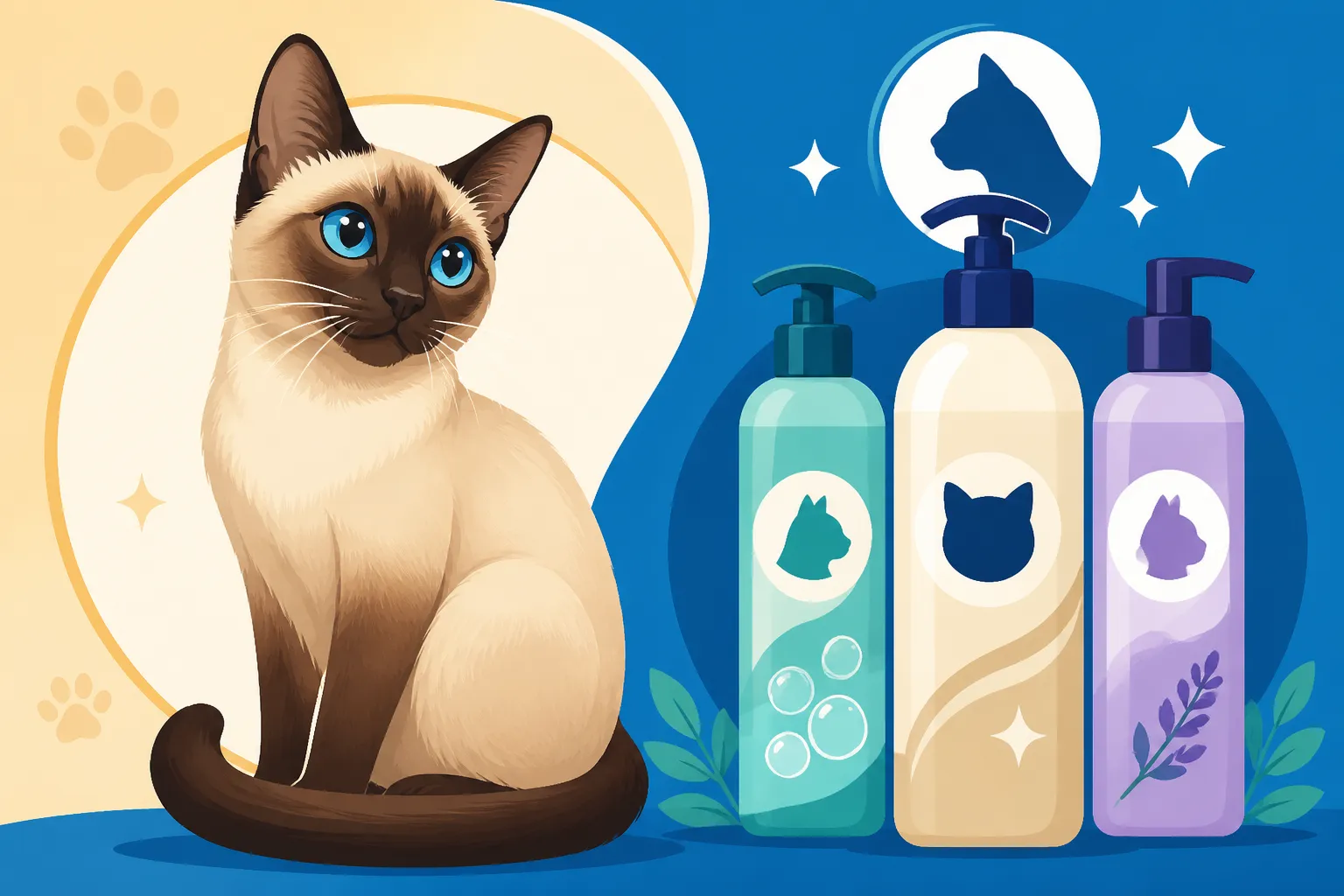
Which Shampoo Suits a Siamese Cat
Oh, the infamous cat bath! If you're anything like me, the mere thought of trying to shampoo your graceful, vocal Siamese sends shivers down your spine. Let's be honest, bathing a cat isn't exactly a walk in the park; it's more like a wrestling match with a very opinionated, liquid-averse furball. But sometimes, a bath is necessary, whether your beloved Meezer has rolled in something questionable, developed a skin issue, or simply needs a freshen-up. This guide will walk you through everything you need to know about choosing the perfect, safe shampoo for your Siamese, so you can make the experience as stress-free as possible for both of you.
Why a Siamese Cat Might Need a Bath and Why It's Often a Battle
Let's face it, Siamese cats are usually immaculate. They are meticulous self-groomers, spending a significant portion of their waking hours ensuring every single hair is in place. Their short, sleek coats are relatively low maintenance compared to long-haired breeds, meaning they don't typically need frequent baths. Most of the time, Grooming a Siamese Cat Takes Five Minutes a Week with a simple brush to keep their coat in top condition. So, if your Siamese is generally healthy and keeps themselves tidy, you might never actually need to reach for the shampoo bottle.
However, life happens, and there are certainly instances where a bath becomes unavoidable. Perhaps your curious companion ventured into the garage and got grease on their beautiful coat, or maybe they had a digestive upset that ended up… everywhere. More seriously, some Siamese cats develop skin allergies, dandruff, or other dermatological conditions that necessitate therapeutic bathing. It's during these moments that the challenge truly begins. Siamese cats, like most felines, are not big fans of water. The sudden immersion, the strange smells, and the feeling of being handled in such an unusual way can be incredibly upsetting for them. This isn't just about their vanity; it's often a deep-seated instinct to avoid getting soaked, which can impede their ability to regulate body temperature and feel secure. Understanding this helps us approach the task with more empathy and less frustration. You know your cat best, and if they react with extreme fear, sometimes a vet's assistance or a professional groomer is the safest option.
Understanding Your Siamese Cat's Skin and Coat Needs
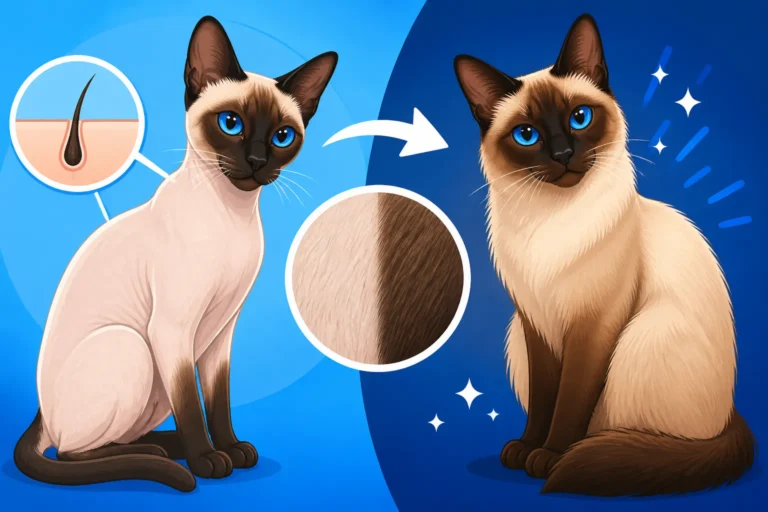
Before we even think about ingredients, it's crucial to understand a bit about your Siamese's unique physiology. Their skin pH is very different from ours, and their coats, while short, still require specific care to remain healthy and vibrant. Using the wrong products can strip their natural oils, cause dryness, irritation, or even allergic reactions, making future grooming even harder and potentially leading to more significant skin issues.
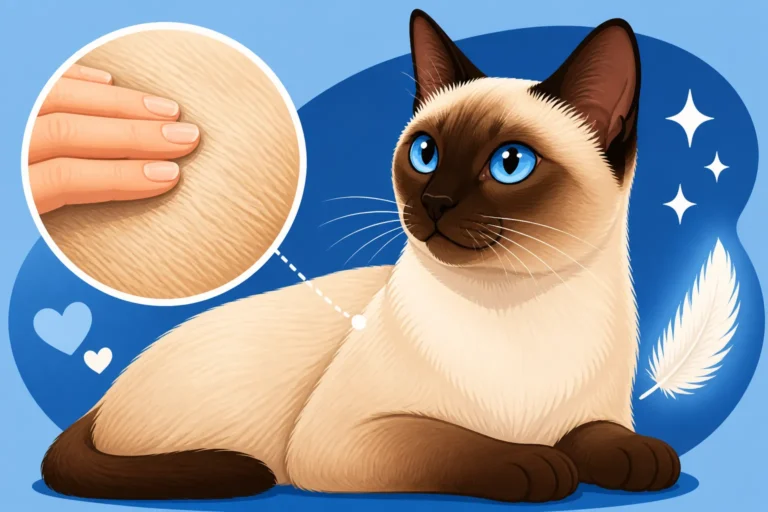
A Siamese cat's coat is typically short, fine, and lies close to their body. Unlike some breeds, they don't have a thick undercoat, which is part of why they tend to feel the cold. This also means their skin is more directly exposed and can be more sensitive to harsh chemicals. What A Siamese Cat's Coat Feels Like is a silky, smooth texture that needs to retain its natural oils for protection and shine. Anything that disrupts this delicate balance can lead to dullness, flaking, or excessive shedding, even though they are generally not heavy shredders. How Much a Siamese Cat Sheds is usually minimal, but poor skin health can exacerbate it.
The pH Factor: Why Human Shampoo is a No-Go
This is perhaps the most critical point: never use human shampoo on your Siamese cat. Our skin and hair have an acidic pH, typically ranging from 4.5 to 5.5. A cat's skin, however, is much closer to neutral, often between 6.0 and 7.0. This difference might seem small, but it's massive when it comes to skin health.
Using shampoo formulated for humans on a cat can severely disrupt their skin's natural protective barrier, known as the acid mantle. This can lead to dry, flaky, itchy skin, and make them more susceptible to bacterial or fungal infections. Imagine using industrial-strength cleaner on your delicate facial skin – that's a bit how it feels for them. Always, always, choose a shampoo specifically labeled for cats, or even better, one explicitly stating it's "pH balanced for pets." This ensures the product is designed to work with their natural biology, not against it.
Gentle, Hypoallergenic Ingredients for Sensitive Skin
Given their often sensitive nature, both physically and emotionally, opting for shampoos with gentle, natural, and hypoallergenic ingredients is usually the safest bet for your Siamese. Look for formulas that avoid harsh chemicals and strong fragrances, which can be irritating or overwhelming to their keen sense of smell.
Ingredients like oatmeal, aloe vera, and shea butter are often excellent choices for soothing and moisturizing a cat's skin. Oatmeal, for example, is renowned for its anti-itch properties and can be a godsend for cats prone to dry or irritated skin. Aloe vera is a natural moisturizer and has calming effects, while shea butter helps to condition the coat and skin without leaving a greasy residue. These natural ingredients provide comfort and nourishment, especially if your Siamese is already dealing with a skin issue. When reading labels, look for formulations that explicitly state "hypoallergenic" or "for sensitive skin," as these are specifically designed to minimize the risk of allergic reactions. If your cat develops Psychogenic Alopecia in a Siamese Cat from stress, avoiding harsh ingredients is even more important to prevent further skin irritation that could worsen the licking cycle.
Addressing Specific Skin Concerns
Sometimes, a basic gentle shampoo isn't enough. Your Siamese might have a specific issue that requires a more targeted approach.
- Flea and Tick Shampoos: If your Siamese has fleas or ticks, a medicated shampoo can be an effective way to remove them directly. However, these often contain stronger insecticides, so always ensure the product is specifically safe for cats (not just dogs, as ingredients can differ greatly in toxicity) and follow the directions precisely. Never let your cat ingest the lather, and rinse thoroughly. Always consult your vet if you suspect a serious infestation, as these shampoos are often a temporary measure and part of a broader parasite control plan.
- Anti-Dandruff or Medicated Shampoos: Some Siamese cats can suffer from dandruff or other skin conditions, such as seborrhea. For these issues, your veterinarian might recommend a medicated shampoo containing ingredients like salicylic acid or coal tar (though typically in very low concentrations and only if prescribed for cats). These shampoos are formulated to treat the underlying cause of the flaking or irritation. Again, these are not for general use and should only be used under veterinary guidance, as they can be harsh if used improperly or unnecessarily.
- Deodorizing Shampoos: If your Siamese managed to get into something truly stinky, a deodorizing shampoo might be necessary. Look for formulas that use natural odor neutralizers like baking soda or enzymatic cleaners, rather than simply masking smells with strong perfumes. Again, a mild or unscented option is preferable to avoid overwhelming your cat's sensitive nose.
- Waterless Shampoos or Wipes: For cats who absolutely despise water, or for quick clean-ups, waterless shampoos (foams or sprays) or grooming wipes can be a lifesaver. These products allow you to clean and deodorize your cat's coat without the full stress of a traditional bath. While they don't offer the deep clean of a wet bath, they can be excellent for managing light dirt, loose fur, or simply refreshing their coat. Brands like Burt's Bees and TropiClean offer good quality waterless options often found on Chewy or Amazon.
Shampoos to Steer Clear Of for Your Siamese
Knowing what to avoid is just as important as knowing what to look for. Some shampoos are simply not safe or appropriate for felines, and using them can cause more harm than good.
Dog Shampoos and Human Shampoos
We've already touched on human shampoos and their pH incompatibility. The same goes for dog shampoos. While many pet owners assume that "pet shampoo" means it's safe for all furry friends, this is a dangerous misconception. Dog shampoos are formulated for canine skin and coat needs, which are different from cats'. They can contain ingredients that are perfectly safe for dogs but highly toxic to cats. For example, some dog shampoos contain permethrin, an insecticide that is effective against fleas and ticks in dogs but can be fatal to cats. Cats groom themselves by licking, and anything left on their fur can be ingested. Always check the label meticulously to ensure it explicitly states "safe for cats."
It's a common, innocent mistake, especially for multi-pet households, but it's one that can have serious consequences. If you accidentally use a dog shampoo on your Siamese, rinse them thoroughly and immediately, and then call your vet for advice, even if they seem fine. Better safe than sorry.
Harsh Chemicals, Dyes, and Strong Fragrances
Beyond the pH, many ingredients commonly found in human or even some lower-quality pet shampoos can be problematic for cats.
- Sulfates (SLS/SLES): These are common foaming agents that can be very stripping and irritating to sensitive skin. Look for "sulfate-free" formulations.
- Parabens: Used as preservatives, parabens have raised concerns in human health and are best avoided for pets as well, especially if your cat has sensitive skin.
- Phthalates: Often found in fragrances, these chemicals are also best avoided due to potential health concerns.
- Artificial Dyes: Dyes add no benefit to a shampoo and can be a source of irritation or allergic reactions for cats. Clear or naturally colored shampoos are generally preferred.
- Strong Artificial Fragrances: While a pleasant scent might appeal to you, your cat's sense of smell is far more acute than yours. Strong perfumes can be overwhelming, stress-inducing, and even irritating to their respiratory system. Opt for unscented or naturally, mildly scented shampoos (e.g., with a hint of lavender if it's cat-safe and natural, but unscented is truly the safest). Remember, what smells good to you might be an assault on their senses.
Essential Oils: A Dangerous Trend
Essential oils are a big trend in natural living for humans, but they are often highly toxic to cats. Many essential oils, such as tea tree oil, peppermint, citrus oils, wintergreen, and various pine oils, are rapidly absorbed through a cat's skin and can be extremely harmful if ingested (which will happen when they groom themselves). Cats lack the liver enzymes necessary to metabolize these compounds effectively, leading to a build-up of toxins in their system.
Even diffused essential oils can be dangerous, but applying them directly in a shampoo is an absolute no-go. Always scrutinize ingredient lists for any mention of essential oils. If a product claims to be "natural" but lists various plant extracts without specifying their safety for cats, proceed with extreme caution or avoid it entirely. Unless explicitly formulated and tested for feline safety by a reputable pet care company, assume essential oils are off-limits for your Siamese.
Recommended Shampoos for Your Siamese Cat
Okay, so you know what to avoid. Now, let's talk about what actually does work. When it comes to finding the right shampoo for your Siamese, the market offers several excellent, cat-safe options. The key is to prioritize gentleness, safety, and suitability for sensitive skin.
Top Picks for General Use and Sensitive Skin
For most Siamese cats, a high-quality, gentle, tearless, and pH-balanced shampoo is ideal. These are formulated to clean effectively without stripping natural oils or causing irritation. Here are some characteristics and common brand types to look for:
- Oatmeal & Aloe Vera Shampoos: Brands like Earthbath, Burt's Bees for Pets, and Espree often offer excellent oatmeal and aloe vera formulas. These are fantastic for routine bathing or for cats with mildly dry or itchy skin. Oatmeal soothes, and aloe moisturizes, making them a calming combination. They are usually unscented or very lightly scented with natural, cat-safe essences.
- Hypoallergenic & Fragrance-Free Formulas: If your Siamese has particularly sensitive skin, or you're unsure of any underlying allergies, go for a truly hypoallergenic and fragrance-free option. Vet's Best and TropiClean also have reputable lines in this category. These minimize the risk of irritation by excluding common allergens and artificial scents.
- Tearless Formulas: Even if your Siamese isn't a fan of baths, a tearless formula can make the experience a little less traumatic if shampoo accidentally gets near their eyes. Look for this claim on the label, as it indicates a milder formulation.
When you're shopping online, perhaps on Chewy or Amazon, use filters for "cat shampoo," "sensitive skin," and "hypoallergenic" to narrow down your choices. Read reviews from other cat owners, especially those with Siamese or similarly short-haired, sensitive breeds, to get a better idea of a product's real-world performance.
Specialized Shampoos Under Vet Guidance
For specific medical conditions, your veterinarian is your best resource. If your Siamese is suffering from persistent dandruff, skin infections, or severe allergies, they might prescribe or recommend a specialized medicated shampoo.
- Antifungal or Antibacterial Shampoos: These contain active ingredients designed to treat specific skin infections. They are powerful and must be used exactly as directed by your vet, as improper use can be ineffective or even harmful.
- Prescription-Strength Hypoallergenic Shampoos: Sometimes, even over-the-counter hypoallergenic options aren't enough, and a vet might recommend a prescription-strength formula that is ultra-gentle and free from almost all potential irritants.
- Leave-In Conditioners or Sprays: For dry skin or dull coats, a vet might suggest a leave-in conditioner or conditioning spray, applied after the bath. These help restore moisture and shine and can prolong the benefits of bathing. Again, ensure these are cat-safe and approved by your vet.
It's really important to stress: do not self-diagnose your cat's skin condition or attempt to treat it with human medicated shampoos. A vet can properly diagnose the issue and recommend the safest and most effective treatment plan, which may or may not involve bathing. For instance, Why a Siamese Cat Gets Blackheads on Its Chin might be feline acne, which requires a specific type of treatment often involving gentle cleaning but not necessarily a full shampoo bath.
Tips for a Less Stressful Bath Time Experience
Even with the perfect shampoo, bathing a Siamese can be an ordeal. But there are ways to make it less stressful for both of you. Remember, How a Siamese Cat Reacts to Water is usually not with joy!
Preparation is Key
- Gather everything first: Shampoo, towels (lots of them!), a non-slip mat for the tub or sink, a cup or pitcher for rinsing, cotton balls for ears (to prevent water getting in), and treats for after. Having everything within arm's reach means less scrambling.
- Trim nails: A fresh nail trim (or caps if your cat tolerates them) will protect both of you from accidental scratches during the struggle.
- Brush thoroughly: Brush your Siamese before the bath to remove any loose fur and tangles. This helps the shampoo penetrate and makes rinsing easier. It also helps with the minimal How Much a Siamese Cat Sheds they usually do.
- Warm water: Ensure the water temperature is comfortably warm, not hot or cold. Test it on your inner wrist.
- Choose the right time: Pick a time when your cat is relaxed, perhaps after a strenuous play session when they're a bit tired. Avoid bath time when they're already agitated or stressed.
- Enlist help: Having a second person to gently hold and reassure your cat can make a world of difference.
During the Bath
- Speak calmly: Use a soothing, calm voice throughout the process. Your demeanor can significantly impact their stress levels.
- Start slow: Gently wet your cat, starting from their back and working your way down, avoiding the face. A handheld shower sprayer on a low setting can be less intimidating than a rushing tap.
- Lather gently: Apply a small amount of shampoo and gently massage it into their coat. Work quickly but calmly. Focus on areas that are truly dirty.
- Rinse thoroughly: This is arguably the most crucial step. Any shampoo residue left on their skin can cause irritation or be ingested when they groom. Rinse, rinse, and rinse again until the water runs clear and their fur feels squeaky clean.
- Protect eyes and ears: Use those cotton balls in their ears, and be extra careful to avoid getting water or shampoo in their eyes.
- Wrap immediately: Once rinsed, wrap your Siamese snugly in a warm towel. Gently blot (don't rub vigorously) to absorb as much water as possible.
Post-Bath Comfort
- More towels: Continue to towel-dry until they are mostly damp. Some cats tolerate a hairdryer on a very low, cool setting from a distance, but many do not. Prioritize warmth and comfort.
- Warm environment: Keep your Siamese in a warm room until they are completely dry, as they can get chilled easily, especially since A Siamese Cat's Coat Feels Like it has no undercoat.
- Reward generously: Offer lots of praise, their favorite treats, and perhaps a special meal or extra playtime. Associate the bath with positive reinforcement.
- Monitor for reactions: Keep an eye on their skin for any signs of redness, irritation, or excessive licking in the hours and days following the bath, just in case the shampoo, even a mild one, caused a reaction.
Bathing a Siamese cat is rarely easy, but with the right shampoo and a calm, prepared approach, you can manage those necessary clean-ups effectively and keep your beloved companion's coat healthy and shining.
Disclaimer
This article is for general informational purposes only and does not constitute professional advice. Laws, prices and regulations vary by location and change over time. Consult a qualified professional for guidance on your specific situation.