How to Teach a Siamese Cat to Sit
If you've ever tried to teach your average housecat anything beyond "where's the food bowl?" you know it can be a challenge. But with a Siamese cat, things are often a little different. Their legendary intelligence and boundless energy mean they're often eager to learn, yet their strong-willed, opinionated nature can make them tricky students! This guide will walk you through the surprisingly effective steps to teach your vocal, smart Siamese companion how to sit on command, transforming playtime into productive bonding.
The Siamese Mind: Why Training is Unique for This Breed
Let's be real, Siamese cats aren't your typical aloof feline. They're often described as dog-like in their devotion and intelligence, which can make them prime candidates for learning tricks. But that same intelligence means they get bored easily and will question the "why" behind your requests. Understanding their unique personality is the first step to successful training.
Why Siamese Cats are Different
Siamese cats are incredibly bright, often capable of solving problems that would stump other breeds. They thrive on interaction and mental stimulation, which is why they can become destructive or excessively vocal if left without enough engagement. This makes them fantastic candidates for training, but it also means you need to be engaging and consistent. They aren't going to perform a trick just because you asked nicely once. They need to understand the benefit to them. You might notice your Siamese figuring out how to open cupboards or even doors, which is a testament to How Clever a Siamese Cat Is. This inherent cleverness can be harnessed for good!
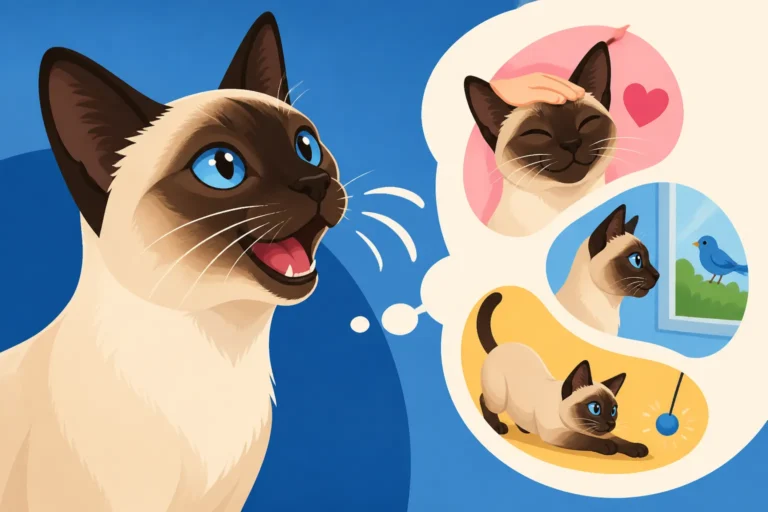
They also have an insatiable curiosity and a strong desire to be involved in whatever you're doing. This isn't a cat that's going to politely observe from a distance. They want to be front and center, participating, and often directing. This can be a huge asset in training, as they're often highly motivated by your attention and praise. However, it also means they can be easily distracted if you don't make the training session more interesting than the dust bunny under the couch. Their vocal nature, famously known as the "Meezer yowl," also plays into their personality – they're not shy about expressing their opinions or desires, which can manifest during training sessions.
Finding Your Cat's High-Value Rewards
Just like us, every Siamese cat has their preferred "currency." For some, it's a specific type of treat; for others, it's a favorite toy or even just a good scratch behind the ears. Before you even think about teaching "sit," you need to figure out what your Siamese considers a "jackpot" reward. This isn't just any old kibble; it needs to be something they go absolutely wild for, something they only get during training sessions.
Start by offering a variety of tiny, tempting treats. Think small pieces of cooked chicken, salmon, tuna, or specialized feline training treats you can find on Amazon. Some cats adore squeeze-up treats like Churu or Inaba. Pay close attention to which treat makes their eyes light up and their tail start to twitch with anticipation. That's your gold! Once you've identified their top-tier treat, make sure you only use it for training. If they get it all the time, it loses its special "oomph." For cats that aren't very food motivated, perhaps a feather wand or a laser pointer (used carefully to avoid frustration) could be the reward. The goal is to make the reward so appealing that it completely captures their focus.
The "Sit" Command: A Step-by-Step Training Guide
Now that you know what makes your Siamese tick, it's time to put that knowledge to good use. Teaching "sit" is one of the foundational tricks because it's relatively simple for cats to understand and can be a stepping stone to many other behaviors. Remember, patience is absolutely crucial here. Short, frequent sessions (5-10 minutes, a few times a day) are far more effective than one long, frustrating marathon.
The Lure-and-Reward Technique
This is where the magic begins. The lure-and-reward technique uses a treat to guide your cat into the desired position, then rewards them immediately.
- Get Ready: Find a quiet spot with minimal distractions. Have your high-value treats ready, cut into tiny, bite-sized pieces. You might also want a clicker, as it can be incredibly effective for clear communication with smart cats like the Siamese. If you're new to clicker training, look up some starter kits on Amazon – they often come with instructions.
- Positioning: Stand or kneel in front of your Siamese when they are already standing. Hold a treat between your thumb and forefinger, close enough for them to smell but not grab.
- The Lure: Slowly move the treat from your cat's nose, up towards their forehead, and slightly back over their head. As you move the treat backward, their nose will naturally follow it. To keep their eyes on the prize, their rear end will usually drop into a sitting position.
- Click and Treat (C&T): The instant their rear touches the ground, click the clicker (if using) and immediately give them the treat. Timing is everything here! The click marks the exact moment they did the right thing. If you don't have a clicker, a clear verbal marker like "Yes!" or "Good!" works, but the clicker is incredibly precise.
- Repeat, Repeat, Repeat: Do this a few times. Don't worry about the verbal cue "sit" yet. Just focus on getting them to sit consistently with the lure. Keep sessions short and end on a positive note, even if it's after just a few successful "sits." This keeps them eager for the next session.
| Common Lure-and-Reward Mistakes | How to Fix It |
|---|---|
| Treat too far away | Start with the treat right at their nose to capture their attention immediately. |
| Lure movement too fast/slow | Adjust speed; it should be just fast enough to guide, not too fast to lose interest. |
| Not sitting, but jumping | Adjust the lure's arc. Move it more directly over their head, not too high. |
| Click/Treat too late | Practice your timing! The click must happen at the exact moment of the sit. |
| Cat loses interest | Use higher-value treats, shorten sessions, or try at a different time of day. |
Adding the Verbal Cue
Once your Siamese is reliably sitting when you use the lure, it's time to introduce the word.
- Say the Word: Just as you begin to move the treat in the luring motion, say "Sit." Say it clearly and calmly, without shouting.
- Lure, Click, Treat: Complete the lure motion, wait for them to sit, then click and treat.
- Consistency: Repeat this many, many times. The goal is for your cat to associate the sound "sit" with the action of sitting and the subsequent reward. Make sure you're saying "sit" before the action, not as they're already sitting. This helps them link the word to the command.
- Vary the Environment: Once they're consistent in your quiet training spot, try practicing in slightly different locations in your home, but still keep distractions to a minimum.
Phasing Out the Lure
This is often the trickiest part, as your cat has learned to follow the treat, not the verbal cue alone. The goal is for the hand motion to become smaller and smaller, eventually disappearing, leaving only the verbal command.
- Shrink the Lure: Gradually make your luring motion smaller. Instead of a full arc, maybe it's just a slight upward flick of your wrist, or even just a pointed finger. Say "Sit" as you make the smaller motion.
- Delay the Treat: Once they respond to the smaller hand motion, start delaying the physical treat a tiny bit after the click. The click is still instantaneous, but you can take a moment longer to retrieve the treat from your pouch. This helps them understand the click is the primary marker of success, not just the appearance of the treat.
- No Lure, Just Cue: Eventually, try saying "Sit" with no hand motion at all. If your cat sits, tremendous! Click and treat immediately. If they don't, that's okay. Go back to a slightly larger lure and try again. Don't get frustrated; just make the process easier for them.
- Practice in Bursts: Keep training sessions short and positive. If your Siamese seems bored or frustrated, end the session on a good note with a successful sit and try again later. Remember, cats have short attention spans, especially when learning something new. Think about how much energy your Siamese has and tailor play sessions to them, perhaps incorporating a quick training burst after a round with their favorite What Toys a Siamese Cat Actually Uses to burn off some energy.
Overcoming Training Hurdles with Your Clever Siamese
Even the smartest Siamese will have days where they act like they've never heard the word "sit" in their lives. Don't take it personally. This breed is known for its strong personality and, well, being a cat!
Dealing with Distractions
A flapping curtain, a squirrel outside the window, the postman walking past – these can all derail a training session with a highly observant Siamese.
- Choose Your Environment Wisely: When you're first teaching a new command, pick the quietest room in your house. Close blinds, turn off the TV, and make sure other pets or family members aren't interrupting.
- Increase Distractions Gradually: Once your cat is reliably performing "sit" in a quiet room, slowly introduce minor distractions. Maybe the TV is on low, or you move to a room with a window (but still no squirrels in sight!). Only progress when they're consistently succeeding at the current level of distraction.
- Re-focusing: If your cat gets distracted, don't scold them. Simply re-engage them with your high-value treat or a playful sound. If they're completely checked out, end the session and try again later when they're more focused. Sometimes, the issue isn't the cat, but the environment.
When Your Siamese Just Won't Cooperate
You know your Siamese is smart, so why are they just staring at you with an expression that screams, "Why bother?"
- Are Your Rewards High-Value Enough? Go back to basics. Are you sure those treats are their absolute favorite? Sometimes our cats' preferences change.
- Are You Ending on a High Note? If every session ends with frustration, your cat will start to dread training. Always aim to end with a success, even if it's just one perfectly executed sit.
- Keep It Fun! Training should feel like a game for your Siamese, not a chore. If you're stressed, they'll pick up on it. Keep your tone light and positive. Sometimes, your cat needs to let off some steam before they can focus. Consider a vigorous play session first; How Much Play a Siamese Cat Needs can be surprising!
- Break It Down Further: If your cat isn't sitting even with the lure, maybe the lure motion is too big, or they're not tracking it properly. Can you reward them for just looking at the treat as you move it? Then for a slight crouch? Tiny steps add up.
- Consider Clicker Training: If you're not using one, a clicker can make a huge difference. Its distinct sound cuts through environmental noise and clearly marks the exact behavior being rewarded. How to Clicker Train a Siamese Cat often yields faster results due to this precision.
Consistency is Key
This is perhaps the biggest piece of advice for any animal training, but especially with clever cats. You can't expect your Siamese to remember "sit" if you only practice once a week for 20 minutes.
- Short, Daily Sessions: Aim for 2-3 sessions a day, each lasting no more than 5-10 minutes. This frequent exposure reinforces the learning without causing boredom or fatigue.
- All Family Members On Board: If multiple people interact with your Siamese, ensure everyone uses the same cue words and methods. Inconsistency will confuse your cat and slow down progress.
- Practice in Different Contexts: Once "sit" is mastered, ask for it before feeding time, before playtime, or before giving them attention. This generalizes the command so they understand it applies in many situations, not just formal training sessions. This also ties into How Trainable a Siamese Cat Really Is – their ability to generalize is quite impressive.
Building on Success: More Tricks for Your Talented Cat
Once your Siamese has mastered "sit," you'll likely find that their appetite for learning has only just begun! This breed truly thrives on mental stimulation, and successfully learning one trick opens the door to many more.
Expanding Their Repertoire
Think of "sit" as your cat's kindergarten diploma. Now they're ready for more advanced studies! Building on simple commands like "sit" can lead to a whole host of fun behaviors.
- "Stay": Once they sit reliably, start adding a small delay before the click and treat. Gradually increase the duration they stay in position.
- "Come": This is an incredibly useful command, especially for their safety. Pair saying "come" with a crinkle of a treat bag, or a favorite toy, and reward them when they approach.
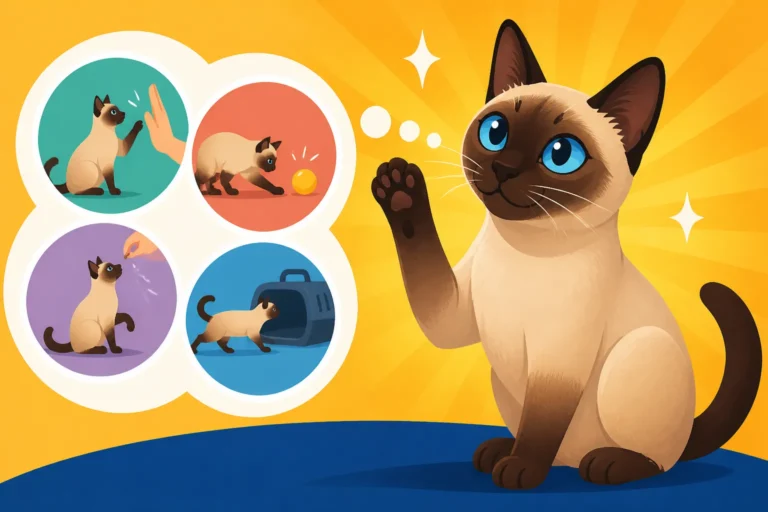
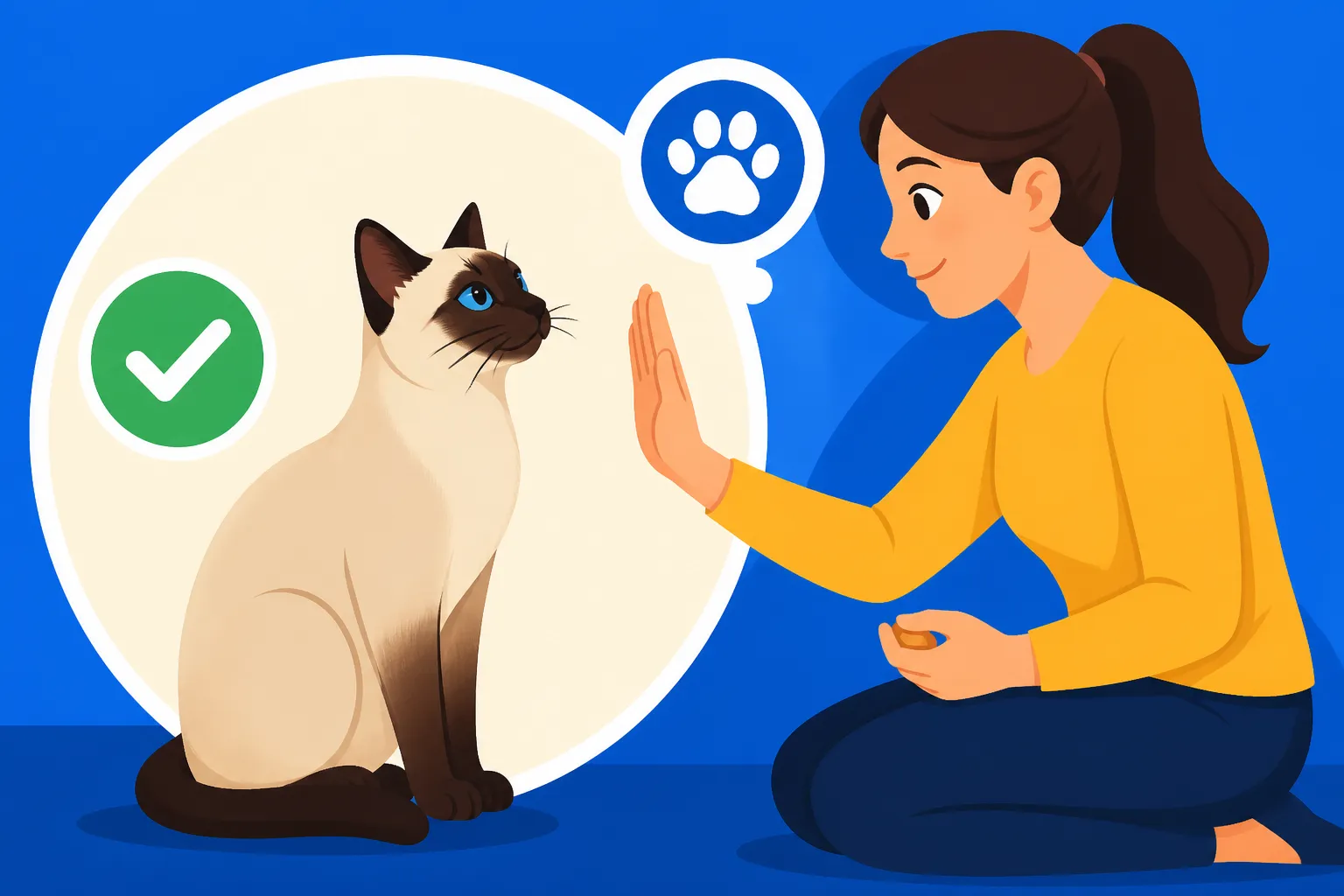
- "High Five" or "Paw": Many Siamese cats love to offer a paw. Hold a treat in a closed fist, present your fist, and when they bat at it with a paw, open your hand, click, and treat. Eventually, you can add the verbal cue.
- Fetching: Yes, many Siamese cats will fetch! Throw a soft toy and reward them when they bring it back. This breed is known for its ability to play How Well a Siamese Cat Fetches, making them truly unique.
The key to teaching new tricks is to break them down into the smallest possible steps, just like you did with "sit." Each tiny step forward gets a click and a treat, building their confidence and understanding. Remember, every cat learns at their own pace, so celebrate every small victory. Consider investing in some interactive puzzle feeders, many available on Amazon, which can also stimulate their minds and reinforce positive behaviors.
The Joy of a Well-Trained Siamese
Beyond the impressive parlor tricks, training your Siamese builds a stronger bond between you. It's a fantastic way to engage their intelligent minds, burn off some of that legendary Siamese energy, and prevent boredom-related behavioral issues. A cat that's engaged and understands what you're asking is a happier, more confident cat.
You'll find that training sessions become a cherished part of your routine, a time when you and your feline friend connect on a deeper level. Your Siamese, with their unique vocalizations and keen intelligence, will often surprise you with how much they're capable of learning, turning skeptics into believers in the process. Embrace the journey, and enjoy watching your brilliant companion flourish with every new command they master.
Disclaimer
This article is for general informational purposes only and does not constitute professional advice. Laws, prices and regulations vary by location and change over time. Consult a qualified professional for guidance on your specific situation.