How Trainable a Siamese Cat Really Is
Many cat owners throw their hands up in exasperation, convinced that their feline companions are simply untrainable. They’ve heard the old adage: "Dogs have masters, cats have staff," and often, with a clever, independent breed like the Siamese, it can feel incredibly true. But what if I told you that this widely held belief is actually a huge disservice to our brilliant, vocal Siamese friends? This guide isn't here to promise you a circus cat, but it is going to bust some myths and show you just how capable your Siamese is of learning, adapting, and even performing tricks, all while strengthening the incredible bond you share.
Debunking the Myth: Are Cats Really Untrainable?
It’s a common misconception, isn't it? You mention training a cat, and you're met with raised eyebrows or dismissive chuckles. Most people picture a cat staring blankly at you, perhaps flicking an ear in mild disdain before sauntering off to nap in a sunbeam. This idea that cats are aloof, stubborn, and impervious to learning usually stems from a fundamental misunderstanding of feline psychology and motivation. It’s not that they can’t be trained; it’s that we often try to train them like they’re a small, furry dog, which simply won't work for a creature with an entirely different evolutionary blueprint.
The Dog-Centric View of Training
For generations, our understanding of animal training has been heavily influenced by our relationship with dogs. Dogs, with their pack mentality and eagerness to please, respond beautifully to hierarchical structures and direct commands. They often thrive on pleasing their human, seeing it as part of their social contract. So, when we approach a cat with the same "sit," "stay," "come" commands, delivered with a similar expectation of immediate, unquestioning obedience, we're bound to be disappointed. Your Siamese isn't looking for a "master" to impress; they're looking for an equal to collaborate with, and perhaps, manipulate ever so slightly for treats.
The frustration often sets in when a cat doesn't perform on cue, leading owners to conclude that their cat is stubborn or simply "can't be trained." But the reality is that cats operate on a different motivational scale. They don't have the same ingrained desire to follow a leader or the historical conditioning of working alongside humans. Their independence is a hallmark of their species, and any successful training approach must respect and work with that independence, rather than trying to crush it. It's about finding what motivates your particular Siamese, and trust me, they are usually very clear about their desires!
Understanding Feline Motivation
So, if it’s not about pleasing you in the same way a dog might, what does motivate a Siamese cat? The answer is elegantly simple: self-interest. Cats are smart. They quickly learn to associate certain actions with desirable outcomes. Those outcomes are usually food, play, attention, or comfort. If performing a specific behavior consistently leads to a tasty treat or an exciting play session with their favorite wand toy, you can bet your bottom dollar they'll start offering that behavior more often. It’s a very practical, transactional relationship, but no less loving for it.
Understanding this intrinsic motivation is the key to unlocking their potential. Instead of trying to force them, you're essentially setting up a scenario where they choose to perform the action because it benefits them. This might sound cynical, but it's incredibly effective and creates a positive association with the training process. When training a Siamese, it’s less about commanding and more about enticing. It's a dance of rewards, patience, and making the desired behavior seem like the most brilliant idea they ever had. And because Siamese cats are so inherently intelligent and communicative, they often pick up on these associations remarkably quickly.
The Siamese Cat's Unique Intelligence and Personality
Siamese cats aren’t just pretty faces; they possess a truly remarkable intellect and a personality that's anything but subtle. This combination makes them fascinating, if sometimes challenging, students. They're often described as having dog-like personalities, but that's still an anthropocentric view. What they really have is a Siamese-like personality: intensely social, highly communicative, incredibly clever, and fiercely opinionated. These traits, far from being obstacles, are actually massive assets when it comes to training.
A Mind Like a Toddler (in a good way!)
If you've ever lived with a toddler, you know they're bundles of insatiable curiosity, boundless energy, and surprising problem-solving skills. They constantly test boundaries, learn through observation, and are driven by immediate gratification. In many ways, a Siamese cat embodies this same spirit. They are incredibly observant, constantly watching your routines and learning how things work in their environment. This means they can quickly pick up on patterns and understand cause-and-effect relationships, which is the foundation of any good training. They don't miss a trick, whether it's the specific rattle of the treat bag or the sound of your car pulling up the driveway.
Their intelligence means they thrive on mental stimulation. A bored Siamese is often a mischievous Siamese, finding their own ways to entertain themselves, which might include opening cupboards, batting objects off shelves, or exploring forbidden territories. Channeling this mental energy into positive training experiences not only makes them happier but also solidifies your bond. Think of it as intellectual playtime. You'll be amazed by How Clever a Siamese Cat Is when you give them the chance to use their brains productively.
The Vocal Communicator's Advantage
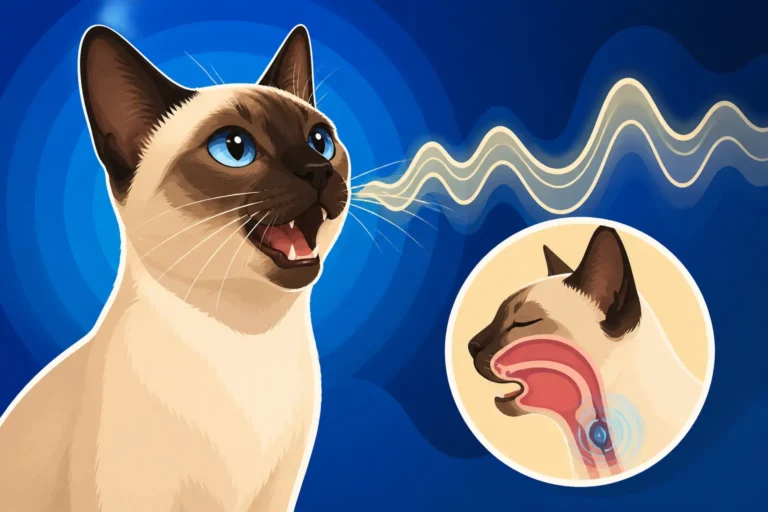
Ah, the legendary Siamese voice! It's one of their most defining characteristics, and while it can sometimes be a lot to handle, it's also a powerful tool in training. A Siamese doesn't just meow; they have a vast repertoire of chirps, trills, yowls, and conversational tones. This constant communication means they are actively trying to tell you things, expressing their needs, desires, and even their frustrations. This inherent vocal nature provides a fantastic opening for communication during training. You know when they're excited, when they're confused, and when they're demanding that treat now.
Because they are so communicative, they often respond well to verbal cues, not just visual ones. You can use specific words paired with actions, and they will learn to associate the sound with the behavior. While you might be trying to teach them to "sit," they might be trying to tell you, "I'd really prefer to roll over for a belly rub right now, and here's my loud suggestion." Learning to "speak Meezer" will be invaluable in understanding their participation in the training process. For more on their expressive nature, consider reading What the Siamese Cat's Meezer Yowl Sounds Like.
The Drive for Interaction
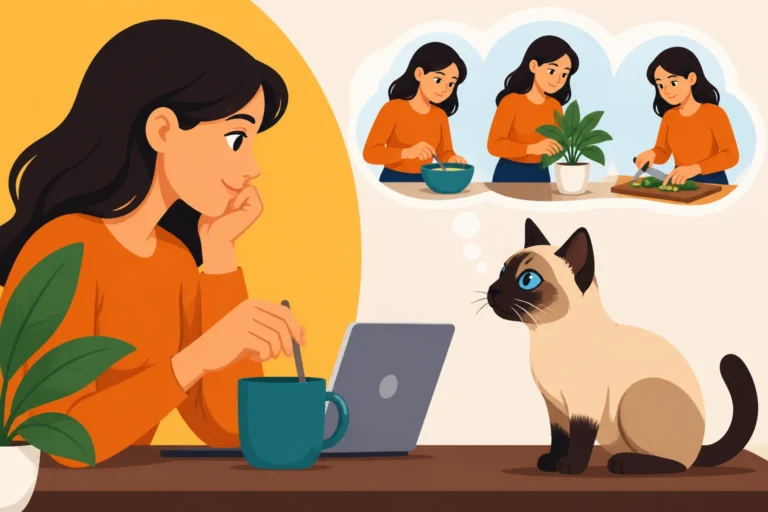
Unlike some other cat breeds that are content to simply co-exist, Siamese cats crave interaction. They want to be involved in whatever you're doing, whether it's "helping" you type on the keyboard, supervising your cooking, or simply sitting on your lap. This deep desire for connection and participation is perhaps the biggest advantage you have in training them. They see you as a central figure in their world, and engaging in activities with you, including training, becomes a form of enrichment and bonding.
This isn't to say they're always perfectly compliant – far from it! Their strong will often shines through. But their fundamental desire to be with you and engage with you means they are generally receptive to structured activities that involve your attention and a positive outcome for them. They're not just tolerating the training; they're often actively enjoying the shared experience, especially if it leads to play or food. This makes the entire process much more rewarding for both of you.
Laying the Foundation: Basic Training for Your Siamese
Before you start imagining your Siamese jumping through hoops, it's essential to lay a solid foundation. Basic training isn't just about teaching tricks; it's about establishing good habits, clear communication, and a predictable routine that makes living together harmonious. This often involves shaping their natural behaviors and directing them towards appropriate outlets.
Litter Box Mastery and Scratching Post Etiquette
While most kittens instinctively take to a litter box, reinforcing this positive habit is a crucial first step in training. For a Siamese, who can be quite particular, ensuring they have the right setup is key. This means ample, clean litter boxes (the general rule is one per cat plus one extra), with a litter type they prefer. Positive reinforcement comes into play when you praise or offer a small treat immediately after they use the box. This reinforces the idea that using the box is a good and rewarding experience.
Scratching is another natural feline behavior that needs proper direction. Siamese cats, with their lean, muscular bodies, love a good stretch and scratch. Rather than fighting this instinct, you need to provide attractive alternatives to your furniture. Offer various types of scratching posts – sisal, cardboard, vertical, horizontal – and place them strategically in areas where your cat likes to lounge or stretch. When you see them use a post, offer praise, a treat, or a quick play session. If they scratch something inappropriate, gently redirect them to the post. Consistency is paramount here; don't let them "get away with it" sometimes, or they'll never truly learn. You might even find excellent, durable scratching posts on Amazon that stand up to their vigorous workouts.
Harnessing Positive Reinforcement
Positive reinforcement is the absolute bedrock of successful cat training, especially with a Siamese. It means adding something desirable (a treat, praise, a favorite toy, a cuddle) immediately after a desired behavior occurs. The timing is critical – within 1-3 seconds – so your cat clearly associates their action with the reward. This isn't about bribery; it's about motivation. Your Siamese is clever enough to quickly connect the dots: "I did X, and now I get Y, so I should do X more often."
Think about what your Siamese loves most. Is it a specific type of treat? A particular string toy? A head scratch? Tailor your rewards to their preferences. High-value treats, like tiny pieces of cooked chicken or commercial cat treats (many varieties available on Amazon), often work wonders. Varying your rewards can also keep them engaged. If the training isn't fun and rewarding for them, a Siamese will quickly lose interest and decide there are more important things to do, like nap or demand attention.
The Power of Routine and Consistency
Siamese cats, despite their playful and sometimes chaotic energy, are creatures of habit. They thrive on predictability and routine. Integrating short, consistent training sessions into their daily schedule can be incredibly effective. Instead of trying to do a long, drawn-out session once a week, aim for 5-10 minute sessions once or twice a day. This keeps their attention and prevents them from getting bored or overwhelmed.
Consistency extends to everyone in the household. If one person uses a particular cue or reward, everyone should try to follow suit. This prevents confusion and helps your Siamese understand what's expected of them. For instance, if you're working on leash training, ensure that everyone is using the same harness and the same positive associations. A consistent approach helps solidify the lessons learned and builds confidence in your cat. How Long a Siamese Cat Can Be Left Alone also highlights their need for routine and interaction, which training provides.
Beyond Basics: Teaching Tricks and Commands
Once your Siamese has mastered the basics and you've both established a rhythm with positive reinforcement, you'll be amazed at how quickly they can pick up more complex behaviors and fun tricks. This is where their intelligence and desire for interaction truly shine, and it can be incredibly rewarding to see your Meezer learn something new.
Clicker Training: A Siamese Cat's Best Friend
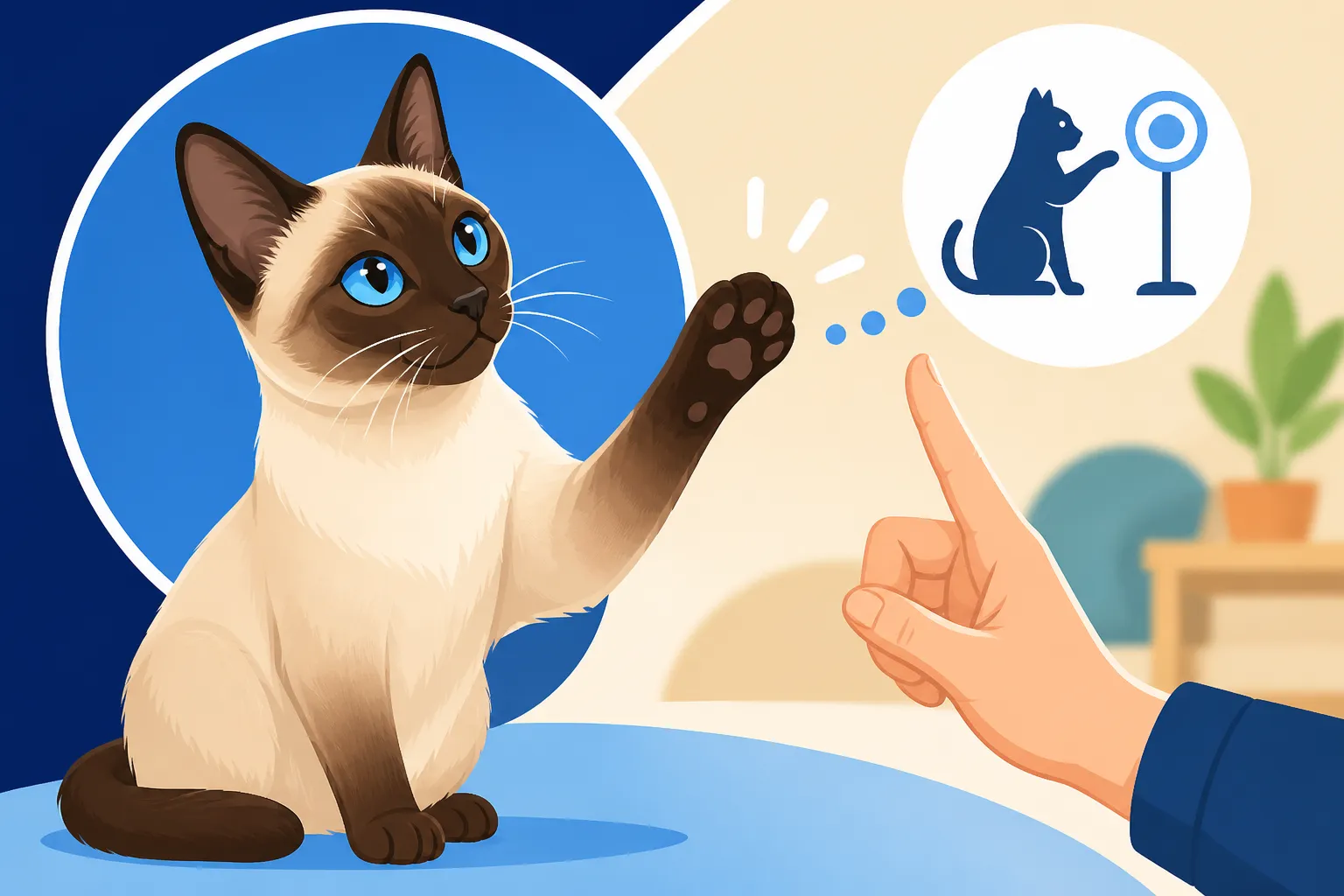
If you're serious about teaching your Siamese tricks, a clicker is an invaluable tool. A clicker is a small device that makes a distinct "click" sound. It's used to precisely mark the exact moment your cat performs the desired behavior, followed immediately by a high-value treat. Why is this better than just treats? Because the click is instantaneous and consistent, it removes any ambiguity, letting your cat know precisely what action earned the reward. This speed and clarity are something How to Clicker Train a Siamese Cat goes into more detail about.
To start, you need to "charge" the clicker. This simply means making your cat associate the click with something good. Click, then immediately give a treat. Repeat this 10-20 times in a short session until your cat perks up at the sound of the click, expecting a treat. Once charged, you can use it to shape behaviors. For example, to teach "sit," wait until your cat naturally sits, click the moment their bottom touches the floor, then treat. Over time, you can introduce a verbal cue like "sit" just before they sit, and eventually, fade out the clicker or even the treats as the behavior becomes ingrained.
Fetch, Sit, and Stay: The Surprising Capabilities
Don't let anyone tell you cats can't play fetch! Many Siamese cats absolutely adore fetching toys, and it's a fantastic way to burn energy and engage their predatory instincts. Start with a toy they love (small, lightweight toys are often best). Toss it a short distance. When they bring it back, praise them enthusiastically and perhaps offer a treat. If they don't bring it back, don't chase them; simply go retrieve the toy yourself and try again. Consistency and making it a fun, low-pressure game are key. You'll soon discover How Well a Siamese Cat Fetches.
Teaching "sit" can be done using the clicker method described above, or by luring. Hold a treat above and slightly behind their head; as their nose follows the treat, their bottom will naturally lower into a sit. The moment they sit, click and treat. Add the verbal cue "sit" as they perform the action. "Stay" is a more advanced command and requires building up duration and distance gradually. Start with a very short "stay" (1-2 seconds) while you're right next to them, then slowly increase the time and distance before rewarding. Their natural intelligence and focus mean that Which Tricks a Siamese Cat Can Learn can be quite extensive, limited only by your imagination and patience.
Leash Training for Adventurous Meezers
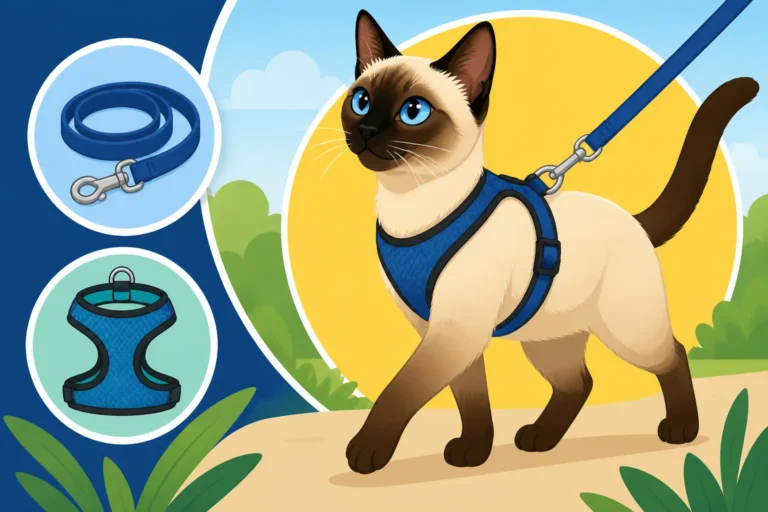
Given their curious and adventurous nature, many Siamese cats take well to leash training, allowing them to safely explore the outdoors or new environments. This isn't something to rush, however. The first step is getting them comfortable with a harness. Start by simply leaving the harness near their food bowl or sleeping area so they associate it with positive things. Then, put it on for very short periods (a minute or two) inside the house, distracting them with treats or play. Gradually increase the duration. There are many comfortable harnesses available, and checking reviews on Amazon for "cat harnesses" can help you find a suitable one.
Once they're comfortable wearing the harness, attach the leash and let them drag it around indoors under supervision. Never pull or drag them. Let them explore. The goal is for them to associate the harness and leash with exciting adventures and positive experiences. When they're confident indoors, take them to a quiet outdoor area, perhaps your garden or a calm park. Let them lead the way and explore at their own pace. Always supervise them closely and ensure their safety. It's a fantastic way to provide Enrichment for a Siamese Cat That Gets Bored in an Hour and satisfy their innate curiosity. For a deeper dive, read How to Leash Train a Siamese Cat.
Addressing Behavioral Challenges Through Training
Living with a Siamese cat is rarely dull, but their intelligence and intense personality can sometimes lead to behaviors that, while natural for them, can be challenging for us. The good news is that many of these can be managed and modified through consistent training and a deep understanding of their needs.
Managing Excessive Vocalization
Ah, the "Meezer Yowl." It's iconic, but sometimes, a Siamese cat's vocalizations can feel relentless. They might yowl for food, attention, to announce their presence, or simply because they enjoy the sound of their own voice. While you can't (and shouldn't) try to completely silence a Siamese, you can definitely manage excessive vocalization. The first step is to rule out any medical issues – a sudden increase in yowling, especially in an older cat, could be a sign of pain, kidney disease, or hyperthyroidism.
Once health is cleared, identify the trigger. Are they yowling for food? Only feed them when they are quiet, and consider a timed feeder. Are they demanding attention? Teach them that calm, quiet interaction gets rewarded, while incessant yowling does not. This doesn't mean ignoring them entirely, but rather rewarding the absence of the unwanted behavior. For instance, if they're quiet for a few minutes, go over and give them some love. If they immediately start yowling for more, withdraw your attention until they are quiet again. It takes immense patience, but it works. Understanding How Loud a Siamese Cat Is and How to Quiet a Siamese Cat can provide further strategies.
Curbing Destructive Chewing and Wool Sucking
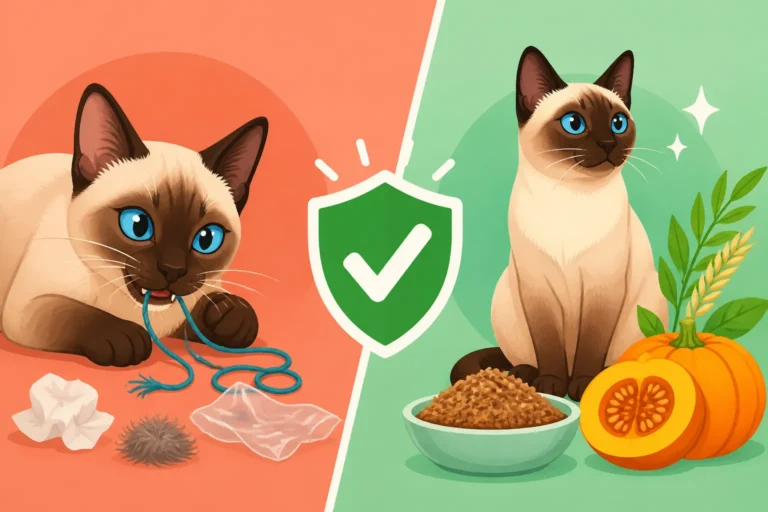
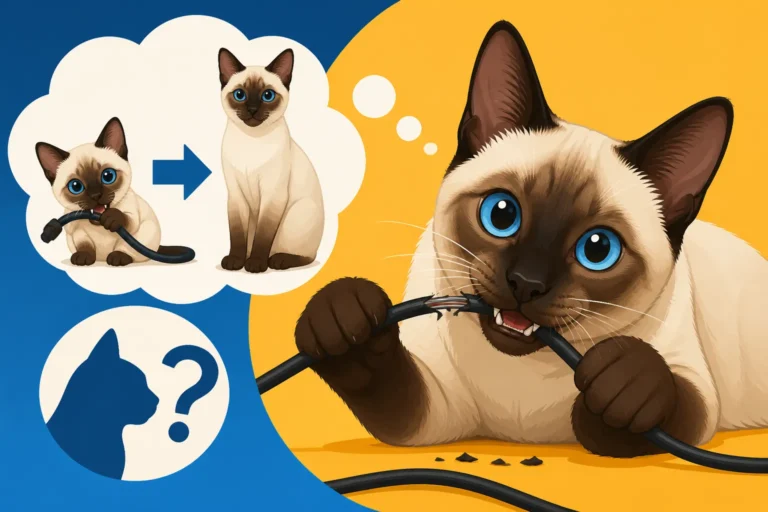
Siamese cats are notoriously prone to wool sucking, a fascinating and sometimes concerning behavior where they chew, suck, or even ingest fabric items like blankets, sweaters, or even your hair. While it's often rooted in genetics and can be a comfort mechanism, it can lead to health problems if they ingest non-digestible items. Why a Siamese Cat Sucks Wool delves into the origins of this behavior.
Training here involves a multi-pronged approach:
- Redirection: Provide appropriate chew toys and puzzle feeders filled with treats. When you see them targeting an inappropriate item, gently remove it and offer a designated chew toy.
- Environmental Management: Put away or secure items they are prone to sucking on. If they're obsessed with a particular blanket, remove it when you can't supervise. You might find cat-safe chew toys on Amazon that can serve as an outlet.
- Enrichment: Ensure they have plenty of mental and physical stimulation. A bored or anxious Siamese is more likely to engage in wool sucking. Regular play sessions, new toys, and interactive feeders can help. How to Stop a Siamese Cat Eating Fabric offers more practical advice on this challenging behavior.
Tackling Counter-Surfing and Boundary Setting
Siamese cats are agile, curious, and often food-motivated, making them prime candidates for counter-surfing. While it might seem harmless, it can be dangerous if they get into human foods that are toxic or encounter hot surfaces. Training them to respect boundaries is essential, but it requires consistency.
Instead of scolding, which often doesn't work with cats and can create negative associations, focus on making the counters less appealing. Use double-sided tape or crinkly foil on problem areas (many cats dislike the texture and sound). Never leave food unattended on counters. When you see them about to jump or already on the counter, gently pick them up and place them on a designated cat tree or mat nearby, then reward them with a treat or praise. This teaches them that being on the counter is unrewarding, but being on their designated spot is positive. It's about making the "right" choice more appealing than the "wrong" one. Consistency is the key; if you sometimes allow it, you confuse them. You're effectively teaching them What a Bored Siamese Cat Destroys if you don't give them clear rules and boundaries.
The Challenges and Realities of Training a Siamese
While Siamese cats are incredibly trainable, it's not always a smooth sail. There will be days of triumph and days of head-scratching frustration. It's important to have realistic expectations and to remember that training is an ongoing journey, not a destination.
Patience, Persistence, and a Sense of Humor
Training a Siamese cat demands a unique blend of patience, persistence, and a good dose of humor. They are intelligent, yes, but they also have a strong will and an independent streak that means they won't perform "just because." They need to want to do it. There will be times when your Siamese stares at you, blinks slowly, and then deliberately walks away, as if to say, "I heard you, but I choose not to comply." This isn't defiance so much as it is their independent spirit asserting itself.
Don't take it personally. If a session isn't going well, end it on a positive note with something easy, or simply take a break. Forcing the issue will only create negative associations and make future sessions harder. Celebrate small victories – even a glance in the right direction can be worthy of a click and a treat in the early stages. Remember, you're not just teaching tricks; you're building a deeper understanding and communication with a complex and fascinating creature. Embrace the quirks, the sass, and the occasional "Meezer melt-down" with a smile.
When to Seek Professional Help
While many behavioral challenges can be addressed with consistent home training, there are times when seeking professional help is the best course of action. If your Siamese is exhibiting severe anxiety, aggression, excessive house soiling outside the litter box, or destructive behaviors that are escalating despite your best efforts, a certified feline behaviorist or your veterinarian can provide invaluable guidance.
A vet can rule out underlying medical issues that might be contributing to behavioral changes. A behaviorist can offer tailored strategies, identify triggers you might be missing, and help you implement a plan that's specific to your cat's individual needs and your household environment. Don't view seeking help as a failure; it's a responsible step towards ensuring your Siamese lives a happy, well-adjusted life, and it can save you a lot of heartache (and potentially damaged furniture).
Understanding Limitations and Individual Differences
Just like people, every Siamese cat is an individual. While the breed as a whole is known for its intelligence and trainability, your specific cat might have different aptitudes and preferences. One Siamese might love learning to walk on a leash, while another might prefer the intellectual challenge of a puzzle feeder. Some might be star pupils at fetch, while others barely tolerate it.
It's crucial to respect these individual differences and not push your cat beyond their comfort level or natural inclination. Adjust your training goals and methods to suit their personality. If your Siamese isn't interested in learning a particular trick, don't force it. Focus on what they do enjoy and excel at. Training should be a fun and enriching experience for both of you, not a source of stress or frustration. Ultimately, it's about building a better relationship and a more harmonious home life, whether that involves complex tricks or simply polite manners around the house. When considering Whether a Siamese Cat Is Right for You, their unique personality and your willingness to adapt are key factors.
Essential Tools and Resources for Siamese Cat Training
Having the right tools can make a huge difference in your training journey, making the process smoother and more engaging for both you and your clever Siamese.
Engaging Toys and Puzzle Feeders
Siamese cats have high energy levels and a keen intellect, meaning they need plenty of mental and physical stimulation to prevent boredom and destructive behaviors. How Much Play a Siamese Cat Needs is often more than owners initially expect. Investing in a variety of engaging toys is crucial. Think wand toys that mimic prey, interactive laser pointers (used sparingly and always ending with a tangible catch to avoid frustration), and various types of balls they can chase. Rotating toys keeps things fresh and interesting. Many high-quality, durable cat toys are readily available on platforms like Amazon.
Puzzle feeders are another excellent tool for a Siamese. These feeders require your cat to "work" for their food by batting, pawing, or manipulating mechanisms to release kibble or treats. This taps into their natural foraging instincts and provides fantastic mental enrichment, slowing down eating and preventing boredom. They come in various difficulty levels, so you can start with easier ones and progress as your Siamese gets smarter.
Effective Training Aids and Supplies
Beyond toys, a few key training aids can be incredibly helpful:
- Clicker: As discussed, a clicker is invaluable for precise positive reinforcement. You can find simple, effective clickers on Amazon or at any good pet supply store.
- High-Value Treats: Stock up on treats your Siamese absolutely adores. These should be small, easily digestible, and ideally different from their regular food to maintain their "high-value" status. Cooked chicken bits, freeze-dried treats, or specific cat-safe chewy treats often work well.
- Harness and Leash: If you're considering outdoor adventures, a well-fitting, comfortable harness and a lightweight leash are essential. Ensure the harness is snug enough to prevent escape but doesn't restrict movement. Look for breathable materials, especially for a cat that might spend more time outdoors.
- Cat Trees and Vertical Spaces: While not strictly "training aids," providing ample vertical space is crucial for a Siamese's well-being and can help redirect unwanted behaviors. A tall cat tree offers a safe vantage point and a designated scratching area, reducing the likelihood of them climbing curtains or counters.
Finding Reliable Information and Communities
Embarking on a training journey with your Siamese can be incredibly rewarding, but it's okay to feel overwhelmed sometimes. The internet is a vast resource, but it's important to find reliable information. Look for resources from certified feline behaviorists, veterinary behaviorists, or reputable cat organizations. Many online communities and forums for Siamese cat owners can also be a goldmine of shared experiences, tips, and encouragement.
Connecting with other Siamese enthusiasts can provide camaraderie and practical advice specific to the breed's unique quirks. You might learn about a new toy your cat would love, a creative solution to a common behavior problem, or simply gain reassurance that you're not alone in dealing with a particularly vocal or demanding Meezer. The journey of training and living with a Siamese is a continuous learning experience for both of you, and having a supportive network can make all the difference.
Disclaimer
This article is for general informational purposes only and does not constitute professional advice. Laws, prices and regulations vary by location and change over time. Consult a qualified professional for guidance on your specific situation.