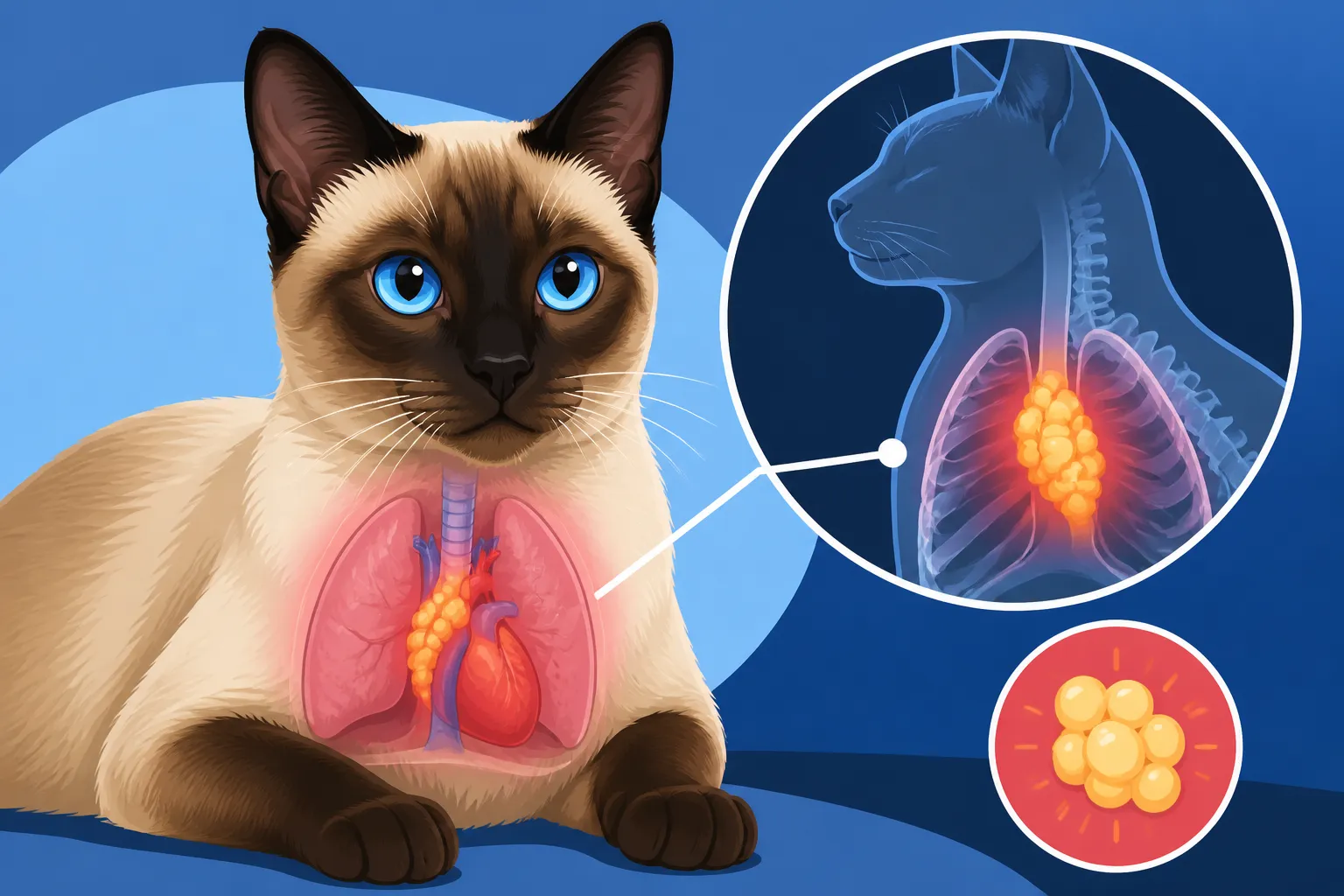
Mediastinal Lymphoma Signs in a Siamese Cat
It's incredibly unsettling when your usually boisterous and demanding Siamese cat starts to slow down, or you notice them struggling just to breathe. These sleek, intelligent companions are known for their lively personalities and vocal presence, so any subtle change can send a shiver of worry down your spine. When those changes point to something as serious as mediastinal lymphoma, a terrifying cancer that affects the chest cavity, knowing what to look for becomes absolutely critical. This guide is here to meticulously outline the signs of mediastinal lymphoma in Siamese cats, helping you understand the nuances of this challenging diagnosis.
Understanding Mediastinal Lymphoma in Siamese Cats
The very mention of cancer in our beloved pets is enough to make anyone's heart ache. When it comes to Siamese cats, unfortunately, there's a particular concern about certain types of lymphoma, especially the mediastinal form. It's not fair that these wonderful creatures, who often live for a good How Long a Siamese Cat Lives on Average twenty years, can be struck down by such an aggressive disease. But understanding what it is and why it affects them is the first step in being an informed and proactive owner.
What is Lymphoma?
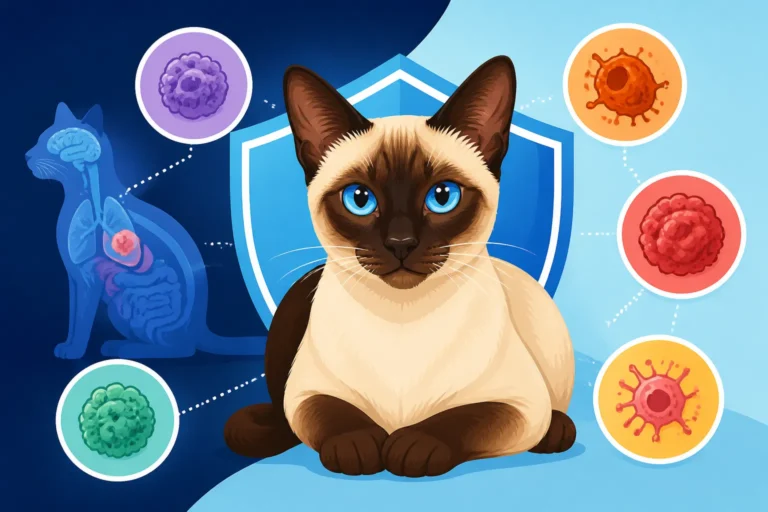
Lymphoma isn't just one disease; it's actually a broad term for cancers that originate from lymphocytes, a type of white blood cell crucial to the immune system. These cells are everywhere in the body – in the lymph nodes, spleen, bone marrow, and even the gastrointestinal tract. When they become cancerous, they can multiply uncontrollably, forming tumors in various organs. In cats, lymphoma is one of the most common types of cancer. While it can appear in many forms and locations, the mediastinal form specifically targets the thymus gland or lymph nodes located in the chest cavity, right between the lungs. Imagine a rapidly growing mass in a confined space – it's going to cause problems. This isn't something that happens overnight, but the effects can become dramatic quite quickly.
Why Siamese Cats are Prone to This Type
It feels like Siamese cats sometimes get the short end of the stick when it comes to certain health conditions, and sadly, lymphoma seems to be one of them. While any cat can develop lymphoma, there's a noticeable trend where Siamese and other Oriental breeds appear to have a higher predisposition to the mediastinal form. The exact genetic link isn't fully understood, but it's a frustrating reality for many Siamese owners. Often, we hear about the incredible The Fifteen to Twenty Years a Siamese Cat Gets with proper care, and then something like this comes along and reminds us of their vulnerabilities. This predisposition makes it even more vital for Siamese owners to be acutely aware of the potential signs. Historically, there was a strong association between feline leukemia virus (FeLV) and lymphoma, especially the mediastinal type. While FeLV testing and vaccination have significantly reduced its prevalence, and thus FeLV-positive lymphoma cases, unfortunately, FeLV-negative cases of lymphoma still occur, and Siamese cats continue to be overrepresented in those statistics. This means even if your Siamese is FeLV-negative, the risk is still there. For more general information, you might be interested in Which Cancers a Siamese Cat Gets.
The Impact on the Thoracic Cavity
The mediastinum is a critical space in the chest, housing the heart, major blood vessels, trachea (windpipe), esophagus, and the thymus gland, along with various lymph nodes. When a tumor, like mediastinal lymphoma, starts growing here, it begins to exert pressure on these vital structures. Think about it: a growing mass pushing against the lungs makes it hard to breathe. If it presses on the trachea, it could lead to coughing. If it affects the esophagus, eating might become difficult. And if it obstructs blood flow, you might see swelling. This pressure is the root cause of many of the terrifying symptoms you'll observe. It’s a literal squeeze on life itself, and it often means that by the time symptoms become obvious, the tumor has already reached a significant size.
Early and Subtle Warning Signs
One of the most frustrating aspects of feline diseases is how adept cats are at hiding their discomfort. Your Siamese, with their dramatic flair, might actually try to act "normal" for as long as possible. But with mediastinal lymphoma, even the most subtle changes can be critical clues. It's often the diligent owner who notices these shifts, proving yet again that you know your cat best. Don't dismiss your gut feeling if something just seems "off." These initial signs are crucial because they're your earliest opportunity to intervene.
Respiratory Distress and Difficulty Breathing
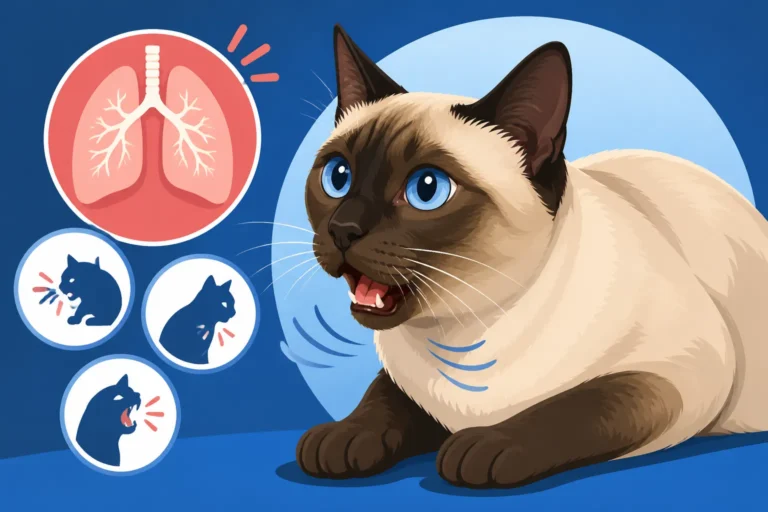
This is probably the most common and often the most alarming early sign of mediastinal lymphoma. The tumor growing in the chest presses on the lungs and airway, making it harder for your cat to take in air. You might notice:
- Increased Respiratory Rate: Count your cat's breaths per minute while they're resting or sleeping. A normal resting rate is typically between 15-30 breaths per minute. If you consistently see higher numbers, especially without recent exertion or stress, it's a red flag.
- Shallow Breathing: Instead of deep, relaxed breaths, your cat might be taking quick, shallow ones.
- Open-Mouth Breathing: Cats rarely breathe through their mouths unless they are severely stressed, overheated, or in significant respiratory distress. If your Siamese is breathing with an open mouth, even for a short period, it's an emergency.
- Abdominal Effort: Watch their belly. Are they using their abdominal muscles to push air out? This indicates increased effort to breathe.
- Reluctance to Lie Down Flat: Cats with breathing difficulties often prefer to sit or stand with their head and neck extended to help open their airways. They might not want to curl up in their usual sleeping spots.
It's terrifying to witness your companion struggle for air. You might first notice it after they've been playing, or even just when they're curled up trying to nap. It’s natural to wonder if it's just a hairball or a temporary sniffle, but with a Siamese, persistent breathing issues always warrant immediate veterinary attention. This is very different from the occasional pant after vigorous play, which, while still uncommon in cats, isn't usually a sign of distress if it resolves quickly. But if it's sustained, it's a problem. For comparison, you might also want to read about Asthma Symptoms in a Siamese Cat, as some early signs can overlap.
Changes in Appetite and Weight Loss
Just like with many illnesses, a cat’s appetite can be a good indicator of their overall health. With mediastinal lymphoma, you might notice your Siamese becoming a bit finicky or simply eating less. They might approach their food bowl, sniff it, and then walk away, or eat only a small portion of what they usually would. Over time, this reduced intake inevitably leads to weight loss.
- Decreased Food Interest: Your Siamese, who usually cries for their meals, might become less enthusiastic. Their favorite treats might not even tempt them.
- Skipping Meals: They might start skipping meals entirely, or only grazing intermittently.
- Visible Weight Loss: You might start to notice their ribs becoming more prominent, or their spine feeling bonier when you pet them. Their sleek body, which is naturally lean, can start to look gaunt. It's helpful to weigh your cat regularly if you have a sensitive scale at home, as even a pound or two of unplanned weight loss in a cat is significant.
This weight loss isn't just about not eating enough; the cancer itself can cause metabolic changes that lead to muscle wasting, a condition called cachexia. It's a cruel twist that even if they eat a bit, their body might not be utilizing the nutrients efficiently. Tracking these changes with a log can be incredibly helpful for your vet.
Lethargy and Reduced Activity Levels
Siamese cats are known for their boundless energy and playful antics. They chase toys with gusto, climb to the highest perches, and demand interaction. If your usually lively Siamese starts spending more time sleeping, less time playing, or generally seems less interested in their surroundings, it's a significant warning sign.
- Increased Sleeping: They might be curled up in their bed more often, or seeking out secluded, quiet spots to rest.
- Reduced Playfulness: The laser pointer that used to drive them wild now gets a half-hearted stare, or they might not bother to chase their favorite crinkle ball.
- Lack of Interest in Interaction: Your typically clingy Siamese might stop greeting you at the door, or they might not jump on the couch for cuddles as readily.
- General Weakness: They might move slower, seem hesitant to jump, or appear less steady on their feet.
It’s easy to attribute these changes to "just getting older" or a temporary mood, especially if they’re still eating a little. But for a Siamese, a noticeable drop in energy and enthusiasm is never truly "normal" and warrants investigation. You know your cat's normal rhythms, and a deviation from that is important. Sometimes, the lethargy is a direct result of their body fighting the cancer, or it could be due to oxygen deprivation from breathing difficulties.
More Advanced and Specific Symptoms
As mediastinal lymphoma progresses, the tumor continues to grow, putting more pressure on the surrounding organs. This leads to a more pronounced and specific set of symptoms that are harder to ignore. These are often the signs that push owners to seek emergency veterinary care, but ideally, we want to catch it much earlier.
Coughing and Gagging
While cats do cough sometimes, it's not nearly as common as in dogs or humans. A persistent cough in a cat, especially a Siamese, is always cause for concern. With mediastinal lymphoma, the tumor can press directly on the trachea or irritate the lung tissue, leading to a cough.
- Dry, Hacking Cough: This isn't usually the wet, productive cough you might associate with a cold. It's often a dry, hacking sound, sometimes mistaken for a hairball. Many owners will say, "My cat sounds like they're trying to throw up a hairball, but nothing comes out."
- Frequent Coughing Episodes: The cough might occur several times a day, particularly after exertion, drinking water, or even just when trying to get comfortable.
- Gagging or Retching: The irritation in the throat area from the pressure can also lead to gagging or retching, which further confuses owners who think it's just a hairball issue. However, if there’s no hairball present, or if it happens repeatedly, it's more serious.
It’s crucial to differentiate this from a hairball. A hairball usually results in a distinct, strained retching sequence that ends with a hairball. If your Siamese is coughing or gagging without producing anything, and it happens frequently, it needs checking out. Unfortunately, diagnosing the cause of a cough requires more than a physical exam, often involving X-rays or ultrasounds.
Swelling in the Face or Neck
This is a less common but very specific sign, and it's definitely an emergency. The tumor in the chest can press on the cranial vena cava, a large vein that returns blood from the head, neck, and front limbs to the heart. When this vein is compressed, blood can't drain properly, leading to swelling. This condition is known as cranial vena cava syndrome.
- Facial Swelling: You might notice that your cat's face, particularly around the eyes and cheeks, looks puffy or swollen. This can be subtle at first but can become quite pronounced.
- Neck Edema: The neck area might also appear thicker or swollen.
- Swelling of the Forelimbs: In some cases, the front paws or legs can also show swelling.
This swelling isn't just cosmetic; it indicates a serious obstruction of blood flow. It can be particularly alarming to wake up and see your beloved cat with a puffy face. Any unexplained swelling in these areas, especially when combined with breathing difficulties, needs immediate veterinary attention. This is a clear indicator that something significant is happening internally, and it’s a terrifying thing to witness.
Fluid Accumulation (Pleural Effusion)
Perhaps one of the most dire consequences of mediastinal lymphoma is the accumulation of fluid around the lungs, known as pleural effusion. The tumor can cause inflammation and block lymphatic drainage, leading to fluid leaking into the chest cavity. This fluid further compromises lung function, making breathing even harder. This symptom is often what brings cats into the emergency room.
- Severe Respiratory Distress: As fluid fills the chest cavity, the lungs have less and less room to expand, leading to increasingly severe breathing difficulties. Your cat might be panting, breathing with an open mouth, or even gasping for air.
- Muffled Heart/Lung Sounds: Your vet might hear muffled heart and lung sounds when listening with a stethoscope because of the fluid barrier.
- Blue-tinged Gums (Cyanosis): In very severe cases, lack of oxygen can cause the gums and tongue to appear bluish. This is a critical emergency.
If your vet suspects pleural effusion, they will likely recommend a chest X-ray or ultrasound, followed by a thoracocentesis (draining the fluid from the chest). Removing the fluid can provide immediate, life-saving relief, allowing your cat to breathe more easily, and the fluid itself can be analyzed to help diagnose the underlying cause. It's a terrifying moment when your vet says they need to "tap" your cat's chest, but it can literally save their life and buy you time for a diagnosis.
Behavioral Changes and General Ill Health
Beyond the physical symptoms, the cumulative effect of illness and discomfort will inevitably impact your Siamese cat's behavior and overall demeanor. These changes can be just as telling as the more overt physical signs, especially since Siamese are so keenly attuned to their human companions. When their personality shifts, it's a huge clue.
Hiding and Altered Social Interaction
Siamese cats are famous for being social butterflies, often described as "dog-like" in their attachment to their people. They follow you from room to room, engage in long "conversations," and demand attention. When a Siamese starts to withdraw, it's a glaring sign that something is seriously wrong.
- Seeking Solitude: They might start hiding in unusual places, under beds, in closets, or in quiet corners of the house, avoiding family interaction. This is a stark contrast to their usual "in your face" personality.
- Reduced Affection: Your cuddly companion might no longer jump onto your lap, or they might only tolerate brief petting sessions before moving away.
- Irritability: Some cats, when in pain or discomfort, may become uncharacteristically irritable or even aggressive when handled. If your usually sweet Siamese hisses or bats at you when you try to pick them up, it's a sign they're feeling unwell.
- Changes in Vocalization: Your normally chatty Siamese might become quiet, or conversely, they might start to yowl more frequently, indicating distress. You know What the Siamese Cat's Meezer Yowl Sounds Like when they're demanding food, but this might sound different, more mournful.
These behavioral shifts are particularly heartbreaking because they cut to the core of your bond with your Siamese. It's hard to see their vibrant personality dim, and it’s a clear signal that they are not feeling well.
Pain or Discomfort
While lymphoma itself doesn't always cause overt pain initially, the growing mass and its impact on surrounding structures can lead to general discomfort. Difficulty breathing is inherently distressing and uncomfortable, but there might be other subtle signs of pain.
- Reluctance to Move: They might be slow to get up, hesitant to jump on furniture, or move stiffly.
- Guarding Behavior: They might flinch or react negatively when you try to touch their chest or abdominal area.
- Hunchedd Posture: Some cats adopt a hunched posture when they are in pain or severe discomfort.
- Poor Grooming: Cats in pain often neglect their grooming. Their coat might become dull, matted, or greasy, especially around areas they can no longer comfortably reach. A pristine coat is a sign of a healthy, comfortable cat, so a decline in grooming is a subtle but important clue.
It’s often difficult to pinpoint pain in cats, as they are masters of disguise. You're not likely to hear them cry out unless the pain is severe and acute. Instead, look for these subtle changes in posture, movement, and grooming habits. Understanding How a Siamese Cat Hides Pain, is essential for noticing these signs.
Fever and Immune Suppression
Lymphoma is a cancer of the immune system cells, and it can significantly impact a cat's overall immune response. This can lead to a variety of systemic signs, including fever.
- Fluctuating Body Temperature: Your cat might have periods of fever, which could make them feel warm to the touch, especially their ears and nose. A normal feline temperature is between 100.5-102.5°F (38.1-39.2°C).
- Recurrent Infections: A weakened immune system can make your Siamese more susceptible to other infections, such as upper respiratory infections or bladder infections. You might notice them getting sick more frequently than usual.
- Generalized Malaise: Along with lethargy, fever contributes to a general feeling of unwellness, making your cat feel miserable and even less inclined to eat or play.
These systemic signs indicate that the disease is affecting more than just the chest cavity. They're a red flag that your cat's entire body is struggling.
When to Seek Veterinary Attention
This part is simple: if you suspect any of these signs, don't wait. Early detection can make a significant difference in outcomes for many conditions, and while lymphoma is aggressive, a timely diagnosis allows for more options. Waiting too long only means your cat suffers more and your options become more limited.
Recognizing Emergency Symptoms
Some symptoms are so severe that they warrant an immediate trip to the emergency vet, regardless of the time of day. These are not things you can "wait and see" on.
- Open-Mouth Breathing or Gasping: If your Siamese is struggling to breathe with an open mouth, or making gasping sounds, get to the nearest emergency clinic now.
- Blue-tinged Gums (Cyanosis): This indicates a severe lack of oxygen and is a life-threatening emergency.
- Collapse or Extreme Weakness: If your cat collapses, can't stand, or is extremely weak and unresponsive, it’s an emergency.
- Sudden, Significant Swelling: Rapidly developing swelling in the face or neck is also an urgent concern.
These are critical moments where every second counts. Don't waste time looking up symptoms online or calling your regular vet if they're closed. Just go. It's what Signs a Siamese Cat Is Unwell, truly means in an emergency context.
The Importance of Timely Diagnosis
The sooner mediastinal lymphoma is diagnosed, the better the chances of managing it, even if a cure isn't always possible. Early diagnosis means:
- Less Advanced Disease: The tumor might be smaller, causing less damage to vital organs.
- Better Treatment Tolerance: Your cat will likely be stronger and better able to tolerate treatments like chemotherapy.
- Improved Quality of Life: Even if the prognosis is guarded, early intervention can significantly improve your cat's comfort and quality of life for as long as possible.
- More Options: A veterinarian can discuss a wider range of treatment protocols, rather than being limited by the severity of advanced disease.
It's a scary thought, but confronting the possibility head-on is the kindest thing you can do for your Siamese. Having pet insurance like Healthy Paws can be a lifesaver in these situations, as diagnostics and treatments can be expensive, and you don't want to be in a position where cost delays critical care.
Diagnostic Procedures and What to Expect
When you bring your Siamese to the vet with suspected lymphoma symptoms, they'll likely start with a thorough physical exam, carefully listening to your cat's heart and lungs. After that, a series of diagnostics will be recommended.
- X-rays (Radiographs): Chest X-rays are usually the first step. They can reveal if there's a mass in the mediastinum, evidence of fluid in the chest (pleural effusion), or changes in the lungs. You might need to budget for What a Siamese Cat's Chest X Ray Costs.
- Ultrasound: A thoracic ultrasound can give a more detailed view of the chest structures, helping to identify the size and location of a mass, assess the heart, and confirm the presence and amount of pleural effusion. What a Siamese Cat's Emergency Ultrasound Costs, is another potential expense to consider.
- Fluid Analysis (Thoracocentesis with Cytology): If pleural effusion is present, your vet will drain some of the fluid (thoracocentesis) and send it for analysis (cytology). Cancer cells might be present in the fluid, offering a definitive diagnosis.
- Biopsy: A definitive diagnosis of lymphoma often requires a biopsy of the mass itself. This might involve a needle aspirate (taking a small sample with a needle) or, in some cases, a surgical biopsy.
- Bloodwork: Routine blood tests, including a complete blood count (CBC) and biochemistry panel, can provide information about your cat's overall health, kidney and liver function, and potential anemia, though they typically won't diagnose lymphoma directly. It’s part of What a Siamese Cat's Yearly Bloodwork Should Cover.
- FeLV/FIV Testing: As mentioned earlier, FeLV was historically strongly linked to mediastinal lymphoma. Your vet will almost certainly recommend testing for both Feline Leukemia Virus (FeLV) and Feline Immunodeficiency Virus (FIV), even though many cases today are FeLV-negative. For more on this, check out Whether FeLV Causes Siamese Cat Lymphoma.
Once a diagnosis is confirmed, your vet will discuss treatment options. For mediastinal lymphoma, chemotherapy is often the primary treatment, aimed at reducing the tumor size and improving your cat's quality of life. Understanding How Siamese Cat Lymphoma Is Treated, and How Long a Siamese Cat Lives After Chemotherapy, will be crucial next steps.
Overview of Mediastinal Lymphoma Symptoms
It's a lot to take in when facing a potential diagnosis like mediastinal lymphoma. Here's a quick reference table to help categorize the symptoms you might observe, from the more subtle early signs to critical emergencies.
| Symptom Category | Specific Signs | Severity | Action Needed |
|---|---|---|---|
| Early/Subtle | Increased breathing rate, shallow breaths, mild lethargy, decreased appetite, mild weight loss, less interest in play/interaction. | Mild to Moderate | Vet appointment within 24-48 hours. Start tracking changes. |
| Moderate/Specific | Persistent dry cough, gagging without hairball, noticeable weight loss, moderate lethargy, persistent changes in vocalization/behavior, reluctance to lie flat. | Moderate to Severe | Urgent vet visit within 12-24 hours. |
| Advanced/Emergency | Open-mouth breathing, gasping for air, significant facial/neck swelling, blue-tinged gums (cyanosis), collapse, severe weakness, extreme hiding/distress. | Critical/Life-threatening | Immediate emergency vet visit. Go straight there. |
Remember, this table is a general guide. Any single symptom, especially respiratory distress, can escalate quickly. Trust your instincts as a pet owner. Healthy Paws emphasizes that immediate care can be crucial for conditions like these, and having a plan for emergency veterinary expenses can make a huge difference in being able to act fast.
Disclaimer
The information provided in this article is for educational purposes only and is not intended to be a substitute for professional veterinary advice, diagnosis, or treatment. Always seek the advice of your veterinarian or other qualified animal health provider with any questions you may have regarding a medical condition.