When a Siamese Cat Needs a Heated Bed
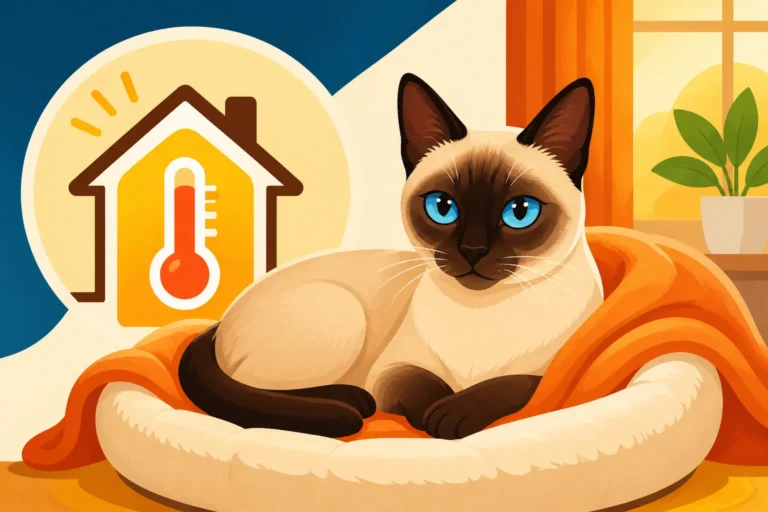
It’s a common sight for many Siamese cat parents: you wake up in the morning, and your sleek, vocal companion is burrowed deep under the duvet, or perhaps curled tightly into the smallest, warmest ball imaginable on your favorite sweater. This isn't just quirky cat behavior; it's often a clear signal that your Siamese is feeling the chill and actively seeking warmth. This guide will explore why Siamese cats are particularly susceptible to cold and when a heated bed might be exactly what they need to stay cozy and comfortable.
Understanding Your Siamese Cat's Unique Thermoregulation
Siamese cats are stunning, but their striking appearance actually comes with a trade-off when it comes to keeping warm. Unlike many other cat breeds, their physiology makes them a bit more prone to feeling the cold, which is a fact many new owners don't realize until their first winter with a Meezer.
Why Their Coat Offers Less Insulation
When you pet a Siamese cat, you immediately notice how fine and short their fur is. This isn't just a stylistic choice; it's a genetic trait that affects their ability to regulate body temperature. Most cat breeds have a dense double coat: a soft, insulating undercoat that traps warm air close to the body, and a coarser, water-resistant topcoat. Think of it like wearing a thick wool sweater under a windbreaker.
Siamese cats, however, largely lack this insulating undercoat. Their fur is primarily a single layer, close-lying, and remarkably sleek. While this makes for a delightfully soft petting experience and contributes to their elegant silhouette, it also means there's less natural insulation to protect them from drafts or lower room temperatures. They just don't have that built-in thermal layer to snuggle into. This is why you'll often see them gravitating towards sunbeams, radiators, or your lap, instinctively trying to compensate for their thinner natural insulation. Their short coat means heat dissipates from their bodies much more quickly than from a fluffy Persian or a robust Maine Coon. Understanding Why a Siamese Cat Feels the Cold is key to ensuring their comfort.
The Role of Point Coloration in Temperature Regulation
The unique "point" coloration of a Siamese cat—darker extremities like the ears, face mask, paws, and tail—is directly linked to temperature. This isn't just a pretty pattern; it's a fascinating genetic expression. The gene responsible for their coloring, a form of temperature-sensitive albinism, only allows pigment to develop in cooler parts of the body. The warmer the body part, the less pigment is produced. This is why a Siamese Cat Kitten Is Born White and gradually develops its points as it gets exposed to the cooler outside world.
What does this mean for their comfort? It implies their core body temperature is naturally higher in those unpigmented areas. The areas that do develop pigment are inherently cooler. While this genetic trait doesn't directly make them feel colder, it's a visible indicator of their body's constant interaction with ambient temperature. If a Siamese cat's body is too warm, the points might lighten; conversely, if they're consistently cold, their body fur can darken over time. This phenomenon, where A Siamese Cat's Points Are Made by Temperature, highlights their sensitivity to their environment. A cold environment not only makes them uncomfortable but can also subtly influence their coat color, making them look even darker over the years.
Signs Your Siamese Cat Is Feeling Chilly
Siamese cats are masters of communication, not just with their vocalizations, but also through their body language. When they're feeling cold, they won't necessarily shiver like a human (though extreme cold can cause that), but they will definitely send you signals. Learning to read these cues is essential for their well-being.
Behavioral Cues to Watch For
Your Siamese will tell you they're cold through their actions, often long before you might notice the chill yourself. One of the most common signs is an intense desire to burrow. You'll find them under blankets, tucked into laundry piles, or wedged between sofa cushions. If you have a pile of clothes just out of the dryer, expect your Siamese to claim it immediately. They might also seek out very specific, small, enclosed spaces, like cardboard boxes or even a laundry basket, as these spots help trap their body heat.
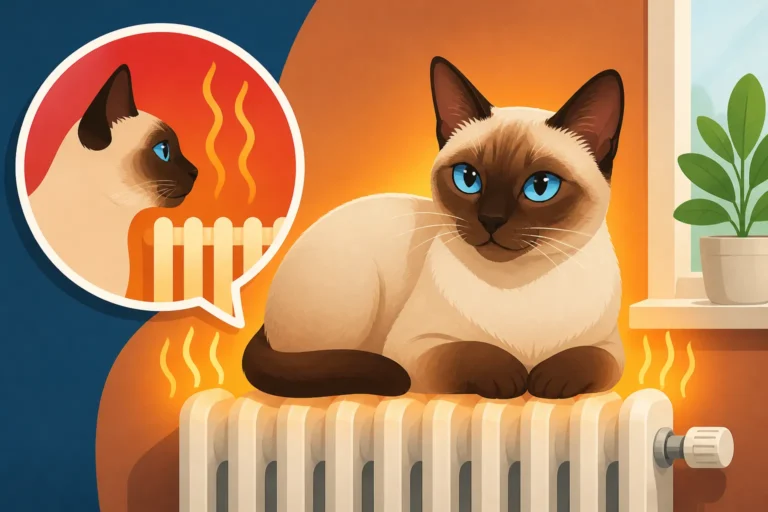
Another strong behavioral cue is their proximity to heat sources. If your Siamese is constantly glued to the radiator, perched on a sunny windowsill even on a cloudy day, or making themselves an permanent fixture on your lap whenever you sit down, these are all indicators. They're not just being affectionate; they're actively trying to absorb warmth. You might also notice them sleeping in tighter, more compact positions, curled into a very small, almost spherical ball, which reduces the surface area exposed to the cooler air, effectively conserving body heat. Sometimes, a subtle shift in their usual sleeping spots can be a sign too. If they typically sprawl out but are now always in a tight ball, they're looking for extra warmth. Why a Siamese Cat Sleeps Under the Duvet is a classic example of this behavior.
Physical Indicators of Cold Stress
Beyond behavioral changes, there are also physical signs that your Siamese cat is uncomfortably cold. While subtle, these are important to recognize. The most obvious, yet often overlooked, is cold ears and paws. Gently touching your cat's ears or paw pads can give you a good indication. If they feel notably cool, it's a sign that their body is prioritizing heat for their core and reducing blood flow to extremities.
Another physical indicator, though less common in moderately cool conditions, is shivering or trembling. If your Siamese is actually shivering, it means they're quite cold and their body is trying to generate heat through muscle contractions. This is a more urgent sign and means they need warmth immediately. In more severe cases of cold stress, their breathing might become shallow, and they could become lethargic. Their fur might also feel slightly bristly or puffed up as they try to trap more air for insulation, though this is less effective with their single coat. Pay close attention to these cues, as prolonged cold exposure can weaken their immune system and make them more susceptible to illness.
Optimal Environmental Temperatures for Siamese Cats
Just like us, cats thrive within a certain temperature range. For Siamese cats, given their unique coat, this range tends to lean a little warmer than what might be comfortable for a floofier feline friend. Creating the right environment is about more than just setting the thermostat; it's about understanding their individual needs.
Ideal Room Temperatures
While there's no universal "perfect" temperature for every single Siamese cat, generally speaking, most Siamese owners find their cats are happiest when the indoor temperature hovers between 70-75°F (21-24°C). This is a few degrees warmer than what might be considered comfortable for humans or other cat breeds. Below this range, you might start to see those behavioral cues we talked about – the burrowing, the seeking of sunbeams, the intense snuggling.
It's also important to remember that these are general guidelines. Factors like humidity, air circulation, and even the cat's activity level can influence how they perceive the temperature. A drafty room at 72°F might feel colder to a Siamese than a still room at 70°F. If you keep your home cooler, perhaps to save on heating bills, a heated bed becomes less of a luxury and more of a necessity for your Siamese. Remember, How Warm a Siamese Cat's House Should Be is not just about human comfort, but about providing a suitable environment for these temperature-sensitive felines.
How Age and Health Affect Temperature Needs
A cat's individual needs can change dramatically throughout its life and depend heavily on its overall health. Kittens, for example, are much more vulnerable to cold. They have less body fat, a less developed thermoregulation system, and can't generate or retain heat as efficiently as adult cats. A young Siamese kitten, especially if separated from its littermates, absolutely requires supplemental warmth, and a heated bed can be a lifesaver.
Similarly, older Siamese cats often have compromised immune systems, reduced muscle mass (meaning less natural insulation), and may suffer from conditions like arthritis or kidney disease. These conditions can make them feel the cold more acutely and make it harder for them to warm themselves up. An older cat with arthritis might find the gentle warmth of a heated bed soothing for aching joints, in addition to providing comfort. Caring for a Siamese Cat Past Twelve often involves extra considerations for warmth and comfort. Cats recovering from surgery or illness also have different needs; their bodies are expending energy on healing, leaving less for thermoregulation. For these vulnerable groups, a heated bed isn't just a nice-to-have; it's a crucial part of their care regimen.
Benefits of a Heated Bed for Your Siamese Cat
Providing a heated bed isn't just about preventing shivering; it offers a multitude of benefits that contribute to your Siamese cat's overall health, happiness, and well-being. It's a simple investment that can yield significant returns in comfort and peace of mind.
Comfort and Anxiety Reduction
Imagine being perpetually a little bit chilly, always searching for that perfect warm spot. That's often the reality for a Siamese cat in a cooler home. A heated bed provides a consistent, reliable source of warmth that they can seek out whenever they need it. This eliminates the constant search for heat, allowing them to truly relax. The gentle, consistent warmth mimics the feeling of snuggling with a littermate or a loving parent, which can be incredibly soothing.
For cats prone to anxiety or stress, a heated bed can become a safe, comforting haven. Siamese cats are known for being sensitive and highly attached to their humans. If you're out of the house for periods, a warm bed can provide a sense of security and reduce feelings of loneliness or discomfort. It creates a predictable, cozy retreat where they know they can always find solace. This can be especially beneficial for cats with separation anxiety (What Separation Anxiety Looks Like in a Siamese Cat), offering a tangible source of comfort when their human isn't around. The sheer contentment of seeing your cat blissfully snoozing in a warm bed is a reward in itself.
Health Benefits, Especially for Seniors
Beyond comfort, heated beds offer tangible health advantages. For older Siamese cats, who are more susceptible to joint pain and stiffness, the warmth can act as a therapeutic aid. Heat therapy helps improve circulation and relax muscles, which can alleviate the discomfort associated with arthritis or other age-related mobility issues. Many senior cats find it difficult to get comfortable, and a heated bed can provide significant relief, encouraging deeper, more restorative sleep.
For cats of any age recovering from illness or surgery, a heated bed supports their healing process by helping them maintain their body temperature without expending extra energy. This allows their body to focus its resources on recovery. Moreover, consistent warmth can indirectly boost their immune system by reducing the stress of being cold. It can even help with digestion and overall metabolic function. It's truly a multifaceted tool for enhancing a Siamese cat's health.
Choosing the Right Heated Bed
So, you've decided a heated bed is a good idea for your chilly Siamese. Great! Now comes the task of navigating the many options available. Not all heated beds are created equal, and choosing the right one involves considering safety, type, and features.
Types of Heated Beds and Their Features
Heated beds for cats come in a few main varieties, each with its own advantages:
- Self-Warming Beds: These don't use electricity. Instead, they feature a special insulated material, often with a reflective layer, that captures your cat's own body heat and reflects it back. They're a great choice for mild chills or if you're worried about electricity consumption or safety. They are usually more affordable and can be found on sites like Amazon or Chewy.
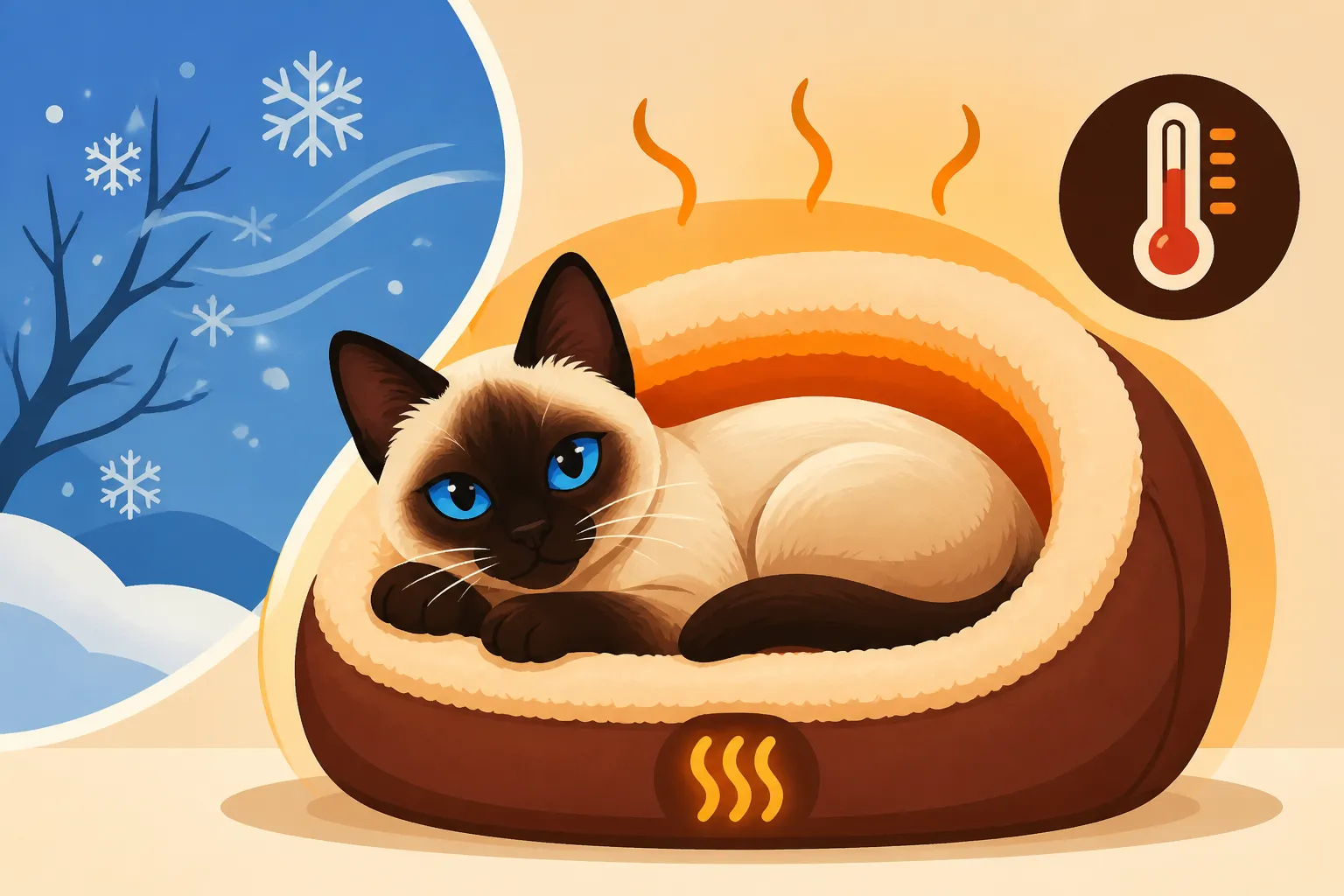
- Electric Heated Pads/Beds: These plug into an outlet and provide consistent, adjustable warmth. They typically have a low wattage, are designed with safety features like automatic shut-off and chew-resistant cords, and often offer multiple heat settings. Some are fully enclosed beds, while others are flat pads that can be placed under a blanket or inside an existing bed. Brands like K&H Pet Products are well-regarded in this category.
- Microwaveable Heating Pads: These are usually gel or grain-filled packs that you heat in the microwave. They offer temporary warmth and are great for quick warm-ups or travel, but they don't provide continuous heat.
When looking at features, consider:
- Safety Certifications: Always check for UL listing or similar safety certifications, especially for electric beds.
- Thermostatic Control: Many good quality electric beds have a thermostat that regulates the temperature to match your cat's body temperature, preventing overheating.
- Removable, Washable Covers: Cats are cats, and accidents happen. A removable, machine-washable cover is a huge plus.
- Size and Shape: Choose a bed that's appropriately sized for your Siamese – they like to curl up, but also need enough space to stretch out.
- Durability: Look for chew-resistant cords and sturdy construction if your Siamese is a notorious chewer, like some of those prone to wool sucking.
Safety Considerations and Placement
Safety is paramount when using any electrical pet product. Always follow the manufacturer's instructions carefully.
- Cord Protection: Ensure the power cord is protected and out of your cat's reach, especially if your cat is known to chew on things. Many heated beds come with steel-wrapped cords for this very reason.
- Placement: Place the heated bed in a draft-free area, away from high-traffic zones, to allow your cat to fully relax and enjoy the warmth. Avoid placing it near other heat sources like radiators, as this could lead to overheating. A quiet corner in a living room, or your bedroom, is often ideal.
- Regular Inspection: Periodically check the bed and cord for any signs of wear, damage, or overheating. If you notice anything unusual, discontinue use immediately.
- Not for Restricted Cats: Never use a heated bed for a cat that cannot move off the heat source on its own, such as a severely ill or immobile cat, without direct veterinary guidance and close supervision. This is because they might not be able to regulate their own temperature adequately or move if it gets too warm.
A heated bed, when chosen and used correctly, can be a safe and wonderful addition to your Siamese cat's comfort.
Alternatives to a Heated Bed
While a heated bed is a fantastic solution, it might not be the right fit for every Siamese owner or every situation. Luckily, there are several other effective ways to ensure your Siamese cat stays warm and cozy. Sometimes, a combination of approaches works best!
Cozy Sleeping Spots and Blankets
One of the simplest and most effective ways to help your Siamese cat stay warm is by providing plenty of soft, insulating materials and creating appealing, snug sleeping spots. Think about what appeals to a cat: enclosed spaces, soft textures, and places where they can feel safe and secure.
- Soft Blankets: Fleece, faux fur, or wool blankets are excellent choices. They trap body heat effectively. You can place these in their favorite napping spots – on the sofa, in their existing cat bed, or even inside a cardboard box for an instant cozy den. Many Siamese cats absolutely adore burrowing into soft throws.
- Cat Caves or Enclosed Beds: These types of beds naturally retain heat better than open beds. They provide a sense of security and warmth, mimicking a natural den. Brands like Chewy and Amazon offer a wide variety of "cat caves" or "dome beds" that can be very appealing to a chilly Meezer.
- Elevated Beds: If your floors are particularly cold, an elevated bed can get your cat off the chilly surface and out of drafts. You can then add soft blankets to it for extra warmth.
- Sunbeams: The original heated bed! Encourage your cat to use sunny spots in your home. Arrange furniture or provide a cat tree near a window where the sun streams in, allowing them to soak up natural warmth. This is why A Siamese Cat Will Not Be Ignored when that sunbeam appears – it's prime real estate.
Environmental Adjustments
Beyond their immediate sleeping areas, you can make broader adjustments to your home environment to keep your Siamese comfortable, particularly during colder months.
- Maintain a Comfortable Room Temperature: As discussed, aiming for 70-75°F (21-24°C) is generally ideal for Siamese cats. If you keep your house cooler, consider heating just one or two rooms more consistently where your cat spends most of its time.
- Eliminate Drafts: Check windows and doors for drafts. Even a small draft can make a big difference for a cat with a thin coat. Use weather stripping or draft stoppers to seal off cold air.
- Insulation: Ensure your cat's favorite sleeping areas are not directly against cold exterior walls. If they are, consider adding an extra blanket layer or moving the spot.
- Warm Water: While not directly related to a bed, ensuring your cat has access to fresh, slightly warmed water can also contribute to their overall comfort, especially if they are avoiding drinking cold water due to the chill.
- Sweaters for Hairless Breeds (and some Siamese!): While not typically needed for a Siamese, for very old, frail, or ill cats, a soft, well-fitting cat sweater can provide an extra layer of warmth, especially if your home is kept on the cooler side. However, not all cats tolerate clothing, so introduce it slowly and observe their reaction.
- Avoid Cold Surfaces: Discourage your Siamese from sleeping on cold tile or hardwood floors, especially if they tend to seek out those spots due to curiosity rather than actual warmth. Provide alternatives nearby. Remember, Why a Siamese Cat Should Not Sleep on Cold Tile is about their comfort and health.
By combining these strategies, you can ensure your beloved Siamese cat stays warm, cozy, and content, no matter the weather outside.
Disclaimer
This article is for general informational purposes only and does not constitute professional advice. Laws, prices and regulations vary by location and change over time. Consult a qualified professional for guidance on your specific situation.