Why a Siamese Cat Sits on the Radiator
Many Siamese cat owners have noticed their slender, elegant companions perpetually gravitating towards the warmest spots in the house, often found napping directly on a radiator or snuggled deep under a blanket. If you've ever wondered why your Siamese seems to have an insatiable desire for heat, you're not alone, and it's not just a quirky habit. This guide will delve into the fascinating physiological reasons behind your Siamese cat's preference for warmth and explore how you can ensure they're always comfortable and safe.
The Siamese Cat's Unique Physiology and Sensitivity to Cold
It’s not just a stereotype; Siamese cats genuinely feel the cold more acutely than many other breeds. Their distinctive appearance, which we all adore, is actually a direct result of genetic factors that also play a significant role in their temperature regulation. Understanding these physiological nuances can help us better cater to their comfort needs.
A Coat That Offers Less Protection
One of the most immediate reasons your Siamese might be chilly is their fur coat itself. Unlike many cat breeds that boast a thick double coat or a dense undercoat designed for insulation, Siamese cats have a single, very short, fine coat. This sleek fur, while beautiful and low-shedding, doesn't offer much in the way of protection against cooler temperatures. It's like comparing a light summer jacket to a heavy winter parka – one is simply not designed for serious warmth.
Imagine being wrapped in a thin silk scarf on a breezy day versus a chunky wool blanket. That's essentially the difference between a Siamese cat's coat and that of, say, a Maine Coon or a Persian. Because they lack that insulating layer, any slight drop in room temperature or a subtle draft can feel quite significant to them. This often leads them to seek out artificial heat sources or the warmth of your lap. It's truly a testament to Why a Siamese Cat Has No Undercoat.
High Metabolism and Lean Body Mass
Beyond their fur, the Siamese cat's internal engine also plays a big part in their quest for warmth. These cats are renowned for their high metabolism. They're often described as having a boundless energy, constantly on the go, playing, exploring, and of course, talking! This high metabolic rate means they burn calories faster than many other breeds, which in turn generates body heat, but it also means they need more consistent warmth to maintain their core temperature efficiently.
Their lean, svelte body type, while graceful, also means they have less fat insulation compared to more robust breeds. Less subcutaneous fat means less natural padding to hold in heat, making them more susceptible to feeling cold. Think of it this way: a larger, stockier cat has more mass to retain heat, while a slender Siamese dissipates it more quickly. It's a contributing factor to Why a Siamese Cat Stays So Thin even when they eat plenty. They're just constantly running at a higher internal thermostat.
Point Coloration as a Temperature Indicator
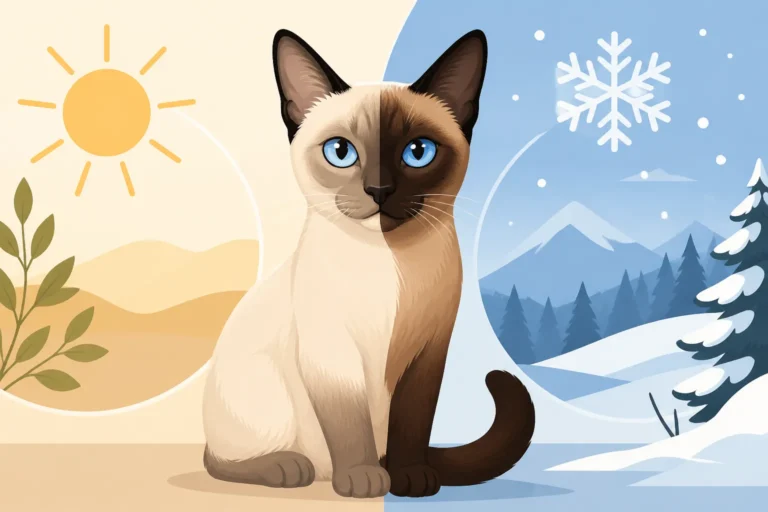
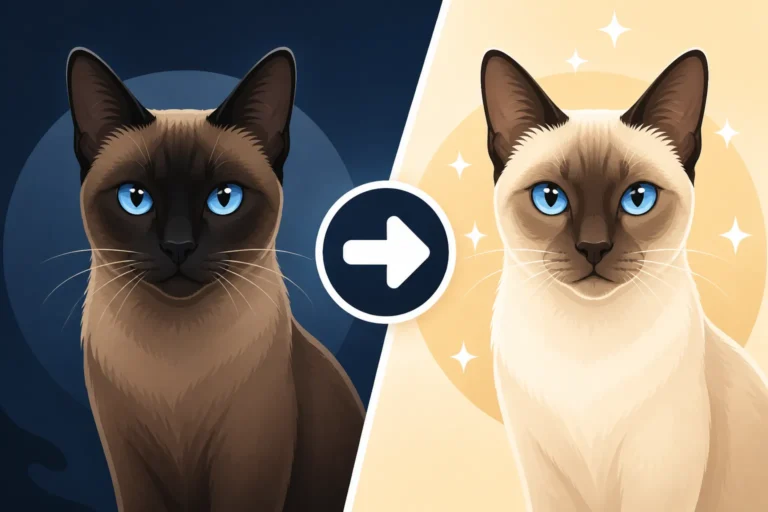
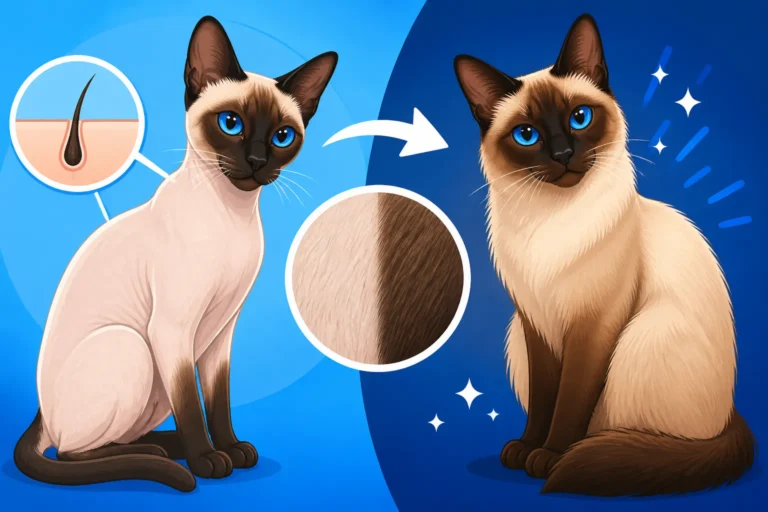
Perhaps the most fascinating aspect of a Siamese cat's cold sensitivity is how it's visibly linked to their iconic point coloration. Their beautiful dark points – on their ears, face, paws, and tail – are caused by a temperature-sensitive enzyme. This enzyme only produces pigment in cooler parts of the cat's body. The warmer core body, where the enzyme is inactive, remains a creamy white or fawn color. This genetic quirk directly illustrates just how sensitive their bodies are to temperature.
You'll notice that kittens are born entirely white, developing their points as they are exposed to the cooler ambient temperature outside the womb. This also explains why a Siamese cat might gradually darken with age, or if they live in a colder climate, their points might become more pronounced. Even a shaved patch of fur, for a medical procedure for instance, will often grow back darker initially because the skin underneath was exposed to cooler air. This phenomenon is a clear demonstration of Why a Siamese Cat's Points Are Made by Temperature and how deeply their physiology is intertwined with their environment's temperature. It even applies to The Shaved Patch That Grows Back Dark on a Siamese Cat.
Instinctual Heat-Seeking Behaviors and Their Implications
Given their physiological predispositions, it’s no wonder Siamese cats exhibit a strong drive to find and maintain warmth. Their behaviors are often a direct response to these needs, shaping how they interact with their environment and even with us.
Gravitating Towards Radiators and Sunbeams
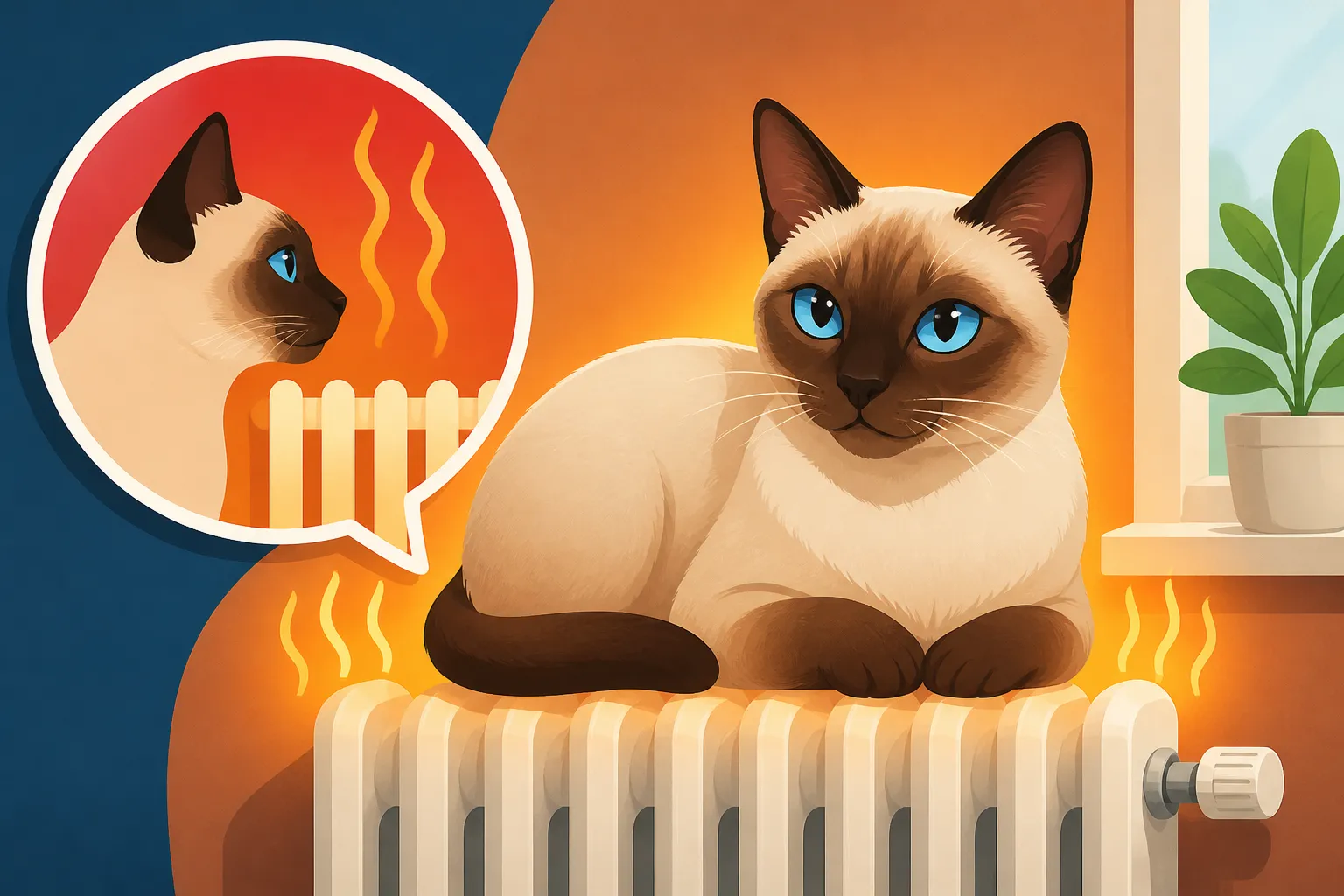
It's a classic Siamese cat image: stretched out languidly on a radiator cover, or contorted into an impossible shape to catch every last ray of sunbeam spilling through a window. These aren't just random preferences; they're instinctual drives to absorb as much external heat as possible. Radiators, in particular, provide a consistent, localized source of warmth that is incredibly appealing to a cat that feels the cold easily.
A radiator offers surface warmth, and the rising hot air creates a cozy microclimate around it. For a Siamese, this is often the perfect spot to recharge and feel truly comfortable. Sunbeams, on the other hand, provide natural, radiant heat that penetrates their fine fur and warms them to their core. If you notice your Siamese always relocating as the sun shifts through the day, they are simply following the warmth. It's their natural way of regulating their body temperature, especially since they are prone to losing heat more rapidly.
The Drive to Burrow and Cuddle
Beyond static heat sources, Siamese cats also employ dynamic strategies to stay warm. The urge to burrow under blankets, into laundry piles, or beneath a duvet is incredibly strong. This behavior is rooted in the desire to trap body heat and create an insulated, snug environment. If your Siamese loves to "make biscuits" on your chest before settling into a purring heap, it's not just affection; it's also a clever way to utilize your body heat for their own comfort.
Many Siamese owners also observe their cats seeking out close physical contact with other pets or humans. They are renowned for being incredibly affectionate and people-oriented, and part of this bond is reinforced by the shared warmth of cuddling. A Siamese cat will often choose to sleep pressed against you or another cat, pooling body heat to stay toasty. This social thermoregulation is a smart way for them to conserve energy that might otherwise be spent shivering in a cooler environment. They simply don't want to be left alone to shiver. A second cat can often help, though Whether Two Siamese Cats Are Louder is a consideration!
Behavioral Changes in a Cold Environment
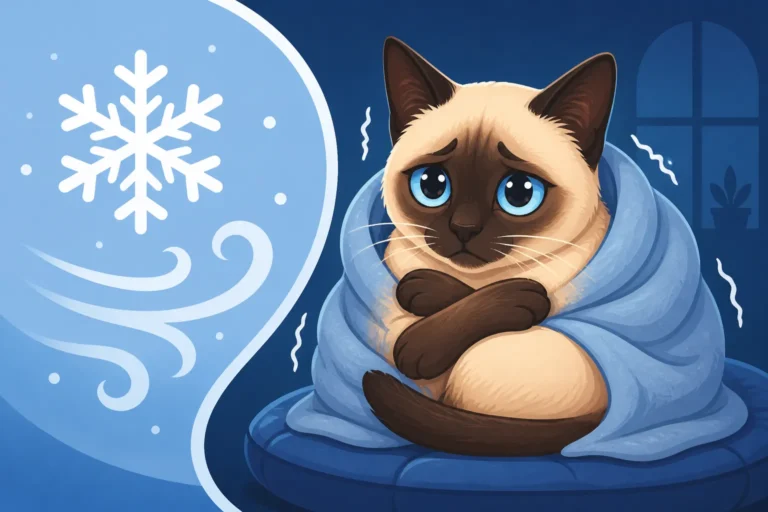
When a Siamese cat is too cold, their behavior can change noticeably. They might become lethargic, curl up tightly in a ball, or even shiver. Just like humans, prolonged exposure to cold can lead to discomfort, stress, and even a weakened immune system. You might notice them trying to tuck their paws or tail closer to their body, minimizing surface area for heat loss.
A cat that is constantly seeking warmth might also become restless or vocal, meowing more frequently to draw attention to their discomfort. They're essentially telling you, "Hey, I need to get warm over here!" On the flip side, if they are comfortably warm, they will often be more relaxed, playful, and engage in their usual curious antics. Paying attention to these subtle shifts in behavior can give you valuable clues about their comfort level and help you ensure their environment meets their unique needs. It's a vital part of Keeping a Siamese Cat Warm.
Ensuring Your Siamese Cat Stays Warm and Safe
Knowing that your Siamese is a heat-seeker, it's our job as responsible pet parents to provide them with safe and effective ways to stay warm. This involves a mix of smart product choices and thoughtful adjustments to your home environment.
Providing Supplemental Heat Sources
One of the best things you can do for a cold-sensitive Siamese is to offer dedicated warming spots. Heated cat beds are a fantastic solution, providing constant, gentle warmth without the risks associated with human heating pads. Brands like K&H Pet Products, available on Chewy or Amazon, offer a variety of self-warming or electrically heated beds that are specifically designed for pet safety. These beds often have low wattage and internal thermostats to prevent overheating.
Another option is a soft, plush blanket that they can burrow into. While not a direct heat source, a fleece or wool blanket can effectively trap their body heat, creating a cozy nest. You can place these blankets in their favorite napping spots, or even drape them over a cat tree perch. Remember, the goal is to create inviting spaces where they can warm up without having to resort to potentially unsafe areas like directly on a hot radiator. For specific product ideas, checking reviews on Amazon can be helpful to find what other Siamese owners prefer. Choosing Which Heated Bed Suits a Siamese Cat is crucial for their comfort.
Optimizing Your Home Environment
Beyond specific products, you can make broader adjustments to your home to keep your Siamese comfortable. How Warm a Room a Siamese Cat Needs is generally warmer than what many humans prefer, often in the high 60s to low 70s Fahrenheit (around 20-23°C). Minimizing drafts is also critical; check windows and doors for any chilly breezes, especially in areas where your cat likes to lounge. Draft stoppers can make a surprising difference.
Consider their sleeping arrangements. An elevated cat bed or a cozy igloo-style bed can help keep them off cold floors. Providing access to high perches, like cat trees near windows (but not in drafts), can also give them options for finding warmer air, which naturally rises. If you have older Siamese cats, their ability to regulate temperature might diminish further, making these considerations even more important. What Changes in a Siamese Cat After Twelve includes reduced mobility, which might make seeking warmth harder, so bring the warmth to them.
Monitoring for Overheating and Burns
While providing warmth is important, it's equally crucial to ensure your Siamese doesn't overheat or suffer burns. Radiators, if uncovered, can become extremely hot, potentially causing discomfort or even skin burns if a cat lies on them for too long. If your cat insists on sitting on a radiator, consider installing a radiator cover, which diffuses the heat and provides a safer surface.
Always supervise your cat with any new heat source. Watch for signs of overheating, such as panting, rapid breathing, or unusual restlessness. Ensure they always have access to cooler areas of the house and plenty of fresh water. Never leave an open flame or an unregulated space heater unsupervised, especially with a curious Siamese around. Safety should always be your top priority when introducing supplemental heating.
Nutritional and Health Considerations for a Heat-Loving Cat
A Siamese cat's need for warmth isn't just about external sources; their internal engine, fueled by their diet, also plays a crucial role. Understanding these connections can help you maintain their overall health and comfort.
Fueling a High Metabolism
As we discussed, Siamese cats have a notably high metabolism. This means they burn through calories quite efficiently, generating internal heat. To support this, they need a high-quality diet that provides adequate protein and nutrients. If their diet isn't sufficiently rich, their body might struggle to generate enough internal heat, making them feel even colder.
Many Siamese owners find that their cats require a bit more food than similarly sized felines of other breeds, just to maintain their lean body condition. Opting for nutrient-dense foods, possibly with higher protein content, can be beneficial. Fresh, human-grade food or high-quality kibble and wet food options can help ensure your Siamese is getting the fuel they need. This consistent intake directly contributes to burning calories fast (Why a Siamese Cat Burns Calories Fast) and is a key part of their overall care and nutrition. Always consult with your vet about the best dietary plan, especially if your cat seems excessively thin or perpetually cold, despite a good appetite. Knowing What a Healthy Siamese Cat Weighs can also help you gauge their nutritional needs.
Regular Vet Check-ups and Cold Sensitivity
While a Siamese cat’s preference for warmth is generally normal, it's always wise to rule out underlying health issues, especially if their heat-seeking behavior suddenly intensifies or is accompanied by other concerning symptoms. An older Siamese, for instance, might develop conditions like hyperthyroidism or kidney disease, both of which can affect their metabolism and temperature regulation.
Regular veterinary check-ups are paramount. Your vet can assess their overall health, discuss any behavioral changes you've noticed, and perform diagnostic tests if needed. For example, if your senior Siamese suddenly seems much colder than usual, it could be a sign of a new health challenge. Keep an eye out for any other symptoms like changes in appetite, litter box habits, or activity levels. If in doubt, a quick call to your vet is always the best course of action. They can help you determine if your cat's constant search for warmth is just typical Siamese behavior or if something more is going on.
Here’s a quick overview of common warming solutions for your Siamese:
| Warming Solution | Description | Pros | Cons | Safety Notes |
|---|---|---|---|---|
| Heated Cat Bed | Electrically heated bed designed specifically for pets. | Consistent, safe warmth; energy efficient | Initial cost; requires power outlet | Look for low wattage, thermostat-controlled, chew-resistant cords. |
| Self-Warming Mat/Pad | Contains insulating layers that reflect the cat's own body heat. | No electricity needed; portable; affordable | Relies on cat's body heat; less intense warmth than electric | Ensure it's washable; check for any loose parts if cat is a chewer. |
| Radiator Cover | Furniture piece that covers a radiator, diffusing heat and providing a shelf. | Creates a safe, warm surface; improves aesthetics | Initial cost; may reduce room heating efficiency slightly | Choose sturdy, heat-resistant materials; ensure no gaps for cat to get stuck. |
| Thick Blankets | Fleece, wool, or thermal blankets for burrowing. | Affordable; versatile; no electricity | Doesn't generate heat, only traps it; can get dirty quickly | Avoid blankets with small, detachable parts if your cat has pica. |
| Cat Tree/Condo | Multi-level structure with enclosed, plush compartments. | Provides elevated warmth, security, and enrichment | Can be bulky; initial cost; may not be hot enough for some cats | Ensure stability; check for loose threads or small parts if your cat eats fabric. |
| Human Lap/Cuddles | Your own body heat! | Free; strengthens bond; immediate comfort | Not always available; can limit your own movement | Be mindful of sudden movements if cat is asleep on you. |
Disclaimer
This article is for general informational purposes only and does not constitute professional advice. Laws, prices and regulations vary by location and change over time. Consult a qualified professional for guidance on your specific situation.