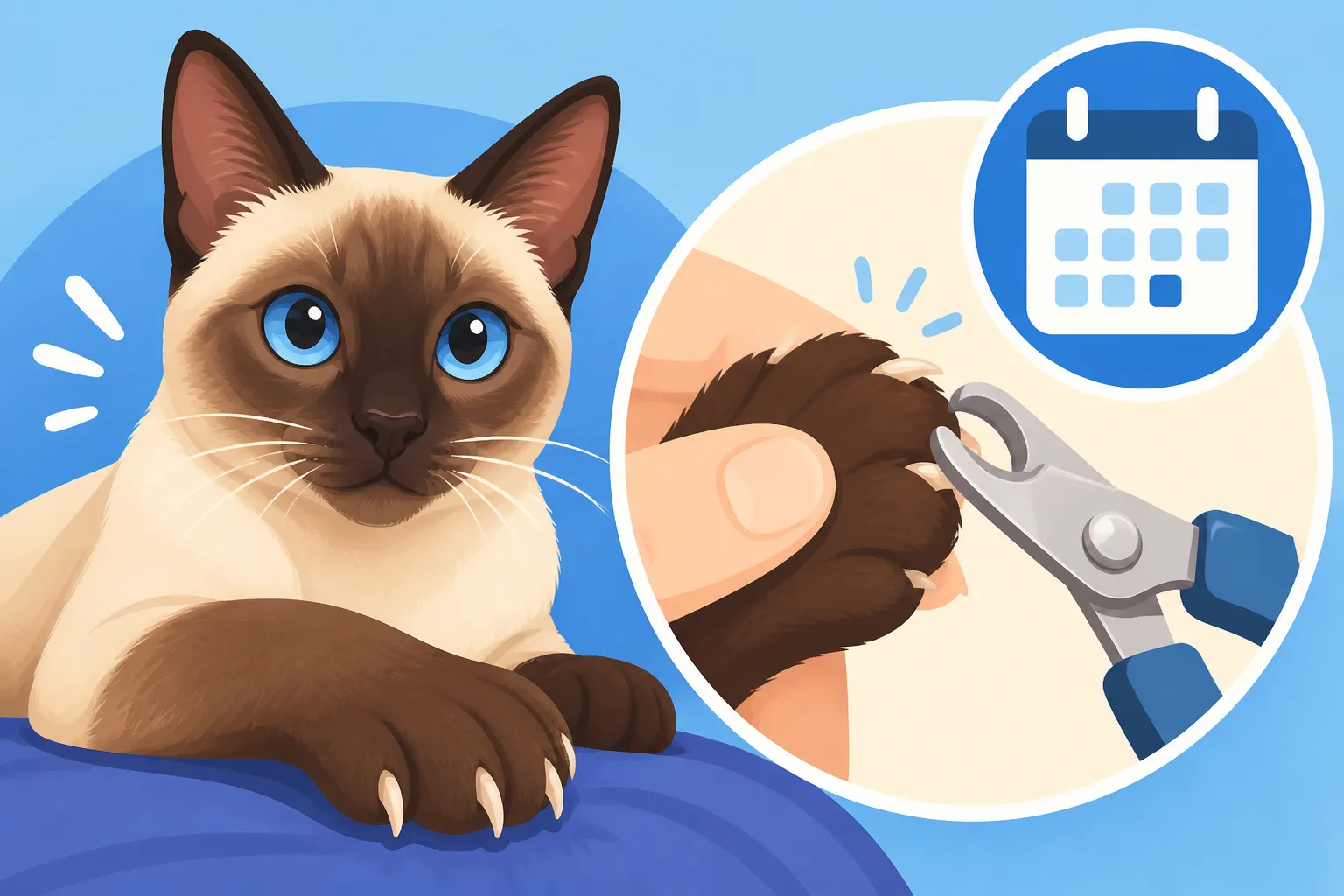
How Often a Siamese Cat’s Nails Need Trimming
One of the lesser-discussed but highly critical aspects of caring for your beloved Siamese cat is maintaining their claws. Many cat parents, especially those new to the breed, might not realize just how vital regular nail trimming is, or they might feel intimidated by the process itself. Allowing your Siamese's claws to grow too long isn't just a minor aesthetic issue; it can lead to painful health problems, behavioral challenges, and even damage to your home. This guide will walk you through everything you need to know about keeping your Siamese cat's nails at a healthy length, from understanding their unique claw structure to mastering safe trimming techniques and knowing when to call in the professionals.
Understanding Your Siamese Cat's Claws
Before we dive into how often to trim, it's really helpful to understand the basic anatomy and natural behavior surrounding your Siamese's claws. They aren't just decorative bits at the end of their paws; they are essential tools for hunting, climbing, and self-defense, ingrained deep within their feline nature.
The Natural Growth Cycle of Feline Nails
Like human fingernails, a cat's claws are constantly growing layers of keratin. They aren't like a dog's nails, which are often left to wear down naturally on pavement; cats are built differently. Their claws are retractable, meaning they can pull them back into their paw pads, keeping them sharp and out of the way until needed. This retraction helps protect the sharpness of the claw and prevents them from getting snagged on things when walking. However, this also means they don't get as much natural wear and tear from walking as a dog's nails might.
The outer layer of a cat's claw sheds periodically, a process called "shedding the husk" or "declawing" in natural terms. When you see those little clear, hollow claw casings around scratching posts, that's what's happening. This shedding reveals a new, sharper claw underneath. If a cat's claws aren't maintained through scratching or trimming, these outer layers can build up, becoming thick and dull, or even grow so long that they curl around and into the paw pad.
Why Siamese Cat Claws Are Unique (or not so unique)
When it comes to claws, a Siamese cat isn't drastically different from most other domestic cat breeds. Their claws are designed for agility, climbing, and playful pouncing. What is unique about Siamese cats is their incredibly active and intelligent nature. This means they are often very engaged with their environment, whether it's climbing up curtains, exploring high shelves, or intensely "kneading" their favorite blankets. This activity can sometimes lead to more wear on their claws than a very sedentary cat, but it also means they might be more prone to snagging them if they're too long.
The key takeaway here is that despite their sleek appearance, a Siamese cat's claws still require the same diligent attention as any other cat. The structure, the retractable nature, and the continuous growth are standard feline traits. The "uniqueness" comes more from their personality and how that interacts with their claws, like their notorious habit of Why a Siamese Cat Chews Wool and Swallows It, which can sometimes be linked to oral fixation, but claws are a separate, physical need.
The Importance of Scratching for Siamese Cats
Scratching is not just a destructive habit; it's a fundamental, instinctual behavior for all cats, including your Siamese. They scratch for several crucial reasons:
- To remove the outer claw sheath: As mentioned, this keeps their claws sharp and healthy.
- To stretch their bodies: A good scratch involves extending their back and shoulder muscles, which is vital for their physical well-being.
- To mark their territory: Cats have scent glands in their paw pads, so scratching leaves both a visual and scent mark, communicating their presence to other cats (and you!).
- Stress relief: Scratching can be a great way for cats to blow off steam or relieve anxiety.
Providing adequate scratching surfaces is non-negotiable for a Siamese cat. Without appropriate outlets, they will find alternatives – often your sofa, carpets, or even your favorite wooden furniture. Think about investing in a variety of scratching posts or pads. Some Siamese prefer vertical sisal posts, others prefer horizontal cardboard scratchers, and some even love ramps. Which Scratching Post a Siamese Cat Uses is a good read to understand preferences. Even with the best scratching setup, however, many Siamese cats will still need their nails trimmed regularly, as scratching alone often isn't enough to keep them at an optimal length.
Signs Your Siamese Cat's Nails Are Too Long
It's easy to overlook your cat's claws, especially when they're retractable and out of sight. However, there are some clear indicators that your Siamese's nails have grown past a healthy length and are due for a trim. Ignoring these signs can lead to discomfort, pain, and potentially serious health issues for your feline friend.
Visual and Auditory Cues
The most obvious sign of overgrown claws is visual. When your Siamese cat is relaxed and standing or walking on a hard surface, their claws should not be visible or touching the ground. If you can see their claws protruding beyond their paw pads, it's time for a trim. They should be neatly retracted. Another visual cue is if the claws appear very long and sharply curved, or if you start to notice them getting snagged on carpets, blankets, or even your clothing.
Beyond what you can see, listen closely. If you start hearing a distinct "click-click-click" sound every time your Siamese walks across your hardwood floors or tile, those nails are definitely too long. When a cat's nails are at a healthy length, they won't make contact with hard surfaces during normal movement. That clicking sound means they are hitting the ground, forcing the paw pads to splay uncomfortably and putting unnatural pressure on their joints.
Behavioral Changes and Household Damage
Long claws can significantly impact your Siamese cat's behavior and mobility. You might notice them walking a bit gingerly, especially on hard surfaces, trying to keep their long nails from pressing into the ground. They might become less eager to jump or climb, or you might observe them hesitating before engaging in their usual energetic play. This is because overgrown nails can make even simple movements painful or awkward.
Unfortunately, long nails also mean more damage to your home. Even if your Siamese has excellent scratching posts, overgrown claws are more likely to snag on upholstery, curtains, or carpets, causing accidental tears and pulls. They might also unintentionally scratch you more often during play or cuddles, simply because their sharp, extended claws are harder for them to control. It’s not malicious; it's just physics. What a Siamese Cat Destroys often includes things damaged by claws, and while some is intentional scratching, some is just accidental snagging.
Health Risks of Overgrown Claws
This is where the real danger lies. Overgrown claws can lead to a host of painful and avoidable health problems for your Siamese cat.
- Ingrown Nails: The most common and painful issue. As claws grow longer and curve, they can grow into the paw pad. This creates a puncture wound that is incredibly painful, prone to infection, and can make every step agonizing for your cat. Imagine walking with a nail growing into your foot!
- Difficulty Walking and Joint Pain: When claws are too long, they push back into the nail bed and prevent the paw pads from making proper contact with the ground. This forces the toes to splay and puts unnatural pressure on the paw joints, leading to discomfort, lameness, and potentially long-term joint issues like arthritis, especially in older cats. Caring for an Old Siamese Cat often includes discussing mobility issues.
- Trauma and Injury: Long claws are more likely to get caught on things, like loose threads in a blanket or the loops of a carpet. This can cause the nail to tear, split, or even be ripped out entirely, leading to bleeding, severe pain, and the risk of infection. Such injuries often require veterinary attention.
- Altered Grooming: Cats use their paws for grooming. If their claws are too long or painful, they might struggle to groom themselves effectively, leading to matted fur or skin issues. Grooming a Siamese Cat Takes Five Minutes a Week focuses on coat care, but paw health is interconnected.
Establishing a Nail Trimming Routine
So, you've realized the importance of nail trimming. Now, the big question: how often should you actually be doing it? It's not a one-size-fits-all answer, but there are general guidelines and factors to consider for your unique Siamese cat.
How Often is "Often Enough"?
For most healthy adult Siamese cats, a good rule of thumb is to trim their nails every 2-4 weeks. This frequency helps prevent them from becoming overgrown, keeps the quick (the pink, sensitive part of the nail that contains blood vessels and nerves) from extending too far down the claw, and generally makes the process less stressful for both of you. If you wait too long, the quick will grow with the nail, making it harder to trim back to a healthy length without causing pain.
Think of it like getting your own hair cut. Regular trims keep it manageable and healthy. Skipping too many appointments means you're dealing with a much bigger, potentially more uncomfortable task. Being consistent with your Siamese cat's nail trims will be a kindness to them in the long run.
Factors Influencing Trimming Frequency
While 2-4 weeks is a good starting point, several factors might influence whether your Siamese cat needs more or less frequent trims:
- Age: Kittens generally have softer, faster-growing nails and might need more frequent trims initially as you get them accustomed to the process. Older Siamese cats, especially those who are less active, might also need more frequent trims because they aren't wearing their nails down as much through play or scratching. Conversely, the nails of some very senior cats might become brittle and grow slower.
- Activity Level: A highly active Siamese cat who regularly climbs cat trees, uses scratching posts vigorously, and plays a lot might naturally wear down their claws more, potentially needing trims every 3-4 weeks. A more sedentary cat will likely need trims closer to every 2 weeks. How Much Play a Siamese Cat Needs is directly related to this.
- Scratching Habits: Even with the best scratching posts, some cats just don't use them as effectively as others. If your Siamese is a diligent scratcher and has appropriate surfaces, they might need trims less often. If they only occasionally scratch or prefer less abrasive surfaces, you'll need to trim more frequently.
- Individual Nail Growth Rate: Just like people, every cat is an individual. Some Siamese cats simply have nails that grow faster than others. Observe your cat's nails between trims to find their personal sweet spot for frequency.
- Diet and Health: While less common, certain nutritional deficiencies or health conditions could potentially affect nail growth and quality. For instance, some systemic diseases might impact keratin production. The Fifteen to Twenty Years a Siamese Cat Gets is a journey where many health aspects can change.
Introducing Trimming to a Siamese Kitten vs. Adult
Starting young is absolutely ideal. Introducing nail trims to a Siamese kitten early and positively sets them up for a lifetime of stress-free maintenance.
- For Kittens: Start by simply handling their paws gently and frequently. Reward them with treats and praise. Once they're comfortable with paw handling, introduce the clippers (without actually clipping) to let them get used to the sight and sound. Then, try to clip just one or two nails at a time, making it a quick, positive experience with lots of rewards. Build up gradually. Their nails are small, so be extra cautious not to cut the quick.
- For Adults: If you're starting with an adult Siamese who isn't used to nail trims, patience is your greatest virtue. Don't try to do all nails at once. Aim for one paw, or even just one nail, in a single session. Choose a time when your cat is relaxed, perhaps after a meal or during a cuddle. Use high-value treats (like Churu or small pieces of cooked chicken) and lavish praise. If your cat shows signs of stress, stop and try again later. It might take several days or weeks to get through all their nails, and that's perfectly fine. For particularly resistant cats, trying different environments, like a quiet room, or wrapping them gently in a towel, might help.
The Art of Trimming Your Siamese Cat's Nails Safely
Now that you know why and how often to trim, let's talk about the how to. It might seem daunting at first, but with the right tools, technique, and a calm approach, you can become a pro at keeping your Siamese cat's claws in tip-top shape.
Gathering Your Tools and Creating a Calm Environment
Preparation is key to a successful trimming session. Don't try to wing it!
- Nail Clippers: You'll need cat-specific nail clippers. There are two main types:
- Scissor-style: These look like small scissors with curved blades and are often preferred for their precision.
- Guillotine-style: These have a small hole where you insert the nail, and a blade cuts through it.
Both work well; choose the one you feel most comfortable using. Good quality clippers will make a clean cut without crushing the nail. You can find excellent options on Chewy or Amazon.
- Styptic Powder (or cornstarch): This is your emergency kit. Accidents happen, and if you accidentally cut too far and hit the quick, styptic powder will quickly stop the bleeding. Cornstarch can also work in a pinch. Have it within arm's reach.
- High-Value Treats: Essential for positive reinforcement! Think Churu, cooked chicken, or even a dollop of wet food.
- Towels or Blankets: A towel can be useful for gently wrapping a more reluctant cat, providing a sense of security and limiting their movement.
- Good Lighting: You need to clearly see the nail, especially the quick, so work in a well-lit area.
Choose a quiet time and a calm space in your home where both you and your Siamese can feel relaxed. Avoid loud noises, other pets, or anything that might startle your cat. A favorite blanket on your lap or a comfy chair can make a world of difference.
The Step-by-Step Trimming Process (and avoiding the quick)
Alright, here's how to actually do it:
- Get Your Cat Comfortable: Pick up your Siamese cat and hold them gently but securely. If they like being held, great! If not, a gentle wrap in a towel might be necessary.
- Expose the Nail: Gently press on the top of their paw (just above the nail) and the bottom pad simultaneously. This will extend the claw fully.
- Identify the Quick: Look closely at the nail. Most cat nails are clear or translucent, allowing you to see the "quick" – the pinkish part within the nail. This is where the blood vessels and nerves are. You absolutely do not want to cut this part. For darker nails, it can be harder to see. In such cases, only trim the very tip, where the nail starts to curve, or get professional help.
- Make the Cut: Position the clippers at a 45-degree angle, just in front of the quick. Make a swift, clean cut. You only want to remove the sharp, clear tip of the claw. If you're unsure, it's always better to cut too little than too much.
- Reward Immediately: As soon as you've made a trim (or even attempted one), offer a treat and praise. This positive association is crucial.
- Repeat (if possible): Move on to the next nail, aiming for a few at a time if your cat is tolerating it. If they start to get squirmy or stressed, stop and try again later, or even the next day. Remember, patience is key. Don't forget the dewclaws (the claw on the inner side of their front legs), as these don't touch the ground and can become overgrown very easily.
It’s completely normal to feel a bit nervous the first few times. Practice makes perfect. Remember that consistency is more important than perfection in any single session.
Handling a Reluctant or Difficult Siamese Cat
Some Siamese cats are naturally more tolerant, while others might put up quite a fuss. Their intelligent and sometimes stubborn nature can make nail trims a challenge. If you have a reluctant Siamese, don't despair!
- Patience and Positive Reinforcement: This cannot be stressed enough. Always associate nail trims with positive things: treats, gentle petting, and a calm voice. Never punish or scold your cat for being difficult; it will only make them fear the process more.
- Short, Frequent Sessions: Instead of trying to do all 18 nails (10 on the front, 8 on the back, usually) in one go, aim for just one or two nails at a time, several times a week. This reduces stress for both of you.
- The "Purrito" Method: Gently wrap your cat in a towel, leaving one paw exposed at a time. This can help restrict movement and make them feel more secure. Make sure the wrap isn't too tight, causing discomfort.
- Distraction: Some cats respond well to distractions. Try having a helper offer a lickable treat or play with a favorite wand toy while you quickly snip a nail or two.
- Different Positions: Experiment with different ways of holding your cat. Some cats are calmer when held close to your chest, others prefer being on a table with you standing over them, or even simply sitting on your lap.
- Breaks: If your cat becomes agitated, take a break. Push too hard, and you might create a negative association that takes weeks to undo.
- Professional Help: If despite your best efforts, your Siamese cat is extremely resistant, aggressive, or you're simply too nervous to do it yourself, don't hesitate to seek professional help from your vet or a professional groomer. It's better for your cat to have their nails trimmed by someone else than to suffer from overgrown claws.
Alternatives and Professional Help
While home trimming is often the most convenient and cost-effective method, it's not the only way to manage your Siamese cat's claws. Sometimes, a little extra help or different tools are needed to ensure their paw health.
Scratching Posts, Boards, and Other Solutions
As we discussed, scratching is natural and necessary. Providing plenty of appropriate scratching surfaces can definitely help wear down your Siamese cat's claws between trims, but rarely eliminates the need for trimming entirely.
- Variety is Key: Offer different types of scratchers: vertical sisal posts, horizontal cardboard pads, inclined ramps. Some cats prefer scratching rough surfaces, others prefer carpeted ones. Place them in prominent areas where your cat likes to stretch or near furniture they might be tempted to scratch. You can find a huge variety of scratchers on Amazon or Chewy.
- Cat Trees: A tall, sturdy cat tree with sisal-wrapped posts provides excellent opportunities for scratching and climbing, which can help shed those outer claw layers. A cat tree designed for an active breed like the Siamese offers both physical exercise and nail maintenance. What a Cat Tree for a Siamese Cat Costs might give you an idea of investment.
- Puzzle Feeders: While not directly for nail care, engaging toys and Enrichment for a Siamese Cat That Gets Bored in an Hour can keep your cat active and happy, potentially leading to more scratching and overall better health.
Remember, scratching primarily helps with shedding the outer husk and maintaining sharpness; it doesn't typically shorten the quick, which is why trimming is still often necessary.
When to Seek Professional Grooming or Vet Assistance
There are definitely times when calling in a professional is the smartest move for both you and your Siamese.
- Extreme Resistance: If your Siamese cat becomes overly stressed, aggressive, or unmanageable during home trimming attempts, a professional groomer or veterinary technician can often handle it with less trauma. They have specialized training and techniques to safely manage difficult cats.
- Fear of Hitting the Quick: If you're consistently nervous about cutting too far and hitting the quick, leading you to avoid trimming, then professional help is a must. Overgrown nails are far worse than the cost of a professional trim.
- Dark Nails: For Siamese cats with unusually dark nails (though most are light), seeing the quick can be very difficult. A vet or groomer can use their expertise or specialized lights to ensure a safe trim.
- Ingrown Nails or Injury: If your cat already has an ingrown nail, a torn nail, or any signs of infection around the paw, do not try to fix it yourself. This is a job for the veterinarian. They can properly assess the injury, provide pain relief, clean the wound, and administer antibiotics if needed.
- Overall Health Check: Sometimes, a visit to the vet for nail trims can also be a good opportunity for a quick wellness check, especially for older cats where changes in mobility or paw health could indicate other issues. Signs a Siamese Cat Is Unwell should always prompt a vet visit.
A professional trim is usually quite affordable, and it's a small price to pay for your cat's comfort and your peace of mind.
Nail Caps: A Temporary Option
Nail caps (like Soft Paws) are tiny, lightweight vinyl caps that are glued over your cat's claws. They are a humane alternative to declawing and can be a good temporary solution for specific situations.
- How They Work: The caps cover the sharp tip of the claw, preventing damage to furniture or accidental scratches to people. They naturally fall off as the cat's nail grows and sheds, typically lasting 4-6 weeks, and then need to be replaced.
- Pros: They are harmless, come in fun colors, and effectively prevent scratching damage. They can be particularly helpful if you have young children, delicate furniture, or if your Siamese is prone to over-scratching due to stress.
- Cons: They still require regular maintenance, as you'll need to reapply them as nails grow. Some cats don't tolerate them and will try to chew them off. If not applied correctly, they can cause discomfort or trap moisture, leading to skin irritation. They are generally applied by a vet or groomer initially to ensure proper fit and technique.
- Consideration: Nail caps are not a replacement for nail trimming. You still need to trim the nail before applying the cap to ensure a good fit and prevent the nail from growing too long inside the cap.
Long-Term Claw Health and Maintenance
Taking care of your Siamese cat's nails isn't just about the occasional snip; it's an ongoing commitment to their overall health and well-being. A holistic approach that includes diet, recognizing problems early, and providing ample enrichment will ensure their paws stay healthy for years to come.
Diet and Overall Health's Role in Nail Quality
You might not immediately connect diet with nail health, but your cat's nutrition plays a significant role in the quality and strength of their claws. A balanced diet rich in essential nutrients, particularly proteins, vitamins, and minerals, supports healthy keratin production, which is what claws are made of.
- High-Quality Protein: Cats are obligate carnivores, meaning they require a diet high in animal-based protein. This provides the amino acids necessary for strong claws, healthy skin, and a shiny coat.
- Essential Fatty Acids: Omega-3 and Omega-6 fatty acids contribute to overall skin and coat health, which indirectly supports healthy nails by keeping the paw pads and nail beds in good condition.
- Vitamins and Minerals: Biotin, zinc, and other micronutrients are vital for keratin synthesis. A complete and balanced cat food will typically provide all these necessary components.
- Hydration: Proper hydration is also crucial for overall health, including the elasticity and strength of connective tissues and nails. Ensure your Siamese cat always has access to fresh, clean water, perhaps even considering a water fountain to encourage drinking. How Much Water a Siamese Cat Should Drink is a good resource here.
If you notice brittle, peeling, or unusually soft nails despite regular trimming, it might be worth discussing your cat's diet with your veterinarian. They can rule out any underlying nutritional deficiencies or health issues.
Recognizing and Addressing Nail Problems
Beyond just overgrown nails, there are other nail-related problems your Siamese cat might encounter. Being vigilant can help you catch these issues early before they become more serious.
- Brittle or Peeling Nails: This could be a sign of nutritional deficiency, a fungal infection, or an underlying health condition.
- Thickened or Discolored Nails: Can indicate a fungal infection (onychomycosis) or other dermatological problems.
- Loose or Damaged Nails: Often the result of trauma, like getting snagged. If the nail is bleeding, partially detached, or your cat is in pain, it warrants a vet visit.
- Swelling or Redness Around the Nail Bed: This is a clear sign of inflammation or infection, potentially from an ingrown nail or other injury.
- Excessive Licking or Chewing of Paws: While some paw licking is normal grooming, excessive attention to their paws might indicate pain or irritation from a nail problem. What Psychogenic Alopecia Does to a Siamese Cat sometimes involves paw licking.
If you observe any of these symptoms, don't try to self-diagnose or treat. A visit to your veterinarian is the best course of action to get an accurate diagnosis and appropriate treatment plan. Regular wellness exams, as discussed in How Often a Siamese Cat Needs a Wellness Exam, include a thorough check of their paws.
Incorporating Play and Enrichment for Natural Wear
While trimming is often necessary, encouraging natural wear through play and environmental enrichment is still beneficial. An active, stimulated Siamese cat is generally a healthier and happier cat, and their claws benefit too!
- Interactive Play: Engage your Siamese in daily play sessions with wand toys, laser pointers (used responsibly, ending with a physical toy catch), or chase games. This encourages climbing, jumping, and stretching, all of which can contribute to natural claw shedding and wear.
- Climbing Structures: Provide vertical space. Cat trees, shelves, or wall-mounted perches give your Siamese opportunities to climb and use their claws in a natural, enriching way. This is particularly important for active breeds like the Siamese.
- Scratching Texture Variety: Don't just stick to one type of scratching post. Offer different materials like sisal, cardboard, wood, or even carpeted areas to give them options and maximize natural abrasion.
- Outdoor Enclosures (Catios): If feasible and safe, a secure outdoor enclosure (catio) can provide immense enrichment, allowing your Siamese to climb trees, walk on varied surfaces, and engage in more natural behaviors that can help with nail maintenance. Whether a Blind Siamese Cat Should Go Outside is a different context but highlights safety concerns for outdoor access.
By integrating regular trimming with a focus on overall health and stimulating enrichment, you're not just maintaining your Siamese cat's claws; you're contributing to their holistic well-being and ensuring they live a comfortable, happy, and long life. Their sharp claws are a part of who they are, and responsible care ensures they remain a tool for joy, not a source of pain.
Disclaimer
This article is for general informational purposes only and does not constitute professional advice. Laws, prices and regulations vary by location and change over time. Consult a qualified professional for guidance on your specific situation.