How Jealous a Siamese Cat Gets
You sit down on the couch to embrace your partner, open your laptop to finish a pressing work deadline, or pick up a new puppy, and within seconds, a slender wedge-shaped head pushes its way into the middle of the frame. Your Siamese cat vocalizes, swats at your hands, or sits directly on your keyboard. Siamese cats are famously possessive, and their unique attachment style means jealousy can quickly become a daily challenge in your household. This comprehensive guide breaks down how jealous a Siamese cat gets, why this emotional intensity occurs, and the step-by-step strategies you can use to restore harmony at home.
The Unique Nature of Siamese Cat Jealousy
If you have lived with a Siamese cat for any length of time, you already know they do not treat their humans like secondary roommates. Unlike more independent cat breeds that are perfectly content spending the afternoon sleeping in a sunbeam in an empty room, Siamese cats view their human caretakers as essential social anchors. They thrive on direct interaction, vocal communication, and shared physical space.
When that interaction is suddenly diverted to a new relationship, a newborn baby, another animal, or even a cell phone, a Siamese cat does not simply quietly walk away. They react. Understanding the root of this behavior requires looking closely at how their social bonds form and what triggers their internal sense of rivalry.
The Attachment Style of the Siamese Breed
To understand why a Siamese cat exhibits jealous behaviors, you first have to understand how deeply they bond with their chosen family members. It is incredibly common to observe How Attached a Siamese Cat Gets to One Person within a multi-person household. While they may be friendly toward everyone under your roof, they almost always select one specific person to serve as their primary security blanket and favorite companion.
This bond manifests in daily life in unmistakable ways. It is precisely Why a Siamese Cat Follows You Room to Room, maintaining visual contact and chiming in with constant vocal updates. To your cat, you are not just a food provider; you are their primary source of environmental security, physical warmth, and emotional stimulation. When they sense that your attention is being monopolized by something or someone else, their immediate instinct is to reclaim their rightful place at the center of your universe.
Primary Triggers for Feline Envy
Jealousy in cats is rarely about spite in the human sense. Instead, it is an anxious response to a perceived loss of resources, predictability, or affection. A Siamese cat’s world is built around familiar routines and dedicated one-on-one attention. When those elements are disrupted, jealous behaviors surface almost immediately.
The most frequent real-world triggers include:
* New Romantic Partners or Roommates: A new person moving into your home or spending extended time in your bed directly threatens the cat’s usual access to you.
* Arrival of a New Pet: Introducing a second cat or a dog means dividing your lap space, playtime, and petting sessions.
* Newborn Babies and Children: The sudden influx of loud sounds, unpredictable movements, and reduced adult availability can make a Siamese cat feel displaced.
* Changes in Working Habits: Moving from working from home to an in-office routine, or conversely, taking a job that requires deep concentration on a computer for eight hours straight, reduces active engagement.
* Distracted Humans: Simply staring at a phone, reading a book, or playing video games instead of actively engaging with your cat during their accustomed play window.
How Siamese Cats Express Jealousy and Possessiveness
While a discreet domestic shorthair might react to a new partner by hiding under the bed, the Siamese breed takes a vastly different approach. They are vocal, persistent, and physically asserting. The phrase A Siamese Cat Will Not Be Ignored exists for a very good reason; when a Siamese cat feels sidelined, they will make sure everyone in the room knows about it.
Recognizing the early warning signs of possessive behavior allows you to intervene before mild annoyance turns into deep-seated behavioral issues or severe stress for your pet.
Physical Interventions and Vocal Protests
The most immediate signs of jealousy in a Siamese cat are active, intrusive behaviors designed to block whatever is capturing your attention. If you are cuddling on the couch with a partner, your cat might climb onto your chest, position themselves directly between your faces, or push your partner’s arm away with their paws.
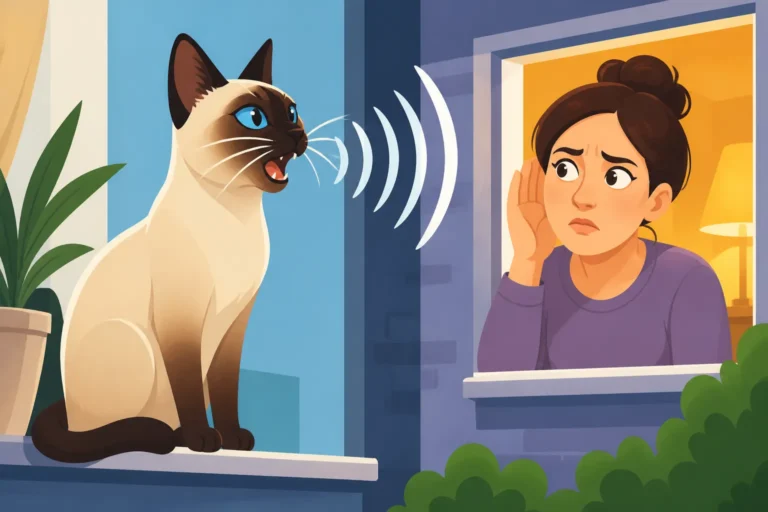
Vocalizations also escalate dramatic shifts when jealousy sets in. The standard conversational chirps and purrs quickly transition into persistent, high-pitched demand meows or deep, low yowls. If you attempt to put them out of the room to have a private conversation or get work done, they may scratch at the carpet, rattle the door handle, or cry continuously until the barrier is removed.
When a new human enters the picture, pay close attention to How a Siamese Cat Reacts to a New Partner. Some cats will attempt to climb on top of the newcomer to assert dominance, while others will sit nearby, glaring intensely and swatting whenever the partner reaches out to touch you.
Territorial Marking and Behavioral Regression
When physical interventions fail to regain your exclusive focus, a jealous Siamese cat may channel their frustration into territorial marking and stress responses. Because feline insecurity is heavily tied to smell, depositing their own scent over yours—or over a rival’s belongings—is a natural, albeit frustrating, coping mechanism.
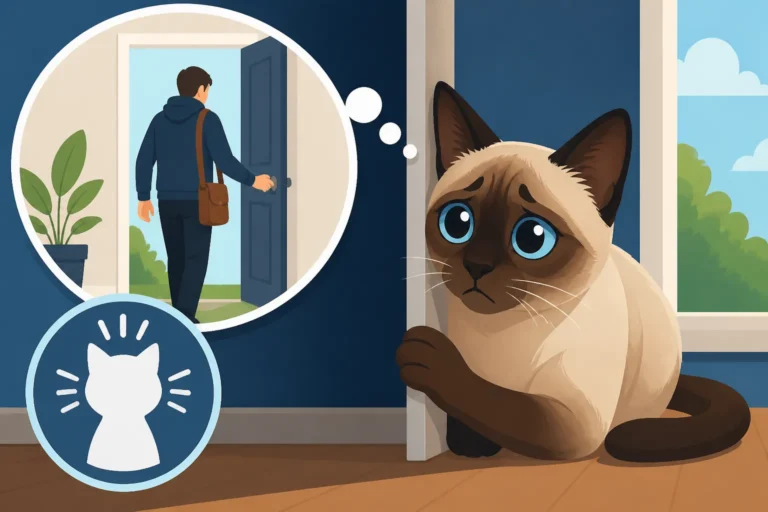
Unmet social needs and ongoing jealousy can lead to a state of chronic stress. This stress often mirrors the symptoms seen in cats dealing with broader anxiety disorders, including Signs a Siamese Cat Has Separation Anxiety. You may notice your cat becoming unusually clingy when you prepare to leave the house, or conversely, showing sudden outbursts of redirected aggression toward other pets in the home.
In more severe cases, a possessive Siamese cat will stop using their litter box properly. It is crucial to determine Whether a Siamese Cat Urinates When Stressed on items that smell strongly of the “rival,” such as a new partner’s shoes, coat, or side of the bed. This is not done out of malice, but rather out of a desperate attempt to mix their scent with yours to re-establish a sense of safety and ownership over their territory.
Step-by-Step Strategies to Manage Feline Jealousy
Living with a highly jealous Siamese cat can strain your personal relationships and create a tense home environment. Fortunately, because these cats are exceptionally intelligent and highly responsive to structured routines, you can successfully manage and reduce their possessive tendencies with a bit of patience and consistency.
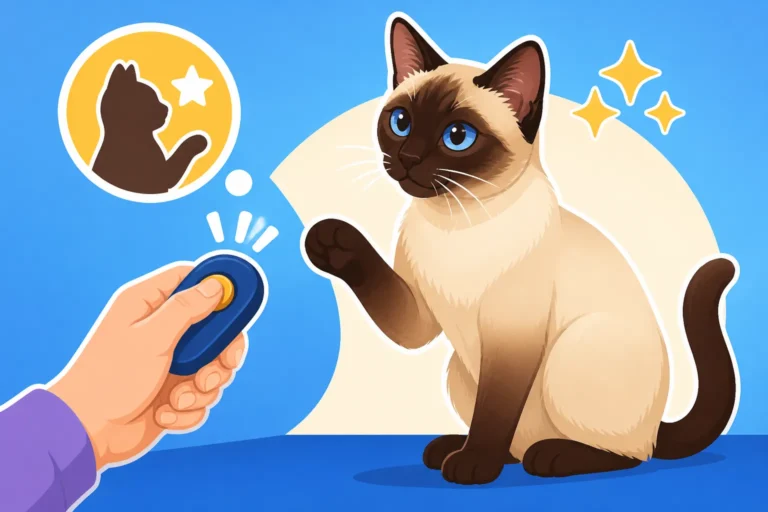
The goal is never to punish the cat for feeling insecure. Punishment only increases their anxiety, reinforcing their fear that the new person, pet, or object is causing a negative shift in their life. Instead, the solution lies in rewarding positive interactions and ensuring their emotional needs remain met.
Establishing Predictable Routines and Boundaries
Cats thrive on predictability. When a major life change occurs—such as a partner moving in or a baby arriving—your cat’s world feels upended. You can alleviate their jealousy by carving out non-negotiable, dedicated one-on-one time each day.
- Schedule Daily Solo Sessions: Set aside fifteen minutes twice a day where your full, undivided focus is on your Siamese cat. Close the door to block out other pets or family members, play with their favorite wand toy, and offer affectionate grooming.
- Incorporate the New Person Positive Association: If your cat is jealous of a new partner or housemate, make that person the sole provider of high-value rewards. Have your partner feed the cat their morning wet food and hand-deliver their absolute favorite treats.
- Establish Clear, Gentle Boundaries: If your cat attempts to wedge themselves between you and your partner, quietly pick them up without making a fuss or raising your voice, place them on a cozy bed nearby, and immediately hand them a treat or a puzzle toy.
To make this transition smoother, many owners find success browsing Amazon for synthetic pheromone plug-in diffusers, which release calming signals into the room to keep tension levels manageable while training takes hold.
Redirecting Attention Through Play and Environment
A tired, mentally stimulated cat is far less likely to spend their evening plotting how to break up your conversation or disrupt your workday. Siamese cats possess enormous reserves of athletic energy and intellectual curiosity. If they are bored, their jealous tendencies will amplify tenfold.
If you are struggling to keep your cat occupied while you focus on work, childcare, or your partner, look into expanding your home’s physical enrichment options. Ordering a wall-mounted scratching post or a multi-level cat tree from Amazon creates elevated perches where your cat can lounge and observe the room without needing to sit directly on your lap.
Additionally, introducing complex foraging activities can work wonders. You can quickly source interactive puzzle feeders on Amazon that force your cat to use their paws and brain to unlock hidden kibble. Providing this kind of engagement offers crucial Enrichment for a Siamese Cat That Gets Bored in an Hour, shifting their focus away from monitoring your every move and onto a rewarding solo task.
If the source of jealousy stems from another animal in the home, you must handle the social dynamics carefully. Take time to review guidelines on How to Introduce a Siamese Cat to a Resident Cat systematically using scent swapping and gradual sight introductions rather than forcing immediate cohabitation. If you are considering adding a second pet to help split your cat’s social dependence, research Which Companion Suits a Siamese Cat to ensure their temperaments align well.
Comparing Jealous Symptoms and Household Solutions
To help you quickly identify what your Siamese cat is telling you through their possessive behavior, review this quick reference guide outlining common jealous triggers, the resulting behaviors, and the most effective practical solutions.
| Jealousy Trigger | Observed Behavioral Reaction | Effective Household Solution |
|---|---|---|
| New Romantic Partner | Wedging between couple, swatting, hissing at partner, vocal protests during affection. | Have partner become sole distributor of meals and high-value treats; enforce soft boundaries without shouting. |
| Working from Home / Laptop Use | Walking on keyboard, knocking items off desk, constant pawing at hands, persistent crying. | Set up a heated cat bed directly adjacent to desk; provide automated puzzle toys during work blocks. |
| New Pet Arrival | Hissing, blocking access to doorways, litter box avoidance, territorial marking on furniture. | Re-introduce pets slowly behind closed doors; double the number of litter boxes and elevated vertical territory. |
| Baby or Young Child | Hiding, sudden vocal outbursts, extreme clinginess toward chosen human, nervous overgrooming. | Maintain strict daily 15-minute one-on-one play sessions with primary human; create quiet child-free escape zones. |
| General Lack of Attention | Constant yowling, tail flicking, destructive scratching of carpets, following human obsessively. | Increase daily physical play with interactive wand toys; install wall perches and window bird feeders. |
Overcoming intense feline jealousy requires time and unwavering consistency. Remember that your Siamese cat’s possessive outbursts are not driven by malice, but by an overwhelming devotion to you and a deep desire to feel secure in their environment. By proactively validating their need for connection, establishing calm physical boundaries, and offering plenty of engaging environmental outlets, you can successfully balance your cat’s passionate nature with a happy, peaceful home life.
Disclaimer
This article is for general informational purposes only and does not constitute professional advice. Laws, prices and regulations vary by location and change over time. Consult a qualified professional for guidance on your specific situation.