Whether Wool Sucking in a Siamese Cat Ever Stops
It's incredibly frustrating, isn't it? You adore your Siamese cat, their vibrant personality, their endless chatter, but then there's the fabric fixation – the relentless wool sucking that leaves blankets soggy and has you constantly worrying about their health. Many Siamese owners find themselves wondering if this peculiar habit is just a phase or something they'll have to manage for years to come. This comprehensive guide will delve into whether wool sucking in a Siamese cat ever truly stops, exploring its causes, offering practical management strategies, and helping you find peace with this unique Siamese quirk.
Delving into Siamese Cat Wool Sucking: The What and The Why
Before we can even talk about whether this habit stops, we need to really understand what we're dealing with. It’s more than just a naughty nibble; wool sucking is a complex behavioral pattern often deeply ingrained in our Meezer friends.
What Exactly is This Fabric Fixation?
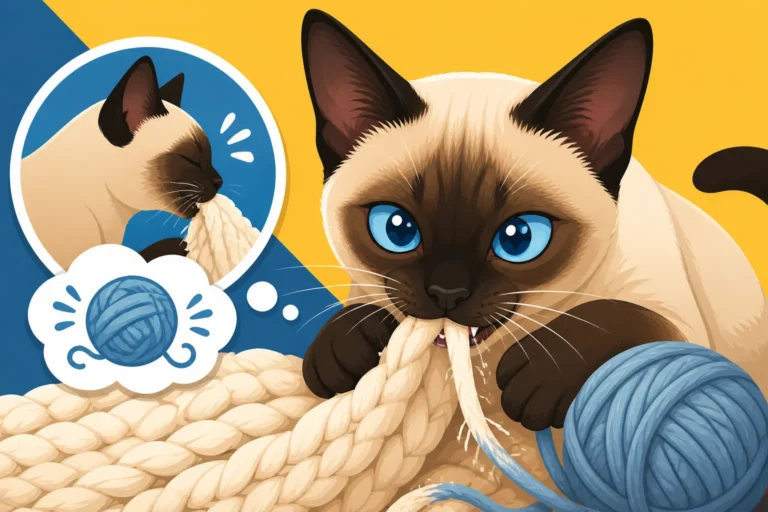
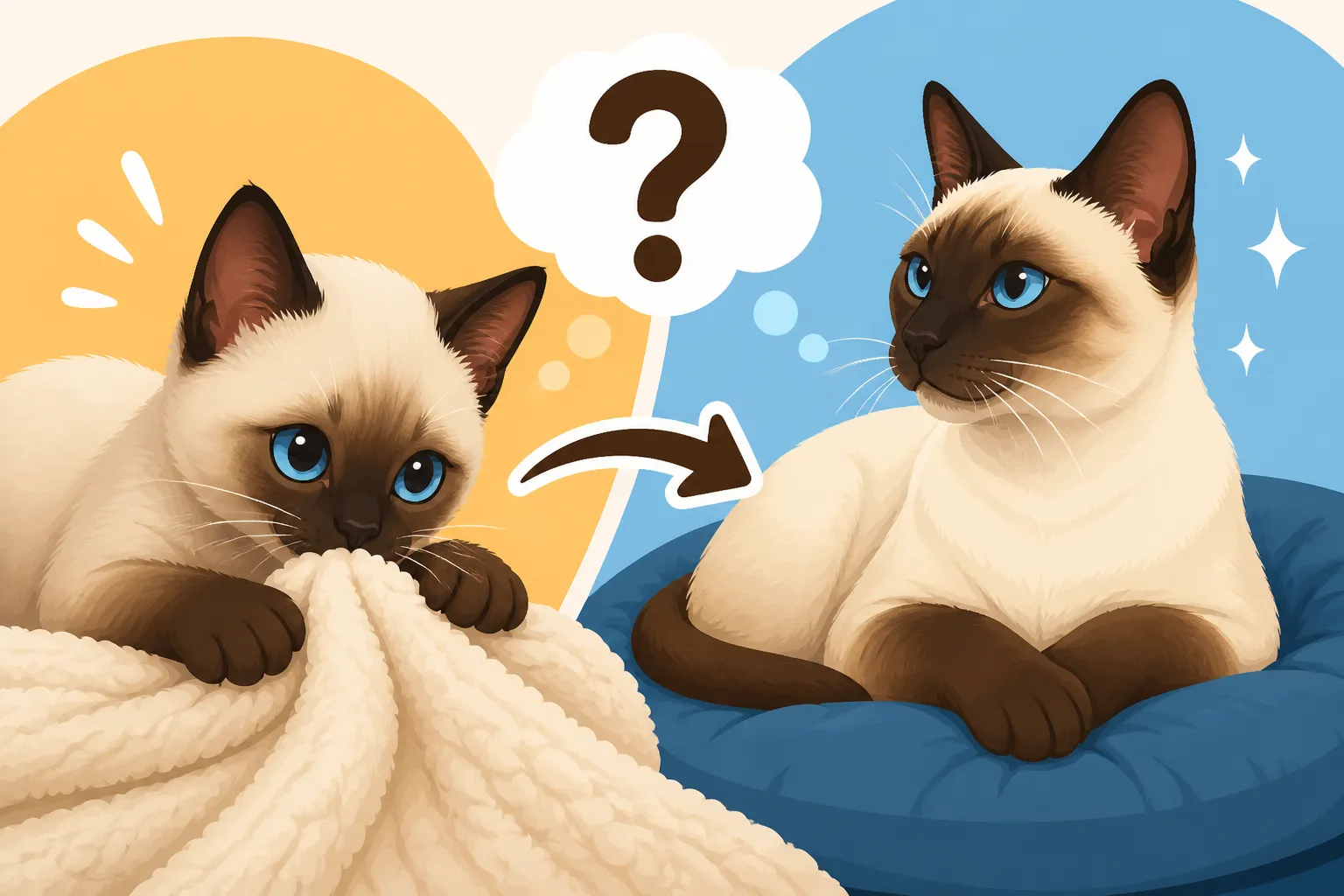
At its core, wool sucking in Siamese cats is a form of pica, which is the compulsive ingestion of non-food items. While many cats might occasionally lick or chew on a piece of string or a houseplant, pica in Siamese cats specifically manifests as an intense drive to suck, chew, and sometimes ingest fibrous materials like wool, fleece, cotton blankets, sweaters, or even carpet. It’s not simply curiosity; it’s an obsessive behavior.
Think about it: your cat isn't just idly batting at a loose thread; they're often kneading the fabric, purring, and entering a trance-like state as they suck. This behavior often mimics the nursing they would do as kittens. It's almost as if they're trying to recreate the comfort and security of nursing from their mother. For us humans, it can be puzzling and alarming, especially when you consider the potential health risks. This isn't just playful chewing; it has a deeper, more compulsive root.
The chosen fabrics often have a specific texture and give, allowing for that satisfying, milk-like extraction. Owners report everything from favorite wool sweaters being destroyed to entire fleece blankets being saturated. It's a behavior that can be messy, destructive, and, most concerningly, dangerous if fabric is swallowed and leads to an intestinal blockage.
The Deep-Rooted Reasons Behind the Behavior
Understanding why your Siamese engages in wool sucking is the first step toward managing it. It’s rarely about malice or defiance; it's often a combination of genetic predisposition and environmental factors.
One of the most significant factors is a strong genetic link. Siamese cats, along with their Oriental relatives, are disproportionately affected by wool sucking compared to other breeds. It’s something hardwired into their DNA. This means that even with the most perfect environment and care, some Siamese cats are simply predisposed to this behavior. It's not something you necessarily caused, nor is it something you can easily train out of them with sheer will. Whether Wool Sucking in a Siamese Cat Is Genetic delves deeper into this hereditary aspect.
Another common theory points to early weaning or maternal deprivation. Kittens that are separated from their mothers too soon, or those that didn't get adequate nursing time, might develop wool sucking as a substitute for that lost comfort and nourishment. They're seeking the tactile and oral stimulation they missed during a crucial developmental period. The act of sucking itself is deeply comforting to them, mimicking that early maternal bond. You might notice your cat kneading with their paws while sucking, which is another tell-tale sign of this comfort-seeking behavior, much like a kitten nurses. To learn more about this, check out Whether Early Weaning Causes Siamese Cat Wool Sucking.
Stress and anxiety also play a huge role. Siamese cats are highly intelligent and sensitive creatures. Changes in routine, a new pet, a house move, or even just feeling ignored can trigger anxiety, and wool sucking becomes a coping mechanism. It’s a self-soothing behavior, much like a child sucking their thumb. When a Siamese feels overwhelmed or insecure, reverting to this "nursing" action can provide a sense of calm. This connection to stress is similar to how some cats develop psychogenic alopecia, where they lick themselves bald due to anxiety. What Psychogenic Alopecia Does to a Siamese Cat explores this stress-related grooming, offering parallels to wool sucking.
Finally, boredom and a lack of mental and physical enrichment can lead a highly active and intelligent Siamese cat to develop or intensify wool sucking. These cats need a lot of stimulation. If they're not given enough outlets for their energy and sharp minds, they'll find their own "entertainment," and unfortunately, that often involves chewing and sucking on inappropriate items. A bored Siamese is a destructive Siamese, and a wool-sucking Siamese might simply be a feline genius looking for a job. A cat that's bored in an hour definitely needs more enrichment, as discussed in Enrichment for a Siamese Cat That Gets Bored in an Hour. Medical issues, though less common, can sometimes trigger pica, so it's always wise to rule out any underlying health problems with your vet.
The Lifespan of a Siamese Cat's Wool-Sucking Habit
This is the big question for many owners: will they ever grow out of it? The answer, unfortunately, is often nuanced and leans towards lifelong management rather than complete cessation.
Is "Stopping" Even a Realistic Goal?
For many Siamese cats, wool sucking is not a phase that they simply "grow out of." Given the strong genetic component and the deep-seated psychological triggers, it's often a lifelong tendency. It’s akin to asking if a person can completely stop biting their nails if it's a lifelong anxiety habit – they can manage it, reduce it, but the underlying urge might always be there. Expecting it to vanish entirely can lead to frustration and disappointment for both you and your feline friend.
The reality is that for most affected Siamese cats, the goal isn't necessarily to stop the behavior completely, but rather to manage and minimize it. This means preventing access to tempting fabrics, providing appropriate alternatives, reducing stress, and ensuring their environment is stimulating. It's about harm reduction and channeling that inherent drive into safer, acceptable outlets. When the behavior is so deeply connected to their genetic makeup, as it is with many Siamese, eradication becomes incredibly difficult.
It's important to accept that this is part of who your Siamese is. Their unique personality comes with unique quirks. Trying to force them to stop without addressing the root causes will likely just lead to a more stressed cat who might find another, equally problematic, outlet for their anxiety or boredom. Focus on understanding, patience, and proactive management.
Factors That Can Lessen or Exacerbate the Behavior
While complete cessation might be rare, certain factors can definitely influence the intensity and frequency of wool sucking. It's not a static behavior; it can ebb and flow depending on their environment and emotional state.
One of the primary factors is their stress level. A calm, secure, and enriched Siamese cat is far less likely to engage in obsessive wool sucking than a stressed, bored, or anxious one. Creating a predictable routine, providing safe spaces, and minimizing household upheaval can go a long way in reducing the urge to self-soothe with fabric. Think of it: if their world feels chaotic, they’re more likely to revert to comforting behaviors. Managing their environment and ensuring they feel safe and loved is paramount.
Age doesn't typically make the behavior disappear, but sometimes the most intense, potentially ingestive, phases can lessen from kittenhood to adulthood if proper management is in place. However, for many, it can persist or even intensify with age if underlying issues aren't addressed. It’s not uncommon for an older Siamese to suddenly resume or increase wool sucking if they become ill or their routine changes drastically.
Consistent intervention and management are key. If you consistently prevent access to fabrics and redirect your cat to appropriate chew toys, you can significantly reduce the opportunity for wool sucking. Over time, this consistent redirection can weaken the habit, even if the underlying urge remains. It's about setting them up for success.
In some severe cases, especially where anxiety is a major trigger and other methods haven't worked, veterinary intervention with medication might be considered. These medications are not a magic bullet to "cure" wool sucking, but they can help to lower the cat's overall anxiety levels, making them more receptive to behavioral modifications. This is a conversation you'd need to have with your vet, exploring options that might help your cat feel more at ease. Whether Medication Helps a Siamese Cat's Pica discusses the role of pharmaceutical help in managing pica. Similarly, the approaches used to treat stress-induced overgrooming in How Psychogenic Alopecia in a Siamese Cat Is Treated can often be adapted to address wool sucking driven by anxiety.
Practical Strategies to Manage Wool Sucking and Keep Your Siamese Safe
Since stopping wool sucking entirely is often unrealistic, our focus shifts to effective management. This involves a multi-pronged approach combining environmental control, enrichment, and sometimes veterinary support.
Creating a "No-Suck" Environment
This is perhaps the most immediate and impactful strategy. The simplest way to reduce wool sucking is to remove the temptation. Just like baby-proofing a house, you need to "cat-proof" your home for a wool-sucking Siamese.
First, identify all the tempting items. Is it your favorite wool sweater left on the chair? The fleece throw on the sofa? The corner of a particular blanket? Once you know their preferred targets, you can start to make them inaccessible. This might mean keeping certain items in drawers, putting covers over furniture, or simply ensuring tempting blankets are put away when you're not actively using them. It's not always easy, especially if your cat has a wide variety of targets, but it's a crucial first step. How to Cat Proof a Home for a Siamese Cat offers more detailed advice on securing your space.
Next, provide appropriate and safe alternatives. This is where you can redirect that sucking and chewing instinct. Look for toys specifically designed for strong chewers or those that have interesting textures. Rubber toys, hard plastic toys, or even certain silvervine or catnip-infused chew sticks can be good options. The key is that they shouldn't be ingestible in large quantities, and they should offer a satisfying chewing experience. You can find a vast array of such items on Amazon, often with reviews from other cat owners whose felines have similar strong chewing habits. Redirecting them to these toys immediately when you see them going for an inappropriate item can start to build new habits. Whether a Chew Toy Redirects a Siamese Cat provides excellent suggestions on choosing effective alternatives.
Consider the texture of the fabrics you do allow in your home. Some Siamese cats are less interested in cotton or synthetic blends that don't have the same "give" as wool or fleece. If you absolutely need a blanket on the sofa, try one made of a less appealing material. It's a bit of trial and error, but finding a fabric that doesn't trigger the instinct can be a game-changer.
Enriching Your Siamese Cat's World
A bored Siamese is a problematic Siamese. These cats are incredibly intelligent and energetic, and they need constant engagement. If their minds and bodies aren't challenged, they'll often create their own (often destructive) entertainment.
Increase their playtime. Daily, interactive play sessions with wand toys, laser pointers (used carefully to avoid frustration), or feather teasers can burn off excess energy and provide mental stimulation. Aim for at least two to three sessions of 10-15 minutes each day. This kind of active engagement uses up their hunting instincts and satisfies their need for interaction. You can find some fantastic interactive toys and puzzle feeders on Amazon that are perfect for keeping a Siamese entertained. How Much Play a Siamese Cat Needs offers guidance on the ideal amount of playtime for this active breed.
Puzzle feeders are another excellent tool for mental enrichment. Instead of simply putting food in a bowl, make them "work" for it. This simulates hunting and foraging, which is incredibly satisfying for a cat's intellect. There are many different types, from simple maze bowls to complex treat-dispensing toys. These can keep them occupied for significant periods and redirect their oral fixations toward a productive activity. Whether a Puzzle Feeder Occupies a Siamese Cat discusses how these feeders can be an effective way to engage your cat's mind.
Consider teaching them tricks! Siamese cats are highly trainable and love to learn. Clicker training can be a fantastic way to engage their minds and strengthen your bond. Teaching them to sit, stay, fetch, or even walk on a leash can provide immense mental satisfaction. Which Tricks a Siamese Cat Can Learn provides a great starting point for training your clever companion. The sense of accomplishment and the positive attention they receive from training can often reduce anxiety-driven behaviors.
Finally, think about a companion animal. While not suitable for every Siamese or every household, some Siamese cats thrive with a feline companion, especially another energetic and playful cat. A companion can provide constant entertainment and help alleviate loneliness or boredom-induced anxiety. However, this needs careful consideration, as two high-energy cats can sometimes escalate behaviors. If you're considering this, read Whether a Siamese Cat Needs a Companion Cat for insights on introducing a new friend.
Nutritional Considerations and When to Consult the Vet
While environmental and behavioral modifications are usually the first line of defense, diet can sometimes play a supporting role, and veterinary consultation is always wise.
Some anecdotal evidence suggests that increasing dietary fiber might help reduce wool sucking, particularly if your cat is ingesting the fabric. The theory is that fiber provides a sense of fullness and helps with gastrointestinal transit, potentially making the cat feel less compelled to eat non-food items. However, scientific evidence for this is limited, and it's certainly not a cure-all. If you're considering a dietary change, always discuss it with your veterinarian first, as they can recommend appropriate high-fiber foods or supplements. For more on this, look into Whether More Fiber Stops a Siamese Cat's Pica. Many specialized or high-fiber cat foods can be found on Amazon, but remember, vet consultation is crucial before making changes.
It’s also essential to rule out any underlying medical conditions that might be contributing to pica. Dental pain, gastrointestinal upset, nutrient deficiencies, or even certain neurological issues could manifest as unusual oral behaviors. A thorough veterinary check-up, including blood tests, can help identify or rule out these possibilities. Your vet is your best resource for a comprehensive diagnosis and treatment plan. If all other avenues have been explored and anxiety remains a significant factor, your vet might discuss anti-anxiety medications. These are usually used in conjunction with behavioral modification and environmental enrichment, not as a standalone solution. They can help reduce the intensity of the urge, making other strategies more effective.
Here's a quick table summarizing key management strategies:
| Strategy Category | Specific Actions | Benefits |
|---|---|---|
| Environmental Control | Remove tempting fabrics (wool, fleece, certain blankets). | Directly prevents the behavior, reduces risk of ingestion. |
| Provide acceptable chew toys and scratch posts. | Redirects oral fixation and natural scratching instincts to safe objects. | |
| Use less appealing fabric types for household items. | Minimizes triggers, lessens opportunities for wool sucking. | |
| Behavioral Enrichment | Engage in daily interactive play sessions (wand toys, fetch). | Burns energy, reduces boredom, provides mental and physical stimulation. |
| Implement puzzle feeders for meals and treats. | Stimulates problem-solving, makes eating an activity, reduces mealtime stress. | |
| Teach tricks and use clicker training. | Boosts mental engagement, strengthens bond, provides positive outlet for intelligence. | |
| Stress Reduction | Maintain a consistent daily routine. | Provides predictability, reduces anxiety in sensitive Siamese cats. |
| Create safe, quiet spaces for your cat. | Offers a retreat from stressors, promotes feelings of security. | |
| Consider a compatible feline companion (if appropriate). | Alleviates loneliness, provides social interaction and play. | |
| Veterinary Support | Discuss high-fiber diet options with your vet. | May aid digestion and satiety, potentially reducing ingestion (with vet guidance). |
| Regular check-ups to rule out underlying medical issues (dental, GI). | Ensures no health problems are contributing to or exacerbating the behavior. | |
| Consult vet for anti-anxiety medication in severe, intractable cases. | Helps reduce overall anxiety, making behavioral modification more effective. |
Living Harmoniously with a Wool-Sucking Siamese
Ultimately, living with a Siamese cat who sucks wool often comes down to a combination of proactive management and a deep well of patience and understanding. It's about loving them for who they are, quirks and all, while diligently working to keep them safe and happy.
Prioritizing Health and Preventing Complications
The biggest concern with wool sucking, especially if ingestion is occurring, is the risk of an intestinal blockage. If your Siamese is actually eating bits of fabric, this can accumulate in their digestive system and cause a life-threatening obstruction. Knowing the signs is critical.
Look for symptoms such as repeated vomiting, especially after eating, loss of appetite, lethargy, abdominal pain (your cat might guard their belly or hide), straining to defecate, or an absence of stool. Any of these signs warrant an immediate trip to the veterinarian. Fabric foreign bodies are serious and often require emergency surgery. Signs a Siamese Cat Has Swallowed Fabric details these critical indicators.
Being prepared for an emergency is part of being a responsible owner of a wool-sucking cat. Know your vet's emergency protocols and consider pet insurance, as blockage surgery can be incredibly costly. What Blockage Surgery Involves for a Siamese Cat sheds light on the surgical process and recovery. Investing in a pet camera that you can monitor from your phone can also be a good idea, especially if you're out of the house for long periods. These can be easily found on Amazon and allow you to keep an eye on your cat's behavior and intervene if you see them engaging in excessive wool sucking or exhibiting signs of distress.
Embracing Their Quirks with Patience and Love
Beyond the practicalities, there’s an emotional aspect to managing wool sucking. It can be disheartening to constantly find soggy blankets or have to replace beloved sweaters. But remember, your Siamese isn't doing this to spite you. This behavior is often a manifestation of a deeply wired instinct or an emotional need they're trying to fulfill.
Your Siamese is a vibrant, vocal, and incredibly intelligent companion. Their wool sucking is just one facet of their complex personality. By understanding the roots of the behavior and implementing consistent, positive management strategies, you can significantly reduce its impact on your home and your cat's health. Patience is paramount. There will be good days and bad days, and setbacks are inevitable. Don't get discouraged if a new blanket suddenly becomes a target or if a stressful event causes a relapse.
Instead of focusing solely on the "problem," revel in all the wonderful traits your Siamese possesses. Their affectionate nature, their playful antics, their loyal companionship – these are the things that make them such unique and cherished family members. By providing a safe, stimulating, and loving environment, you’re doing your best to help them thrive, even with their unique challenges. The bond you share with your Siamese cat is incredibly special, and managing this quirk becomes another testament to that enduring love.
Disclaimer
This article is for general informational purposes only and does not constitute professional advice. Laws, prices and regulations vary by location and change over time. Consult a qualified professional for guidance on your specific situation.