Whether Insurance Covers a Siamese Cat’s Asthma
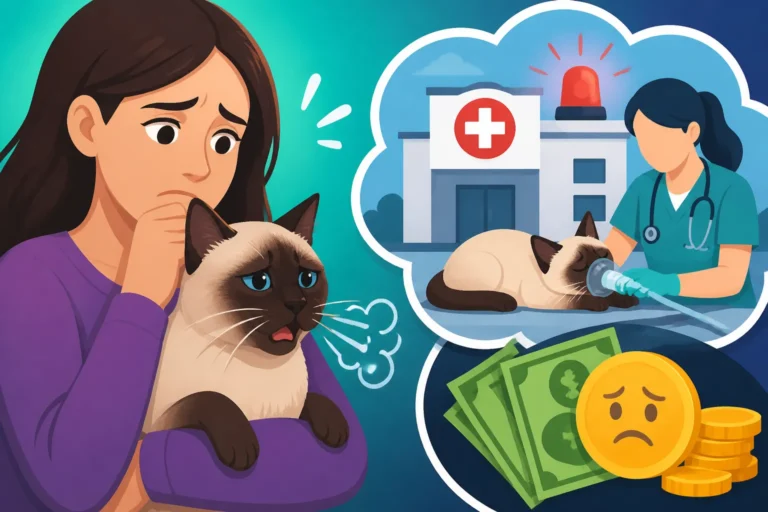
Dealing with a beloved Siamese cat's asthma can be incredibly stressful, not only emotionally but also financially. The unexpected wheezing, the trips to the vet, and the ongoing medication costs can quickly add up, leaving many owners wondering if their pet insurance will actually step up to help. This comprehensive guide will walk you through the complexities of pet insurance coverage for feline asthma, helping you understand what to look for, what to expect, and how to navigate the system when your Siamese needs it most.
Understanding Siamese Cat Asthma and Its Costs
Feline asthma is a surprisingly common respiratory condition in cats, and our vocal, energetic Siamese friends seem to have a particular predisposition to it. It’s an inflammatory disease of the lower airways, leading to difficulty breathing, coughing, and wheezing. The thought of your vibrant companion struggling to breathe is heartbreaking, and the medical journey that follows can be extensive.
Why Siamese Cats Are Often Affected by Asthma
It's a frustrating reality for many Siamese owners: these beautiful cats, with their sleek lines and distinctive voices, appear to be genetically more susceptible to certain conditions, and asthma is definitely one of them. While any cat breed can develop asthma, Siamese cats and their close relatives, like the Oriental Shorthair, are statistically overrepresented in veterinary clinics for this condition. The exact genetic link isn't fully understood, but it's believed to be an inherited predisposition, meaning it runs in families. This genetic component is something that responsible breeders should be aware of, though it’s not always straightforward to track. You can learn more about this general condition in Asthma in a Siamese Cat.
This predisposition means that if you have a Siamese kitten, even if they're healthy now, the possibility of asthma developing later in life is a real concern that smart owners prepare for. It's not a guarantee, of course, but it's a factor that makes pet insurance even more pertinent for this breed. Planning ahead can save a lot of heartache and financial strain down the road if those characteristic wheezes begin.
Recognizing the Signs and Importance of Diagnosis
The first step in managing feline asthma, and thus potentially getting insurance coverage, is recognizing the signs and getting a prompt diagnosis. Asthma attacks can range from mild, intermittent coughing or gagging (which can sometimes be mistaken for a hairball), to severe respiratory distress where your cat is hunched over, breathing rapidly, or even open-mouth breathing. If you ever see your cat struggling to breathe, especially with an open mouth, it is an emergency that requires immediate veterinary attention. These signs can be alarming, and knowing what to look for is crucial. Asthma Symptoms in a Siamese Cat provides a deeper dive into these indicators.
A definitive diagnosis typically involves a thorough vet examination, chest X-rays to look for changes in the lungs, and sometimes other tests to rule out other conditions like heartworm or lungworms. Your vet might also recommend a bronchoalveolar lavage (BAL) or blood work. The diagnostic process itself can be costly, involving multiple visits and specialized imaging. Early and accurate diagnosis is vital not just for your cat's health, but also for establishing a timeline for insurance purposes, especially regarding pre-existing conditions.
Typical Management and Treatment Costs
Once diagnosed, feline asthma usually requires ongoing management rather than a one-time cure. Treatment often involves corticosteroids, which reduce inflammation in the airways, and bronchodilators, which open them up. These medications can be given orally, by injection, or most commonly, through an inhaler with a special feline spacer. The idea of your cat using an inhaler might sound strange, but many cats adapt surprisingly well! You can read about the practicalities in How a Siamese Cat Uses an Inhaler.
The cost of these medications and supplies can be substantial. Inhalers and spacers, while effective, represent a significant upfront investment, and the monthly refills of medication can really add up. Regular vet check-ups are also necessary to monitor your cat's condition and adjust dosages, adding to the ongoing expense. Furthermore, an acute asthma attack can lead to an emergency vet visit, oxygen therapy, and sometimes even hospitalization, which carries its own hefty price tag. Understanding these potential costs upfront helps underscore why appropriate insurance coverage is so critical.
Pet Insurance Basics: How It Works for Chronic Conditions
Pet insurance can feel like a maze, with different policy types, deductibles, and reimbursement methods. When you're facing a chronic condition like asthma, understanding these basics is even more critical. It's not a "one size fits all" solution, and what one policy covers, another might completely exclude.
The Different Kinds of Coverage
Generally, pet insurance policies fall into a few main categories, each with varying levels of coverage that directly impact how helpful they'll be for a condition like asthma.
- Accident-Only Plans: These are the most basic and typically the least expensive. They cover injuries from accidents, like a broken leg or an ingestion of a toxic substance. Unfortunately, they absolutely do not cover illnesses, chronic or otherwise, so they would be useless for asthma.
- Accident & Illness Plans: This is the most common and comprehensive type of policy. They cover both accidents and a wide range of illnesses, including chronic conditions. Most pet owners looking to cover asthma will need this type of plan. Within this category, policies can differ significantly in what they cover – from prescriptions and diagnostics to emergency care and specialist visits.
- Wellness Plans/Add-ons: These are usually separate from or added to an accident & illness policy. They cover routine preventative care like annual exams, vaccinations, and sometimes dental cleanings. While they don't cover asthma treatment directly, they can cover the initial wellness exam where asthma symptoms might be first noticed, or annual check-ups to monitor overall health. They are generally not standalone solutions for chronic disease management.
When researching plans, it's vital to focus on comprehensive accident and illness coverage to even begin addressing asthma.
Deductibles, Reimbursement, and Annual Limits
Beyond the type of plan, three key financial components dictate how much you'll pay out-of-pocket:
- Deductible: This is the amount you pay first before your insurance company starts reimbursing you. It can be per-incident or annual. For a chronic condition like asthma, an annual deductible is often more favorable because you only pay it once per policy year, no matter how many asthma-related vet visits or medication refills you have. If it's per-incident, you'd pay a deductible for each new asthma flare-up or issue, which can quickly become cost-prohibitive.
- Reimbursement Percentage: After you meet your deductible, this is the percentage of eligible vet bills that the insurance company will pay back to you. Common percentages range from 70% to 90%. So, if your vet bill is $100 and your reimbursement is 80%, you'd get $80 back (after deductible). The higher the reimbursement percentage, the less you pay out of pocket, but typically the higher your monthly premium.
- Annual Limit: This is the maximum amount the insurance company will pay out in claims during a single policy year. Some policies offer unlimited annual limits, while others cap it at a specific dollar amount. For chronic conditions that require ongoing care and potentially emergency interventions, an unlimited or very high annual limit is extremely beneficial, as asthma treatments can easily exceed lower caps.
Understanding how these three elements interact is crucial for predicting your actual out-of-pocket expenses when dealing with a long-term condition like feline asthma.
How Premiums Are Calculated
Your pet insurance premium – the monthly or annual fee you pay – is influenced by several factors. The breed of your cat, their age, your geographic location (vet costs vary widely by region), and the specific coverage options you choose (deductible, reimbursement percentage, annual limit) all play a role. Generally, policies for purebred cats like Siamese, especially those known for certain health predispositions, might have slightly higher premiums than for mixed breeds.
Age is another significant factor; enrolling a kitten when they are young and healthy will almost always result in lower premiums and better coverage options than trying to insure an older cat who has already developed health issues. This highlights the importance of getting insurance early, ideally before any signs of asthma or other chronic conditions appear. The older your Siamese gets, the more likely they are to have had prior health concerns noted, which can impact future coverage.
Navigating Policy Types and Coverage for Chronic Conditions
When it comes to chronic illnesses like asthma, not all pet insurance policies are created equal. The devil is truly in the details of the policy wording, and a careful review is necessary to ensure your Siamese cat's asthma treatment will actually be covered.
Chronic vs. Acute Conditions: What's the Difference for Insurers?
This distinction is vital for asthma coverage.
- Acute conditions are sudden, severe, and usually short-lived, like a broken bone or a sudden infection. Insurance often covers these without much fuss, assuming they're not pre-existing.
- Chronic conditions, on the other hand, are long-lasting and often require ongoing treatment, sometimes for life. Asthma falls squarely into this category. The challenge with chronic conditions is that they can rack up significant costs over many years, making insurers cautious about how they cover them. Many policies do cover chronic conditions, but they often have specific clauses or limitations you need to be aware of. For example, some policies might cover the initial diagnosis and treatment for a chronic condition, but then place a lifetime limit on how much they'll pay for that specific illness. This is where reading the fine print becomes paramount.
If a policy states it covers "illnesses" but doesn't explicitly address chronic conditions or has very restrictive language around them, it might not be the best fit for a Siamese cat with a potential for lifelong asthma management.
Lifetime vs. Per-Condition Limits
This is another critical aspect to scrutinize.
- Lifetime Limits: Some older or more restrictive policies might have a lifetime limit for a specific condition. For example, they might state they'll only pay up to $5,000 total for asthma treatments over the entire life of your cat. Given that medications, emergency visits, and regular check-ups for asthma can easily exceed this over several years, such a policy could leave you paying a substantial amount out of pocket.
- Per-Condition Annual Limits: Other policies might have an annual limit for each condition. So, you might have a $5,000 annual limit for asthma, and a separate $5,000 annual limit for, say, kidney disease. This is generally more generous than a lifetime limit but still requires careful monitoring.
- Unlimited Annual Limits: The most desirable option for chronic conditions is often a policy with unlimited annual or lifetime limits. This means that as long as the condition is covered, the insurer will continue to reimburse you for eligible expenses without hitting a cap. While these policies usually come with higher premiums, they offer the best peace of mind for conditions like feline asthma.
For a Siamese cat with asthma, aiming for a policy with high annual or, ideally, unlimited lifetime limits for chronic conditions is the smart choice. This ensures that essential, ongoing care like a year of fluticasone (What a Year of Fluticasone Costs a Siamese Cat Owner) or a regular asthma workup (What a Siamese Cat's Asthma Workup Costs) won't quickly exhaust your coverage.
Understanding Waiting Periods
Almost every pet insurance policy includes waiting periods. These are specific lengths of time after you purchase a policy before certain types of coverage kick in.
- Accident Waiting Period: Typically short, often just a few days.
- Illness Waiting Period: Usually longer, often 14-30 days. This means if your Siamese develops asthma symptoms and gets diagnosed during this waiting period, it will almost certainly be considered a pre-existing condition and excluded from coverage.
- Orthopedic/Special Condition Waiting Period: Some policies have even longer waiting periods (e.g., 6 months to a year) for specific orthopedic conditions or other specialized issues. Asthma usually falls under the general illness waiting period, but it's always good to confirm.
The existence of waiting periods underscores the importance of enrolling your Siamese cat in a pet insurance plan before they show any signs of illness. The moment a symptom is documented by a vet, that condition could be flagged as pre-existing, even if the formal diagnosis comes later.
What to Look For in an Asthma-Friendly Policy
Finding the right pet insurance for a Siamese cat with potential asthma can feel like a quest for the holy grail. It requires a keen eye for detail and a willingness to compare various providers.
Reviewing Policy Wording for Chronic Illnesses
The absolute first thing you need to do is get your hands on a sample policy document or the full terms and conditions from any insurer you're considering. Don't just rely on the summary bullet points on their website. Look for explicit language regarding "chronic conditions," "long-term illnesses," or "recurring conditions." Does it state clearly that asthma, once diagnosed and covered, will continue to be covered year after year, as long as your policy is active?
Some policies might have clauses that re-evaluate conditions annually, or that require a certain period without symptoms before a "cured" condition can be re-covered if it reappears. For asthma, which is rarely "cured" but rather managed, this distinction is critical. You want a policy that understands and explicitly covers the ongoing nature of chronic respiratory conditions. Pay close attention to definitions of "curable" vs. "incurable" conditions, as asthma will almost certainly fall into the latter category from an insurance perspective.
Checking for Specific Exclusions
Beyond general chronic illness clauses, you must check for any specific exclusions that might impact asthma coverage. While most comprehensive accident and illness plans don't typically exclude asthma by name, some might have broader exclusions that could inadvertently affect it. For example, some policies might exclude certain "hereditary" or "congenital" conditions, or only cover them if they don't manifest until a certain age. Given the suspected genetic predisposition of Siamese cats to asthma, this could be a point of contention.
You should also look for exclusions related to specific treatments or diagnostics. Will X-rays be covered? What about specialist consultations with a veterinary internal medicine specialist or a pulmonologist? Are alternative therapies for asthma, such as acupuncture (if you were to explore it), included or excluded? Most standard policies will cover traditional, evidence-based veterinary treatments, but it's always worth confirming, especially for any less common approaches. Be wary of any blanket exclusions that seem overly broad.
Comparing Provider Offerings
Once you have a clearer idea of what specific wording to look for, it's time to compare different providers. Many reputable pet insurance companies offer comprehensive coverage that includes chronic conditions. Companies like Healthy Paws are well-regarded for their accident and illness plans that typically cover a wide range of conditions, including chronic ones, provided they are not pre-existing. When comparing, create a table to systematically evaluate key features:
| Feature | Policy A (Example: Healthy Paws) | Policy B (Example: Another Provider) | Policy C (Example: Third Provider) |
|---|---|---|---|
| Deductible Options | Annual (e.g., $100, $250, $500) | Per-incident (e.g., $50) | Annual (e.g., $250) |
| Reimbursement Rate | 70%, 80%, 90% | 80% | 70%, 80%, 90% |
| Annual Limit | Unlimited | $10,000 | $15,000 |
| Chronic Condition Coverage | Yes, clearly stated | Yes, with lifetime limits | Yes, with high annual limits |
| Waiting Periods | 15 days illness, 1 day accident | 14 days illness, 3 days accident | 30 days illness, 5 days accident |
| Pre-existing Clause | Curable & Incurable distinctions | Incurable excluded if symptomatic | Standard exclusion |
| Prescription Coverage | Yes | Yes | Yes, with limits |
| Specialist Visits | Yes | Yes | Yes |
This kind of comparison helps you weigh the monthly premium against the potential out-of-pocket costs when asthma flares up. Don't hesitate to call the insurance companies directly with specific questions about feline asthma and Siamese breed predispositions. Some providers also have online tools or resources on their websites that allow you to get quotes and customize coverage, making it easier to see how changes to deductibles or reimbursement rates impact your premium.
Pre-Existing Conditions: The Big Hurdle for Asthma Coverage
This is arguably the most critical and often most frustrating aspect of pet insurance when dealing with a chronic condition like asthma. A pre-existing condition is generally any illness or injury that your pet had symptoms of, or was diagnosed with, before your insurance policy started or during its waiting period.
Defining "Pre-Existing" in the Context of Asthma
For an insurer, a condition is considered pre-existing if it manifested in any way before your policy's start date and the end of any applicable waiting periods. This doesn't just mean a formal diagnosis; if your vet noted coughing or wheezing in your cat's medical records before you got insurance, even if they weren't definitively diagnosed with asthma until later, the insurer might still flag it as pre-existing. This is a common point of contention and confusion for many pet owners.
The challenge with asthma is that its early signs, like occasional coughing, can be subtle and easily overlooked or mistaken for other issues. If your Siamese had a few documented coughs during a routine check-up months before you bought insurance, and then later gets a full asthma diagnosis, the insurer could argue the condition was pre-existing because symptoms were present. This is why getting insurance when your cat is young and ideally has a clean bill of health is so incredibly important.
The Importance of Early Enrollment
I cannot stress this enough: enroll your Siamese cat in pet insurance as early as possible. Ideally, when they are a kitten, before any health issues have a chance to manifest or be recorded in their veterinary history. By enrolling a young, healthy cat, you significantly increase the chances that future conditions, including asthma, will be considered new and therefore covered.
If you wait until your cat is older or has already started showing subtle symptoms, you run the very real risk of any subsequent diagnosis being labeled pre-existing. This isn't just about asthma; it applies to many other breed-specific conditions or general age-related ailments. Proactive enrollment is the single best strategy to ensure comprehensive coverage throughout your cat's life.
Strategies if Your Cat Already Has Asthma
If your Siamese cat has already been diagnosed with asthma or has a documented history of symptoms, obtaining full coverage for it will be challenging, if not impossible, with most standard pet insurance policies. However, all hope is not lost, and you still have options to manage future costs:
- Accept the Exclusion: Many owners simply accept that asthma will be excluded and purchase a policy to cover new conditions or accidents. This still provides valuable protection against unforeseen medical events unrelated to asthma. For instance, if your cat later develops Heart Disease in a Siamese Cat or needs blockage surgery (What Blockage Surgery Involves for a Siamese Cat) due to wool-sucking, that would likely be covered.
- Look for Specific Policy Riders: A very few, specialized pet insurance plans might offer riders or exceptions for certain pre-existing conditions after a long waiting period or if the condition has been "cured" for a certain amount of time (which is unlikely for asthma). These are rare and come with strict conditions, but it's worth asking providers if they have such options.
- Consider Wellness Plans for Related Care: While not covering asthma treatment directly, a wellness plan can help with the costs of annual check-ups, which are important for monitoring your asthmatic cat's overall health and medication effectiveness. They can also cover preventative care like vaccinations that keep your cat healthy and potentially prevent other illnesses from adding to your vet bills.
- Emergency Fund and Savings: If insurance won't cover asthma, setting up a dedicated savings account specifically for your cat's medical expenses is a wise move. Automate small deposits each month to build up a cushion for medication refills, inhaler costs, and potential emergency visits related to asthma.
- Explore Discount Plans: Some veterinary clinics or third-party organizations offer veterinary discount plans. These aren't insurance but provide a percentage off veterinary services for a membership fee. They can help reduce the cost of ongoing asthma treatment, though they won't cover the bulk of expenses like insurance would.
- Shop Around for Medications: Don't be afraid to ask your vet for a prescription you can fill at human pharmacies or reputable online pet pharmacies. Sometimes, the cost of medications like fluticasone (a common asthma inhaler component) can be significantly lower at large pharmacies or through online retailers like Chewy's pharmacy.
Making the Most of Your Policy and Other Financial Considerations
Even with a great policy, managing a chronic condition like asthma means you'll be interacting with your pet insurance provider regularly. Knowing how to navigate the claims process and being smart about other financial aspects can make a big difference.
Submitting Claims and Reimbursement Process
The claims process for pet insurance usually involves paying your vet directly at the time of service, then submitting a claim to your insurance company for reimbursement.
- Pay Your Vet: You'll cover the full cost of the consultation, diagnostics, medications, or emergency care upfront.
- Gather Documentation: Your vet will provide an itemized invoice, and often medical notes that detail the diagnosis, treatment, and specific services rendered. Make sure these notes clearly link back to your cat's asthma diagnosis if that's what you're claiming for.
- Submit Claim: Most insurance companies allow you to submit claims online through a portal, via email, or sometimes by fax or mail. You'll typically fill out a claim form, attach the invoice and medical records, and send it in.
- Reimbursement: After reviewing your claim, the insurance company will process it, apply your deductible (if not already met) and reimbursement percentage, and then send you a check or direct deposit for the covered amount. The turnaround time for reimbursement can vary widely between providers, so it’s good to know what to expect.
For ongoing conditions like asthma, you might submit claims frequently for medication refills or follow-up visits. Keeping meticulous records of all vet visits, invoices, and insurance communications is a habit that will serve you well.
Considering Wellness Plans for Related Care
While a wellness plan won't cover chronic asthma treatment itself, it can be a valuable addition to your financial strategy, especially for a Siamese cat. These plans cover preventative care, which keeps your cat as healthy as possible overall. For example, a wellness plan might cover:
- Annual physical exams, which are essential for monitoring your asthmatic cat's general health and catching any new issues early.
- Vaccinations, ensuring your cat doesn't contract other illnesses that could complicate their asthma.
- Fecal exams and deworming, important for ruling out parasites that can cause respiratory symptoms.
- Routine blood work, which can monitor organ function, especially if your cat is on long-term medications that require regular checks. What a Siamese Cat's Yearly Bloodwork Should Cover could be useful.
By covering these routine costs, a wellness plan can free up your budget for the specific asthma medications and treatments not covered by your main insurance policy (if asthma is pre-existing) or simply reduce your overall veterinary expenses, making the chronic care more manageable.
Alternative Ways to Manage Costs
Even with insurance, you may face out-of-pocket costs, particularly if your Siamese cat's asthma is considered pre-existing. Here are some additional strategies to help ease the financial burden:
- Veterinary Payment Plans: Many veterinary offices understand the financial strain of chronic conditions and offer in-house payment plans for larger bills, or work with third-party financing options like CareCredit. Don't be afraid to discuss payment options with your vet's office manager.
- Negotiate Medication Costs: As mentioned, ask your vet if prescriptions can be filled at human pharmacies or online. Sometimes, generic versions of medications are available and significantly cheaper. Always consult your vet before altering medication sources to ensure safety and efficacy.
- Support Groups and Charities: Look for local or national pet assistance programs or charities that specifically help pet owners with chronic illnesses. Some organizations might offer grants or financial aid to cover veterinary expenses for pets with conditions like asthma. While competitive, these resources can provide much-needed relief in dire circumstances.
- Preventative Home Care: Beyond medical treatment, maintaining a clean, dust-free home environment is crucial for an asthmatic cat. Using air purifiers, vacuuming regularly with a HEPA filter, and choosing low-dust or dust-free litter (many excellent options are available on sites like Chewy) can reduce triggers and potentially lessen the frequency or severity of asthma attacks, thereby reducing emergency vet visits. Similarly, a high-quality, consistent diet can support overall well-being.
- Pet Savings Accounts: If you don't have insurance or have a high deductible, maintaining a dedicated savings account for pet emergencies and ongoing care is a practical approach. Regular contributions can build a fund that alleviates the stress of unexpected vet bills. This fund can be invaluable for things like What a Siamese Cat's Emergency Ultrasound Costs or even What a Siamese Cat's Emergency Liver Bleed Costs if other conditions arise.
By combining insurance with smart financial planning and proactive home management, you can provide your asthmatic Siamese cat with the best possible care while safeguarding your budget. It takes effort, but your Meezer's comfort and well-being are worth every bit of it.
Disclaimer
This article is for general informational purposes only and does not constitute professional advice. Laws, prices and regulations vary by location and change over time. Consult a qualified professional for guidance on your specific situation.