Asthma Symptoms in a Siamese Cat
There’s almost nothing more frightening than watching your beloved Siamese cat struggle to breathe. One moment they might be purring contentedly, and the next, they’re hunched over, wheezing, or coughing in a way that just doesn't seem right. It’s easy to dismiss these alarming episodes as a common hairball, but for many Siamese owners, these are the early, terrifying signs of feline asthma. This guide is here to walk you through exactly what those symptoms look and sound like, helping you understand when it's time to worry and, most importantly, when to act.
Understanding Feline Asthma in Siamese Cats
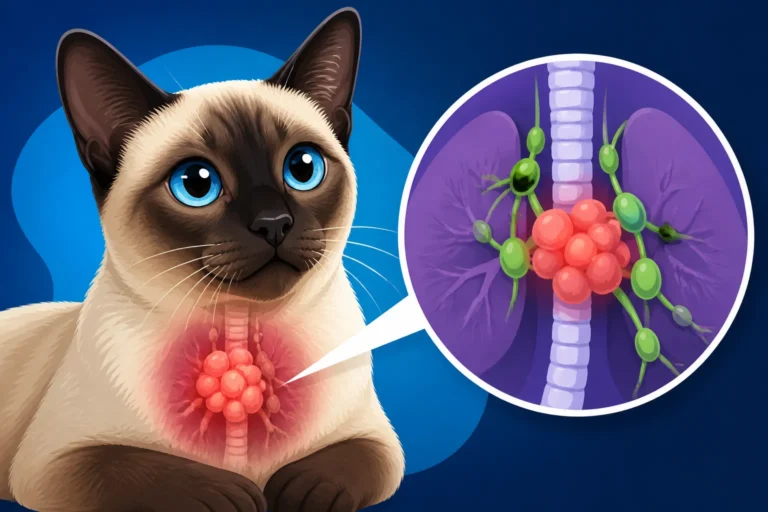
Feline asthma is a chronic inflammatory condition of the small airways in a cat's lungs, often leading to difficulty breathing. Imagine trying to breathe through a very narrow straw – that's what it can feel like for an asthmatic cat. It's not just a minor irritation; it's a serious condition that can range from mild, intermittent wheezing to life-threatening respiratory crises. The inflammation makes the airways swell and become constricted, and they often produce excess mucus, further blocking the passage of air.
The Allergic Reaction Explained
At its core, feline asthma is typically an allergic reaction. Just like people, cats can develop allergies to various airborne particles. When an asthmatic cat inhales these irritants, their immune system overreacts, triggering an inflammatory response in the lungs. This response causes the muscles around the airways to constrict, the lining of the airways to swell, and sometimes, an overproduction of thick mucus. It’s a vicious cycle that makes breathing increasingly difficult. Common triggers include pollen, dust mites, mold spores, cigarette smoke, certain cat litters, and even some food allergens, though environmental allergens are the most frequent culprits. Understanding What Triggers a Siamese Cat's Asthma is crucial for managing the condition.
Why Siamese Cats are Prone to Asthma
It’s a sad truth that our elegant Siamese companions seem to be overrepresented when it comes to asthma diagnoses. While any cat breed can develop asthma, studies and anecdotal evidence from veterinarians often point to a higher prevalence in Siamese cats and their related Oriental breeds. The exact genetic link isn't fully understood, but it's believed there's a hereditary predisposition that makes their immune systems more likely to mount an exaggerated response to common allergens. Their unique genetic makeup might make their airways more sensitive or their immune response more robustly allergic. This means if you have a Siamese, you need to be particularly vigilant for signs of respiratory distress, as they are simply more susceptible to developing this condition.
Recognizing the Early Warning Signs
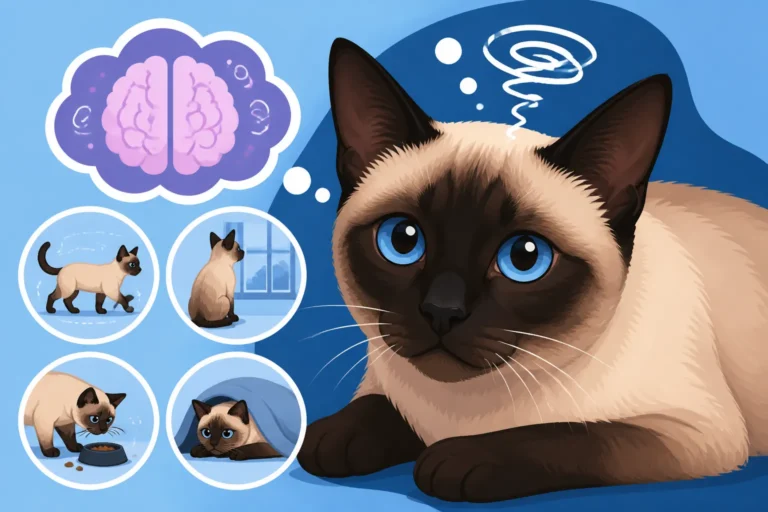
The tricky thing about feline asthma is that the early signs can be subtle, easily mistaken for other, less serious issues. Many owners don't realize their cat is suffering until the condition has progressed. Being attuned to slight changes in your Siamese’s behavior and breathing can make all the difference in getting an early diagnosis and starting effective treatment. Don't wait for a full-blown crisis to consider if something is amiss. Pay close attention to their daily habits and sounds.
Persistent Coughing and Wheezing
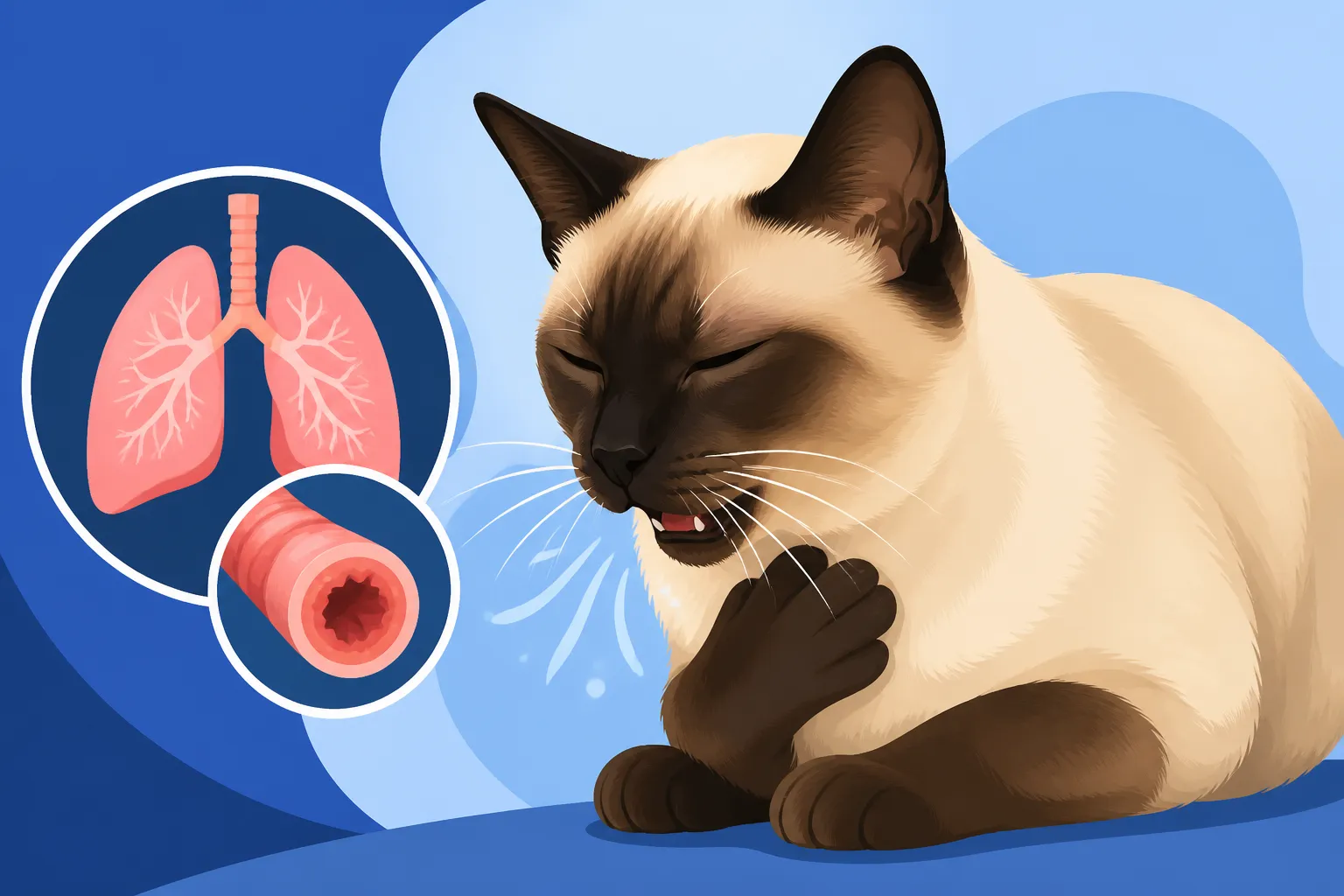
One of the most common and often overlooked early symptoms of asthma in a Siamese cat is a persistent cough. This isn’t a hacking, gagging sound like a hairball. Instead, it’s often described as a dry, raspy cough, sometimes resembling a goose honk. Your cat might crouch with their neck extended, trying to clear their throat, often mistaking it for trying to vomit a hairball. They might also make a wheezing sound, which is a high-pitched whistling noise, especially noticeable when they exhale. This happens as air struggles to pass through narrowed airways. You might hear it more after they've been active, or even when they're simply resting. If you’re unsure about the difference, it’s worth investigating Whether a Siamese Cat's Cough Is Asthma or a Hairball.
Changes in Breathing Patterns
Beyond overt coughing and wheezing, you might notice more subtle changes in your Siamese cat’s breathing patterns. A healthy cat's breathing should be quiet and effortless, with little to no visible effort from the abdominal muscles. If your cat is consistently breathing faster than usual, even when at rest, or if you notice their chest and belly moving excessively with each breath, these are red flags. This is called increased respiratory effort. You might observe them breathing with an open mouth more frequently, especially after mild exertion, or hear a faint whistle or crackle when they breathe. Their breathing might seem shallow and rapid, or conversely, slow and deep as they try to compensate for lack of oxygen.
Reduced Activity and Energy Levels
Siamese cats are known for their boundless energy and playful nature. They love to chase toys, climb cat trees, and engage in lengthy conversations with their humans. If your normally active Siamese suddenly seems lethargic, less interested in playing, or tires out much more quickly than usual, it could be a sign their lungs aren’t getting enough oxygen. They might avoid stairs, spend more time sleeping, or decline invitations to play with their favorite wand toy. This reduced stamina is a direct consequence of their body working harder to breathe, leaving less energy for everything else. Keep an eye on subtle shifts in their playfulness and overall zest for life, as these can be critical indicators.
Signs of an Acute Asthma Attack
While the early symptoms of feline asthma can be subtle, an acute asthma attack is usually unmistakable and terrifying for both cat and owner. These episodes require immediate veterinary attention, as they can quickly become life-threatening. Recognizing these critical signs will help you act swiftly and potentially save your cat's life. This is when you realize just how serious Asthma in a Siamese Cat can be.
Labored Breathing and Open-Mouth Panting
During an acute asthma attack, your Siamese cat will exhibit extremely labored breathing. They might crouch low to the ground with their neck extended and head held forward, often referred to as an "orthopneic" posture. This position helps them try to open their airways as much as possible. You'll likely see their chest and abdomen heaving with each breath, a clear sign of severe respiratory distress. Open-mouth breathing or panting is particularly alarming in a cat, as it's not a normal cooling mechanism like in dogs. It almost always indicates that they are struggling desperately for air. Their nostrils might flare, and their eyes could appear wide with panic.
Cyanosis and Pale Gums
One of the most critical and dangerous signs of an acute asthma attack is cyanosis. This refers to a bluish tint to the gums, tongue, or skin, which occurs when there isn't enough oxygen circulating in the blood. If you gently lift your cat’s lip and see that their gums are pale or have a grayish-blue tinge, this is an absolute emergency. It means their body is not getting the oxygen it needs to survive, and immediate veterinary intervention is required. This is a life-threatening symptom, and every second counts. Don't delay—get to the emergency vet without hesitation.
Posture and Distress Signals
Beyond the physical signs of breathing difficulty, a cat having an asthma attack will often display clear distress signals. They might become very still, refusing to move, as any exertion makes breathing even harder. Some cats might try to hide, while others will seek out their owner, appearing agitated and frightened. Their eyes may be wide, pupils dilated, and they might exhibit rapid, shallow breaths. You might notice them pressing their front legs outwards, almost like they're trying to push their lungs open. They may salivate excessively due to the stress and effort. These are all clear indications that your cat is in a critical state and needs urgent medical care. If you observe any of these signs, especially Signs a Siamese Cat Is Having an Asthma Attack, do not wait; contact your veterinarian or an emergency animal hospital immediately.
Differentiating Asthma from Other Conditions
It’s completely understandable to feel overwhelmed when your cat is showing respiratory symptoms. Many conditions can mimic asthma, making diagnosis tricky. This is why a thorough veterinary examination is so important. As a responsible cat owner, being aware of other possibilities can help you provide your vet with a clearer picture, but always let the professionals make the definitive diagnosis.
Asthma vs. Hairballs: A Common Misconception
This is perhaps the most common mistake owners make. Many cats with asthma are initially brought to the vet because their owners believe they are constantly trying to vomit a hairball. While the posture might look similar—crouching, neck extended—the sounds are distinctly different. A cat with a hairball will typically make a gagging or retching sound, often followed by producing a hairball or vomiting. An asthmatic cat, on the other hand, will produce a dry, hacking cough, a wheeze, or sometimes a silent gasp for air. There’s usually no actual hairball expelled. If you notice repeated episodes of this "hairball" behavior without any hairball material appearing, it's a strong indicator that something else, likely asthma, is going on.
| Symptom / Condition | Feline Asthma | Hairball Episode |
|---|---|---|
| Sound | Dry, hacking cough, wheeze, goose-honk, silent gasp | Gagging, retching, horking sound |
| Posture | Crouched, neck extended, shoulders hunched, labored breathing | Crouched, neck extended, may gag |
| Output | No physical output, sometimes mucus | Expulsion of hairball or vomit |
| Frequency | Can be frequent, especially with triggers; chronic | Intermittent, often linked to grooming cycles |
| Breathing | Labored, rapid, open-mouth, chest/abdominal heaving | Usually normal breathing after episode clears |
| Gums | Can be pale or bluish during severe attacks | Normal pink |
| Energy | May show lethargy or reduced activity due to lack of oxygen | Usually resumes normal activity after expulsion |
Other Respiratory Issues to Consider
While asthma is a strong contender for respiratory symptoms in a Siamese, it’s not the only possibility. Other conditions can present with similar signs, and your vet will need to rule these out. These include:
- Heartworm disease: Although less common in indoor cats, heartworms can cause respiratory signs similar to asthma, sometimes referred to as "heartworm associated respiratory disease" (HARD).
- Bronchitis: This is an inflammation of the bronchial tubes, which can be acute or chronic, and often involves coughing and wheezing. Asthma is a specific form of chronic bronchitis.
- Pneumonia: An infection or inflammation of the lungs that can cause coughing, difficulty breathing, lethargy, and fever.
- Pleural effusion: This is a buildup of fluid around the lungs, which can compress the lungs and make breathing difficult. It can be caused by various underlying conditions.
- Foreign objects: Cats, especially curious Siamese, can sometimes inhale small objects, leading to coughing and respiratory distress.
- Upper respiratory infections (URIs): These are common, especially in multi-cat households or rescues, and typically involve sneezing, nasal discharge, and sometimes coughing. While different from asthma, they can exacerbate asthmatic symptoms.
- Heart disease: Certain heart conditions, especially congestive heart failure, can lead to fluid accumulation in or around the lungs, causing coughing and breathing difficulties. This is why a thorough cardiac workup might be part of the diagnostic process.
A veterinary diagnosis is crucial. They will use a combination of physical exams, X-rays, blood tests, and possibly even specialized procedures to pinpoint the exact cause of your Siamese cat's symptoms.
When to Seek Veterinary Help
Given the potential seriousness of feline asthma, knowing when to contact your veterinarian is paramount. It’s always better to err on the side of caution when it comes to respiratory distress in cats. Delaying care can have severe consequences, so trust your instincts as an owner.
Emergency Situations
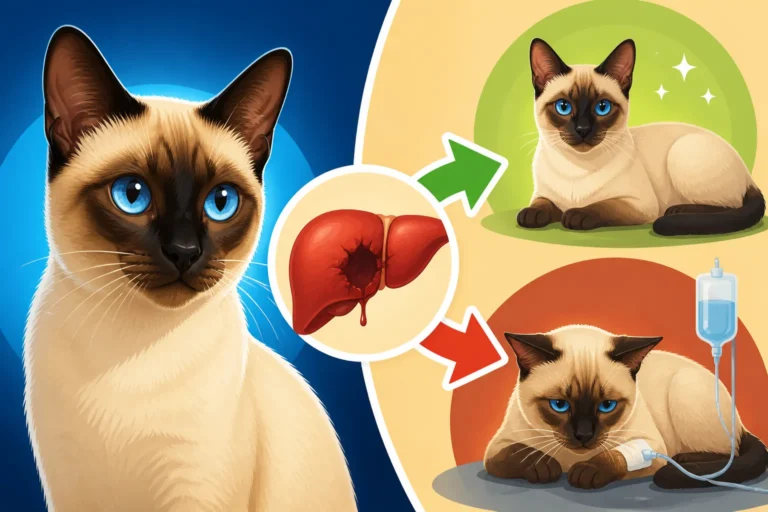
If you observe any of the severe signs of an asthma attack in your Siamese cat, such as persistent open-mouth breathing, loud wheezing that doesn't subside, extreme lethargy, blue or pale gums, or a complete collapse, this is an undeniable emergency. Do not wait for an appointment; head directly to the nearest emergency veterinary clinic. Call ahead if you can, so they can be prepared for your arrival. These symptoms indicate a critical lack of oxygen, and your cat needs immediate oxygen therapy and bronchodilator medications to open their airways. Quick action can be the difference between life and death. The cost of an emergency can be high, and knowing What an Asthma Emergency Costs a Siamese Cat Owner might help in planning, but the priority is always getting immediate care. Having pet insurance like Healthy Paws can be a real lifesaver in these unexpected, stressful situations, helping to cover significant emergency veterinary bills.
Preparing for Your Vet Visit
Even if your cat's symptoms are mild or intermittent, a vet visit is still essential. Before you go, it's helpful to gather as much information as possible to assist your veterinarian. Jot down notes about:
- When symptoms started: Dates and times of the first observed cough or wheeze.
- Frequency and duration of episodes: How often do they occur, and how long do they last?
- Triggers: Have you noticed any specific situations, times of day, or environmental factors that seem to bring on the symptoms? (e.g., after using a certain spray, after playing vigorously, when the furnace kicks on).
- Other symptoms: Any changes in appetite, litter box habits, energy levels, or other behaviors.
- Your cat's environment: What kind of litter do you use? Is there smoking in the house? Do you use air fresheners?
- Your cat’s diet and medications: A complete list.
- Any previous medical history: Especially respiratory issues.
You might also consider taking a video of your cat during an episode. This can be incredibly valuable for your vet, as asthma symptoms can be intermittent, and your cat might not be exhibiting them during the examination. Providing all this detail will help your vet develop the best diagnostic and treatment plan, which might include assessing What a Siamese Cat's Asthma Workup Costs to give you a clear financial picture. Comprehensive pet insurance policies, such as those offered by Healthy Paws, can often help offset these diagnostic costs and the ongoing expenses of managing a chronic condition like asthma.
Disclaimer
This article is intended for informational purposes only and does not constitute veterinary advice. Always consult with a qualified veterinarian for any health concerns or before making any decisions related to your pet's health.