Whether Point Color Changes a Siamese Cat’s Price
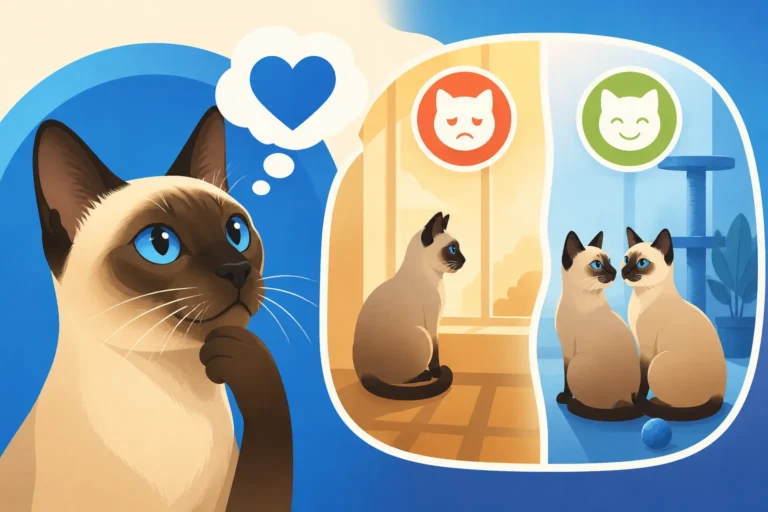
When you're dreaming of bringing a beautiful Siamese cat into your home, it's natural to have a million questions running through your mind. Beyond their striking appearance and famously chatty personalities, many prospective owners wonder about the practicalities, including the cost. A common question that pops up, perhaps because their point coloration is so distinctive, is whether a Siamese cat's specific point color – like a classic Seal Point versus a delicate Lilac Point – actually changes its price. It's a valid curiosity, especially when you see different shades of these gorgeous felines, and this guide is here to shed some light on the subject, separating myth from reality.
The Beautiful Palette of Siamese Cat Point Colors
Siamese cats are renowned for their captivating color-pointed coats, a genetic marvel that results in darker pigmentation on the cooler parts of their body: the ears, face mask, paws, and tail. This unique pattern is what makes them so instantly recognizable, but it's important to understand what makes these colors manifest. It's all down to a temperature-sensitive enzyme, as we delve into in Which Tyrosinase Mutation a Siamese Cat Carries.
The most well-known and universally accepted point colors by cat registries like the Cat Fanciers' Association (CFA) are Seal Point, Blue Point, Chocolate Point, and Lilac Point. These are often considered the "core" colors that define the traditional Siamese breed. However, over time and through careful breeding, other stunning variations have emerged, such as Red Point, Cream Point, Lynx Point (which has tabby markings within the points), and Tortie Point (featuring patches of red/cream on the points, found only in females). You can learn more about the specifics in What Point Coloration in a Siamese Cat Is.
While all these colors are beautiful and unique in their own right, the idea that one specific point color inherently drives up the price for a truly well-bred Siamese kitten is often a misconception. While some colors might be less common or have fluctuating popularity, reputable breeders tend to price their kittens based on far more significant factors than just the hue of their points.
What Truly Influences a Siamese Cat's Price Beyond Color
It's a common trap to assume that a "rare" color automatically means a higher price tag. However, when it comes to a Siamese cat, the cost is far more complex than just its point color. Ethical breeders pour an immense amount of time, effort, and resources into ensuring the health, temperament, and overall quality of their kittens, and these are the factors that genuinely dictate the price. Understanding these elements can help you make an informed decision when looking for your next feline family member. We've explored the broader topic of pricing in Why Siamese Cat Prices Range So Widely.
Breeder Reputation and Experience
A breeder's reputation is paramount. Those who have been breeding for years, consistently producing healthy, well-socialized, and conformationally sound Siamese cats, will naturally charge more for their kittens. They invest in extensive health screenings for their breeding cats, ensuring they are free from common genetic issues, which adds significant costs but prevents heartache for new owners down the line. They provide excellent nutrition, veterinary care, and a stimulating environment for their kittens from birth, which directly impacts the kitten's physical and emotional development. A breeder with a strong ethical foundation prioritizes the welfare of their cats above all else, and this commitment is reflected in their pricing.
Lineage and Show Quality
The pedigree of a Siamese cat plays a massive role in its value. Kittens from lines that consistently produce champions in the show ring, or those with parents that have achieved titles, will inevitably command a higher price. This isn't just about bragging rights; it indicates a strong adherence to the breed standard, which covers everything from eye color and body type to ear set and, yes, point coloration, as detailed in What the Siamese Cat Standard Asks For. These kittens are often referred to as "show quality" or "breeding quality," and they are priced accordingly for their potential to contribute to the breed. "Pet quality" kittens, while still purebred and wonderful companions, may have minor traits that prevent them from excelling in the show ring and are usually priced lower.
Health Guarantees and Veterinary Care
A responsible breeder provides health guarantees against genetic defects and ensures their kittens have received a thorough vet check, initial vaccinations, and deworming before going to their new homes. This pre-sale veterinary care is a significant expense for the breeder, but it offers peace of mind to the buyer. It's an investment in a healthy start, reducing the likelihood of costly veterinary bills in the immediate future. These are the kinds of essential screenings discussed in What a Siamese Cat Breeder Should Have Screened.
Registration and Papers
Kittens from registered parents, with papers from recognized associations like the CFA or The International Cat Association (TICA), will typically cost more. These papers confirm the kitten's purebred status and lineage, which is important for those interested in showing or breeding, or simply for those who want the assurance of a verifiable background. Without these documents, even if a cat looks like a Siamese, its purebred status cannot be confirmed, and its price should be significantly lower.
Other Factors
Geographic location can also influence price, with kittens in areas with higher demand or fewer reputable breeders sometimes being more expensive. The current market demand for Siamese cats in general, as well as the breeder's own costs and policies, also factor in. Some breeders may require a waiting list or a non-refundable deposit to reserve a kitten, highlighting the demand for their well-cared-for animals. How Long a Siamese Cat Waitlist Runs gives insight into this.
Here’s a simple table to illustrate the main factors influencing a Siamese cat's price:
| Factor | Influence on Price | Explanation |
|---|---|---|
| Breeder Reputation | High | Experienced, ethical breeders with a track record of healthy, well-socialized kittens invest more, and their prices reflect this. |
| Lineage/Pedigree | High | Kittens from champion lines or parents that meet strict breed standards cost more due to genetic quality and potential for showing/breeding. |
| Health Guarantees | High | Comprehensive health screenings, initial vaccinations, and deworming provided by the breeder ensure a healthy start and prevent future costs for the buyer. |
| Registration Status | High | Official registration with major cat associations (CFA, TICA) verifies purebred status and lineage, adding to the kitten's value and desirability. |
| Kitten Temperament/Care | High | Early socialization, nurturing environment, and proper care from birth contribute to a well-adjusted kitten, reflecting a breeder's time and dedication. |
| Geographic Location | Moderate | Prices can vary based on regional demand, availability of reputable breeders, and local cost of living. |
| Specific Point Color | Low (generally) | While certain colors might be slightly less common or more popular at times (e.g., Lilac Point), for ethical breeders, color itself is rarely the primary driver of price, assuming all other quality factors are equal. However, some registries accept more colors than others, as seen in Which Point Colors Other Registries Accept in a Siamese Cat. |
Ultimately, a higher price for a Siamese kitten from a reputable breeder is an investment in a healthy, well-adjusted companion with a solid genetic background, far outweighing the superficial appeal of a particular point color. For a general overview, see What a Siamese Cat Costs to Buy in 2026.
The Niche Appeal and Perceived Rarity of Certain Point Colors
While we've established that point color isn't the primary factor for most reputable breeders, it would be disingenuous to say it has no impact at all in the broader market. There's an undeniable human tendency to gravitate towards what is perceived as "rare" or "unique," and sometimes, this can create a niche demand for certain point colors, potentially influencing their price.
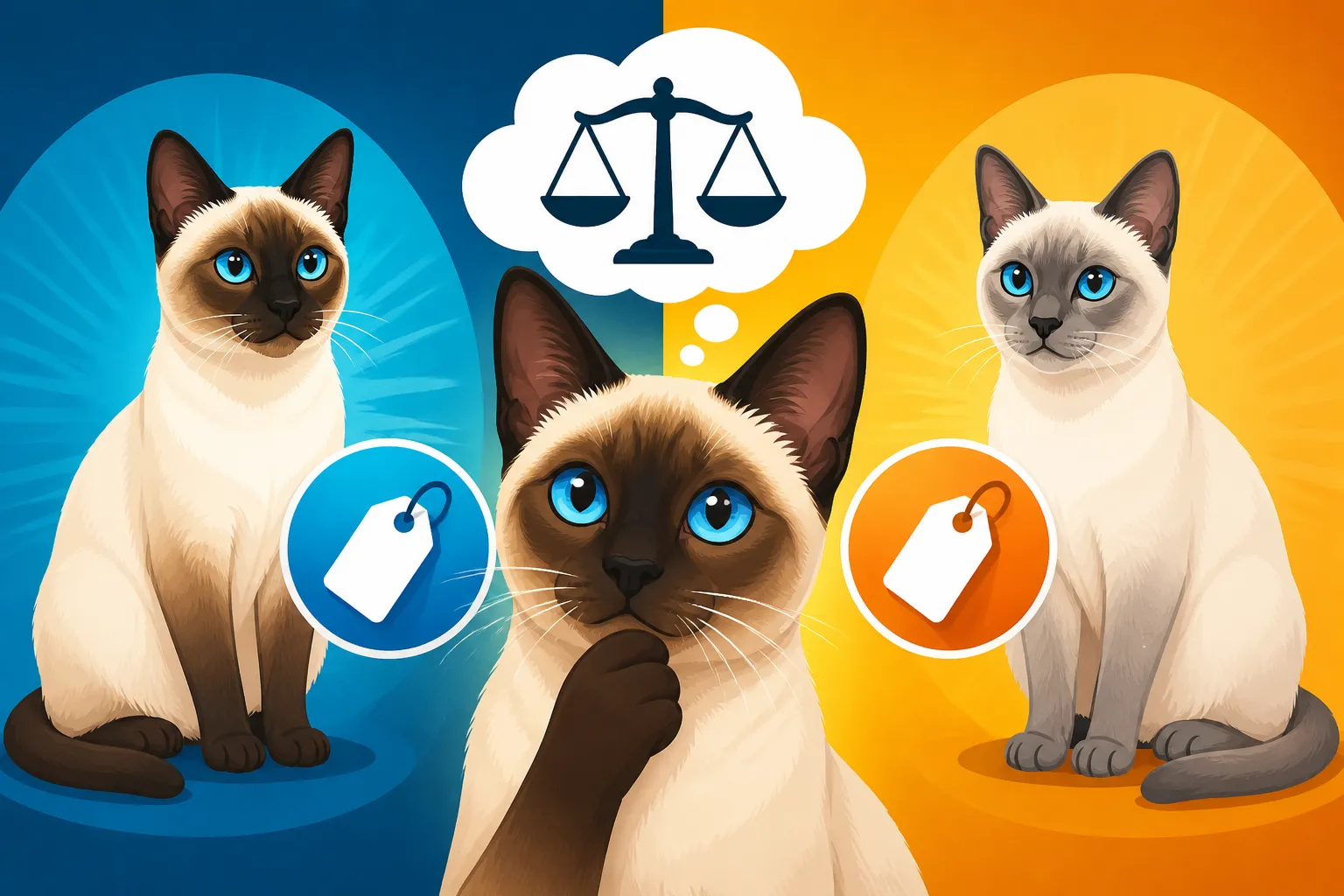
Take the Lilac Point Siamese, for example. Often described as a 'frosty grey' or 'pinkish grey,' their delicate, almost ethereal appearance sets them apart. Because the genetics for Lilac are recessive and require specific parentage, they might be less common than, say, a Seal Point. This perceived rarity can sometimes lead to a slightly higher price from individual breeders who find their Lilac Point kittens in higher demand. We explore this specific question in Whether a Lilac Point Siamese Cat Costs More. It's less about the inherent value of the color itself and more about the supply and demand dynamics from certain buyers who specifically seek out that particular shade.
Similarly, Lynx Points, with their distinctive tabby markings within the points, or Tortie Points, with their splashes of red and cream, might also command different prices depending on the breeder's focus and the local market. Some cat registries classify these as Colorpoint Shorthairs rather than traditional Siamese, which can also affect how they are marketed and priced within certain circles. For instance, Whether a Lynx Point Registers as a Siamese Cat touches on this nuance. If a breeder specializes in a less common point color and has a strong following for it, they might adjust their pricing to reflect that specific market.
However, it's crucial to differentiate between genuine rarity (due to complex genetics or less widespread breeding) and artificial scarcity created for marketing purposes. An ethical breeder will always prioritize the overall health, temperament, and adherence to the breed standard across all their kittens, regardless of their coat color. They understand that a beautiful color is meaningless if the cat isn't healthy or well-adjusted. So, while you might encounter a slightly higher price for a "rare" point color, it shouldn't be drastically different from their other kittens of similar quality. If the price difference is exorbitant based solely on color, it might be a red flag to investigate what other factors (or lack thereof) are at play.
Prioritizing Health and Temperament Above All Else
When you're welcoming a Siamese into your life, the most important considerations should always be the cat's health and its personality, far more than the specific shade of its points. A stunning Lilac Point cat with chronic health issues or a difficult temperament will bring more heartache and expense than a healthy, loving Seal Point. Focusing on responsible breeding practices means looking beyond superficial traits.
A reputable breeder will be transparent about their breeding practices, the health history of the parents, and the socialization efforts they put into their kittens. They understand that How Healthy the Siamese Cat Actually Is is a critical factor for a long and happy life with your companion. They perform health screenings for hereditary conditions and provide detailed records of vaccinations and veterinary check-ups. They'll also ensure the kittens are well-socialized, accustomed to human interaction, and ready to thrive in their new homes. This foundational care is what ensures a happy, stable, and affectionate companion for years to come.
When you're budgeting for your new Siamese, think about the long-term investment. This includes not just the initial purchase price, but ongoing care, which can be substantial over a cat's lifetime. Things like high-quality food, regular veterinary visits, and even pet insurance are far more significant than a few extra dollars for a particular point color. Even essentials like litter and toys from retailers like Chewy should be factored in.
Ultimately, your Siamese cat will be a cherished member of your family for potentially The Fifteen to Twenty Years a Siamese Cat Gets. Their unique personality, their deep bond with you, and their overall well-being are what truly matter. While it's fun to admire the different point colors, don't let a specific shade overshadow the crucial aspects of a responsible breeder and a healthy, well-adjusted kitten. The true value of your Siamese will be measured in purrs, head-butts, and lively conversations, not in the market price of their beautiful points.
Disclaimer
This article is for general informational purposes only and does not constitute professional advice. Laws, prices and regulations vary by location and change over time. Consult a qualified professional for guidance on your specific situation.