Who Lucy Hayes Was to the Siamese Cat
Lucy Hayes was more than a name attached to an old cat story: she was the First Lady who received Siam, often described as the first Siamese cat brought to the United States. The details can get muddled between dates, diplomats, and White House anecdotes. This guide explains who Lucy Hayes was, how Siam came to the White House, and what the story can—and cannot—tell us.
Lucy Hayes and the White House Siamese Cat
Who Lucy Hayes was
Lucy Webb Hayes was the wife of Rutherford B. Hayes, the 19th president of the United States, and served as First Lady from 1877 to 1881. Before entering the White House, she had been active in her family and community life. As First Lady, she became known for her personal convictions and for shaping the tone of the presidential household.
It helps to separate Lucy Hayes herself from the role she occupied. A First Lady was not an elected official, and her public duties could vary widely. In Lucy’s case, that meant hosting visitors and helping manage the household while her husband served as president. Animals at the White House were part of that domestic world, though they were not necessarily treated as public figures in the way they might be today.
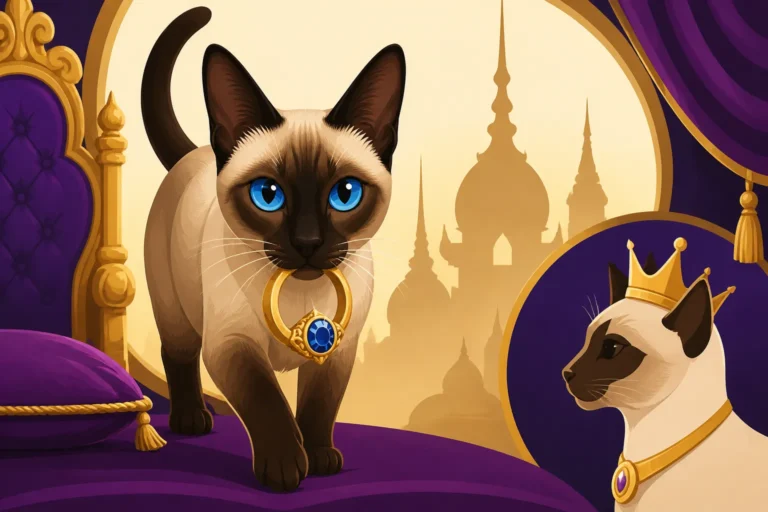
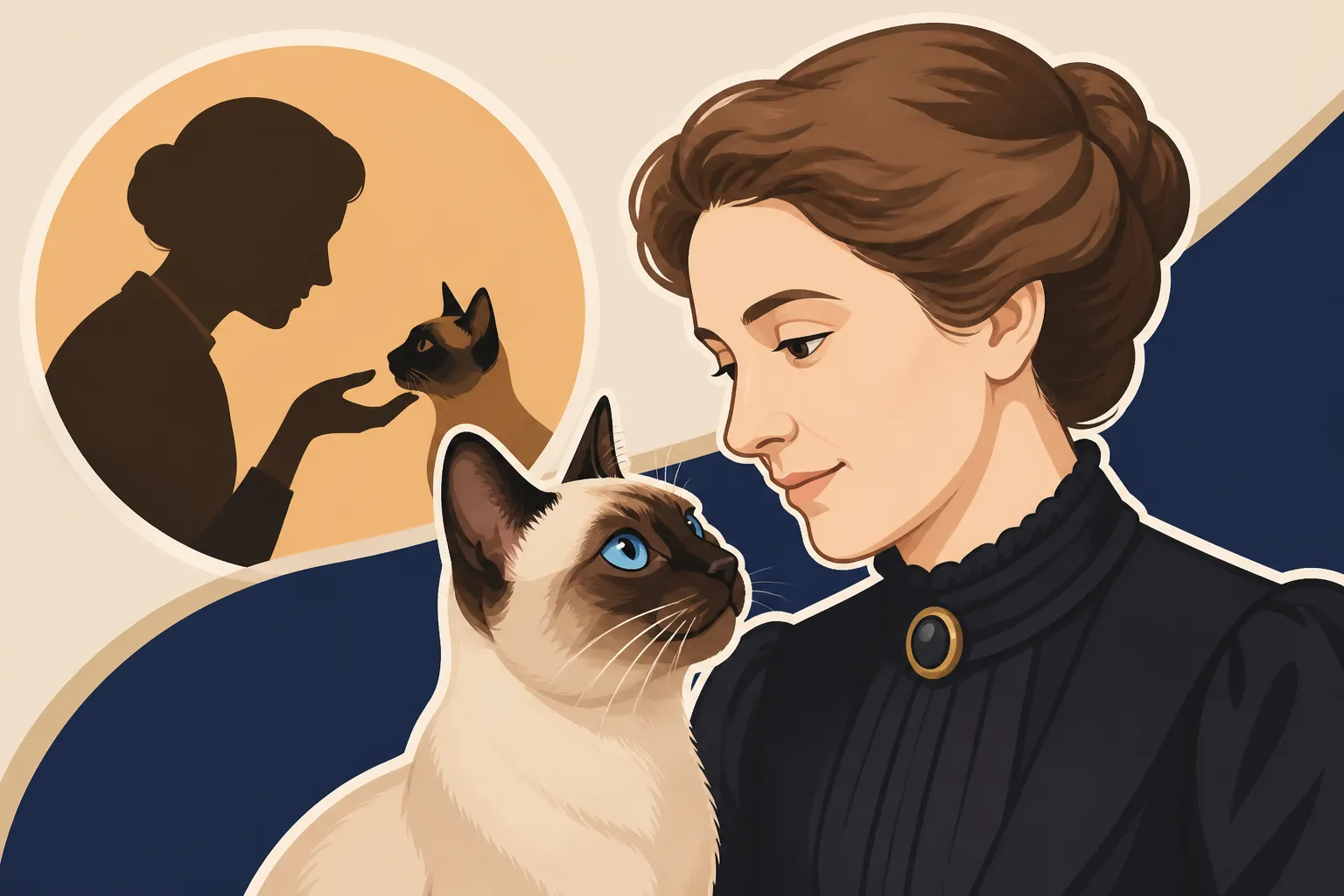
The cat in this story was called Siam. The usual account says that the animal was sent to Lucy Hayes as a gift, making her the person most closely associated with Siam’s arrival at the White House. That connection is why people ask who Lucy Hayes was to the Siamese cat: she was its recipient and a First Lady who became part of the story of the breed’s early arrival in America.
Why the story is linked to her
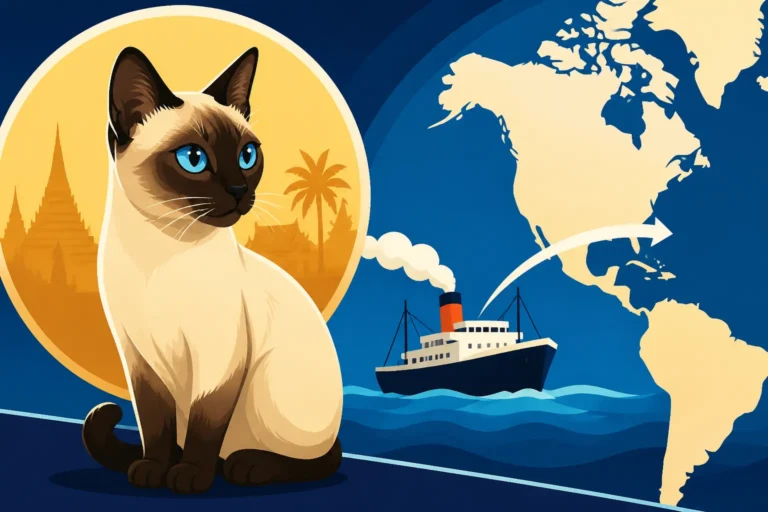
Siam is often identified as the first Siamese cat to reach the United States. Accounts of the gift connect the cat to David B. Sickels, an American official serving in Bangkok, then the capital of Siam. From there, the story reached the Hayes White House and later became a memorable footnote in both presidential and cat-breed history.
The name “Siam” refers to the country now known as Thailand. At the time, Siamese cats were still unusual in the United States, and an arrival from abroad naturally attracted attention. The cat’s connection to a presidential household helped preserve the anecdote, even though it was a brief episode rather than a long record of Lucy Hayes’s life with cats.
For a closer look at the gift and its place in the breed’s history, see Siam, the Siamese Cat Given to the White House in 1878 and Who Sent Siam the Siamese Cat to the Hayes White House. Those accounts focus on the arrival itself; Lucy’s role is best understood as the recipient within that larger story, rather than as a breeder or someone known to have shaped the Siamese breed.
How Siam reached the Hayes White House
The gift from Bangkok
The accepted version of the story identifies Sickels as the person who sent Siam from Bangkok. As an American representative abroad, he had the opportunity to encounter animals and customs unfamiliar to many people in the United States. Sending a Siamese cat to the president’s household would have been an unusual diplomatic gift, and the novelty likely helped make the event memorable.
A useful distinction is that the gift was associated with Lucy Hayes, but that does not prove she had requested a Siamese cat or selected one herself. Historical retellings sometimes compress the chain of events into a simple line: a diplomat sent the cat, and the First Lady received it. That is the clearest way to describe the connection without assigning Lucy a role the record does not establish.
The details also appear in several forms because later summaries often repeat the story with slightly different emphasis. Some foreground the White House, others the cat’s journey from Siam, and others the identity of the official who sent it. For further context, Which Consul Sent the First Siamese Cat to Washington looks at the diplomatic connection, while Which Siamese Cat Reached America First places Siam within the broader question of the breed’s early presence in the country.
What the dates do and do not establish
The story is commonly associated with 1878, though dates in later accounts are not always presented consistently. A date attached to a gift, a departure, or an arrival can easily become a date for the whole event, even when those are separate steps. That is one reason it is wise to treat the year as part of the commonly told account, rather than assume every retelling is recording the exact same moment.
This matters because Siam did not arrive in a world with modern travel records and instant communication. A cat traveling from Bangkok to Washington would have made a long journey, and accounts written later may not preserve every detail of its route. The broad narrative—a Siamese cat sent from Bangkok and received by Lucy Hayes at the White House—is more dependable than every small detail repeated in popular summaries.
| Part of the story | Commonly reported detail | What to keep in mind |
|---|---|---|
| Recipient | Lucy Hayes, First Lady | The gift is associated with her, but there is no need to assume she requested it |
| Cat’s name | Siam | The name refers to the cat’s country of origin |
| Sender | David B. Sickels, an American official in Bangkok | Retellings may describe his diplomatic title in different ways |
| Date | Often connected with 1878 | Accounts can vary on whether they refer to sending or arrival |
| Historical significance | Often called the first Siamese cat in the United States | “First” refers to the commonly recorded arrival, not necessarily every undocumented cat |
If you are researching the story for a family history project or school assignment, phrase the date carefully: “Siam is commonly reported to have arrived during the Hayes administration, often dated to 1878.” That acknowledges the familiar account without turning a detail repeated in later sources into an absolute certainty.
Siam’s life and the legacy of the story
What is known about Siam
The public memory of Siam is stronger than the surviving detail about the cat’s everyday life. The story establishes a name, a connection to the White House, and an association with Lucy Hayes. It does not provide the kind of full biography a modern pet owner might expect, such as a complete veterinary record, detailed temperament notes, or a day-by-day account of the cat’s routines.
Some accounts say Siam died after a short time in the United States. The length of the cat’s life in the White House is consequently discussed in later retellings, but details should be treated with care when they are not consistently recorded. What Happened to Siam the Siamese Cat and How Long Siam the Siamese Cat Lived at the White House explore those parts of the story.
That limited record is not unusual for an animal from the 19th century. A pet could be mentioned in a letter or newspaper and still leave little evidence about its daily care. The fact that Siam’s story survives at all is partly due to the cat’s rarity in America and the prominence of the household that received it.
Why Siam is remembered as the first
Siam’s importance is mainly historical and symbolic. The cat represents an early, widely remembered arrival of the Siamese breed in the United States. It also gives the breed a connection to a presidential household at a time when cats from abroad were far less familiar to American audiences.
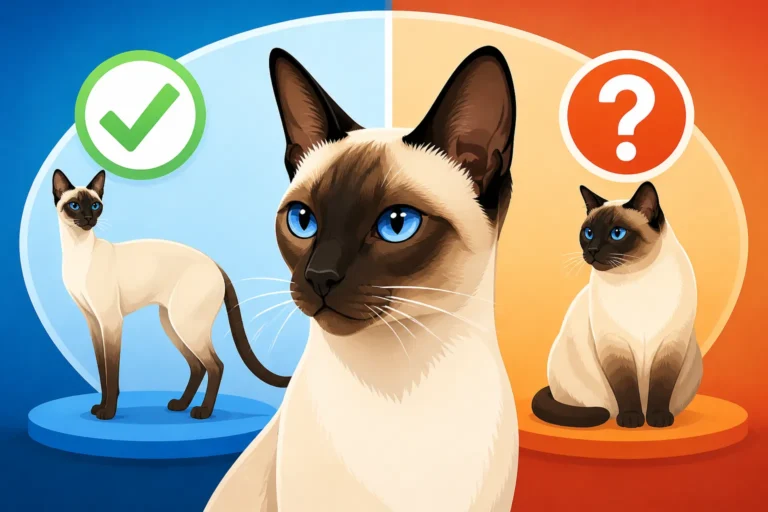
Calling Siam the first Siamese cat in the country should be understood as a statement about the commonly documented story. It is difficult to prove that no Siamese cat had ever arrived privately or gone unrecorded before then. Historical “firsts” often mean the earliest widely acknowledged or documented example, not a guarantee that no earlier instance existed.
The account also shows how a brief event can become part of a breed’s identity. Siam’s story is repeated because it connects a distinctive cat, an overseas journey, and a recognizable American family. For another angle on the cat’s place in the White House, see Whether Siam Was the Only Siamese Cat at the White House and Where Siam the Siamese Cat Is Preserved.
What Lucy Hayes’s connection means for Siamese cat history today
A historical connection, not a breed origin story
Lucy Hayes did not create the Siamese breed, and the White House did not establish its defining traits. Siamese cats originated in Southeast Asia; the Hayes story concerns one cat’s arrival in the United States and the attention that followed. Keeping those points separate avoids turning a memorable anecdote into a claim about the breed’s origins.
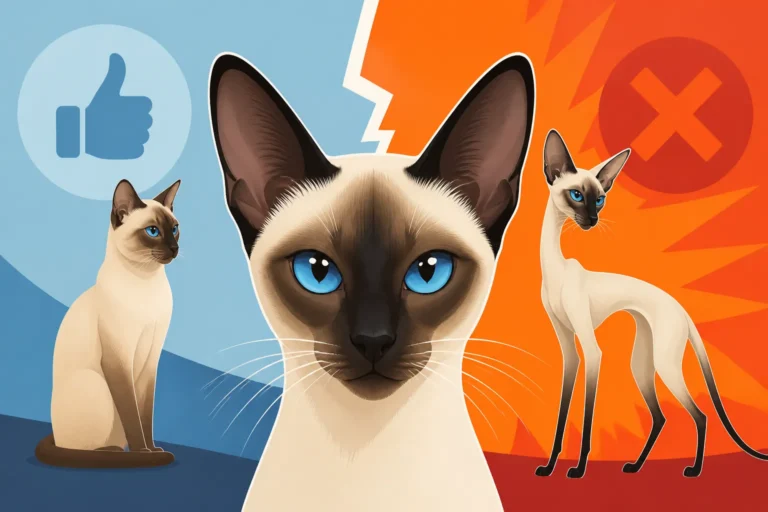
It is also worth remembering that “Siamese” has meant different things in different contexts. The cat’s name and country of origin reflect the terminology of its era, while modern breed standards and registries developed over time. The historical story can introduce the breed, but it cannot by itself explain the full range of Siamese history, appearance, or modern classification.
For readers who want to explore the background beyond the White House, Where the Siamese Cat Comes From provides broader context, while The Siamese Cat Came From Siam, Not Thailand explains the historical naming issue. Those distinctions are useful when discussing the cat’s origins without confusing the 19th-century name of the country with its present-day name.
The modern owner’s connection to an old story
Today, the story can make the breed feel less abstract: a Siamese cat was once an unexpected guest in a presidential household, long before the breed became familiar to many American families. But owning a Siamese now is a different experience from caring for Siam in the 1870s. Modern owners can plan for routine veterinary care, enrichment, food, litter, and a home setup that suits the individual cat.
For someone preparing for a Siamese cat, practical questions matter more than the historical novelty: where the cat will sleep, how its daily care will fit around work, and what supplies are appropriate. Retailers such as Chewy can be one place to compare everyday food and litter options, but a veterinarian is the right person to advise on an individual cat’s nutritional or medical needs. A retailer’s product selection is not a substitute for that advice.
The same distinction applies to toys and home equipment. Chewy may help an owner browse carriers, scratching posts, or puzzle feeders, but the best choice depends on the cat’s size, preferences, and behavior. If a new owner is trying to make a starter list, it is sensible to begin with essentials and adjust once the cat’s habits become clear, rather than assume that a famous historical cat’s needs tell us how every Siamese behaves.
The Lucy Hayes connection is therefore a small but vivid chapter: a diplomat sent a Siamese cat from Bangkok, the First Lady received it, and the cat became part of a story that still prompts questions about the breed’s arrival in America. If the anecdote sparks interest in modern Siamese care, Chewy can be a practical place to compare basic supplies while the cat’s veterinarian guides health-specific decisions.
Disclaimer
This article is for general informational purposes only and does not constitute professional advice. Laws, prices and regulations vary by location and change over time. Consult a qualified professional for guidance on your specific situation.