Who Sent Siam the Siamese Cat to the Hayes White House
Imagine the scene: a bustling White House, full of political intrigue and weighty decisions, and suddenly, a regal, exotic cat from a faraway land arrives, captivating everyone with her striking blue eyes and elegant demeanor. Many of us cat lovers have heard whispers of Siam, the first Siamese cat to grace the halls of the American presidency, but the exact story of her journey and who was responsible for this extraordinary gift often gets lost in the annals of history. This guide will take a deep dive into the fascinating tale of Siam, the groundbreaking feline who arrived at the Hayes White House, and shed light on the diplomatic gesture that brought her to American soil.
The Royal Gift from the Kingdom of Siam
The story of Siam begins not in America, but in the distant Kingdom of Siam, modern-day Thailand. For centuries, these beautiful cats were treasured by royalty and high-ranking officials in their native land, rarely leaving its borders. They were seen as symbols of good fortune and held in high esteem, part of a rich cultural heritage. To send such a cat abroad was no small gesture; it was a mark of deep respect and goodwill, a diplomatic overture wrapped in soft fur and piercing blue eyes.
The choice of a Siamese cat as a gift was deliberate, representing the unique cultural treasures of Siam. These cats were far from common pets; they were exotic, rare, and deeply connected to the kingdom's identity, as detailed in texts like What the Tamra Maew Manuscripts Show About the Siamese Cat. The idea of these ancient felines suddenly appearing in the halls of the American presidency speaks volumes about the early connections forming between nations and the surprising role animals could play in fostering international relations.
A Diplomatic Bridge Across Continents
The late 19th century was a time of burgeoning global diplomacy, with nations seeking to establish trade and political ties across vast distances. Gifts exchanged between heads of state often served as tangible symbols of these budding relationships, and sometimes, those gifts were rather unexpected. A Siamese cat was certainly a conversation starter, far more memorable than a simple scroll or a piece of pottery. It humanized the interaction, creating a softer, more endearing link between the two cultures.
This was less about practical utility and more about symbolic value. The Siamese cat carried with it the mystique and exoticism of its homeland, sparking curiosity and interest in American society. It’s hard to imagine a more effective way to introduce a piece of Siamese culture to a foreign land than through a living, breathing, utterly charming creature that would quickly become the talk of the town, or in this case, the talk of Washington D.C.
The Role of Ambassadorial Exchange
Ambassadors and diplomatic envoys were the critical bridge-builders in this era. Their work extended beyond formal negotiations; it often involved cultural exchange and the conveyance of personal regards between leaders. The choice of gift, whether it was a prized animal or a work of art, was carefully considered to reflect the sentiment and intent of the sending nation. It was a clear signal of esteem, hoping to foster a friendly response.
This act highlights the personal touch often involved in diplomacy before the age of instant communication. A physical gift, especially one as unique as a Siamese cat, required careful planning and execution, reflecting a genuine effort to connect on a personal, as well as political, level. It paved the way for future interactions and helped to establish a positive precedent for diplomatic exchanges.
The Man Who Delivered Siam: David B. Sickels
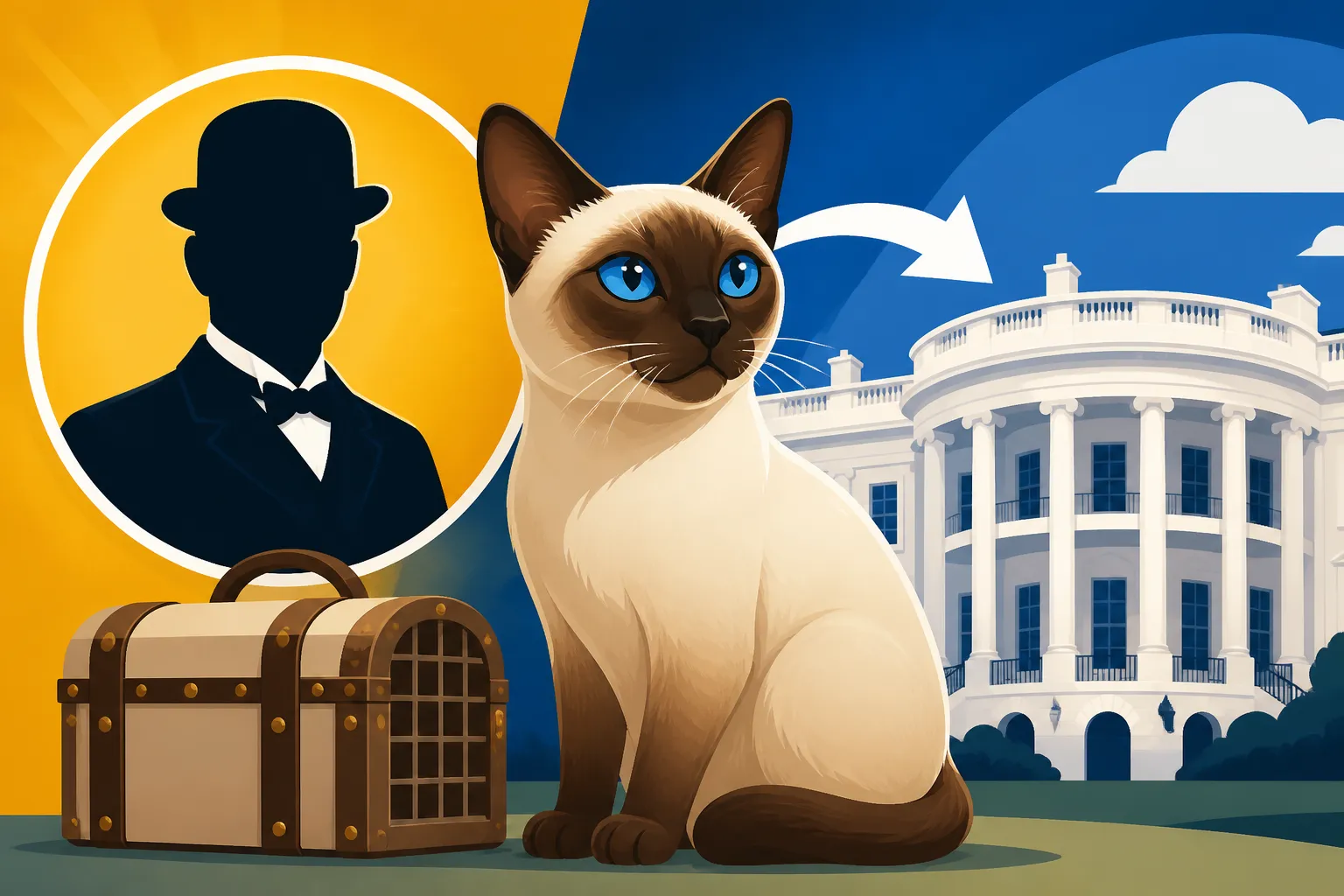
The individual responsible for bringing Siam to the White House was David B. Sickels, a United States Consul. His story is intrinsically linked to Siam's journey, embodying the adventurous spirit of 19th-century diplomacy. Sickels was serving in Bangkok, the capital of Siam, during the presidency of Rutherford B. Hayes. It was his unique position and relationship with the Siamese court that facilitated this extraordinary gift.
Sickels wasn't just any diplomat; he was deeply involved in establishing and maintaining relations between the U.S. and Siam. His work would have involved understanding the local culture and customs, which undoubtedly included an appreciation for the kingdom's beloved felines. It's plausible that he saw the potential for such a gift to make a significant impression back home, a delightful talking point that could soften political edges.
A Journey from Bangkok to Washington D.C.
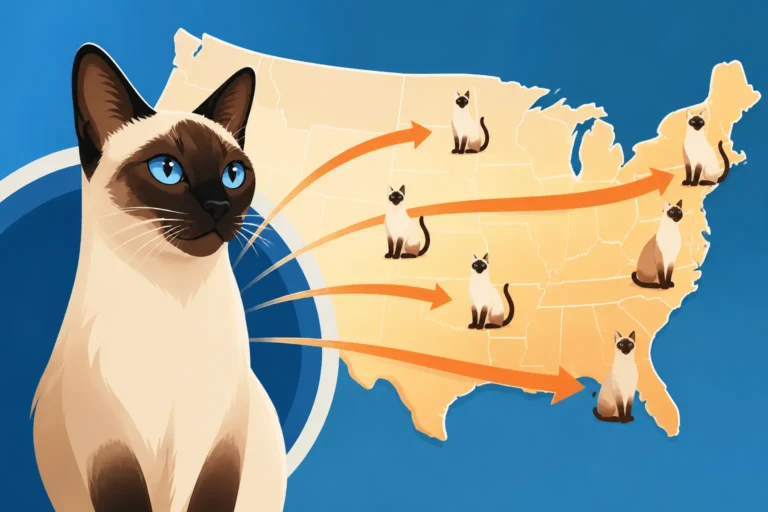
Imagine the logistics of transporting a delicate, exotic cat halfway across the world in the late 1800s. There were no climate-controlled airplane cabins or dedicated pet travel services. The journey from Bangkok to Washington D.C. would have been arduous, likely involving a long sea voyage and then overland travel. It speaks to the dedication of Sickels and his team that Siam arrived safely. This wasn't a quick trip you could book on a modern pet carrier like those you find on Chewy today.
The conditions would have been challenging, requiring constant care and attention to ensure the cat's health and comfort. This personal oversight highlights the value placed on the gift itself. It wasn't just a package; it was a living emblem, and its safe delivery was paramount to the success of the diplomatic gesture. The journey itself becomes part of Siam's legend, a testament to her endurance and the commitment of those who transported her.
The Recipient: First Lady Lucy Hayes
While the gift was officially intended for President Rutherford B. Hayes, it was his wife, First Lady Lucy Hayes, who truly embraced Siam. Lucy Hayes was known for her kindness and her love of animals, making her the perfect recipient for such a unique pet. Her welcoming nature ensured that Siam found a comfortable and loving home in the White House, far from her native land.
Lucy Hayes's affection for Siam quickly became well-known, charming the American public. This personal connection between the First Lady and the exotic cat further cemented Siam's place in American history, turning her into more than just a diplomatic token – she became a beloved family member. It added a layer of warmth and domesticity to the often-stuffy political environment of the White House.
Siam's Life and Legacy in the White House
Siam quickly became a celebrated resident of the White House. She wasn't just any cat; she was the Siamese cat, a living, breathing piece of international intrigue. Her unique appearance and lively personality endeared her not only to the Hayes family but also to visitors and the American public, who were fascinated by this exotic creature in such an iconic setting.
Her arrival sparked a broader interest in Siamese cats across America. Prior to Siam, the breed was virtually unknown in the United States. Her presence in the White House acted as a powerful introduction, igniting a fascination that would eventually lead to the breed's widespread popularity. It's a prime example of how even a single animal can leave an indelible mark on cultural trends.
Adjusting to Presidential Life
Life in the White House must have been quite a change for a cat from the Kingdom of Siam. While she was undoubtedly pampered, the constant flow of dignitaries, staff, and public events would have been a stark contrast to her probable upbringing in a royal Siamese household. Yet, by all accounts, Siam adapted well, becoming a calm and charming presence amidst the presidential hustle and bustle.
Her ability to integrate into such a high-profile, busy environment speaks to the adaptable nature of Siamese cats, even back then. They are known for their intelligence and social personalities, traits that would have served Siam well in her new, public role. It reminds us that even today, when considering Whether a Siamese Cat Suits a Busy Household, their inherent qualities often make them remarkably resilient.
The Impact on American Cat Culture
Siam's celebrity status had a lasting impact. Her image graced newspaper articles and illustrations, introducing Americans to the distinctive "pointed" coloration and slender physique of the Siamese cat. This media exposure was invaluable, transforming the breed from an obscure foreign curiosity into a desirable companion animal. It essentially launched the Siamese cat as a recognized and admired breed in the United States.
Before Siam, most Americans would have only known common domestic shorthairs. Her striking appearance, particularly her blue eyes and color points (which many people still wonder about, as discussed in Why a Siamese Cat Has Dark Points), was a revelation. It paved the way for future imports and the establishment of Siamese cat breeding programs in the country, forever changing the landscape of American cat fancy.
The Tragic End and Enduring Memory
Sadly, Siam's time at the White House was not as long as her human companions might have wished. She passed away during President Hayes's term, leaving behind a family and a nation saddened by her loss. Her death, though a personal tragedy for the Hayes family, was also noted publicly, a testament to her unexpected fame.
Even in death, Siam's significance continued. Her passing prompted public sympathy and cemented her place in the history of presidential pets. She wasn't just a temporary guest; she had become an integral part of the White House narrative, a cherished member of the First Family who had captured hearts across the country.
Remembering Siam's Contribution
Siam's contribution went far beyond mere companionship; she was a pioneer. She opened the door for Siamese cats in America and highlighted the power of cultural exchange through living gifts. Her legacy lives on in the countless Siamese cats that have since enriched American homes, a direct result of the curiosity and admiration she first inspired. It's a reminder of how seemingly small gestures can have far-reaching effects.
Her story is a charming footnote in diplomatic history, illustrating that even in serious political arenas, there's room for the warmth and connection that animals bring. She personified a bridge between two cultures, all while being a graceful, vocal feline. To this day, when we admire the unique beauty of a Siamese cat, it's worth remembering the original White House Meezer.
Modern Siamese Cat Care: Lessons from History
While Siam’s time was in a different era, the core needs of a Siamese cat remain the same: love, attention, proper nutrition, and stimulation. Today, we have the benefit of advanced veterinary care, specially formulated diets, and a vast array of enrichment options. If you're lucky enough to have a Siamese in your life, providing them with the best is easier than ever.
For instance, finding high-quality, protein-rich food suitable for a lean, energetic Siamese cat like Feeding a Lean Siamese Cat That Burns Everything is simple with online retailers like Chewy. You can also easily source interactive toys, scratching posts, and cozy beds to keep your clever and active Siamese engaged and comfortable. From ensuring they have enough How Much Play a Siamese Cat Needs to choosing the right Which Litter Box Suits a Siamese Cat, modern resources make providing optimal care a breeze, a stark contrast to the limited options available during Siam's era.
Frequently Asked Questions About Siam the White House Cat
People often have many questions about this historical feline, reflecting a deep curiosity about her life and the circumstances of her arrival. Her story continues to fascinate, connecting us to a unique moment in presidential and feline history.
How Long Did Siam Live in the White House?
Siam lived with the Hayes family in the White House for a relatively short period, arriving in 1878 and sadly passing away in 1879 due to an illness. Her time there was impactful despite its brevity. She made a significant impression on the family and the public in that short span, cementing her place in history long after her passing.
Her limited lifespan at the White House is a poignant reminder of the challenges of veterinary care in the 19th century compared to today. Modern medicine and diagnostics, such as those that might detect What Amyloidosis Does to a Siamese Cat or treat Asthma in a Siamese Cat, were simply not available, making the loss of pets to illness far more common and often swift.
Was Siam the Only Siamese Cat in the U.S. at the Time?
While it's difficult to say with absolute certainty, Siam was very likely one of the first, if not the very first, Siamese cats to be officially brought into the United States and certainly the first to gain such public prominence. Prior to her arrival, the breed was virtually unknown outside of its native Siam and a few parts of Europe. Her status as a diplomatic gift ensured her unique position.
Her arrival was a landmark event, essentially introducing the breed to the American public. Before Siam, descriptions of these cats were largely confined to exotic travel accounts or zoological observations. Her visible presence in the White House made them real and tangible to a wide audience, sparking a lasting interest in the breed.
What Happened to Siam After Her Death?
After Siam's death in 1879, her body was reportedly preserved. President Hayes himself made arrangements for her to be mounted and displayed, a common practice for cherished pets of that era, though it might seem unusual to us today. This decision reflects the deep affection the Hayes family had for her and her unique status as a presidential pet.
The preservation of Siam served as a tangible memorial, ensuring that her presence could be remembered and perhaps even seen by future generations. It underscored her significance not just as a pet, but as a historical artifact in her own right, a physical link to a unique chapter in American and feline history. It’s a stark contrast to how we memorialize pets today, perhaps with a beautiful urn or a custom portrait ordered from Chewy.
| Event | Year | Significance | Key Figures Involved |
|---|---|---|---|
| Siamese Cat Gift Initiated | 1878 | Kingdom of Siam offers a diplomatic gift to the U.S. | King of Siam, David B. Sickels |
| Siam Arrives in Washington | 1878 | First documented Siamese cat in the U.S. White House | David B. Sickels, Rutherford B. Hayes |
| Lucy Hayes Adopts Siam | 1878 | First Lady embraces the cat, making her a family pet | Lucy Hayes |
| Siam's Passing | 1879 | Death of the famous White House feline | Hayes Family |
| Siam's Legacy Endures | Ongoing | Inspired American interest in Siamese cats | Cat fanciers, historians |
Disclaimer
This article is for general informational purposes only and does not constitute professional advice. Laws, prices and regulations vary by location and change over time. Consult a qualified professional for guidance on your specific situation.