Which Siamese Cat Reached America First
Many Siamese cat enthusiasts find themselves lost in the mists of history, trying to trace the fascinating journey of these distinctive felines to the Western world. It’s a common frustration to encounter fragmented anecdotes and conflicting reports when you're trying to pinpoint the true "first" Siamese cat to grace American shores. This comprehensive guide will delve into the intriguing narrative of how these elegant, vocal companions made their grand debut in the United States, exploring the pioneering arrivals and their lasting impact.
The Ancient Roots of the Siamese Cat
Before we can appreciate their arrival in America, it's crucial to understand the deep, royal heritage of the Siamese cat. These aren't just any felines; they come from a lineage steeped in tradition and mystery, originating from a land known today as Thailand, but historically as Siam. Their story began long before any stepped paw on American soil, within the ornate palaces and temples of Southeast Asia.
From Royal Palaces to Western Shores
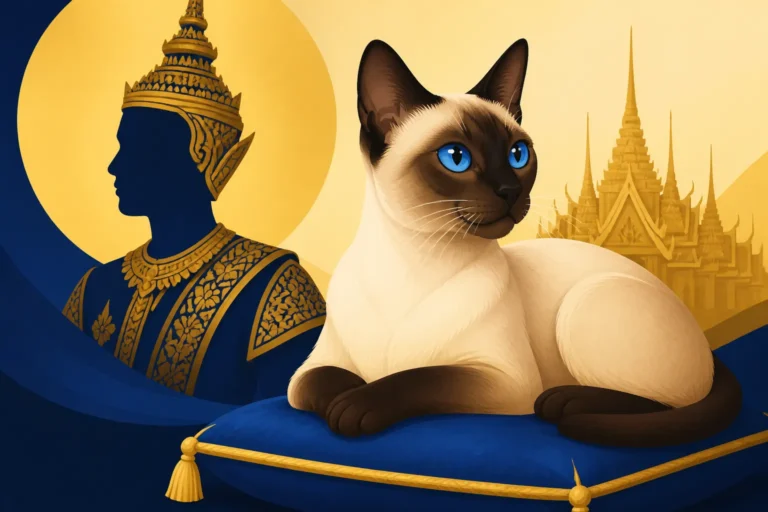
The Siamese cat, with its striking color points and piercing blue eyes, was originally known in its homeland as the Wichianmat. These cats were far from common house pets; they were cherished companions of royalty and revered inhabitants of temples. For centuries, they lived a life of privilege and seclusion within the courts of Siam, rarely seen by outsiders and even more rarely allowed to leave the kingdom. This exclusivity only added to their allure when tales of these exotic cats began to filter out to Western explorers and diplomats. Imagine the astonishment of people accustomed to domestic tabbies and solid-colored barn cats when confronted with the sleek, color-pointed beauty and vocal personality of a Siamese. Their very existence was shrouded in a captivating mystique that captivated those who heard of them, making them objects of intense desire for collectors and enthusiasts in Europe and eventually, America. Their journey from these guarded palaces to becoming one of the most beloved breeds globally is a testament to their undeniable charm and unique characteristics.
The Mystique of the Wichianmat
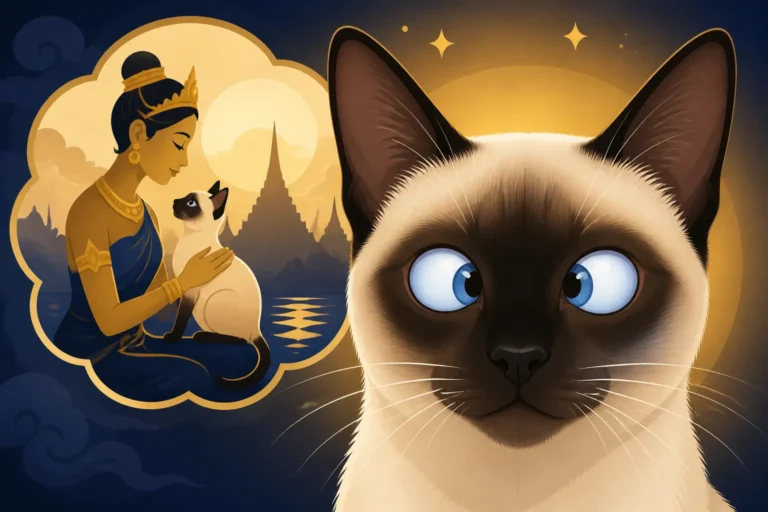
The term "Wichianmat" translates roughly to "moon diamond," a fitting name for a cat whose striking appearance seems almost otherworldly. These cats were depicted in ancient manuscripts such as the What the Tamra Maew Manuscripts Show About the Siamese Cat, which date back to the 14th century, long before any Westerner would lay eyes on them. These historical texts described their unique coloration, sleek bodies, and distinctive voices, cementing their place in Siamese culture and mythology. Legends abound, such as those explaining Why a Siamese Cat's Eyes Cross and Its Tail Kinks, linking them to temple guardians and royal treasures. The mystique surrounding the Wichianmat wasn't just about their looks; it was about their very essence – their intelligence, their demanding yet affectionate nature, and their powerful, unforgettable vocalizations. This deep cultural reverence meant that parting with a Wichianmat was no small matter. It took diplomatic finesse and genuine interest from Western powers to eventually allow these precious animals to leave their homeland, making each early export an event of considerable historical significance.
Europe's First Glimpse of the Siamese
While our focus is on America, understanding the Siamese cat's initial reception in Europe is vital, as it laid the groundwork for their transatlantic journey. It was primarily through British connections that the world outside Siam first came to truly appreciate these magnificent felines.
The British Connection and Early Exhibitions
The official introduction of Siamese cats to the Western world is often attributed to the late 19th century. In 1884, the British Consul-General in Bangkok, Edward Blencowe Gould, brought a pair of Siamese cats named Pho and Mia back to the United Kingdom as a gift for his sister, Lilian Gould. These two cats, along with their three kittens, made their public debut at the Crystal Palace Cat Show in London in 1885. This exhibition was a sensation! The public was captivated, bewildered, and sometimes even a little frightened by their unusual appearance – their slender bodies, wedge-shaped heads, and dark points were unlike anything seen before. Critics initially described them as "unnatural" or "nightmarish," but the fascination they ignited was undeniable. This public exposure was critical, creating an immediate buzz and a growing demand for these exotic "Royal Cats of Siam." It set in motion the process of establishing the breed in the West, leading to more imports and the eventual formation of breed clubs. For more on this, you can look at Who Brought the First Siamese Cat to Britain.
Building Excitement Across the Atlantic
News of these exotic "Royal Siamese Cats" quickly traveled beyond British shores, reaching eager ears in the United States. American cat fanciers and curious minds read about the sensational Crystal Palace exhibit, sparking an intense desire to import these unique creatures themselves. The idea of owning such a rare and distinctive animal, one previously reserved for Siamese royalty, was incredibly appealing. This growing transatlantic excitement created a receptive audience and a burgeoning market for the breed in America. While Britain was ahead in establishing breeding programs and show standards, the American interest was simmering, waiting for the right moment for their own grand entrance. The initial European fascination wasn't just a fleeting trend; it was the spark that ignited a global love affair with the Siamese, setting the stage for their eventual journey across the vast ocean to a new continent.
Siam: The Feline Ambassador to the White House
When discussing the first Siamese cat in America, one name invariably comes up: Siam. This particular cat holds a special place in history, not just for being an early arrival, but for residing in one of the most prominent homes in the United States.
President Hayes and the Gift from the Orient
The most widely accepted account of the first Siamese cat to reach America involves none other than the White House. In 1878, President Rutherford B. Hayes and his wife Lucy received a truly extraordinary gift: a Siamese cat. This cat, appropriately named Siam, was sent from David B. Sickels, the American Consul in Bangkok, as a present for Mrs. Hayes. Can you imagine the surprise and delight of receiving such an exotic and rare creature at a time when most Americans had never even heard of, let alone seen, a Siamese cat? Siam arrived at the White House by steamship, a long and likely stressful journey for any animal, let alone one of such delicate breeding. Who Sent Siam the Siamese Cat to the Hayes White House provides further insight into this fascinating diplomatic gesture. Siam’s arrival wasn't just a personal gift; it was a cultural exchange, an ambassador in feline form, bridging two very different worlds. This made Siam an instant celebrity, turning the White House into a temporary home for a truly unique international guest.
Life as America's First Feline Celebrity
Siam quickly became a beloved fixture in the Hayes household. Descriptions from the time speak of a strikingly beautiful cat, with the characteristic dark points and blue eyes that we still associate with the breed today. As the first known Siamese cat in the country, Siam was undoubtedly a sensation, drawing curiosity and admiration from all who visited the White House. While we don't have detailed daily logs of Siam's activities, we can imagine this intelligent and vocal cat exploring the grand halls, perhaps even "conversing" with the presidential family with its distinctive "meezer yowl." The care of such a novel pet would have been quite different from today. Imagine trying to find suitable, high-quality cat food or enrichment toys for such an exotic animal back then – there certainly wasn't a comprehensive online pet supply store like Chewy to order from! Pet ownership was much more rudimentary. Sadly, Siam's time in the White House was relatively short, passing away within a year of arrival. How Long Siam the Siamese Cat Lived at the White House explores the details of this brief but impactful residency. Despite the brevity, Siam's presence left an indelible mark, introducing Americans to the charm and allure of the Siamese cat and sparking an interest that would only grow in the decades to come.
Beyond the White House: The Spread of Siamese Cats in America
While Siam at the White House holds the distinction of being arguably the first widely known Siamese cat in America, it's important to remember that trade and travel were increasing. Other individuals and small groups of cats were certainly making their way to the country, solidifying the breed's foothold.
Early Breeders and Enthusiasts
Following Siam's initial celebrity, and as more people traveled internationally, other Siamese cats began to arrive in the United States. These weren't necessarily under the same spotlight as a presidential pet, but they were crucial for establishing the breed beyond a single novelty. Private individuals, often wealthy travelers or diplomats, imported these exotic felines, driven by a fascination for their unique beauty and personality. These early enthusiasts faced considerable challenges. Imagine the logistics of transporting delicate cats across oceans by ship in the late 19th and early 20th centuries – it was a true labor of love and expense. There was also the challenge of finding suitable mates for breeding, as the gene pool was incredibly small. Breeders worked diligently to understand the genetics of their new charges, grappling with everything from ensuring healthy litters to understanding Why a Siamese Cat Kitten Is Born White and how their points developed. These pioneering breeders laid the foundational bloodlines for many of the Siamese cats we know and love today, often relying on anecdotal experience rather than the wealth of scientific information and readily available resources that modern breeders and owners can access, for example, through platforms like Chewy for specialized diets and supplements.
The Rise of Siamese Cat Clubs
As the number of Siamese cats and their dedicated owners grew, so did the desire for organization and standardization. This led to the formation of early cat clubs, mirroring similar movements in Britain and other parts of Europe. One of the earliest and most influential was the Siamese Cat Society of America, founded in 1909. These clubs were vital in several ways: they provided a forum for breeders and owners to share knowledge and experiences, establish breed standards (defining what a "true" Siamese should look like), and organize cat shows. These shows were crucial for showcasing the breed to a wider public and for allowing breeders to evaluate and improve their lines. The existence of a formal club meant that the Siamese cat was no longer just a rare curiosity but a recognized and respected breed, contributing to the broader cat fancy movement in the United States. This organized effort was fundamental to the successful proliferation of Siamese cats across the country, transforming them from exotic imports into a beloved and increasingly common household pet.
The Lasting Impact of These Early Arrivals
The early arrivals of Siamese cats in America, particularly the presidential feline Siam, had a profound and enduring impact that shaped the breed's future and cemented its place in American hearts. These pioneering cats set the stage for decades of fascination and dedication.
Shaping the Breed's Future in the US
The initial cats imported into the US formed the genetic foundation for the entire American Siamese population. Early breeders, with their limited stock, carefully selected animals for breeding, inadvertently influencing the direction the breed would take. This era saw the initial development of what would become the distinctive "wedge" head type, which diverged from the more traditional "applehead" or "round head" Siamese seen in some historical depictions. The desire for a more refined, angular look became a defining characteristic for show Siamese in America, a trend that began with the progeny of these first imports. Understanding this history helps us appreciate the nuances in the breed today, as discussed in How the Siamese Cat's Head Changed Shape in Fifty Years. The influence of these early cats wasn't just about appearance; it was also about establishing a consistent temperament and vocal quality, traits that have become synonymous with the breed. Without these brave, early feline travelers, the American Siamese cat as we know it simply wouldn't exist. Their genes, their traits, and their very existence laid the blueprint for a lineage that continues to thrive.
How Early Perceptions Influenced Popularity
The novelty and exoticism of the first Siamese cats naturally generated immense public interest. Siam’s residency in the White House ensured nationwide attention, portraying the breed as sophisticated, intelligent, and a symbol of international intrigue. This early perception significantly boosted the breed's popularity among those seeking an unusual and engaging pet. People were drawn to their striking looks and unique vocalizations, a far cry from the more common domestic shorthairs. This initial widespread fascination translated into sustained demand, encouraging more imports and the expansion of breeding programs. The very idea of owning a cat with such a distinguished history and striking presence made them highly desirable. This surge in popularity meant that more homes opened up to Siamese cats, moving them from exclusive presidential pets to cherished family members. The demand also ensured that the infrastructure for cat care and supplies would grow, leading to a vibrant pet industry where owners can now easily find everything their Siamese might need, from specialized cat food to interactive toys, often through convenient online platforms like Chewy, a far cry from the rudimentary options available to Siam's early caregivers.
Understanding the "First" Siamese Cat in America
When we talk about the "first" anything in history, there's always a bit of nuance. Was it the first documented? The first to survive? The first to breed? With the Siamese cat, the answer leans heavily towards the first publicly recognized and documented arrival.
The Significance of Documentation
In historical contexts, "first" often refers to the first documented instance, as undocumented events, no matter how early, are impossible to verify. While it's certainly possible that individual sailors or travelers might have brought an undocumented Siamese cat to American shores even earlier than 1878, Siam's arrival at the White House holds a unique and verifiable place in history. The prestige of the White House, combined with consular records and contemporary news reports, solidified Siam's status as the most prominent and widely recognized first Siamese cat in the United States. Without such records, any claims of earlier arrivals remain speculative. This is why when people ask Which Siamese Cat Reached America First, Siam is almost always the answer that comes to mind. It's not just about being first, but about being known and recorded as first, allowing historians and breed enthusiasts alike to trace a clear lineage back to this pivotal moment. This documentation provided a tangible starting point for the breed's history in America, something invaluable for understanding its development and growth.
Distinguishing Anecdote from Established Fact
The world of pet history is often rich with charming anecdotes and local legends, and the story of the Siamese cat is no exception. You might hear whispers of other cats arriving earlier in various ports or with different families. However, without credible, contemporary evidence – such as official correspondence, newspaper articles, or verifiable personal records – these stories remain just that: anecdotes. While they add to the breed's mystique, they don't hold the same historical weight as the well-documented account of Siam. The distinction between a captivating story and an established historical fact is crucial for accurately understanding the breed's journey. It highlights the importance of historical records and public recognition in solidifying such claims. So, while we can enjoy the tales, the White House cat, Siam, stands firm as the benchmark for the Siamese cat's debut in America, a testament to the power of official documentation and widespread public acknowledgment.
A Timeline of Siamese Cat Arrival in the West
To help visualize the early journey of the Siamese cat, here is a concise timeline focusing on their initial documented appearances in Western nations, culminating in their arrival in America.
| Year | Event | Location | Key Individuals | Significance |
|---|---|---|---|---|
| Before 1870s | Unofficial, sporadic imports | Europe, US (speculative) | Various travelers, sailors | Likely small numbers, no widespread recognition |
| 1871 | First known exhibition of Siamese cats | Crystal Palace, London, UK | Mr. P. Veley | Public debut in the West, caused a stir |
| 1878 | Siam the Siamese cat arrives at White House | Washington D.C., USA | President Rutherford B. Hayes, Consul David B. Sickels | First documented, well-known Siamese in America |
| 1884 | Pho and Mia brought to Britain | UK | Edward Blencowe Gould | Established initial breeding stock in Britain |
| 1885 | Pho and Mia exhibited with kittens | Crystal Palace, London, UK | Lilian Gould | Further cemented British interest, widely publicized |
| 1909 | Siamese Cat Society of America founded | USA | Various enthusiasts/breeders | Formal organization for breed development in America |
This timeline clearly shows how Siam's arrival in America was a significant event, nestled within a broader period of Western discovery and fascination with the breed. The path from the secretive royal courts of Siam to the prominent halls of the White House was indeed a remarkable one for these distinctive felines.
Disclaimer
This article is for general informational purposes only and does not constitute professional advice. Laws, prices and regulations vary by location and change over time. Consult a qualified professional for guidance on your specific situation.