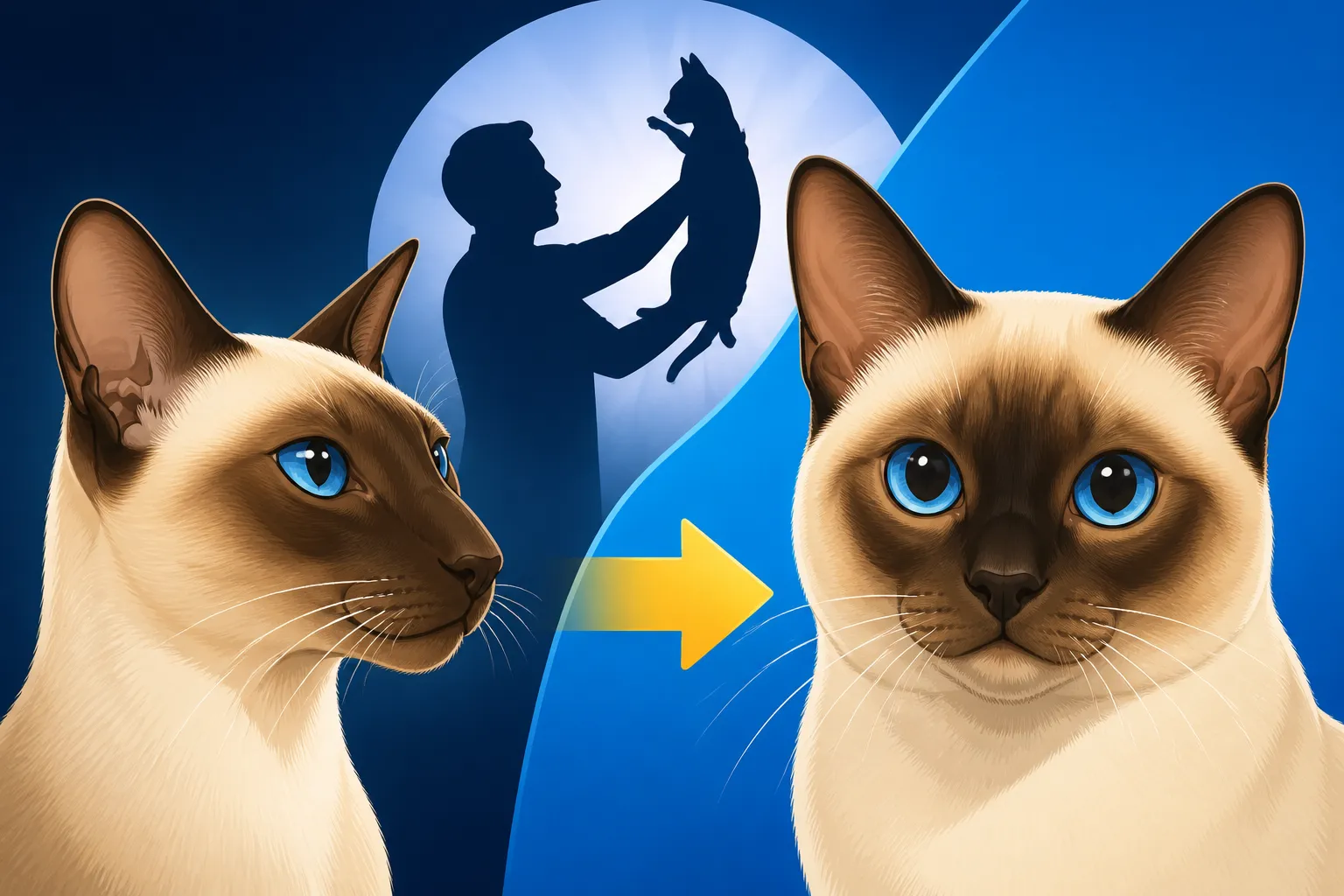
Why Show Breeders Changed the Siamese Cat’s Head
It can be incredibly confusing to look at photographs of Siamese cats from different eras and wonder if you're even looking at the same breed. The change is so dramatic that it often leaves new owners and even long-time enthusiasts scratching their heads, wondering why such a beloved and distinctive breed underwent such a radical transformation. This guide will unravel the fascinating, and sometimes contentious, story of how selective breeding reshaped the Siamese cat's head, from its more rounded, traditional origins to the sleek, angular "wedge" we often see in show rings today.
The Siamese Cat's Earliest Appearance
Before the Siamese cat captured hearts in the Western world, it was known in its homeland of Siam (modern-day Thailand) by a different name and possessed a distinctly different look than many of today's show cats. Understanding this original form is key to grasping the journey of its physical evolution.
Descendants of Ancient Siam
The Siamese cat, or "Wichianmat" as it was known in its native land, has a long and storied history, chronicled in ancient manuscripts like the What the Tamra Maew Says About the Siamese Cat. These records depict a cat that was revered, often associated with royalty and temples. When these cats first arrived in the West in the late 19th century, they were exotic and captivating. Imagine the excitement and curiosity when the first pairs of these mysterious felines arrived on foreign shores – their striking point coloration and vocal nature were unlike anything seen before. They brought with them a sense of ancient mystique and quickly became highly sought-after companions. The Siamese Cat Came From Siam, Not Thailand provides more insight into their origins.
The Original "Applehead" Aesthetic
The earliest Siamese cats to reach the West, and those depicted in ancient texts, had a distinctly different head shape than many modern show cats. Often referred to as "appleheads" or "traditional" Siamese, these cats possessed a more rounded skull, with a gentle, moderate wedge shape. Their ears were proportionate to their head, not excessively large, and their body, while elegant, was often stockier and less elongated than what became fashionable later. Think of a charming, slightly chubby-cheeked cat with large, expressive blue eyes. This original look was robust and balanced, appealing to many who fell in love with the breed's personality as much as its appearance. What an Applehead Siamese Cat Looks Like details these charming features.
The Show Ring's Influence and Evolving Standards
The moment a breed enters the competitive world of cat shows, its physical characteristics become subject to interpretation and refinement by judges and breeders. For the Siamese, this meant a gradual but profound shift in what was considered the ideal "look."
Early Western Preferences
When Siamese cats were first introduced to Western cat fancy, the initial standards, while recognizing their unique point coloration and blue eyes, didn't specify an extreme head type. Early breeders and judges appreciated their overall elegance, intelligence, and vocal nature. The cats were admired for their distinct "foreign" appearance, which was already quite different from the native cats of Europe and America. There was a general understanding of their slender bodies and distinctive markings, but the drive for a dramatically altered skull structure hadn't yet taken hold. The focus was more on maintaining the purity of the imported lines and ensuring good health, rather than pushing for exaggerated features.
The Gradual Shift to Extremity
Over time, as the Siamese gained popularity and more cats entered the show ring, breeders began to select for traits that made their cats stand out. This often led to an emphasis on certain features, pushing them further and further. What started as a preference for a more refined, less rounded head gradually morphed into a desire for a longer, more angular face. Judges, in turn, began to reward these exaggerated features, creating a feedback loop: breeders produced cats with these traits to win, and winning cats set the new standard for the breed. This slow but persistent selection for an increasingly extreme profile marked the beginning of the journey from the moderate applehead to the striking modern wedge. How the Applehead Siamese Cat Became the Wedge delves deeper into this transformative process.
Wedge Head Versus Applehead: A Tale of Two Looks
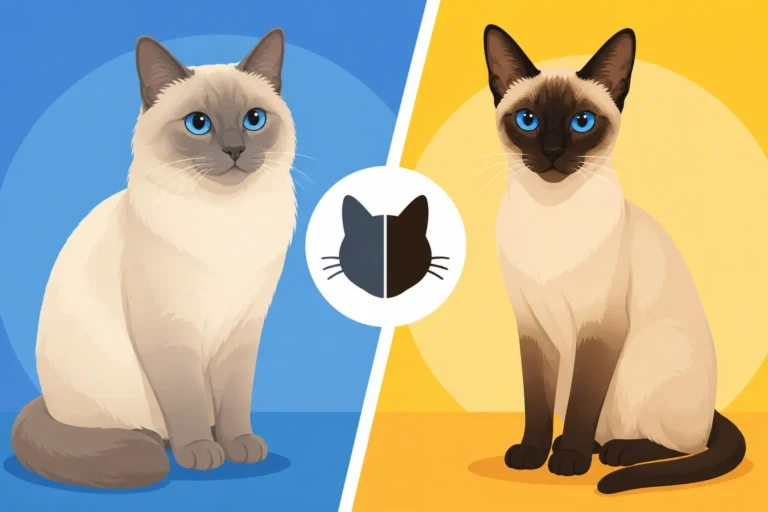
The contrast between the "applehead" and "wedge" Siamese is one of the most striking examples of how selective breeding can dramatically alter a breed's appearance within a relatively short period. They are often seen as two distinct types, though they belong to the same historical lineage.
Defining the Modern Wedge
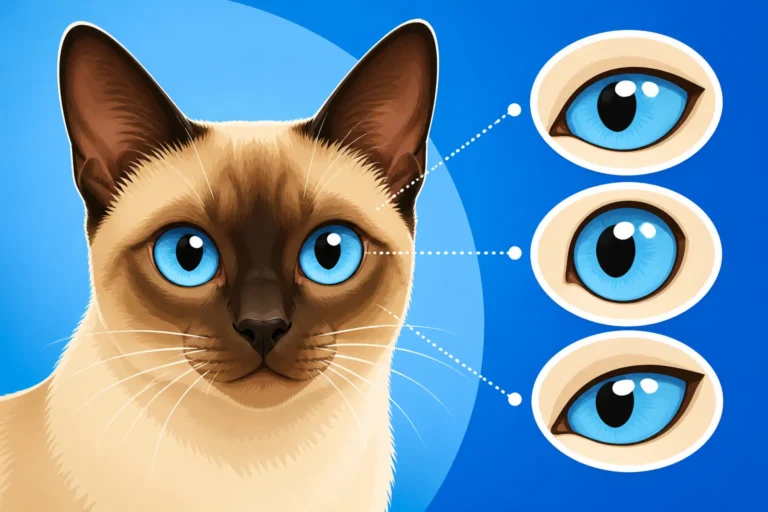
The "modern wedge" Siamese, often seen in contemporary cat shows, is characterized by its exceptionally long, tubular body, slender legs, and a distinctive head shape that tapers evenly from the ears to a fine muzzle, forming a perfect triangle or "wedge." The ears are strikingly large and wide-set, continuing the lines of the wedge. Their eyes are typically almond-shaped and slanted, giving them an exotic, almost oriental expression. This look is all about sleek lines, sharp angles, and an overall impression of extreme refinement and elegance. When you see a modern wedge, there's no mistaking its aristocratic, almost alien beauty, a stark contrast to its more traditional ancestors. What a Modern Wedge Siamese Cat Looks Like illustrates these characteristics.
The Enduring Charm of the Applehead
Despite the dominance of the wedge in many show circuits, the "applehead" or "traditional" Siamese still holds a special place in the hearts of many cat lovers. These cats retain the more rounded head, sturdier build, and less extreme features of the original Siamese that were imported centuries ago. Their faces are broader, their muzzles less pointed, and their ears are more moderately sized. They often have a slightly softer, more "classic" cat look, which many find incredibly endearing and comforting. For some, the applehead represents the true historical essence of the breed, a living link to the cats of ancient Siam. Owners often appreciate their robust nature and charming, often mischievous, personalities. Many people prefer this look and actively seek out breeders who specialize in the traditional type.
Here’s a quick comparison of their distinguishing features:
| Feature | Traditional "Applehead" Siamese | Modern "Wedge" Siamese |
|---|---|---|
| Head Shape | Rounded, broad skull, moderate wedge | Long, tapering wedge from ears to muzzle, triangular |
| Ears | Medium-sized, set proportionate to head | Large, wide-set, continuing the lines of the wedge |
| Body | Muscular, slightly cobby or semi-cobby, medium-boned | Long, tubular, svelte, fine-boned |
| Eyes | Blue, more rounded, often less slanted | Deep blue, almond-shaped, slanted towards the nose |
| Muzzle | Fuller, less pointed | Fine, delicate |
| Profile | Gentle curve from forehead to nose | Straight line from forehead to nose, often flat |
| Overall Look | "Old-style," robust, classic feline appearance | "Modern," extremely refined, angular, sometimes "alien" |
Driving Forces Behind the Change
Understanding what happened to the Siamese cat's head shape is one thing, but knowing why breeders made these changes is another. It wasn't a sudden decision, but rather a gradual evolution driven by a combination of factors within the competitive world of cat fancy.
The Quest for Uniqueness in the Show Ring
Cat shows are inherently competitive. Breeders want their cats to win, and judges are looking for cats that best exemplify the breed standard. Over time, there can be a tendency to push the boundaries of what's considered "ideal" in an effort to make a cat stand out. For the Siamese, this meant emphasizing its already distinct "foreign" look. Breeders began to select for longer, more angular heads and larger ears, believing these traits would give their cats an edge in competition. The more extreme the features, the more eye-catching the cat, and often, the more prizes it would accumulate. This desire for an unmistakable and unforgettable silhouette became a powerful driver in the breed's transformation. It’s a bit like fashion trends; what’s in vogue today might be considered too extreme tomorrow, but while it’s popular, everyone strives for it.
Judge's Interpretations and Trends
The breed standard itself, What a Siamese Cat Looks Like by the Standard, is a written description of the ideal cat, but its interpretation can vary and evolve. Judges play a crucial role in shaping a breed's direction because their decisions influence what traits breeders prioritize. If judges consistently reward cats with more extreme wedge heads and larger ears, breeders will naturally focus on producing those cats to be successful. This can lead to a "type" becoming popular, setting a trend that other breeders follow to remain competitive. Sometimes, a particularly influential judge or a celebrated champion cat with extreme features can solidify a new direction for the breed for decades. This dynamic between interpretation and trends can be a powerful, almost irresistible force in altering a breed's appearance, often pushing features beyond what the original standard might have strictly implied.
Health and Temperament Implications of Breeding for Extremity
When aesthetic preferences drive breeding choices, there's always a concern about potential impacts on health and temperament. The extensive reshaping of the Siamese head has led to discussions and debates within the feline community.
Potential Health Concerns
While Siamese cats are generally a healthy breed with The Fifteen to Twenty Years a Siamese Cat Gets, extreme breeding practices focusing on exaggerated features can, in some cases, introduce or exacerbate health challenges. For example, some argue that the extremely long, narrow head and fine bone structure of the modern wedge could potentially lead to issues that are less common in the more robust applehead type. Concerns have been raised, anecdotally, about the possibility of increased vulnerability to certain dental issues due to altered jaw structure, or even breathing difficulties in extreme cases, though these are often subjects of ongoing debate among veterinarians and breeders. It's crucial for any potential Siamese owner to understand that genetic health screening and ethical breeding practices are paramount, regardless of head type. Reputable breeders, whether of modern wedge or traditional applehead, prioritize the health and vitality of their cats above all else. Whether an Applehead Siamese Cat Is Healthier explores some of these considerations.
Debates on Temperament and Vitality
Another aspect often debated is whether the changes in appearance have also subtly influenced the Siamese cat's famous temperament or overall vitality. While many modern wedge Siamese are as healthy, vocal, and affectionate as their traditional counterparts, some enthusiasts of the applehead believe that the older style cats retained a certain hardiness or a more "classic" Siamese personality – perhaps less prone to anxiety, or even slightly less demanding in their vocalizations. These claims are largely anecdotal and not scientifically proven, but they reflect a sentiment among some who lament the loss of the original look. Ultimately, a Siamese cat's temperament is highly individual and shaped by genetics, socialization, and environment. A well-bred, well-socialized cat from a reputable breeder, regardless of its head type, is far more likely to be a wonderful companion. As an owner, providing ample enrichment and sturdy playthings, perhaps from a trusted source like Chewy, is key to a happy and healthy Siamese, regardless of how its head looks.
The Modern Siamese Landscape and Legacy
Today, the Siamese cat breed exists in a fascinating state, a testament to its long history and the varied tastes of breeders and owners. The dramatic changes in head shape have left a lasting legacy, shaping how we perceive and care for these vocal companions.
Coexisting Varieties and Registries
The split in appearance between the traditional "applehead" and the modern "wedge" has led to a situation where different types of Siamese cats coexist, sometimes under different names or recognized by different registries. Many mainstream cat associations predominantly feature the modern wedge in their show rings and breed standards. However, organizations and dedicated breeders exist that champion the traditional style, often referring to them as "traditional Siamese" or even by the distinct breed name "Thai Cat." What the Thai Cat Is Next to a Siamese Cat sheds light on this separate recognition. This means that if you're looking for a Siamese, you have choices, and it's important to research which style appeals to you and which organizations recognize that particular look. Both types offer the distinctive Siamese personality, but their physical forms represent different chapters in the breed's history.
Breeder Responsibility and Buyer Choice
For prospective owners, understanding this history is crucial. When seeking a Siamese, whether you're drawn to the classic applehead or the sleek modern wedge, it's vital to choose a responsible breeder. An ethical breeder will prioritize health, temperament, and genetic diversity above all else. They should be transparent about their breeding practices, offer health guarantees, and be eager to answer all your questions about the lineage and health history of their kittens. Don't be shy about asking to see the parents, their health clearances, and where the kittens are raised. A good breeder will also provide a contract and typically ensure kittens are spayed or neutered before going to their new homes. They often guide new owners on what kind of food, toys, and supplies their kitten might need, and you can find many of those essentials, from quality food to interactive toys, at retailers like Chewy. What a Siamese Cat Breeder Cannot Do is a good read to help you formulate your questions. Ultimately, your choice as a buyer supports a particular breeding philosophy, influencing the future direction of this magnificent breed.
Disclaimer
This article is for general informational purposes only and does not constitute professional advice. Laws, prices and regulations vary by location and change over time. Consult a qualified professional for guidance on your specific situation.