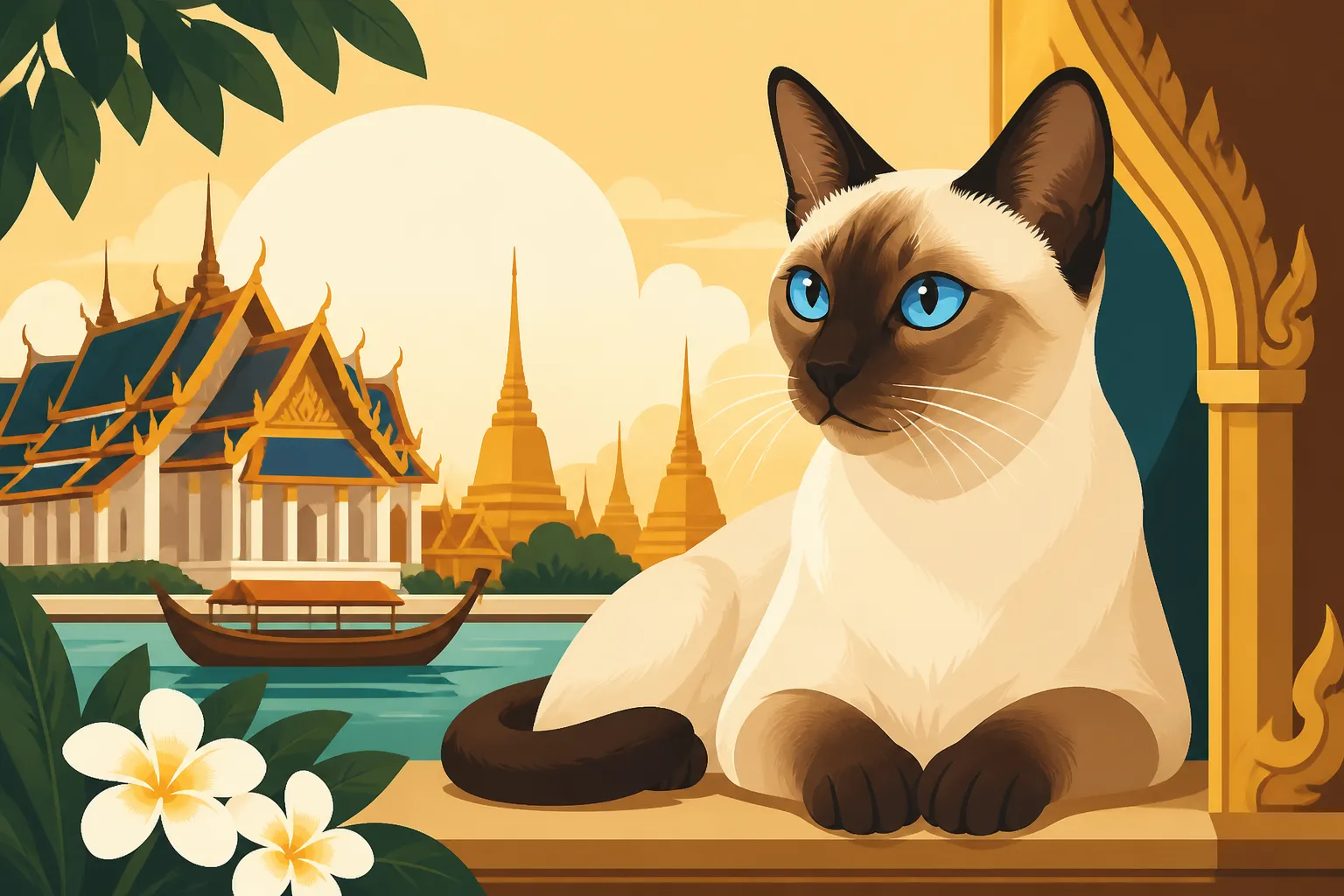
How Long Siamese Cats Have Lived in Thailand
Many cat lovers are familiar with the striking appearance and vocal personality of the Siamese cat, but how many truly know the depth of their history, stretching back centuries in their homeland? It's a common misconception that these magnificent felines are a recent development, when in fact, their roots are deeply entwined with the ancient kingdom of Siam. This guide will take you on a journey through time, exploring the undeniable evidence that demonstrates just how long Siamese cats have been cherished residents of Thailand, revealing their fascinating journey from royal companions to global icons.
The Ancient Roots of the Siamese Cat in Siam
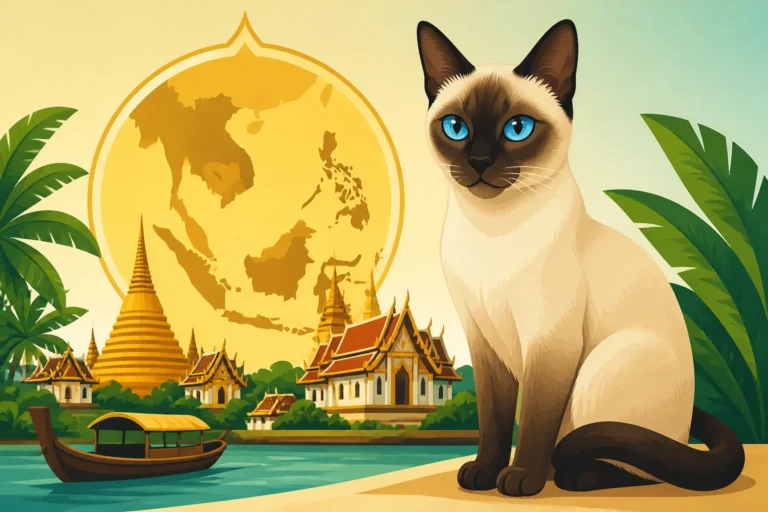
The history of the Siamese cat isn't just a few decades or even a century old; it stretches back hundreds of years, making them one of the oldest natural cat breeds in the world. Imagine a time before modern cat shows, before meticulous breeding programs and registered pedigrees. In ancient Siam, the land we now know as Thailand, cats like the Siamese weren't "bred" in the modern sense; they were a naturally occurring part of the local feline population, a distinctive landrace that developed unique traits over generations in their specific environment.
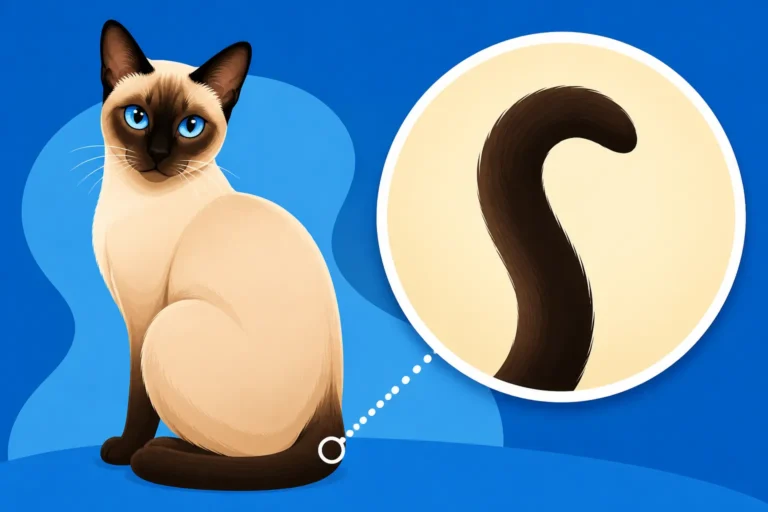
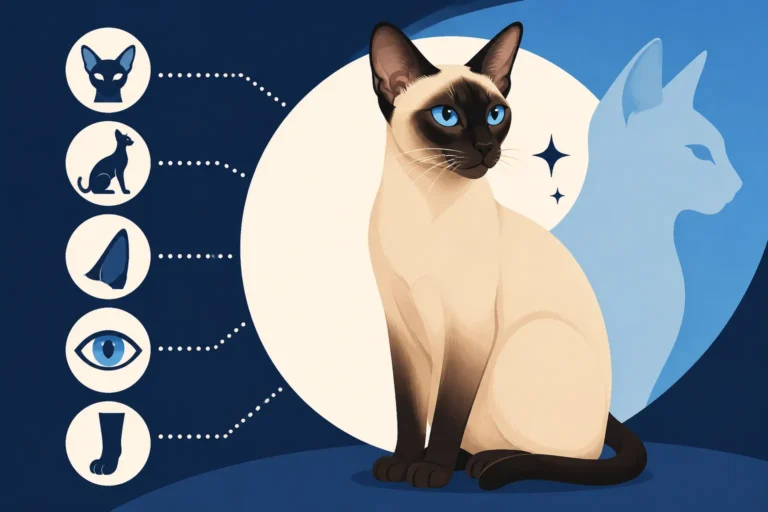
This means that the characteristics we associate with the Siamese today—their sleek bodies, striking blue eyes, and distinctive point coloration—weren't the result of human manipulation to create a "new" breed, but rather the natural expression of genes present in the region's cats. They were simply there, part of the fabric of daily life, and gradually distinguished themselves. Think of it like a wild flower growing abundantly in a particular valley; it thrives and develops its own unique beauty without human intervention. These early Siamese cats were integral to the culture and folklore of the region, often depicted in ancient manuscripts and cherished by their human companions. The Siamese Cat Came From Siam, Not Thailand delves further into this geographical naming.
Their existence as a landrace suggests a profound connection to the Siamese environment and climate. The very genetic mutation that gives them their color points – darker extremities and a lighter body – is temperature-sensitive. This adaptation would have been naturally favored in the tropical climate of Siam, allowing for efficient thermoregulation. The cats that thrived there, those that looked like what we now call Siamese, were simply the most successful versions of themselves in that setting. They weren't an imported novelty; they were native, woven into the very tapestry of the land.
The Tamra Maew and Written Records
One of the most compelling pieces of evidence for the ancient lineage of the Siamese cat in Thailand comes from the "Tamra Maew," or "Cat-Book Poems." These invaluable manuscripts, which date back to at least the 14th to 18th centuries, provide a vivid window into the cats revered by Siamese society. They are not merely charming verses; they are detailed descriptions and illustrations of various types of cats considered lucky and desirable.
Within these pages, one particular cat is described with undeniable clarity: the "Wichianmat." This is the historical name for the Siamese cat in its homeland, and the descriptions perfectly match the characteristics we recognize today—pale bodies with darker points on the ears, face, paws, and tail, and brilliant blue eyes. What the Tamra Maew Says About the Siamese Cat elaborates on these fascinating descriptions. The existence of such specific and reverent documentation proves beyond a shadow of a doubt that these cats have been a recognized and cherished part of Siamese culture for at least several centuries, if not longer. These aren't vague references to generic felines; they are distinct, identifiable portraits.
The Tamra Maew didn't just mention the Wichianmat in passing; it highlighted their beauty and auspicious qualities, suggesting they were held in high esteem. Imagine a society so enamored with its cats that it dedicates entire volumes of poetry and art to them! This speaks volumes about the deep bond between the people of Siam and these particular felines. The meticulous nature of these ancient texts indicates a long-standing familiarity and appreciation for the Wichianmat, implying that they weren't a recent introduction but rather an established presence, deeply integrated into the cultural landscape for generations. Even if you're shopping for modern cat supplies on Chewy, it's inspiring to remember this long, esteemed history.
| Historical Evidence | Period (Approx.) | Significance |
|---|---|---|
| Oral Traditions | Pre-14th Century | Early recognition of distinct cats with unique traits, passed down through generations. |
| Tamra Maew | 14th – 18th Century | First documented descriptions and illustrations of "Wichianmat" (Siamese) cats, cementing their cultural importance. |
| Royal Association | 18th – 19th Century | Cats resembling Siamese were kept by royalty and nobility, seen as symbols of wealth and status. |
| Western Discovery | Mid-19th Century | Introduction of Siamese cats to the Western world, leading to formal breed recognition and export. |
| Modern Thai Cat | 20th – 21st Century | Preservation efforts for the traditional "old-style" Siamese within Thailand, leading to the "Thai cat" breed. |
From Royal Courts to Global Recognition
For centuries, the cats of Siam, particularly the Wichianmat, enjoyed a privileged position within the kingdom. They were not merely common street cats but were often associated with royalty and the nobility. Legends abound of these cats guarding temples and accompanying high-ranking officials. While some of these tales might be embellished, they certainly reflect the elevated status these felines held. It's easy to see why. Their striking appearance, intelligent gaze, and highly communicative nature would have made them captivating companions for anyone, let alone those in power. Whether Only Royalty Kept the Siamese Cat explores this aspect further.
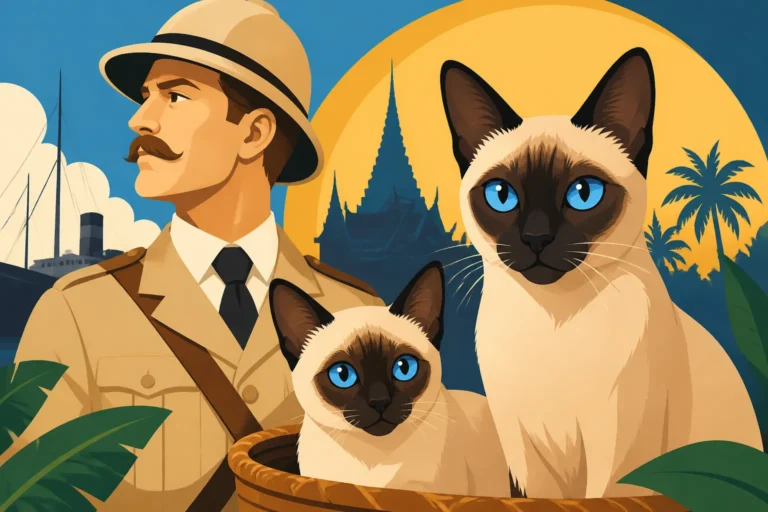
The Siamese cat's journey from an esteemed domestic companion in Siam to a globally recognized breed began in the late 19th century. When these beautiful cats were first introduced to the Western world, they created an immediate sensation. Their unique coloration, slender build, and piercing blue eyes were unlike anything many Westerners had ever seen. However, it's crucial to remember that this "discovery" by the West didn't mean they were suddenly "new" in Siam. It simply meant the outside world was finally catching up to a truth that Thai people had known for centuries: these were special, ancient cats.
Even as the breed gained international popularity and underwent selective breeding programs in Europe and America, leading to the more angular "Wedge Headed Siamese Cat" we often see in shows today, the original, more traditional type continued to thrive in Thailand. The cats exported were simply representatives of a much larger, diverse population that had always existed there. This enduring presence speaks volumes about their adaptation and resonance with the local environment and culture. When we think of their export, it's not the birth of the breed, but rather the beginning of its global diaspora, a fascinating chapter after centuries of local habitation. You can still find accessories like scratch posts or beds for a traditional Siamese on sites like Chewy.
Modern Day Siamese Cats in Thailand
Even today, the legacy of the Siamese cat is strong in Thailand. While the "modern" Siamese cat, with its extremely slender body and wedge-shaped head, has become a distinct show type developed largely in the West, the traditional Siamese cat, often referred to as the "Thai cat," represents the ancestral form that has always existed in the country. This distinction is important because it highlights the continuous presence and evolution of the breed within its original homeland. How the Thai Split From the Siamese Cat details this divergence.
These traditional Thai cats maintain a more moderate build, a rounder apple-shaped head, and still possess those characteristic blue eyes and point coloration. They are a living link to the cats depicted in the Tamra Maew and are celebrated for their historical authenticity. Organizations in Thailand and around the world are dedicated to preserving this traditional form, ensuring that the original beauty and temperament of the Wichianmat continue to thrive. This signifies not just a historical past, but a continuous, unbroken line of these magnificent felines within Thailand.
The love for these cats hasn't diminished in their native land. They remain cherished pets, a symbol of national heritage and pride. Whether you call them Wichianmat, Siamese, or Thai cats, their deep roots in the cultural and historical landscape of Thailand are undeniable. From ancient manuscripts to bustling modern homes, the Siamese cat has been a constant, beloved presence, enriching the lives of Thai people for countless generations. When considering toys or food, many owners in Thailand, like those globally, appreciate the convenience of modern pet suppliers, even exploring options available through online retailers like Chewy. What Thai People Call the Siamese Cat Today sheds light on their contemporary names.
Disclaimer
This article is for general informational purposes only and does not constitute professional advice. Laws, prices and regulations vary by location and change over time. Consult a qualified professional for guidance on your specific situation.