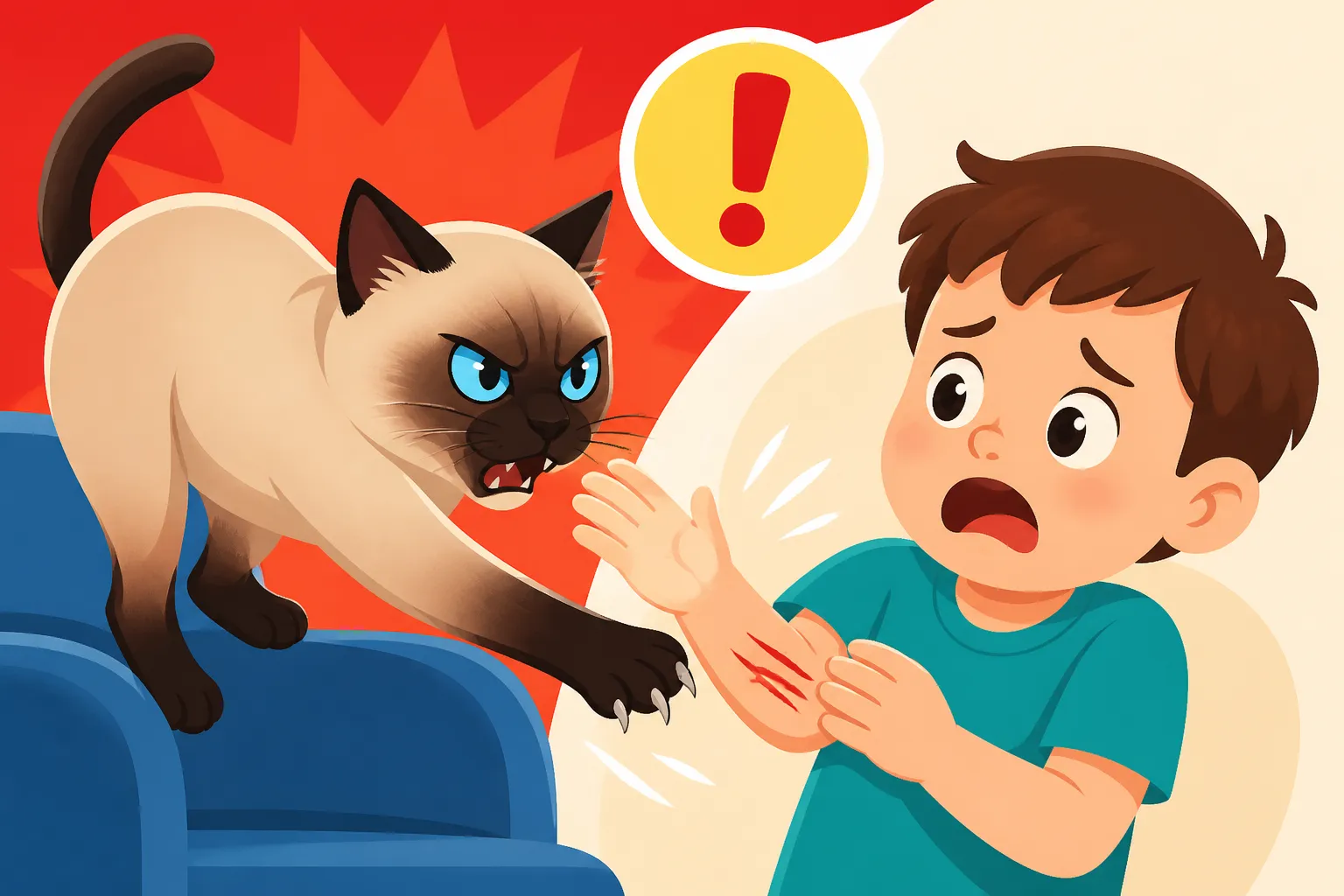
Whether a Siamese Cat Scratches a Child
It's a common, completely valid concern for any parent, especially when you're welcoming a new furry family member or if your existing beloved Siamese is suddenly faced with the energetic, unpredictable nature of a child. We all want our kids to be safe, and we want our pets to be happy and stress-free. The thought of a Siamese cat, with their sharp claws, scratching a child can certainly keep you up at night. This guide is here to tackle that worry head-on, offering a deep dive into Siamese cat behavior around children, why scratches happen, and most importantly, how to foster a safe and loving environment for everyone involved.
Understanding the Siamese Cat's Temperament Around Children
Siamese cats are often described as dogs in a cat's body, which means they are highly intelligent, incredibly social, and possess a unique vocalization style that sets them apart from other breeds. But how does this translate when you throw a tiny human into the mix? Many prospective and current owners worry about the Siamese cat's intense personality colliding with a child's equally intense energy.
Their Social Nature and Play Drive
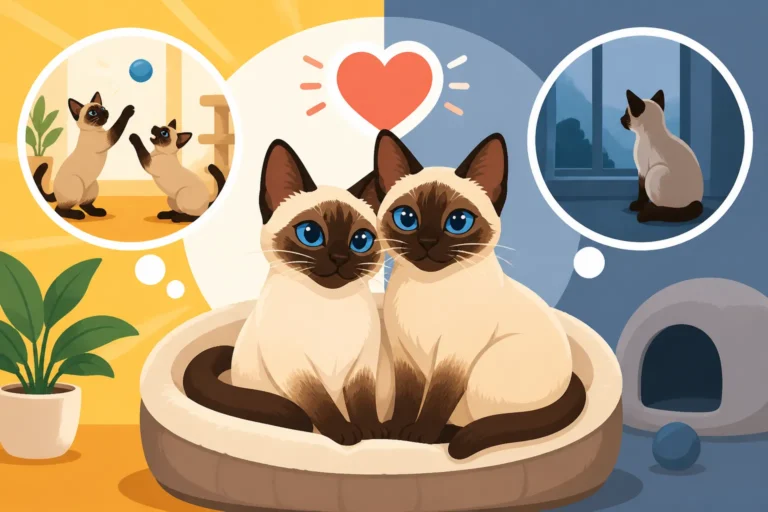
Unlike some more aloof cat breeds, Siamese cats thrive on interaction. They form deep bonds with their human families and often choose one or two favorite people to "talk" to and follow around. This inherent social drive can be a huge plus with children, as a well-socialized Siamese might genuinely enjoy engaging with a gentle, respectful child. They love to play, and their play style can be quite vigorous, involving pouncing, chasing, and mock hunting. It's a fantastic trait that can lead to hours of entertainment for both cat and child, but it's also where the potential for accidental scratches can arise if boundaries aren't understood. A Siamese cat that is used to playing rough with an adult's hands might not understand that a child's skin is far more delicate.
A Siamese will often respond to an excited voice or quick movements, which children are full of. They might interpret a running child as an invitation to chase or play. This isn't malice; it's instinct and part of their lively personality. It means that supervision and teaching appropriate play are paramount. These cats crave mental and physical stimulation, so providing ample appropriate outlets for their energy, such as interactive toys from Amazon or puzzle feeders, can help redirect their natural hunting instincts away from little hands and feet.
Communication and Boundaries
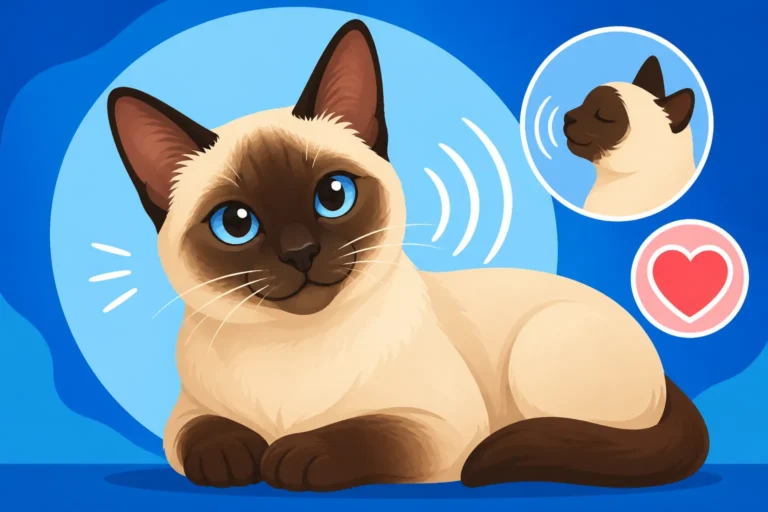
Siamese cats are incredibly expressive, not just with their famous "Meezer yowl" but also with their body language. They will almost always try to communicate their discomfort before resorting to a scratch. The challenge, particularly for young children, is learning to recognize these subtle (and sometimes not-so-subtle) cues. A Siamese cat might initially try to walk away, flatten its ears, twitch its tail, or give a low growl or hiss. If these warnings are ignored or not understood, a swat or scratch can be their final plea for space or an end to an interaction they're finding overwhelming.
Teaching children to respect these boundaries is crucial. This includes understanding that the cat is not a toy, that loud noises and sudden movements can be frightening, and that the cat needs its own safe space. It’s also about empowering the child to recognize when the cat isn't happy and to back off. The Siamese Cat Talks and Expects an Answer is a great resource for understanding their communication patterns, which extends beyond just vocalizations.
Common Reasons a Siamese Cat Might Scratch a Child
Scratches are rarely intentional acts of aggression in a happy, well-adjusted Siamese cat. Instead, they are almost always a reaction to feeling threatened, overstimulated, or misunderstood. Pinpointing the common triggers can help parents prevent these incidents.
Overstimulation and Rough Play
Siamese cats are sensitive. While they love to play, they can quickly become overstimulated, especially during intense play sessions. A child's natural enthusiasm, which often involves grabbing, squeezing, or not knowing when to stop, can push a Siamese cat past its comfort threshold. What starts as a fun chase game can turn into an accidental scratch if the cat feels cornered or overwhelmed. Their skin may become hypersensitive, and even a light touch can feel irritating, leading to a quick, defensive swat.
Consider a scenario where a child is holding a toy string, wildly swinging it around, and the Siamese is enthusiastically pouncing. If the child suddenly pulls the toy too close or tries to grab the cat mid-pounce, the cat might lash out instinctually to protect itself or escape. This isn't anger; it's a reflex, a cat's natural defense mechanism. Understanding How Much Play a Siamese Cat Needs is key to ensuring that play remains positive and controlled, rather than a free-for-all that could lead to injury.
Fear, Startle, and Feeling Trapped
Children, especially toddlers, can be unpredictable. Their sudden movements, loud shrieks, or unexpected grabs can genuinely startle a cat. A Siamese cat that feels sudden pain (like a tail pull) or is trapped (like being held too tightly with no escape route) will almost certainly resort to scratching to get away. It's a basic survival instinct. Imagine a cat napping peacefully under a blanket, and a child suddenly pounces on the bed, startling the cat awake. The cat's immediate, instinctive reaction might be to claw its way out of the perceived threat.
A common situation involves a child approaching a sleeping cat or a cat eating its food. These are vulnerable moments for any animal, and if the cat perceives the approach as a threat to its safety or resources, it might react defensively. It’s not about hating the child, but about preserving its own sense of security.
Territoriality and Resource Guarding
While not as common as fear or overstimulation, some Siamese cats can be territorial, especially concerning their favorite sleeping spots, food bowls, or litter boxes. If a child encroaches on these areas, the cat might see it as an invasion. For example, if a child tries to pull the cat out of its favorite cat tree or reaches into its food bowl while it's eating, the cat might respond with a warning swat. This is less about aggression towards the child personally and more about protecting what the cat perceives as its own.
These situations highlight the importance of teaching children to respect a cat's personal space and resources. This means designating areas where the cat can retreat without being disturbed and ensuring that children understand that these spaces are off-limits for play or intrusion. You might find great multi-level cat trees on Amazon that offer vertical escape routes, allowing your Siamese to survey its domain from a safe distance.
Preventing Scratches: Setting Up for Success and Teaching Boundaries
Prevention is always better than reaction, especially when it comes to keeping both your child and your Siamese cat safe and happy. It requires a proactive approach, consistency, and a deep understanding of both feline and child behavior.
Creating Safe Spaces and Supervising Interactions
One of the most effective strategies is to ensure your Siamese cat has multiple safe havens throughout your home where a child cannot reach or disturb them. This could be a tall cat tree, a secluded bed in a quiet room, or even a carrier with the door left open. These spaces are crucial for the cat to decompress and feel secure. When the cat is in its safe space, children must be taught that it is off-limits.
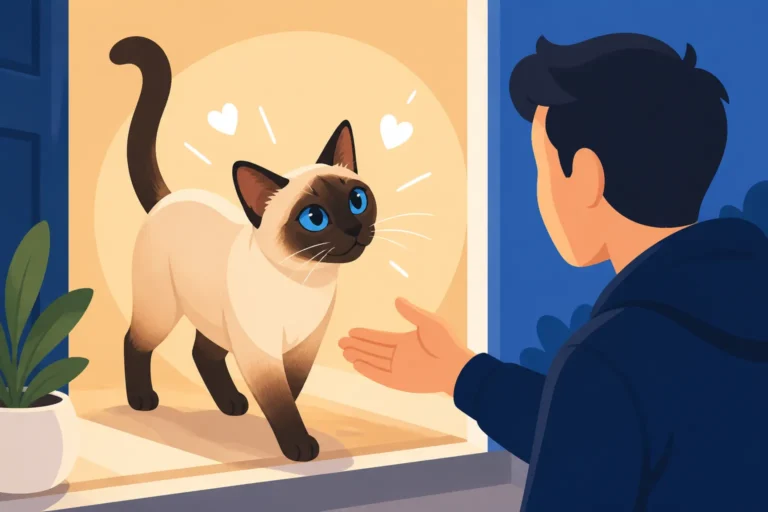
Supervision is non-negotiable, particularly with young children. Think of yourself as a referee, constantly monitoring interactions. This means never leaving a small child alone with a cat, even for a moment. During supervised interactions, teach your child how to pet the cat gently (usually on the back or behind the ears, avoiding the belly and tail), how to recognize when the cat needs a break, and how to approach the cat calmly. A good rule of thumb is "no chase, no grab." If the cat walks away, the interaction is over. Consider using a baby gate, easily found on Amazon, to create temporary barriers that allow the cat a peaceful retreat without completely isolating them.
Here's a quick guide for safe interactions:
| Child Action (Do) | Cat Response (Likely) | Outcome |
|---|---|---|
| Gentle stroking on back | Purring, rubbing | Positive |
| Calm, quiet approach | Relaxed posture | Positive |
| Offering appropriate toy | Engaged play | Positive |
| Respecting cat's space | Stays put, relaxed | Positive |
| Child Action (Don't) | Cat Response (Likely) | Outcome |
| Grabbing, squeezing | Swat, bite, escape | Scratch/negative |
| Loud noises, sudden movements | Startle, fear, run, swat | Scratch/negative |
| Pulling tail, ears | Defensive swat, bite | Scratch/negative |
| Cornering the cat | Aggression, escape attempt | Scratch/negative |
| Waking a sleeping cat | Defensive swat, startle | Scratch/negative |
Teaching Children Appropriate Play and Cat Body Language
It's vital to teach children how to play with a Siamese cat using appropriate toys, rather than their hands or feet. Wand toys, laser pointers (used carefully to avoid frustration), and small toys they can bat around are excellent choices. This teaches the cat that human hands are for petting, not for play-biting or scratching. Explain to your child that if the cat bites or scratches during play, it means they are playing too rough or are overstimulated, and it's time to stop.
Educating children on cat body language is equally important. Even young children can learn to recognize basic signals:
- Tail twitching rapidly or thumping: "I'm agitated, leave me alone."
- Ears flattened back: "I'm scared or angry."
- Hissing or growling: "Back off, now!"
- Hair standing on end: "I feel threatened."
- Hiding or trying to escape: "I need space."
By teaching them these cues, children learn to interpret the cat's feelings and respond respectfully, preventing situations from escalating. How a Siamese Cat Behaves With Children offers more insights into their unique dynamics.
Redirecting Undesirable Behavior and Environmental Enrichment
If your Siamese cat does attempt to scratch during play, immediately stop the interaction and walk away. This teaches the cat that rough play ends the fun. Never punish the cat physically, as this can lead to fear and further aggression. Instead, consistently redirect their attention to appropriate toys.
Ensuring your Siamese cat has plenty of environmental enrichment is another powerful preventative measure. A bored Siamese is a mischievous Siamese, and they might seek out inappropriate outlets for their energy, which could include playing too roughly with children. Provide climbing opportunities, scratching posts (essential for natural claw maintenance), and regular interactive play sessions with an adult. Think about investing in a variety of toys from Amazon that cater to their intelligence and high energy, such as puzzle feeders, rotational toys, and engaging wand toys. A well-exercised and mentally stimulated Siamese is a happy Siamese, much less likely to resort to scratching out of boredom or frustration.
When to Seek Professional Help and What to Do After a Scratch
Despite our best efforts, sometimes scratches happen. Knowing how to react, both immediately and long-term, is crucial for everyone's safety and well-being.
Immediate Steps After a Scratch
If a child gets scratched, the first priority is to clean the wound thoroughly. Wash the area immediately with soap and water, and apply an antiseptic. Cat scratches, even minor ones, can carry bacteria, so it's wise to monitor the scratch for any signs of infection (redness, swelling, pus). If the scratch is deep, bleeding heavily, or shows signs of infection, seek medical attention promptly.
After ensuring the child is safe and the wound is tended to, calmly assess what happened. Was the cat startled? Was the child playing too roughly? Did the cat have an escape route? This isn't about blaming, but about understanding the trigger so you can prevent future incidents. Avoid scolding or punishing the cat directly after the event, as the cat won't associate the punishment with the scratch, but rather with your presence, leading to fear and distrust.
Consulting a Vet or Cat Behaviorist
If scratches are a recurring issue, or if the cat's behavior seems unusually aggressive or fearful, it's time to involve professionals. A visit to your veterinarian is always the first step. Sometimes, pain or an underlying medical condition can cause a cat to lash out, and your vet can rule out any health issues. For example, Dental Disease in a Siamese Cat could cause pain, making them irritable when touched near the face.
If the vet clears your cat of any medical problems, they might recommend consulting a certified cat behaviorist. A behaviorist can observe your cat's interactions, evaluate your home environment, and develop a tailored plan to address the specific behavioral issues. They can teach you how to modify the cat's behavior, manage triggers, and improve communication between your cat and your family. These professionals have a wealth of knowledge and tools to help bridge the gap and create a more harmonious household. Sometimes, a behaviorist might even suggest specific pheromone diffusers or anxiety-reducing supplements, many of which are available on Amazon, to help ease a stressed cat.
Long-Term Management and Safety
Successfully integrating a Siamese cat and children into a happy household is an ongoing process. It requires consistent effort from parents to supervise, educate, and provide for both their child and their cat. Always remember that a cat's primary defense mechanism is its claws. We can't declaw them (which is inhumane and illegal in many places, and actually creates more bite-prone cats), but we can manage their environment and interactions to minimize the risk of scratches.
Regular nail trims are also a helpful part of prevention. Keeping your Siamese cat's claws blunted can significantly reduce the severity of any accidental scratches. Your vet can show you how to do this safely, or you can have them do it during routine check-ups. Overall, with patience, understanding, and consistent positive reinforcement, a Siamese cat and child can absolutely coexist peacefully, forming a wonderful, loving bond that enriches both their lives.
Disclaimer
This article is for general informational purposes only and does not constitute professional advice. Laws, prices and regulations vary by location and change over time. Consult a qualified professional for guidance on your specific situation.