How Far a Siamese Cat Is Safe With a Baby
Bringing a new baby home is an exhilarating, life-changing moment, but for many Siamese cat owners, it also comes with a knot of anxiety. You adore your furry companion, and the thought of them not getting along with or, worse, accidentally hurting your precious infant can keep you up at night. This guide aims to ease those worries by exploring how to safely integrate your expressive Siamese into a household with a baby, focusing on realistic expectations, proactive steps, and maintaining harmony for everyone.
Understanding Your Siamese Cat's Unique Nature with a Baby
Siamese cats are known for their striking looks, but even more so for their vibrant personalities. They are often described as "dog-like" in their devotion, intelligence, and need for interaction. This isn't a breed that fades into the background; they are very much a part of the family, and this deep involvement is something to consider when introducing a new, tiny human.
The Siamese Cat's Affectionate and Demanding Personality
Your Siamese likely craves attention, following you from room to room, engaging in "conversations," and demanding cuddles on their own terms. They form incredibly strong bonds with their chosen humans, often singling out one or two family members for particular affection. This intense attachment is wonderful in a quiet adult household, but it means they are highly sensitive to changes in routine and the distribution of attention. When a baby arrives, your Siamese won't just notice the change; they'll feel it deeply, and their affectionate nature might transform into an insistent demand for reassurance or a struggle to understand their new place. They expect to be involved, and being suddenly sidelined can be incredibly upsetting for them. Remember, A Siamese Cat Will Not Be Ignored, and this applies doubly when a new family member arrives.
Potential for Jealousy and Attention-Seeking Behaviors
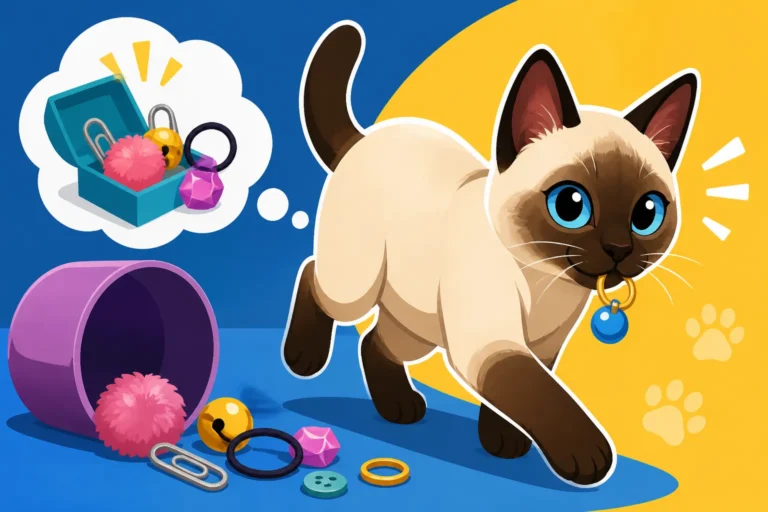
It's not uncommon for Siamese cats to display behaviors that could be interpreted as jealousy when a baby enters the scene. This isn't malicious, but rather a cat's way of communicating stress or a perceived lack of attention. They might start "acting out" to regain your focus – perhaps vocalizing more loudly or frequently (What the Siamese Cat's Meezer Yowl Sounds Like), engaging in destructive behaviors they never did before, or even exhibiting inappropriate urination or defecation. Some might become clingier, while others might become more withdrawn or even hiss at the baby's scent. It's crucial to recognize these as cries for help or signs of anxiety, not acts of aggression. Your Siamese isn't trying to be "bad"; they're trying to communicate their distress in the only ways they know how, reacting to a world that has suddenly shifted beneath their paws.
Creating a Safe and Harmonious Environment
The key to a successful introduction between your Siamese cat and your baby lies in thoughtful preparation and establishing clear, safe boundaries long before the baby arrives. This isn't about making your cat feel excluded, but about setting up a structure where both can thrive without unnecessary stress.
Gradual Introduction and Scent Acclimation
Start introducing baby-related items into your home well in advance. Set up the crib, changing table, and baby swing. Let your Siamese explore these new objects at their leisure, sniffing and investigating without pressure. This allows them to get used to the strange new smells and sights that will soon become a permanent part of their world. Place soft blankets or clothes that will eventually be used by the baby in areas your cat frequents. Once the baby is born, but before they come home, bring a blanket or article of clothing the baby has worn from the hospital. Allow your Siamese to sniff it and get acquainted with the baby's unique scent in a calm, controlled manner. This pre-exposure helps reduce the shock of a completely new smell when the baby finally arrives.
Establishing Cat-Free Zones and Safe Spaces
While it's important for your Siamese to feel included, there are certain areas that absolutely must be off-limits to them for the baby's safety. The baby's crib is paramount. Cats, including Siamese, are drawn to warm, cozy spaces, and a crib can look like an inviting napping spot. This poses a suffocation risk to an infant. Invest in a crib tent or a sturdy mesh cover to prevent your cat from getting in. Consider baby gates that are high enough to deter your agile Siamese from jumping over them, especially for the nursery. You can find a wide variety of these safety items on platforms like Amazon. Also, ensure your Siamese has its own safe, high-up retreats where they can escape the commotion. A tall cat tree near a window, a designated shelf, or even a cozy hideaway bed provides a sense of security and control, allowing them to observe without being overwhelmed. Remember, they need their own space to decompress. How to Rearrange a Home for a Blind Siamese Cat might offer some useful perspectives on adapting a home environment for a cat, even if the context is different.
Maintaining the Cat's Routine and Resources
Consistency is incredibly comforting to cats, especially the highly routine-oriented Siamese. As much as possible, try to maintain your Siamese cat's feeding schedule, playtime, and litter box routine. A sudden disruption can exacerbate stress and lead to behavioral problems. Ensure their food and water bowls are in quiet, accessible locations, and that their litter boxes are clean and placed where they feel safe using them, away from high-traffic baby areas. If you're going to change food, do it gradually weeks or months before the baby arrives. Your Siamese relies on these predictable elements for security. Furthermore, make a conscious effort to schedule dedicated playtime with your Siamese. Even short, focused sessions with a wand toy or laser pointer can reassure them that they are still loved and important, and provide them with the Enrichment for a Siamese Cat That Gets Bored in an Hour that they desperately need. Ignoring their need for interaction can quickly lead to unhappiness and behavioral issues.
Strategies for Safe Interaction and Supervision
The period of adjustment will require patience, vigilance, and a proactive approach to managing interactions between your Siamese and your baby. It's about teaching both new family members how to coexist respectfully and safely.
Constant Supervision is Non-Negotiable
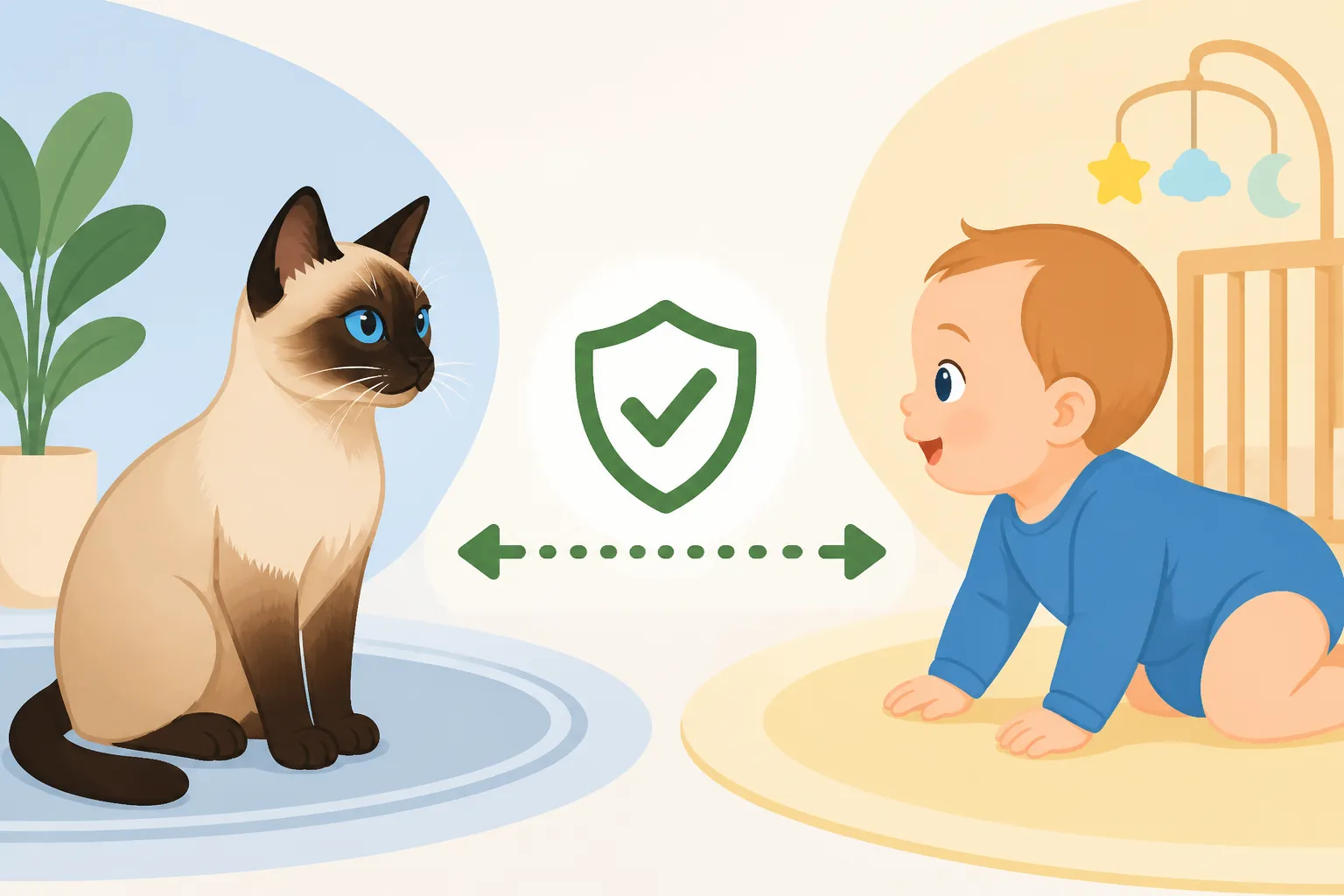
This is perhaps the most critical rule: never, ever leave your Siamese cat unsupervised with your baby. Even the most gentle and well-behaved cat can accidentally scratch, bite, or jump on an infant. A cat might not understand the fragility of a baby, or they might react defensively if startled by a sudden baby noise or movement. It's not about malice; it's about instinct and lack of understanding. If you need to leave the room, even for a moment, either take the baby with you or place your cat in another room with their food, water, and litter box. Think of it as creating a constant, soft barrier of protection. As the baby grows into a toddler, this rule becomes even more important, as toddlers can be unpredictable and grabby, which can provoke a defensive reaction from even the most tolerant cat.
Teaching Respectful Boundaries for Both
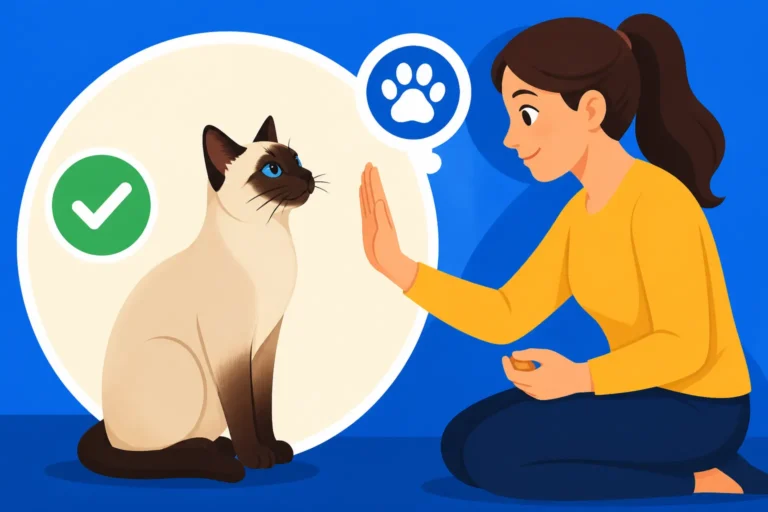
As your baby grows, you'll eventually need to teach them how to interact gently with your Siamese. Show them how to stroke softly, explain that pulling tails or ears is not allowed, and model respectful behavior yourself. For your Siamese, reward calm and gentle behavior around the baby. If they approach the baby inquisitively and calmly, offer praise and a treat. If they seem agitated or overly stressed, gently redirect them to a quiet space. Never punish your cat for reacting naturally to a stressful situation; this can make them fear the baby even more. Instead, focus on positive reinforcement and creating situations where gentle interactions are the norm. It's a long game, but consistency is key. Many Siamese cats are quite intelligent and trainable; you can often use positive reinforcement to shape desired behaviors. How Trainable a Siamese Cat Really Is can give you some insights into their learning capabilities.
Managing the Siamese Cat's Vocalizations and Energy
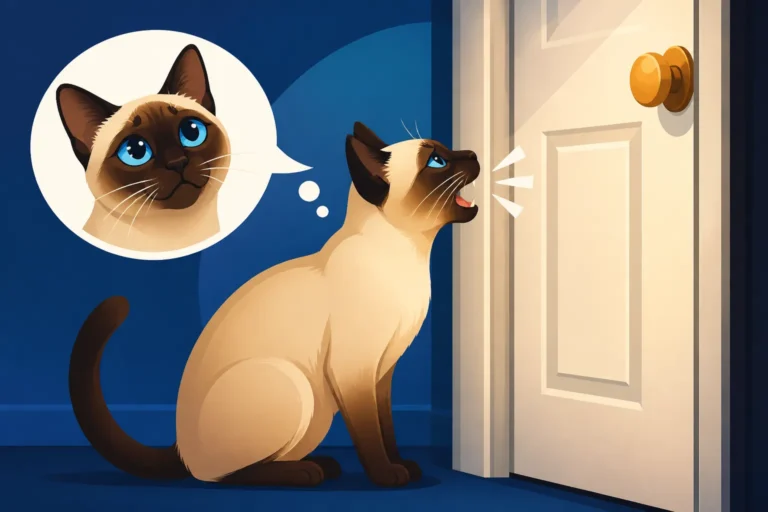
Siamese cats are famously vocal, and their unique "Meezer yowl" can be quite startling, especially to a sleeping baby. While you can't silence a Siamese completely, you can manage the impact. Try to anticipate times when your cat might be most vocal (e.g., feeding times) and address their needs before they feel the need to yowl. A consistent feeding schedule and plenty of interactive play can help reduce excessive vocalizations. Their high energy also means they need outlets for play. Ensure they have plenty of toys, scratching posts, and opportunities for vigorous play. Consider puzzle feeders, readily available on Amazon, to engage their minds and burn off some of that energy. A tired cat is generally a calmer cat. If their vocalizations seem excessive or are accompanied by other signs of distress, it's worth considering if stress is the underlying cause. Why a Siamese Cat Yowls in the Middle of the Night explores some reasons for their vocal tendencies.
Recognizing and Addressing Stress in Your Siamese
Even with the best preparation, your Siamese cat might experience stress or anxiety during this major life change. Being able to read their subtle cues is vital for their well-being and the peace of your home.
Subtle Signs of Feline Discomfort
Cats are masters at hiding illness and stress, a holdover from their wild ancestors where showing weakness made them vulnerable. So, you might not see overt aggression, but rather more subtle signs of discomfort. Look for changes in appetite or water intake, excessive grooming leading to bald patches (Psychogenic Alopecia in a Siamese Cat), hiding more often than usual, changes in litter box habits (urinating outside the box), increased vocalization, or a reluctance to engage in activities they once loved. They might also exhibit body language cues like flattened ears, dilated pupils, a twitching tail, or a hunched posture. Any deviation from their normal behavior patterns warrants investigation. These signs are often a quiet plea for help, indicating that they're struggling to cope with the new family dynamics.
Proactive Measures to Reduce Stress
If you notice signs of stress, immediate intervention is crucial. Start by reinforcing their routine and ensuring they have ample quiet, safe spaces. Pheromone diffusers, such as those that replicate calming feline facial pheromones (often found on Amazon), can be incredibly helpful in creating a more serene environment. These can be plugged into an outlet in their favorite room or a common area. Increase their one-on-one quality time with you through play sessions and cuddles. Even short bursts of dedicated attention can remind them that they haven't been forgotten. Provide plenty of vertical spaces like cat trees or shelves where they can survey their territory from a safe vantage point. Sometimes, a worried Siamese simply needs to feel they have control over their environment and can retreat when things get too overwhelming. If behavioral issues persist or worsen, don't hesitate to consult your veterinarian. They can rule out any underlying medical conditions and may recommend further behavioral interventions or even refer you to a feline behaviorist. Remember, What Psychogenic Alopecia Does to a Siamese Cat often stems from stress, and addressing the root cause is paramount.
Here's a quick overview of how Siamese cat traits interact with a baby's presence:
| Siamese Cat Trait | Potential Impact with Baby | How to Manage |
|---|---|---|
| Highly Vocal (Meezer Yowl) | Can startle or wake a baby; might escalate with stress. | Maintain routine, increase play, provide enrichment, consider pheromones. |
| Demanding & Affectionate | May seek attention aggressively or become jealous. | Dedicate one-on-one time, involve cat in baby activities (safely). |
| High Energy & Playful | Might accidentally scratch or jump on baby during play. | Provide plenty of interactive play sessions away from the baby. |
| Curious & Intelligent | Will investigate baby and baby items, potentially climbing. | Establish cat-free zones (crib nets, gates), supervise all interactions. |
| Sensitive to Change | Prone to stress, withdrawal, or inappropriate elimination. | Introduce changes gradually, maintain routine, provide safe retreats. |
Ultimately, integrating a Siamese cat and a baby is a journey that requires patience, consistency, and a deep understanding of your feline friend's unique needs. With careful planning and a commitment to providing a secure and loving environment for both, your Siamese and your baby can grow up to be the best of companions. How a Siamese Cat Behaves With Children can give you more specific insights into what to expect as your baby grows.
Disclaimer
This article is for general informational purposes only and does not constitute professional advice. Laws, prices and regulations vary by location and change over time. Consult a qualified professional for guidance on your specific situation.