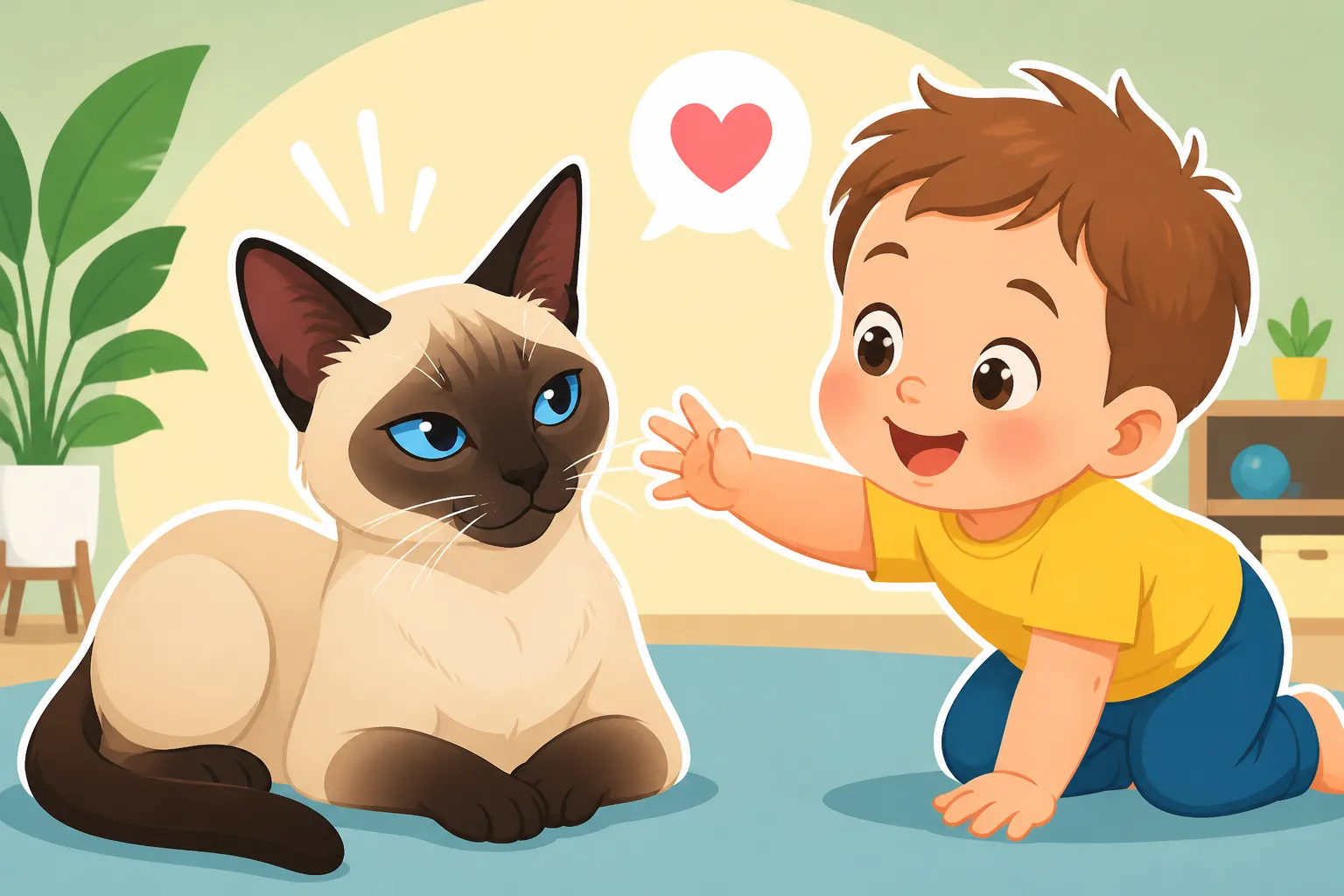
How a Siamese Cat Handles a Toddler
Bringing a new, curious, and often unpredictable toddler into a home with a beloved Siamese cat can feel like navigating a minefield. You adore both your tiny human and your furry companion, but the thought of their first real interactions, the potential for misunderstandings, and the need to keep everyone safe can be incredibly daunting. This guide will walk you through what to expect from your intelligent and sensitive Siamese when a toddler is in the house, offering practical advice to help foster a harmonious, safe, and loving environment for everyone involved.
Understanding Your Siamese Cat's Personality Around Young Children
Siamese cats are truly unique characters, known for their striking looks, vibrant personalities, and deep devotion to their human families. When you introduce a toddler, these very traits can become both strengths and potential challenges. It's crucial to understand their inherent nature to best prepare for this new dynamic.
The Siamese's Energetic and Vocal Nature
If you live with a Siamese, you know they are not quiet, wallflower types. They are incredibly active, intelligent, and famously vocal, always ready to engage in a "conversation" or demand attention. Their energy levels are often through the roof, and they need mental and physical stimulation to thrive. This inherent drive for interaction means they're likely to be curious about a new, small, moving creature in their territory. They might initially see a toddler as a fascinating, albeit unpredictable, playmate.
However, a toddler's movements are often jerky, loud, and uncoordinated. What a Siamese might interpret as an invitation to play, a toddler might experience as overwhelming or even frightening. Conversely, a toddler might be fascinated by a cat's swishing tail or zoomies, leading them to chase or grab, which can quickly turn a playful encounter into a stressful one for the cat. Understanding that your Siamese's high energy means they'll want to be involved, but their sensitivity means they need controlled engagement, is key. Their famous What the Siamese Cat's Meezer Yowl Sounds Like vocalizations might also be startling to a toddler, or worse, encourage the toddler to mimic loud sounds, creating a cycle of noise that neither cat nor child will appreciate.
Their Sensitivity to Change and Routine
Siamese cats are creatures of habit. They thrive on routine, predictability, and a sense of order in their environment. A toddler, bless their cotton socks, is the antithesis of routine. Their schedules are fluid, their moods can change on a dime, and their presence introduces a constant stream of new sights, sounds, and smells into the home. This dramatic shift can be profoundly unsettling for a Siamese cat, who might perceive their once-stable world as suddenly chaotic.
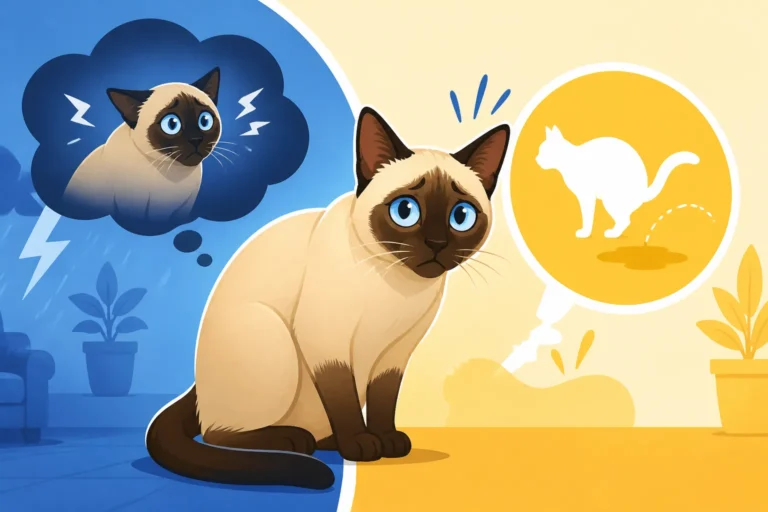
You might notice your Siamese becoming more withdrawn, hiding under beds or in closets, or even displaying stress behaviors like over-grooming or house-soiling. They might be trying to find a safe haven away from the unexpected squeals, thumping feet, and general disruption a toddler brings. It's not that they don't love you or resent the child; it's simply their way of coping with a profound change to their established order. Your sensitive Siamese will rely on you to help them navigate this new, unpredictable phase of life, much like you'd help them adjust to a house move or a change in diet.
The Siamese Cat's Bond and Potential Jealousy
Siamese cats form incredibly strong bonds with their primary caregivers. They are often described as "dog-like" in their devotion, wanting to be involved in everything you do, from watching TV to following you from room to room. A Siamese Cat Will Not Be Ignored is not just a catchy phrase; it's a fundamental truth about this breed. When a new family member arrives who suddenly demands a significant portion of your attention, time, and lap space, it's not uncommon for your Siamese to feel a pang of jealousy or displacement.
They might vocalize more, become clingier, or even act out in ways they wouldn't normally, like trying to get between you and the toddler, or seeking attention through undesirable behaviors. This isn't malice; it's a plea for reassurance and a reassertion of their place in the family hierarchy. Recognizing that your Siamese might be feeling this emotional shift is important. Remember, they aren't just pets; they're family members who have enjoyed a certain status, and now they need help understanding their new role, even if it feels a little less central than before. What Separation Anxiety Looks Like in a Siamese Cat can sometimes manifest in similar ways if they feel suddenly sidelined.
Preparing Your Home and Your Siamese for a Toddler
Preparation is truly your best friend when merging the worlds of a Siamese cat and a toddler. It's not just about the safety of your child, but also the emotional well-being and physical security of your feline friend. A well-prepared home and a gradual, thoughtful introduction can make all the difference in fostering a peaceful coexistence.
Creating Safe Zones for Your Cat
One of the most critical steps you can take is to establish clear, inviolable safe zones for your Siamese where the toddler simply cannot go. These are places where your cat can retreat, relax, and feel completely secure, knowing they won't be bothered. This might involve setting up tall cat trees with multiple perching levels, ideally in rooms where the toddler spends less time, or in areas inaccessible to little hands. Think vertically! Siamese cats love to climb and survey their kingdom from above, so maximizing vertical space is always a good idea for their enrichment, and it becomes doubly important now.
Consider using baby gates strategically. You can install them in doorways, but leave enough space at the bottom or top for the cat to easily slip through, while blocking the toddler. Some people even install cat flaps in internal doors leading to a cat-only room, where food, water, and litter boxes can be kept without fear of contamination or disturbance by a curious toddler. Investing in sturdy, tall cat trees, wall-mounted shelves, or specialized cat-friendly gates can often be done easily through retailers like Amazon, ensuring you have options that fit your home's layout and your cat's preferences. This isn't about separating them entirely, but giving your Siamese the power of choice and retreat. If you need more ideas for preventing access to certain areas, think about How to Cat Proof a Home for a Siamese Cat.
Gradual Introduction and Positive Reinforcement
A slow, controlled introduction is paramount. Don't simply expect your Siamese and toddler to instantly become best friends. Start by letting your cat get used to the toddler's scent before they even meet. You can do this by letting your cat sniff a blanket or piece of clothing the toddler has worn. Praise and reward your Siamese for calm curiosity, perhaps with a special treat or a gentle pet. When the first face-to-face meetings happen, ensure they are brief, supervised, and positive. Hold your toddler, keeping them calm and still, while your cat approaches at their own pace.
Never force interaction. If your Siamese seems anxious or wants to leave, let them. The goal is to associate the toddler with positive experiences. This means giving your cat treats, playtime, or cuddles in the presence of the toddler, even if the toddler isn't directly interacting with the cat. Use a gentle, soothing tone when your toddler is around, reinforcing a calm atmosphere. This kind of consistent positive reinforcement helps your Siamese build a positive association with the child, rather than seeing them as a threat or an annoyance. The same principles of slow and careful introduction apply here as they would if you were introducing your Siamese to another pet, such as another cat. How to Introduce a Siamese Cat to a Resident Cat covers similar ground for fostering acceptance.
Teaching Your Toddler Cat Etiquette
This is arguably the most challenging, yet most important, part of the equation. Toddlers, by nature, are learning about the world through touch, sound, and exploration, and their understanding of "gentle" is still developing. Constant supervision is non-negotiable. From the moment your toddler is old enough to understand simple commands, begin teaching them how to interact respectfully with your Siamese.
Use phrases like "gentle hands" and guide their hand to stroke the cat's back softly, not grab or pull. Teach them that tails are not toys, and loud noises or sudden movements can scare the cat. Emphasize that the cat's safe zones are off-limits for them. Model appropriate behavior yourself: always approach your cat calmly, speak softly, and pet gently. If your toddler tries to grab or hit, immediately and calmly redirect them away from the cat, explaining why that behavior is not allowed. Consistency is key here. Your toddler needs constant reminders and gentle guidance until respectful interaction becomes second nature. It's a long road, but an essential one for the safety and happiness of both your cat and your child.
Managing Interactions and Potential Challenges
Even with the best preparation, living with a Siamese cat and a toddler will present its unique set of challenges. Both are dynamic beings, and their interactions won't always be picture-perfect. Knowing how to read your Siamese's cues and manage situations effectively will be vital for maintaining peace and preventing negative experiences.
Recognizing Stress Signals in Your Siamese
Your Siamese cat communicates primarily through body language, and it's essential to become fluent in their signals, especially when a toddler is present. A relaxed Siamese will have soft, forward-facing ears, a loosely held tail (perhaps upright with a slight curl at the tip), and an overall calm demeanor. Contrast this with signs of stress or fear: flattened ears, dilated pupils, a twitching or thumping tail, hissing, growling, swatting, or even a sudden shift to hiding. Some cats might freeze, become rigid, or try to make themselves seem smaller.
Beyond immediate interactions, prolonged stress can manifest in behavioral changes, such as increased vocalizations (not their usual chatty kind, but more anxious yowls), changes in appetite, litter box accidents (urinating or defecating outside the box), or excessive grooming to the point of bald patches. If you notice any of these, particularly the more severe ones, it's a clear indicator that your cat is struggling and needs more space or intervention. For more comprehensive information on cat health, you might want to review Signs a Siamese Cat Is Unwell or even Why a Stressed Siamese Cat Licks Itself Bald. Observing these signs means it's time to separate them and give your Siamese a break in their safe zone.
Dealing with Over-Excitement from Both Sides
Sometimes, the challenge isn't fear but over-excitement, from either the cat or the toddler. A Siamese might see a toddler's quick movements as an invitation to chase and pounce, which can be alarming for a small child. Conversely, a toddler might be so delighted by the cat that they become overly enthusiastic, leading to grabbing, pulling, or loud squeals. In these moments, immediate, calm intervention is necessary.
If your Siamese is getting too playful or pushy, redirect their energy with a wand toy or a laser pointer, engaging them in a safe, controlled play session away from the toddler. If the toddler is the one getting over-excited, gently pick them up, redirect their attention to another activity (a favorite toy, a book), and calmly explain that the cat needs quiet time. Never punish the cat for natural play behavior or the toddler for innocent curiosity, but always guide them towards appropriate interactions. Using calming diffusers, like Feliway, in the main living areas can also help reduce overall stress levels for your Siamese, creating a more relaxed environment where both cat and child can exist without constantly being on edge. Amazon offers various calming products that might be beneficial for your Siamese cat during this adjustment period.
The Importance of Independent Play and Attention
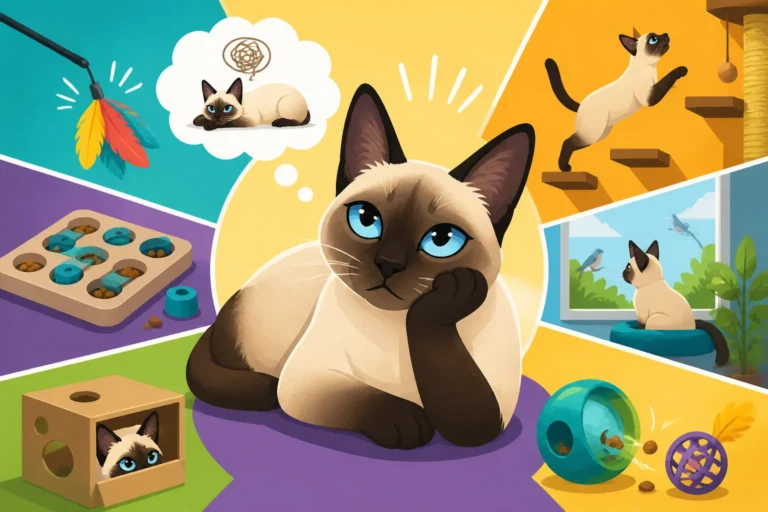
It's easy for your Siamese cat to feel neglected when a toddler enters the scene, simply because the demands on your time are so immense. However, ensuring your cat still receives individual, focused attention and opportunities for independent play is crucial for their mental and emotional health. Schedule dedicated playtime with your Siamese every day, even if it's just two ten-minute sessions with their favorite feather wand. This signals to them that they are still loved, valued, and an important part of your life.
Provide plenty of engaging toys that your cat can play with on their own, such as puzzle feeders filled with treats (again, Amazon has a great selection of these!), or automated toys that move on their own. This helps alleviate boredom and can reduce the likelihood of them seeking attention through unwanted behaviors. Remember, How Much Play a Siamese Cat Needs is substantial, and ignoring this need can lead to frustration and behavioral issues. A happy, well-exercised cat is much more likely to be a patient and tolerant companion for a toddler. When you're busy with your child, knowing your Siamese has enriching activities can ease your mind and keep them content.
Long-Term Harmony: Fostering a Gentle Relationship
Establishing a peaceful coexistence between your Siamese cat and a toddler isn't a one-time event; it's an ongoing process that evolves as both your child and your cat grow and change. Consistency, understanding, and continued effort are the cornerstones of a truly harmonious household.
Consistent Boundaries and Supervision
As your toddler grows, they will gain a better understanding of boundaries and expectations. However, until they are much older, vigilant supervision remains crucial. Every interaction, especially in the early years, should be monitored. This allows you to intervene immediately if your toddler is too rough or if your cat shows signs of stress. Consistency in enforcing the "gentle hands" rule and respecting the cat's safe zones teaches your child empathy and respect for animals.
It also reassures your Siamese that you are their protector, and they can rely on you to manage interactions. Over time, as your child develops more self-control and your cat becomes more accustomed to their presence, direct supervision can become less intense, but never completely absent. The foundation you lay in these early years regarding respectful interaction will shape their relationship for a lifetime.
Enriching the Cat's Environment for Coexistence
A rich and stimulating environment is always beneficial for a Siamese cat, but it becomes absolutely vital when they share their home with a toddler. The goal is to provide enough outlets for their natural behaviors that they don't feel constantly threatened or bored. This includes maximizing vertical space with cat trees and shelves where they can escape to safety. Enrichment for a Siamese Cat That Gets Bored in an Hour is not just a luxury; it's a necessity for their well-being.
Interactive toys, regular play sessions, and even puzzle feeders help channel their intelligence and energy in positive ways. Consider rotating toys to keep things fresh and exciting. Ensure their litter boxes are in quiet, private locations, inaccessible to toddlers, and kept meticulously clean to prevent stress-related accidents. The more content and stimulated your Siamese feels within their environment, the less likely they are to perceive the toddler as a constant source of disruption or threat, and the more likely they are to view their tiny housemate with curiosity and even affection.
Building Positive Shared Experiences
Beyond simply tolerating each other, the ultimate goal is for your Siamese and toddler to form a positive, gentle relationship. Encourage shared positive experiences under your close supervision. For instance, when your toddler is quietly engaged in an activity, and your Siamese is relaxed nearby, offer both a quiet pet or a treat. Read books about cats together, pointing out the cat and talking about being gentle.
As your toddler gets older and their fine motor skills develop, you can involve them in helping to feed the cat (under supervision, of course) or gently tossing a soft toy for the cat to chase. These moments, where your Siamese and toddler are present together in a calm, happy environment, will slowly build a foundation of mutual trust and positive association. Over time, you might just find your Siamese cat curled up next to your sleeping toddler, a testament to the harmony you've worked so hard to create.
| Stage of Toddler Development | Siamese Cat Reaction (Potential) | Recommended Action |
|---|---|---|
| Crawling/Early Walking | Curiosity, apprehension, retreat | Maximize safe zones, constant supervision, scent introduction. |
| Active Toddler (18mos-3yrs) | Overstimulation, irritation, stress behaviors, some play | Teach "gentle hands," redirect toddler and cat, ensure cat playtime. |
| Preschooler (3-5yrs) | Growing tolerance, occasional play | Involve child in cat care (supervised), reinforce rules, encourage calm interaction. |
Disclaimer
This article is for general informational purposes only and does not constitute professional advice. Laws, prices and regulations vary by location and change over time. Consult a qualified professional for guidance on your specific situation.