The Shaved Patch That Grows Back Dark on a Siamese Cat
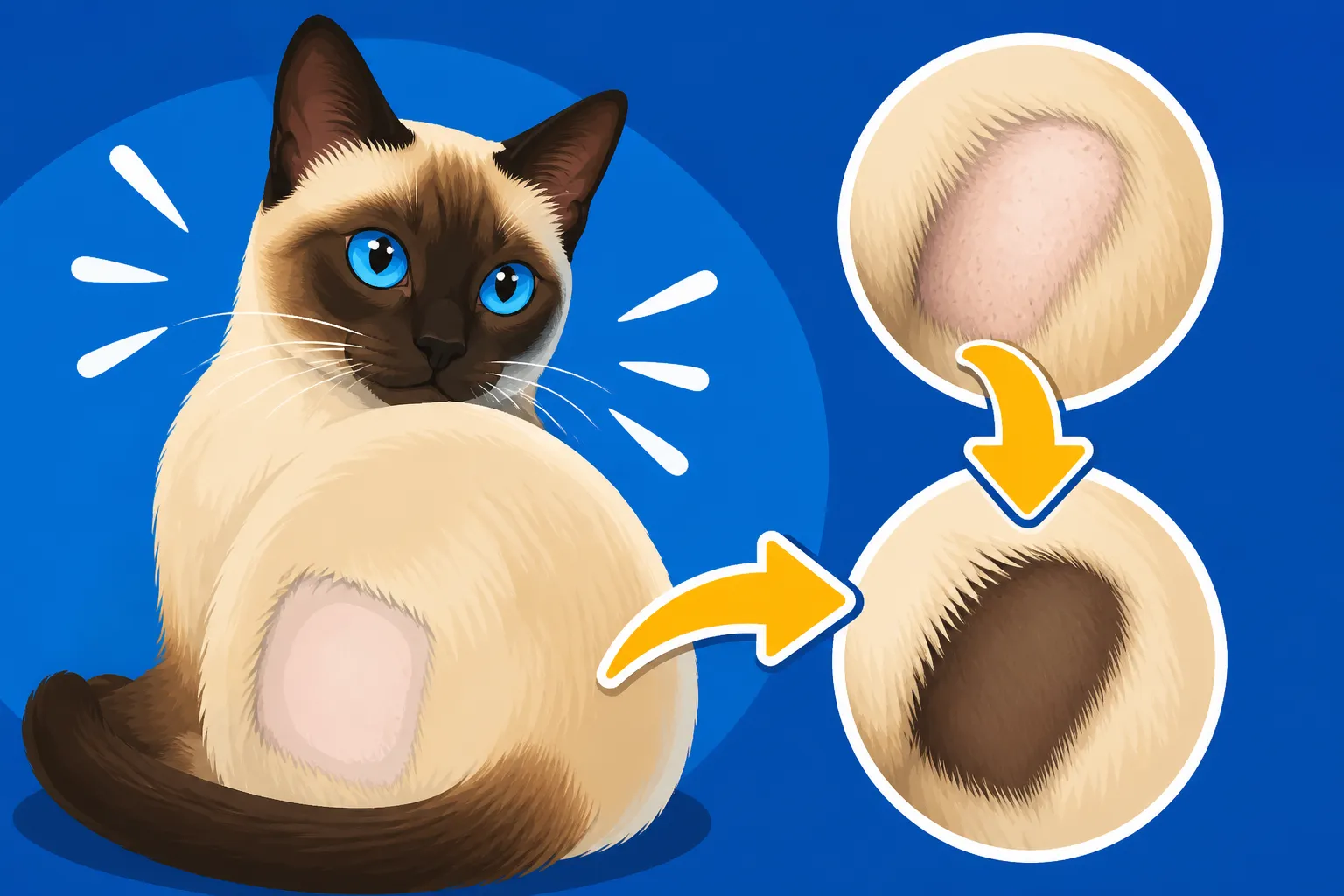
You’ve just picked up your beloved Siamese cat from the vet after a necessary procedure, or perhaps you’ve had to shave a mat, and now you’re staring at a stark, dark patch of fur where the beautiful, lighter coat used to be. It’s enough to make any Siamese owner scratch their head in confusion, wondering if something went wrong or if this new, darker fur is here to stay. This guide is here to demystify that surprising phenomenon, explaining precisely why your Siamese cat's shaved fur grows back darker and what you can expect as it heals.
Understanding Siamese Cat Coloration: The Basics of Pointing
The unique and captivating coloration of Siamese cats is one of their most distinctive features. Those deep chocolate, seal, blue, or lilac points on their ears, face, paws, and tail against a lighter body are not just random beautiful markings; they're a fascinating genetic marvel directly influenced by temperature. Understanding this mechanism is key to grasping why a shaved patch can look so different.
The Temperature-Sensitive Gene in Action
At the heart of a Siamese cat's color is a specific gene mutation. This gene codes for an enzyme called tyrosinase, which is crucial for producing melanin, the pigment responsible for fur color. In most animals, this enzyme works consistently throughout the body. However, in Siamese cats, this tyrosinase enzyme is temperature-sensitive. It means it only functions effectively in cooler temperatures.
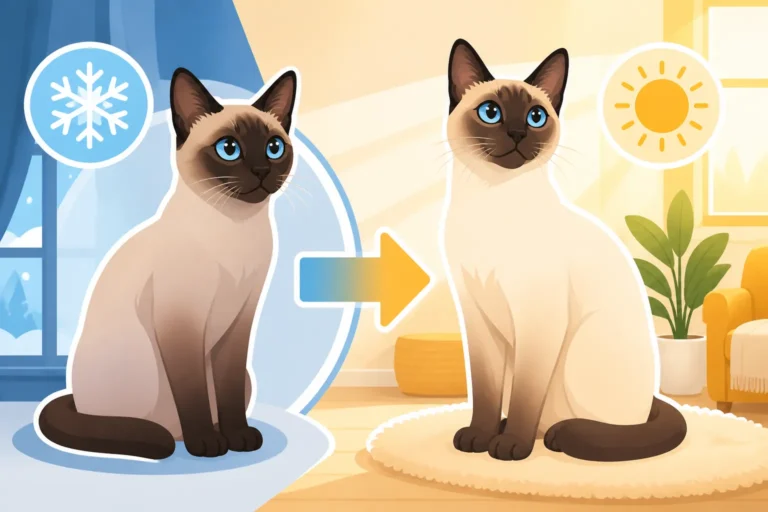
Imagine a little internal thermostat for fur color. Where your Siamese cat's body is cooler – like the extremities (ears, nose, paws, tail) – the enzyme can do its job, producing pigment and leading to those dark points we adore. But in the warmer parts of their body, like their torso and belly, the enzyme becomes inactive, and melanin production slows down significantly, resulting in a much lighter, often cream or white, coat. It's a natural, built-in air conditioning system for their pigment! This is why you'll often hear discussions about A Siamese Cat's Points Are Made by Temperature.
Why Kittens are Born White
One of the most charming facts about Siamese cats is that their kittens are born almost entirely white or a very pale cream. This often surprises new owners who expect to see tiny versions of their pointed parents. But once you understand the temperature-sensitive gene, it makes perfect sense.
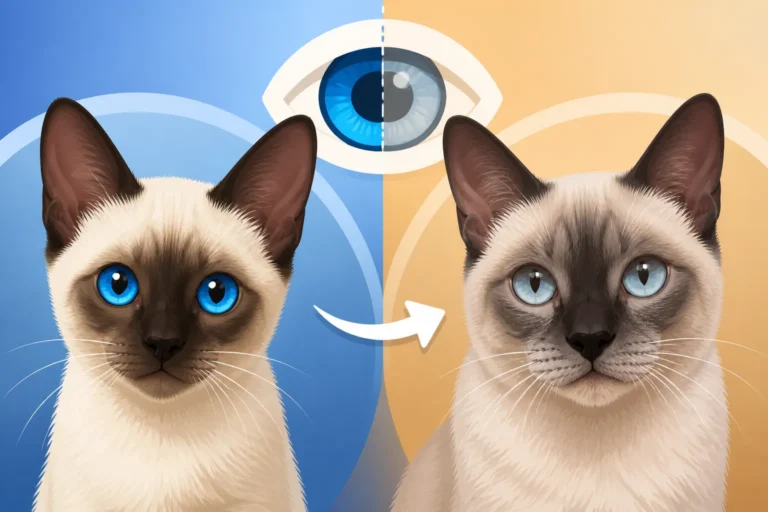
While a kitten is developing inside its mother's womb, it's kept wonderfully warm and cozy at a consistent body temperature. In this warm environment, the temperature-sensitive tyrosinase enzyme simply isn't active. Therefore, no melanin is produced, and the kittens are born without any visible points. It’s only after they are born and exposed to the cooler ambient air that their extremities start to cool down enough for the enzyme to switch on, allowing the pigment to develop. This gradual darkening is a delightful process to watch in a new litter. You can learn more about this by reading Why a Siamese Cat Kitten Is Born White.
The Role of Body Temperature in Pigment Production
The principle of temperature dictating fur color isnation't just for kittens; it's a lifelong characteristic for Siamese cats. Their fur color is a dynamic canvas, constantly reacting to changes in their body temperature and environment. For example, you might notice your Siamese cat's body fur darkening slightly during colder months, only to lighten again when summer arrives. This is their body responding to the ambient temperature.
It’s also why a Siamese cat will seek out warm spots, often curling up in sunny windows or snuggling under blankets. They feel the cold more acutely than many other breeds due to their lack of an undercoat, which means their body is constantly working to regulate its temperature. This sensitivity to cold directly impacts their coloration, making them fascinating subjects for anyone interested in feline genetics and physiology. The darker the point, the cooler that area of the body has been over time. This also explains Why a Siamese Cat Darkens Every Winter.
The Shaved Patch Phenomenon: Why It Happens
Now that we understand the intricate dance between temperature and pigment in Siamese cats, the mystery of the dark shaved patch starts to unravel. It's not a glitch or a sign of illness, but a direct consequence of their unique genetic makeup interacting with a very specific environmental change: local temperature reduction.
The Healing Process and Localized Cooling
When a veterinarian shaves an area of your cat's fur, perhaps for surgery, an ultrasound, or to apply medication, several things happen. First, you remove the insulating layer of fur. This immediately exposes the skin underneath to the ambient air, making that specific area of the body cooler than the surrounding, fur-covered skin. Think of it like a tiny, localized cold spot on your cat's body.
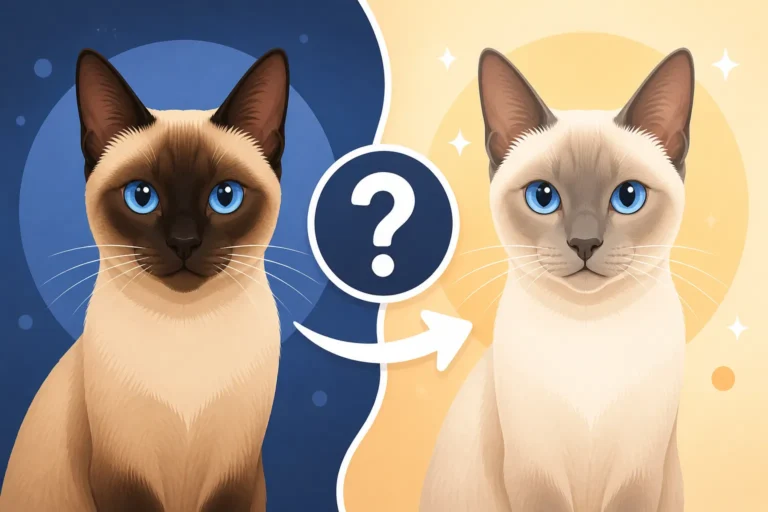
Secondly, the act of shaving itself can cause minor irritation and inflammation to the skin. While this is usually very mild and temporary, any healing process draws blood flow to the area, but the lack of fur still overrides this warmth. As the new hair follicles begin to grow back, they are doing so in this cooler-than-normal microclimate. Since the tyrosinase enzyme functions better in cooler conditions, the newly growing fur in that shaved patch produces more pigment, resulting in a darker color than the surrounding, insulated body fur. It's a classic example of their temperature-sensitive gene in action. You might observe this after any medical intervention, which often prompts the question, Whether a Siamese Cat's Surgery Site Turns Dark.
The Impact of Surgical Shaving vs. Everyday Shedding
It's important to distinguish between the darkening of a shaved patch and the normal color variations your Siamese cat might experience through shedding or seasonal changes. Everyday shedding is a natural process where old fur is replaced by new fur, typically maintaining the cat's established coloration, albeit with seasonal shifts. The whole body's temperature is relatively stable, so the new fur grows in at a similar shade.
Surgical shaving, however, creates an artificial and immediate localized change in temperature. It's an abrupt alteration of the insulating layer over a specific area. This drastic temperature difference compared to the rest of the body is what triggers the stronger pigment production in the regrowing fur. It's not about the growth of new fur itself, but the specific conditions under which that new fur grows. This is why you rarely see random dark patches appearing elsewhere on their body without some form of localized cooling or trauma.
How Long Does the Darkening Last?
The dark patch isn't usually permanent, though it can certainly feel that way when you're looking at your oddly spotted Siamese! The duration of the darker fur depends on several factors, primarily how quickly the area warms back up and how many growth cycles the fur goes through.
Once the fur starts to grow back and provides its natural insulation, the skin underneath the patch will gradually return to the same temperature as the rest of your cat's body. As this happens, the tyrosinase enzyme in those hair follicles will slow down its pigment production, aligning with the surrounding lighter body fur. The darker hairs will eventually be replaced by lighter hairs during subsequent shedding cycles. This process can take several weeks to a few months, depending on the individual cat, the rate of their fur growth, and the ambient temperature of your home. If your cat tends to be cooler overall, or if it's winter, the dark patch might linger longer. So, patience is definitely a virtue here!
Common Scenarios for Shaving: When Your Siamese Might Get a Dark Spot
Understanding why the fur grows back dark helps ease concerns, but knowing when your Siamese might end up with such a patch prepares you for the possibility. From necessary medical interventions to less common grooming needs, there are several situations where a shaved area, and subsequent darkening, might occur.
Veterinary Procedures and Surgical Sites
This is by far the most common reason you'll see a dark patch on your Siamese. Any time your cat needs surgery, an intravenous (IV) line, an ultrasound, or even a thorough examination of a skin lesion, the veterinary team will shave the necessary area.
For example, a spay or neuter surgery involves shaving a patch on the abdomen. An ultrasound to check internal organs will require shaving the belly. If your cat needs an IV drip, a small area on their leg will be shaved. These areas are shorn to ensure sterility, clear visibility, and proper adhesion for bandages or probes. Once the fur grows back, these areas, having been cooler than the rest of the body, will likely appear darker. It's a completely normal post-procedure effect for a Siamese. While vets often warn owners about surgical risks, they might not always explicitly mention this fascinating color change, leaving many owners to wonder Whether a Vet Should Warn a Siamese Cat Owner Before Shaving.
Grooming for Matts and Skin Conditions
While Siamese cats generally have short, low-maintenance coats, even they can develop mats, especially if they are elderly, overweight, or have certain health conditions that prevent them from grooming effectively. Sometimes, a particularly stubborn mat or a severe skin infection requires shaving a specific area to treat it properly.
In such cases, a professional groomer or your vet might use clippers to carefully remove the matted fur. Again, exposing the skin to the air and the subsequent regrowth in that slightly cooler area will lead to the characteristic dark patch. It's a necessary step for your cat's comfort and health, even if it results in a temporary fashion statement of striped or spotted fur. Remember that proper Grooming a Siamese Cat Takes Five Minutes a Week can help prevent matting in the first place, reducing the need for shaving.
Accidental Shaving or Hair Loss
Less commonly, a dark patch could arise from accidental shaving or a localized area of hair loss. Perhaps a child experimenting with clippers, or a mishap during a home grooming attempt, could result in a bald spot. Similarly, certain skin conditions or external parasites could lead to focal hair loss, exposing the skin.
While intentional shaving is usually done in a controlled, sterile environment, accidental hair removal still exposes the skin to cooler temperatures. As the fur regrows, you'll see the same darkening effect. In cases of unexplained hair loss, it’s always wise to consult your veterinarian to rule out any underlying medical issues. It’s also important to consider if your cat has a condition like psychogenic alopecia, where they overgroom to the point of baldness due to stress, which could also lead to similar-looking patches as the fur tries to regrow.
Managing Expectations: What to Do (and Not Do) About Dark Patches
Discovering a dark patch on your Siamese cat's beautiful coat can be unsettling, especially if you weren't expecting it. Your first instinct might be to try and "fix" it, but often, the best approach is simply to understand and be patient. Here's how to manage those expectations and what actions are truly beneficial.
Patience is a Virtue: Letting Nature Take Its Course
The most important thing to remember is that these dark patches are a natural, harmless consequence of your Siamese cat's unique genetics. They are not a sign of poor health, nor do they reflect poorly on your care. Trying to rush the process or intervening unnecessarily can actually cause more stress for your cat.
The fur will lighten on its own as it grows longer and provides better insulation, allowing the skin underneath to warm up again. This might take a few weeks to several months, depending on the size of the patch, your cat's individual growth rate, and the ambient temperature of your home. Think of it as a temporary tattoo that fades with time. Just appreciate the quirky new look and know that your cat is none the wiser about their altered aesthetics. It's a testament to the marvel of The Siamese Cat Came From Siam, Not Thailand and its unique physiological traits.
Avoiding Further Temperature Fluctuations
While you can't make the fur grow back lighter instantly, you can avoid exacerbating the darkening or prolonging its stay. The key is to maintain a comfortable, consistent ambient temperature for your cat.
Avoid exposing the shaved area to extreme cold. For instance, if your Siamese cat has a shaved patch on their abdomen, don't let them sprawl on a cold tile floor for extended periods, especially during winter. Providing warm, soft bedding or a heated cat bed can be helpful. Companies like Chewy offer a wide variety of cozy beds and blankets that can help your Siamese feel comfortable and keep their body temperature regulated, which subtly encourages lighter regrowth. Keeping your home at a consistent, warm temperature will also help ensure the skin under the regrowing fur warms up faster. Keeping a Siamese Cat Warm is always a good idea, not just for fur color, but for their overall comfort.
When to Consult Your Vet About Color Changes
While the darkening of a shaved patch is typically normal, there are instances when a color change or associated symptoms warrant a call to your veterinarian.
If you notice any other changes accompanying the dark fur, such as redness, swelling, tenderness, itching, excessive licking, or discharge from the area, this could indicate an infection or another skin issue. Similarly, if the hair loss wasn't due to shaving but appeared spontaneously, or if the fur doesn't seem to be growing back at all, it's worth a vet visit. Your vet can rule out conditions like fungal infections, parasites, or hormonal imbalances that can affect fur growth and skin health. It's all about differentiating between a normal genetic response and a potential health concern, especially for a breed known for its delicate health predispositions. Regular wellness exams, as outlined in How Often a Siamese Cat Needs a Wellness Exam, are crucial for catching any anomalies early.
The Aesthetic vs. Health: Is a Dark Patch a Cause for Concern?
It’s easy to get caught up in how your Siamese cat looks, especially when their elegant, uniform coat suddenly sports a dark, unexpected spot. But it’s crucial to shift perspective and understand that this particular aesthetic change is almost always benign.
Reassuring Yourself About Cosmetic Changes
Let's be clear: a shaved patch on a Siamese cat growing back darker is a purely cosmetic phenomenon. It has absolutely no bearing on your cat's health, comfort, or happiness. Your cat doesn't care if their fur is temporarily streaked or spotted like a poorly mixed paint job. They care about being fed, loved, played with, and warm.
As pet parents, we often project our own aesthetic concerns onto our animals. We want them to look perfect, just as they did when they first joined our family. But for a Siamese cat, this color change is simply part of their genetic charm. It's a visible reminder of their unique physiology and the temperature-sensitive gene that gives them their distinctive point coloration. Instead of worrying, try to appreciate it as a fun, temporary quirk. It makes for a great story and a unique photo opportunity!
Differentiating Normal Darkening from Skin Issues
While the darkening itself is normal, it's vital to remain vigilant about the underlying skin. A dark patch of fur should not be accompanied by signs of irritation or discomfort.
Here’s a quick comparison to help you tell the difference:
| Feature | Normal Dark Regrowth | Potential Skin Issue |
|---|---|---|
| Color Change | Fur grows back noticeably darker | Fur color change plus redness, lesions |
| Skin Texture | Smooth, pliable, healthy-looking | Scaly, bumpy, crusty, or inflamed |
| Cat's Behavior | No change in grooming, comfortable | Excessive licking, scratching, chewing |
| Smell | No unusual odor | Foul or yeasty smell |
| Hair Growth | Steady, even regrowth | Patchy growth, bald spots, thinning |
If you observe any of the "potential skin issue" signs, that's your cue to contact the vet. These could be indicators of anything from a bacterial infection to an allergic reaction or even ringworm. The fur color change is just one piece of the puzzle; the overall health of the skin is what truly matters.
The Broader Implications for Siamese Cat Health
The phenomenon of a shaved patch growing back dark highlights a broader aspect of Siamese cat health: their sensitivity to temperature. Because their bodies are constantly working to regulate temperature to maintain their point coloration, they are generally less tolerant of cold environments compared to cats with dense undercoats.
This isn't just about fur color; it impacts their comfort and overall well-being. A Siamese cat that feels the cold, for instance, might expend more energy trying to stay warm, which could affect their metabolic rate. This inherent sensitivity also influences where they prefer to sleep, how much they might try to burrow, and even their activity levels in different room temperatures. Knowing this helps you provide a more comfortable and suitable living environment for your specific cat. It underscores why understanding basic Siamese physiology, like Why a Siamese Cat Feels Bony or Why a Siamese Cat Stays So Thin, is crucial for their care. Providing heated beds, warm blankets, and a consistently temperate home is not just a luxury; it's a consideration for their comfort and health. Many owners find their cats love snuggling into a warm space such as a specialized pet bed.
Preventative Measures and Aftercare Tips
While a dark shaved patch is mostly a cosmetic curiosity, there are steps you can take to minimize the chances of extensive shaving and ensure your Siamese cat is comfortable and healthy throughout any necessary procedure and recovery.
Discussing Shaving with Your Vet
Before any procedure that might involve shaving your Siamese cat, don't hesitate to have a conversation with your veterinarian. Ask them exactly which areas will need to be shaved and why. While sometimes shaving is non-negotiable for safety and sterility, in certain diagnostic procedures like an ultrasound, a small patch might suffice instead of a large one.
You can also inquire about the possibility of using clippers with different blade lengths or alternative methods if appropriate for the situation. It’s always good to be informed and advocate for your cat, even if the cosmetic outcome isn't a medical concern. A good vet will be happy to explain their procedures and reassure you about the temporary nature of the fur color change. Building this kind of open communication ensures you're always on the same page regarding your cat's care.
Keeping Your Siamese Comfortable During Recovery
Post-procedure comfort is paramount for your Siamese cat, regardless of whether a dark patch is forming. Ensure they have a warm, quiet, and safe place to recover.
- Warmth: Provide extra blankets or a cozy, covered bed. As mentioned, Why a Siamese Cat Feels the Cold means they will appreciate the warmth, which also helps the shaved area's temperature normalize faster. You could even consider a heated pet mat, easily found on Amazon or Chewy, especially during cooler months.
- Cleanliness: Keep the shaved area clean and dry, following any specific instructions from your vet regarding wound care.
- Monitor: Watch for any signs of discomfort, infection, or excessive licking at the site. If the cat is bothering the area, an Elizabethan collar (e-collar) might be necessary, though most Siamese cats detest them.
- Nutrition: Ensure they have access to fresh water and their usual food. Good nutrition supports overall healing and healthy fur regrowth. How Much an Adult Siamese Cat Eats can be a good reference for their regular diet.
Remember, a comfortable cat is a happy cat, and a happy cat recovers better.
Grooming Practices to Minimize Shaving Needs
The best way to avoid dark shaved patches from matting or minor skin issues is proactive, consistent grooming. While Siamese cats are generally low-maintenance in the fur department, they still benefit from regular attention.
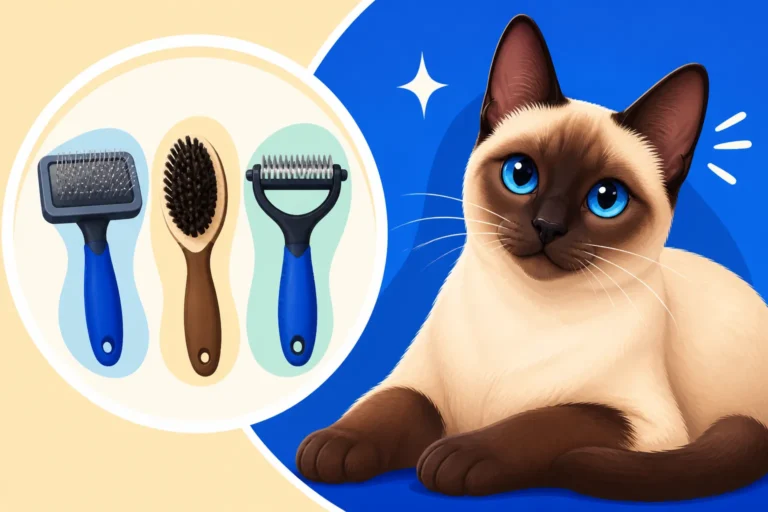
- Regular Brushing: Even their short coats can benefit from a weekly brush with a soft rubber brush or grooming glove. This helps remove loose fur, distributes natural oils, and can prevent small tangles from becoming painful mats. This aligns with Grooming a Siamese Cat Takes Five Minutes a Week.
- Monitor Skin and Coat: Routinely check your cat's skin and coat for any abnormalities, such as bumps, redness, flakiness, or the beginnings of a mat. Early detection means simpler intervention, often avoiding the need for shaving. Pay particular attention to areas under collars or where harnesses sit, as these can be prone to rubbing and matting.
- Address Health Issues Promptly: Underlying health issues can sometimes lead to poor coat condition or excessive shedding. If you notice persistent changes in your cat's fur, consult your vet. Addressing health concerns promptly can prevent secondary problems that might necessitate shaving. Maintaining How Healthy the Siamese Cat Actually Is is a continuous effort.
- Proper Diet: A high-quality diet, rich in essential fatty acids, contributes to a healthy skin and coat, making it less prone to issues that require shaving.
By staying proactive and attentive to your Siamese cat's needs, you can often minimize the instances where a shaved patch might appear, ensuring their beautiful coat stays as uniform as possible, most of the time.
Disclaimer
This article is for general informational purposes only and does not constitute professional advice. Laws, prices and regulations vary by location and change over time. Consult a qualified professional for guidance on your specific situation.