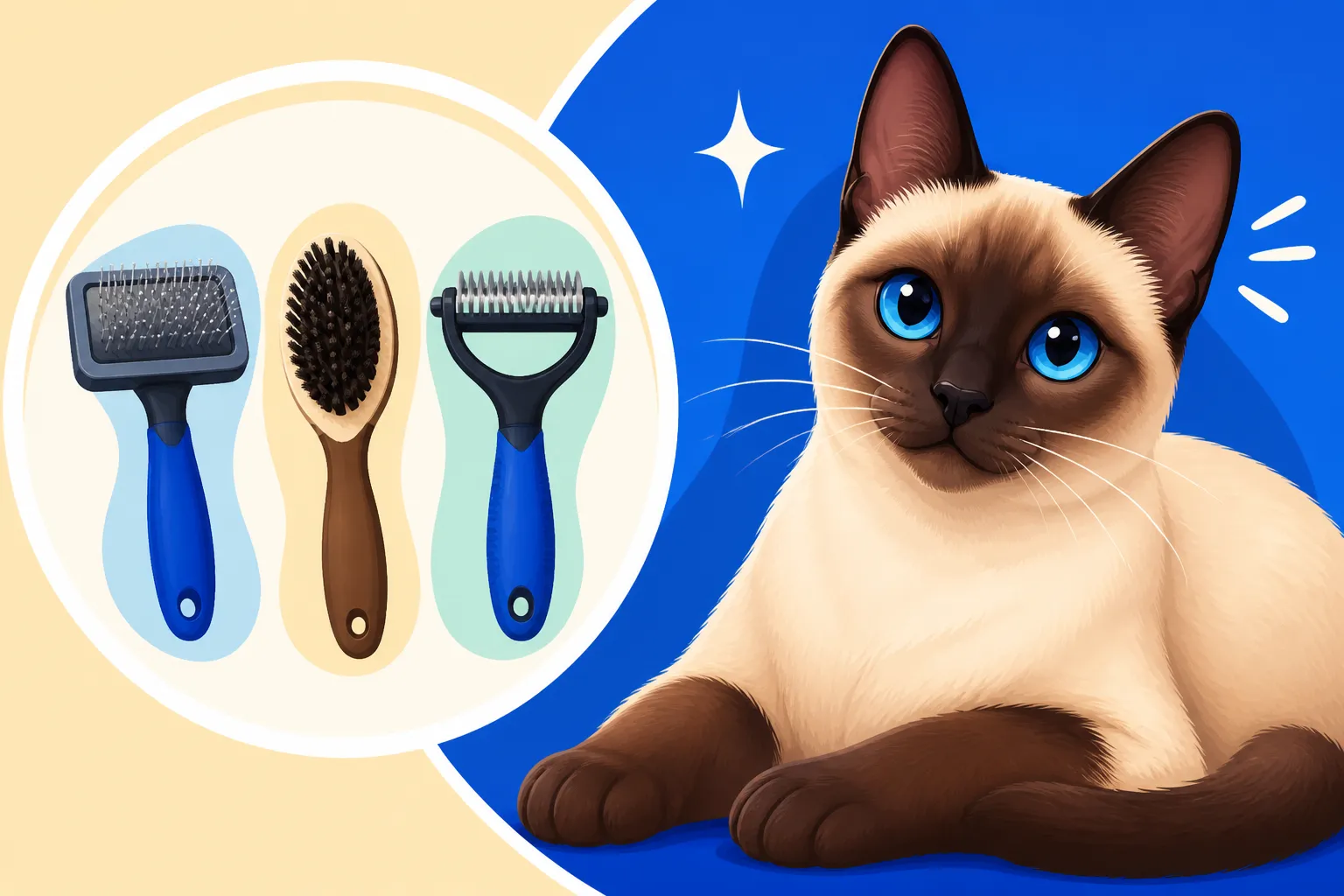
Which Brush a Siamese Cat Needs
It’s a common misconception that because Siamese cats have such sleek, short coats, they don't really need much in the way of regular grooming. Many first-time Siamese owners, or even seasoned cat parents, think a quick pat is enough, only to find their furniture covered in fine hairs or discover their elegant feline coughing up a hairball. This guide is here to unravel the truth about grooming your Siamese, specifically focusing on how to choose the right brush to keep their unique coat healthy, minimize shedding, and strengthen your bond without turning grooming into a wrestling match.
Understanding the Unique Siamese Coat
Before we even talk about brushes, let's really get into what makes a Siamese coat, well, Siamese. It's not like your typical fluffy long-haired cat, nor is it quite like a standard shorthair. Understanding these nuances is key to picking the perfect grooming tool.
The Short, Fine, and Close-Lying Nature
A Siamese cat's coat is truly a marvel. When you run your hand over their back, you'll immediately notice its distinct texture: it's incredibly short, very fine, and lies exceptionally close to their body. It feels almost like velvet, smooth and luxurious. This isn't a coat with a thick, insulating underlayer. Instead, it's designed for elegance and, perhaps surprisingly, a bit of warmth due to its density, despite being so sleek.
This unique structure means that a Siamese doesn't typically get matted or tangled like a Persian or a Maine Coon. You won't find yourself battling knots behind their ears or wrestling with dreadlocks on their belly. However, this doesn't mean their coat is entirely maintenance-free. The very fineness of the hair, coupled with its close-lying nature, means that loose hairs can often remain trapped within the coat, ready to transfer to your favorite black sweater or, worse, be ingested by your cat. For more on their sleek fur, you might want to read How Short a Siamese Cat's Coat Is.
Siamese Shedding: More Than Meets the Eye
Here's where many Siamese owners get a surprise: despite their short hair, Siamese cats absolutely shed. It's not usually the dramatic, tumbleweed-producing shedding of a fluffy breed, but it's a constant, fine, persistent release of hair. These individual hairs are so light and fine that they can cling to almost anything, becoming an unwelcome accessory on your clothes, upholstery, and even in your food.
The lack of a pronounced undercoat doesn't exempt them from shedding; it just changes how they shed. Instead of losing clumps of woolly hair, they shed individual guard hairs consistently. This means that if you're not regularly brushing your Siamese, those fine hairs will accumulate, not just on surfaces, but also within your cat's digestive system as they groom themselves. This can, and often does, lead to hairballs, which are no fun for anyone. You might find it helpful to understand How Much a Siamese Cat Sheds to set your expectations.
Why Regular Brushing is Essential for Your Siamese
Grooming isn't just about aesthetics; it's a vital part of your Siamese cat's overall health and well-being. Even with their "easy-care" coats, skipping regular brushing can lead to a host of issues, some of which are easily preventable.
Managing Shedding and Preventing Hairballs
Let's face it: no one enjoys finding cat hair everywhere, and certainly, no one enjoys cleaning up a hairball. Regular brushing is your number one defense against both. By taking a few minutes each day, or at least a few times a week, you're actively removing those loose, fine hairs before they have a chance to migrate onto your belongings or into your cat's stomach.
Think of it as a proactive measure. Every stroke of the brush picks up hairs that would otherwise be shed naturally around your home. More importantly, it significantly reduces the amount of hair your Siamese ingests during their self-grooming sessions. While Siamese cats don't typically get mats or tangles, which can be a relief, the sheer volume of shed hair, when not removed, becomes a digestive burden. Reducing this burden means fewer uncomfortable hairballs for your cat and fewer unpleasant surprises for you.
Promoting Skin Health and Coat Luster
Beyond just removing loose hair, brushing plays a crucial role in maintaining your Siamese's skin and coat health. The action of the brush stimulates blood circulation to the skin, which in turn promotes healthy hair growth. It also helps to distribute your cat's natural skin oils evenly across their coat. These oils are what give their fur that characteristic sleekness and beautiful luster. Without regular brushing, these oils can build up in some areas and leave others dry, potentially leading to dullness or even minor skin irritation.
Furthermore, grooming sessions offer a fantastic opportunity for you to do a quick health check. As you brush, you can feel for any unusual lumps, bumps, scratches, or hot spots that might otherwise go unnoticed. You can also spot fleas or dry, flaky skin early, allowing you to address potential issues before they become bigger problems. It's a hands-on way to connect with your cat and ensure they're in tip-top condition.
Building Bonds and Calming Your Energetic Meezer
Siamese cats are renowned for their personalities: they're intelligent, vocal, and incredibly attached to their humans. They thrive on interaction and attention. Regular grooming, when approached correctly, can transform from a chore into a cherished bonding ritual. Many Siamese cats absolutely adore being brushed, viewing it as an extended petting session. The gentle strokes can be incredibly soothing for them, especially if they associate it with positive experiences.
For such an energetic and sometimes demanding breed, a calm grooming session can be a wonderful way to wind down and reinforce trust. It teaches your cat to be handled gently and associate your touch with comfort and affection. This can be particularly beneficial for cats who might be nervous about vet visits or other necessary handling. It builds a routine that both you and your Siamese can look forward to, solidifying your unique relationship.
The Best Types of Brushes for a Siamese Cat
Given their unique coat, not all brushes are created equal for a Siamese. What works wonders for a fluffy Persian might be uncomfortable or ineffective for your sleek Meezer. Let's explore the top contenders.
Rubber Curry Brushes The Go-To Choice
When it comes to brushing a Siamese cat, the rubber curry brush is often considered the gold standard. These brushes, sometimes called rubber grooming mitts or de-shedding gloves, are incredibly effective and gentle, making them a favorite for both cats and owners.
A rubber curry brush features a series of soft, flexible rubber nubs or teeth that are designed to conform to your cat's body shape. As you stroke your cat, these nubs gently massage the skin, stimulating circulation, while simultaneously catching and pulling out loose, dead hairs from their short, close-lying coat. They are particularly adept at removing those fine, shedding hairs that other brushes might miss or simply push around. The rubber material also creates a slight static charge, which helps to attract and hold onto loose fur, preventing it from flying all over the room. Many owners find them incredibly easy to clean; often, the collected fur simply peels off in a neat pad. You can find excellent rubber curry brushes on platforms like Amazon or Chewy, offering various styles and sizes to fit your hand comfortably.
Fine-Toothed Combs and Deshedding Tools Use with Caution
While rubber brushes are excellent for daily maintenance, some owners might consider fine-toothed combs or specialized deshedding tools for a deeper clean, especially during heavier shedding periods. However, it's crucial to approach these with extreme caution when grooming a Siamese.
Fine-toothed combs, like flea combs, have very closely spaced teeth. They can be useful for catching any stray debris or actual fleas, and they can pull out some fine loose hairs. However, because Siamese coats are so delicate and lack a thick undercoat, these combs can easily pull healthy hair or irritate their sensitive skin if too much pressure is applied. Always use a very light touch.
Deshedding tools, often with metal blades designed to reach deep into the undercoat, are generally not recommended for Siamese cats. The very design of these tools is to remove significant amounts of undercoat, which your Siamese doesn't truly possess in the same way as, say, a domestic shorthair or a long-haired breed. Using such a tool on a Siamese can be overly aggressive, strip their healthy guard hairs, and cause skin irritation or even bald patches. If you do opt for a very gentle deshedding tool, choose one specifically marketed for short, fine coats, and use it sparingly and with the utmost care, ensuring you're not causing discomfort. Always keep in mind Why a Siamese Cat Has No Undercoat when selecting such tools.
Grooming Mitts and Wipes For a Quick Polish
For those quick touch-ups, last-minute shine, or if your Siamese isn't a huge fan of traditional brushes, grooming mitts and wipes can be wonderful additions to your routine. They offer a different approach to keeping your cat's coat looking its best.
Grooming mitts are typically made from soft microfiber or a similar material. You simply wear them on your hand and stroke your cat, much like you would pet them. The textured surface of the mitt helps to pick up surface dust, dander, and those fine, loose hairs that might be sitting on top of the coat. They're excellent for a quick polish before guests arrive or just to give your cat a comforting "pat down" that also serves a grooming purpose. Many cats, even those wary of brushes, tolerate or even enjoy the feeling of a grooming mitt, as it mimics natural petting.
Similarly, grooming wipes can be fantastic for maintaining freshness and removing light surface debris. These moist wipes are often infused with gentle, cat-safe cleansers or conditioners. They can remove dander, refresh the coat, and catch any loose hairs that are just sitting on the surface. They are particularly useful for wiping down paws or faces, or for cats who might have minor allergy issues and need regular dander reduction. While they don't offer the deep deshedding of a curry brush, they're perfect for in-between grooming sessions or for cats who appreciate a quick, calming wipe. Many brands, including those found on Chewy, offer a variety of cat-specific grooming wipes. For general cleanliness, you may be interested in How Often a Siamese Cat Should Be Wiped Down.
Here's a quick comparison of brush types for your Siamese:
| Brush Type | Pros | Cons | Ideal Use Case |
|---|---|---|---|
| Rubber Curry Brush | Gentle, effective for loose hair, massages skin, easy to clean. | Less effective for deep tangles (not an issue for Siamese). | Daily deshedding, stimulating circulation, bonding. |
| Fine-Toothed Comb | Good for debris/fleas, can remove fine hairs with caution. | Can pull healthy hair, irritate skin if not used gently. | Spot cleaning, flea checks, very careful deshedding. |
| Deshedding Tool | (Generally not recommended for Siamese coats due to lack of undercoat) | Too aggressive, can damage coat, irritate skin. | (Avoid for most Siamese cats). |
| Grooming Mitt/Glove | Mimics petting, good for light shedding, quick touch-ups. | Less effective for thorough deshedding than a curry brush. | Quick clean, bonding, cats sensitive to brushes. |
| Grooming Wipes | Removes surface dust/dander, refreshes coat, good for sensitive areas. | Not a primary deshedding tool, can be wasteful. | Between brushes, quick clean-ups, dander reduction. |
How to Brush Your Siamese Cat Effectively
Having the right brush is only half the battle; knowing how to use it in a way that your Siamese enjoys is the other, more crucial, part. Siamese cats are smart and sensitive, so approaching grooming with patience and positive reinforcement is key.
Creating a Positive Grooming Experience
The foundation of successful grooming is making it a positive, enjoyable experience for your Siamese. Start young if possible, but it's never too late to introduce grooming gently. Begin by letting your cat sniff and investigate the brush. Place it near them during cuddle time, letting them get used to its presence.
When you first introduce brushing, keep sessions very short—think 30 seconds to a minute. Don't force it. Choose a quiet time when your cat is relaxed, perhaps after a meal or a play session when they're winding down. Start with gentle strokes on areas they usually enjoy being petted, like their back or shoulders. Offer praise, gentle words, and maybe a small, high-value treat after a few strokes, even if it's just one or two. The goal is to create a strong positive association. If they get antsy, stop before they become distressed. You can always try again later. Consistency, gentleness, and positive reinforcement are your best tools here.
The Right Technique for a Short-Haired Cat
Once your Siamese is comfortable with the brush, you can start to incorporate a more effective technique. For a rubber curry brush, which is your primary tool, use short, gentle strokes moving in the direction of hair growth. Start from the head and work your way down to the tail.
Pay particular attention to their back, sides, and the top of their tail, as these are common shedding areas. Don't forget their chest and belly, which can also collect loose fur, but approach these areas more cautiously as some cats are more sensitive there. Apply light, consistent pressure – enough to feel the rubber nubs stimulating the skin without causing any discomfort. You should see loose fur gather on the brush or lift from the coat. If your Siamese shows any signs of irritation – twitching skin, flattened ears, tail lashing, or a growl – stop immediately. It's better to end the session on a positive note, even if it's brief, than to push them to the point of aversion. Remember, the goal isn't just to remove hair but to maintain their trust and comfort.
Frequency and Routine
The ideal frequency for brushing your Siamese depends a bit on the individual cat and the time of year. Generally, two to three times a week for 5-10 minutes per session is a good starting point. During peak shedding seasons (typically spring and fall, though indoor cats can shed year-round), you might find daily brushing more beneficial, especially with a rubber curry brush.
Establishing a consistent routine is helpful. Cats are creatures of habit, and integrating grooming into their regular schedule can make it more predictable and less stressful. Maybe it's after breakfast, or during your evening winding-down time. Observe your cat's coat and their reaction to brushing. If you notice more hair on your clothes, it might be time to increase frequency. If they seem to enjoy longer sessions, by all means, indulge them! The important thing is regularity and adapting to your cat's specific needs and preferences. For a deeper dive into how often to groom, check out How Often a Siamese Cat Needs Brushing.
Addressing Common Grooming Challenges
Even with the best intentions and the right tools, grooming can sometimes present a few hurdles. Siamese cats, with their strong personalities and sometimes delicate constitutions, might throw you a curveball.
Sensitive Skin and Allergic Reactions
Siamese cats often have quite fine, sensitive skin beneath their sleek coats. This means they can be more prone to irritation from harsh brushes or vigorous grooming. If you notice redness, flakiness, excessive itching after brushing, or small bumps, these could be signs of skin irritation or even an allergic reaction.
Always opt for brushes with soft, flexible materials like rubber, and avoid anything with sharp metal bristles. Use a very gentle touch and never "scrub" your cat's skin. If you suspect an allergic reaction, it could be to a product you're using (like a shampoo or a scented wipe) or even environmental factors. If the irritation persists, or if you see open sores or hair loss, a vet visit is definitely in order. They can rule out underlying skin conditions, allergies, or parasites that might be making your Siamese's skin extra sensitive. Choosing unscented, hypoallergenic wipes and gentle brushes is always a safe bet for this breed.
The Fussy Feline Who Hates Being Brushed
Not every Siamese will instantly fall in love with grooming, and that's okay. Some can be quite particular, even downright resistant. If your Siamese tries to escape, hisses, or even attempts to bite, forcing the issue will only make things worse and damage your bond.
For a fussy feline, it's all about patience and gradual desensitization. Start by simply having the brush nearby during positive interactions. Then, try just a single, light stroke, followed immediately by a favorite treat or playtime. Gradually increase the number of strokes, always stopping before your cat gets truly agitated. Distraction can also work wonders: try brushing while they're eating a favorite meal, or offer a lickable treat to keep them occupied. Experiment with different types of brushes; some cats prefer the feel of a rubber mitt over a rigid brush. Sometimes, a change of environment helps too—try brushing on a comfy blanket rather than a hard surface. The key is never to make grooming a punishment and always to end on a positive note, even if it means only a few seconds of successful brushing.
When Grooming Indicates a Health Issue
Regular grooming isn't just about superficial beauty; it's a critical opportunity for early detection of potential health problems. As you run your hands and brush over your Siamese, you're performing a mini-health check. Changes in their coat or skin can often be the first visible signs of an underlying issue.
Look out for excessive shedding that's suddenly much heavier than usual or doesn't resolve after a few days. Notice any bald patches, scabs, lesions, or hot spots. Feel for any new lumps or bumps under the skin. Pay attention to the texture of their coat; a suddenly dull, greasy, or flaky coat can indicate anything from dietary deficiencies to hormonal imbalances or kidney issues. If you detect any of these signs, especially if they persist or are accompanied by other symptoms like lethargy, changes in appetite, or excessive scratching, it's time to consult your veterinarian. Your vet can diagnose the problem and recommend appropriate treatment. Sometimes, the subtle changes you notice during a routine brush can be vital clues to your cat's overall health, perhaps even helping you understand Signs a Siamese Cat Is Unwell.
Disclaimer
This article is for general informational purposes only and does not constitute professional advice. Laws, prices and regulations vary by location and change over time. Consult a qualified professional for guidance on your specific situation.