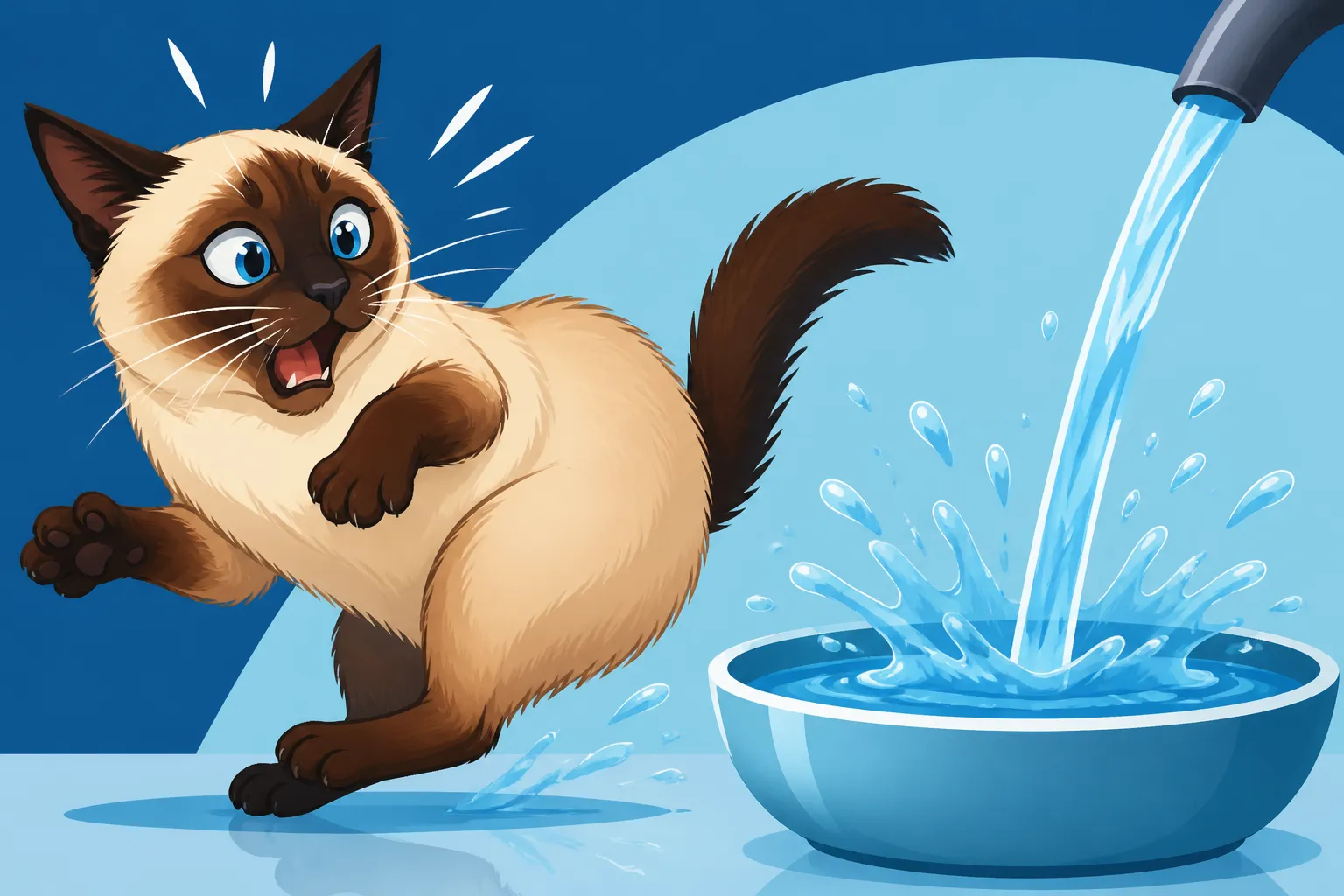
How a Siamese Cat Reacts to Water
Many cat owners have experienced the frantic dash, the terrified hiss, or the sudden claw-out ambush when their beloved feline accidentally encounters water. It's a commonly held belief that all cats despise water, and for many breeds, that's absolutely true. But if you're a Siamese cat parent, you might have noticed your sleek, vocal companion has a slightly different take. This guide will dive deep into the fascinating, and often surprising, ways a Siamese cat reacts to water, exploring their unique predispositions and offering practical advice for managing everything from curious splashes to necessary baths.
The General Feline Perception of Water
Before we get into the specifics of our talkative Meezers, it's helpful to understand why most cats develop such an aversion to water. It’s not just a quirky preference; it's deeply rooted in their history and physiology.
Why Most Cats Dislike Water: Instincts and Experiences
Think about their wild ancestors, stalking prey in dry, arid lands. They weren't exactly swimming through rivers or braving monsoon seasons. Their survival instinct didn't require water exposure, and often, getting wet could actually be detrimental. A drenched coat becomes heavy, making them clumsy, slow, and a prime target for predators. It compromises their ability to regulate body temperature, leading to chills. Moreover, getting wet strips their fur of natural oils, affecting its insulation properties and requiring extensive, time-consuming grooming to restore.
Beyond these ancestral instincts, many domestic cats have simply never had positive experiences with water. Their first encounter might be a sudden splash from a leaky faucet, an accidental fall into a tub, or a forced bath that was more traumatic than calming. These early, negative associations can cement a lifelong fear, making even a dripping tap a source of anxiety. It's a perfectly understandable reaction when you consider their delicate senses and the feeling of being stripped of control.
The Siamese Exception: Is it a Myth or Reality?
Now, here's where the Siamese cat often stands apart. While you'll still find plenty of Siamese who would rather walk across hot coals than get soaked, many owners report a marked difference in their water tolerance, and sometimes, even an outright fascination. Is this just a widespread myth, or is there some truth to the stories of Siamese cats playing in the shower or dabbling in the sink?
Anecdotal evidence strongly suggests that the Siamese breed, as a whole, tends to be more curious, and occasionally even enthusiastic, about water than their feline cousins. It's not uncommon to hear tales of a Siamese pawing at a running tap, investigating a full bathtub, or even attempting to "help" you in the shower. This isn't to say every Siamese will happily cannonball into a swimming pool, but their initial reaction is often one of investigation rather than immediate flight. This unique characteristic is part of what makes them such endlessly entertaining and often surprising companions.
Understanding the Siamese Cat's Relationship with Water
So, why the potential difference? It’s a mix of their intelligent, inquisitive nature and possibly some deeper, historical roots.
Playful Curiosity vs. Bathtime Dread
It's crucial to differentiate between a Siamese cat's playful curiosity and a genuine love for being fully submerged. Most Siamese cats who "like" water are actually fascinated by its movement, its sound, and the way it reacts when pawed at. They might bat at a stream from a faucet, watch the ripples in a full tub, or even dip a paw into their water bowl just to feel the sensation and watch the droplets fall. This is an exploratory, interactive kind of enjoyment.
However, this playful interaction rarely extends to a full, forced bath. The sheer volume of water, the constraint, the unfamiliar sensation of shampoo, and the loss of control can quickly turn a curious cat into a stressed one. A Siamese might enjoy watching water, but being in it is often a different story. They are highly sensitive creatures, and being held against their will while drenched can be profoundly unsettling. It’s important to respect this distinction and understand that their curiosity doesn't automatically translate to an easy bath.
Genetic Predispositions or Environmental Factors?
The theories behind the Siamese cat's potential affinity for water are varied. Some breeders and enthusiasts point to their ancestral origins in Southeast Asia, particularly Thailand (formerly Siam). It’s hypothesized that these cats might have lived closer to rivers or water bodies, adapting to a warmer, more humid climate where water exposure was perhaps more common or less detrimental than for desert-dwelling felines. While this is largely speculative, it offers a fascinating perspective on their potential evolutionary path.
Another strong contender is their innate intelligence and high energy levels. Siamese cats are incredibly clever and require a lot of mental stimulation. Water, with its unpredictable movements and interesting textures, provides a fantastic sensory experience that can captivate their sharp minds. How Clever a Siamese Cat Is often translates into exploring new things rather than automatically fearing them.
Environmental factors also play a huge role. Kittens introduced to positive water experiences early on, such as playing with shallow water in a tray or investigating a gently dripping tap, are far more likely to develop a neutral or even positive association with it. Conversely, a traumatic early experience can instill a fear in any cat, Siamese or not. It's a blend of nature and nurture, really, that shapes their unique water relationship.
Practical Scenarios: When Siamese Cats Encounter Water
Let's explore some common ways your Siamese might interact with water in daily life and what you can expect.
Drinking Fountains and Dripping Faucets
Many Siamese cats are absolutely obsessed with moving water. A dripping faucet can become a source of endless fascination, leading to playful swatting and attempts to drink directly from the stream. This isn't just a quirky habit; it taps into their instinctual preference for fresh, moving water, which in the wild would be less stagnant and therefore safer to drink than a still puddle.
This preference is why so many Siamese cat owners invest in water fountains. A good fountain not only provides a continuous stream of fresh, filtered water but also offers the engaging movement that appeals to their curious nature. Brands available on Amazon or Chewy offer a wide range of feline water fountains, from ceramic to stainless steel, many with multi-tiered designs and activated carbon filters. For a Siamese, a fountain often encourages increased hydration, which is vital for their overall health. How Much Water a Siamese Cat Should Drink is a crucial aspect of their well-being, and a fountain can be a great tool to ensure they stay hydrated.
Splashing in Bowls and Puddles
It's not uncommon to find a Siamese cat pawing at their water bowl, creating a small splash zone around it. They might dip their paws in, lick the water off their fur, or even try to "dig" at the bottom of the bowl. This isn't always about being messy; it's often a form of play and investigation. The tactile sensation of the water, the way it ripples and moves, provides mental stimulation that they thrive on.
If your Siamese has access to a secure outdoor space, you might observe them showing interest in rain puddles or even a bird bath. Again, this is usually an investigative or playful interaction rather than a full immersion. They might test the water with a paw or carefully lap at it, but a full swim is rare. It’s their way of interacting with their environment, fulfilling their natural curiosity.
The Infamous Bath: Is it Ever Easy?
Despite their playful interest in small amounts of moving water, the idea of a full bath still sends shivers down the spine of most Siamese cats, just like any other feline. Forcing a bath on an unwilling Siamese can be incredibly stressful for both of you, leading to scratches, vocal protests that could rival an opera singer, and a deeply traumatized cat.
| Water Encounter | Typical Cat Reaction | Siamese Cat Tendency |
|---|---|---|
| Dripping Faucet | Avoidance, slight curiosity | Fascinated, playful swatting |
| Water Fountain | May drink, sometimes ignore | Enthusiastic drinker, plays |
| Puddle/Standing Water | Avoidance, careful approach | May investigate with paw, drink |
| Accidental Splash | Immediate retreat, grooming | Startled, but recovers faster |
| Full Bath (Forced) | High stress, fight or flight | High stress, vocal protest |
| Full Bath (Introduced Early) | Tolerates, may even accept | Higher chance of acceptance |
While How Rarely a Siamese Cat Needs a Bath is a generally true statement for most cats with their meticulous self-grooming habits, there are times when a bath becomes a necessity. Perhaps they’ve rolled in something sticky, developed a skin condition requiring medicated shampoo, or simply gotten exceptionally dirty. In these situations, understanding how to approach the task with patience and preparation is key.
Encouraging Positive Water Experiences for Your Siamese
If your Siamese shows even a flicker of curiosity about water, you have a golden opportunity to foster positive associations.
Introducing Water Play Early
The younger a Siamese cat is when introduced to water in a positive, non-threatening way, the better. For kittens, you can start with very shallow trays of water, perhaps with a floating toy or two. The depth should be minimal, just enough to cover their paws. Supervise closely to ensure they don't get cold or distressed. The goal is to make it a game, not a chore.
You can also let them investigate a gently dripping tap or a slow-running shower from a safe distance. Allow them to approach and explore on their own terms, without forcing interaction. Positive reinforcement, like praise and small treats, can help create a happy memory. Over time, this can lead to a cat that views water with curiosity rather than fear.
Making Water Accessible and Engaging
Beyond the basic water bowl, there are many ways to make water an appealing feature in your home. As mentioned, water fountains are a huge hit with many Siamese cats. Look for ones with different flow settings to see what your cat prefers. Many cat parents find excellent options on Amazon, often with stainless steel or ceramic construction for easy cleaning.
Adding water-safe toys to shallow water dishes can also turn drinking into a game. What Toys a Siamese Cat Actually Uses often includes lightweight, buoyant toys they can bat around. You could also offer a wider, shallow dish that allows them to dip their paws without feeling trapped. Some people even create a small, shallow "cat pond" for supervised playtime using a sturdy, low-sided plastic tub filled with an inch or two of water and some floating toys. Always ensure the water is clean and fresh, and never leave your cat unsupervised with deeper water.
When Water Becomes a Necessity: Bathing Your Siamese
Even the most water-curious Siamese might object to a full bath. But if the situation demands it, here’s how to minimize stress and make it as calm an experience as possible. How to Bathe a Siamese Cat effectively is about preparation and patience.
Preparation is Key: Tools and Environment
Before you even think about putting your Siamese near water, get everything ready. This means having:
- Shampoo: Use only cat-specific shampoo, never human shampoo, as it can be too harsh for their skin. You can find excellent options on Chewy or at your local pet store.
- Towels: Several soft, absorbent towels are essential for drying.
- Non-slip Mat: Place this in the sink or tub to give your cat traction and make them feel more secure. A wobbly surface is a recipe for panic.
- Cotton Balls: Gently place these in your cat's ears to prevent water from entering, which can lead to infections.
- Warm Water: Have a pitcher or cup ready with comfortably warm water for rinsing. The water in the tub/sink should also be lukewarm, not hot or cold.
- Treats: High-value treats for positive reinforcement throughout the process, or immediately afterward.
- Calm Environment: Choose a quiet bathroom, close the door, and ensure no other pets or loud noises will startle your cat.
It helps to brush your Siamese thoroughly beforehand. Grooming a Siamese Cat Takes Five Minutes a Week is usually all they need, but a good pre-bath brush will remove loose fur and reduce matting when wet. Consider trimming their claws a day or two prior to prevent accidental scratches if they get agitated.
The Step-by-Step Bathing Process
- Start Small: Begin by gently placing your Siamese onto the non-slip mat in the dry tub or sink. Let them get accustomed to the space. Offer treats and praise.
- Introduce Water Gradually: Use a pitcher or a gentle showerhead (on a low setting) to slowly wet their body, starting from the neck down, avoiding their face. Talk to them in a calm, soothing voice throughout.
- Apply Shampoo: Lather a small amount of cat shampoo into their coat, gently massaging it in. Work quickly but calmly. Pay attention to areas that might be particularly dirty.
- Rinse Thoroughly: This is critical. Residual shampoo can irritate their skin and cause excessive post-bath grooming. Use the pitcher or low-pressure showerhead to rinse all shampoo out until the water runs clear. Again, avoid their face. For their face, use a damp washcloth to wipe it clean.
- Wrap and Dry: Immediately wrap your Siamese in a warm, absorbent towel. Gently pat and rub them dry. If your cat tolerates it, a hairdryer on the lowest, coolest setting can speed up the process, but many cats find the noise terrifying. Most Siamese cats have short, fine coats that dry relatively quickly. Continue to offer praise and treats.
- Post-Bath Comfort: Allow them to finish drying in a warm, draft-free room. They might groom themselves intensely, which is normal. Keep an eye on them for any signs of chills or distress.
Remember, the goal is to get the job done with as little trauma as possible. If your Siamese is truly panicked, it's safer to postpone or seek professional grooming advice.
Recognizing and Addressing Water-Related Stress
Even with the best intentions, some Siamese cats will simply not tolerate water immersion. Learning to read their cues is vital for their well-being and your safety.
Signs Your Siamese is Unhappy with Water
A stressed cat will communicate their discomfort, sometimes very clearly. When exposed to unwanted water, a Siamese cat might:
- Vocalize intensely: Their famous "Meezer yowl" will escalate into cries, growls, or hisses.
- Attempt to escape: They'll try to jump out of the tub, scratch at you, or cling to anything to get away.
- Flatten ears and dilate pupils: These are classic signs of fear and anxiety.
- Arch their back and fluff their tail: A defensive posture indicating they feel threatened.
- Shake or tremble: A clear sign of fear or being cold.
- Excessive grooming afterward: While some post-bath grooming is normal, frantic or obsessive licking can indicate residual stress or discomfort.
- Withdrawal: After a traumatic experience, they might hide or avoid interaction for a period.
Ignoring these signs can deepen their fear of water and even damage your bond with them. What a Siamese Cat's Temperament Is Really Like means they are highly sensitive and intelligent, meaning they remember negative experiences vividly.
Strategies for Reducing Fear and Anxiety
If your Siamese shows significant fear, never force the issue. Here are some gentler approaches:
- Positive Reinforcement: If your cat tolerates even a damp paw, reward it instantly with treats and praise. Build positive associations slowly.
- Short, Gentle Sessions: Instead of a full bath, try a quick, damp wipe-down with a warm, wet cloth if only a small area needs cleaning. Focus on minimal exposure.
- Avoid Force: Holding a struggling cat down will only increase their terror. If you can't manage it safely and calmly, it might be a job for a professional groomer or your vet.
- Professional Help: For cats with extreme phobias, your veterinarian might suggest mild sedatives for necessary baths or refer you to a certified feline behaviorist. Sometimes, underlying medical issues can make grooming painful, so if you notice your Siamese suddenly avoiding water or grooming, consult your vet. Signs a Siamese Cat Is Unwell can sometimes manifest in behavioral changes, including aversion to things they once tolerated.
Ultimately, understanding your individual Siamese cat's unique personality and preferences is key. Some will continue to bat playfully at the tap, while others will avoid water at all costs. By respecting their boundaries and making necessary water encounters as positive as possible, you ensure a happy and healthy life for your elegant companion.
Disclaimer
This article is for general informational purposes only and does not constitute professional advice. Laws, prices and regulations vary by location and change over time. Consult a qualified professional for guidance on your specific situation.