Why a Siamese Cat’s Ears Get Waxy
Oh, the waxy ear conundrum! If you're a Siamese cat owner, you've probably peered into those magnificent, oversized ears and wondered what exactly is going on in there. It can be quite alarming to see a build-up of gunk, whether it's a little more than usual or something truly dark and smelly. We worry about our expressive, vocal companions, and any sign of discomfort, especially around their sensitive ears, sends us straight into detective mode, trying to figure out what’s normal and what’s a red flag. This guide is here to help you understand why your Siamese cat's ears might be getting waxy, what it means, and when it’s time to call the vet.
The Unique Anatomy and Natural Ear Wax of a Siamese Cat
Let's start by understanding what's normal for our beloved Meezers. Siamese cats, with their sleek lines and distinctive features, often have rather large, expressive ears that are a hallmark of the breed. These ears are not just for listening to your every move (and judging your snack choices); they're also quite unique in their structure, which can sometimes play a role in how ear wax accumulates.
What is Normal Ear Wax Anyway?
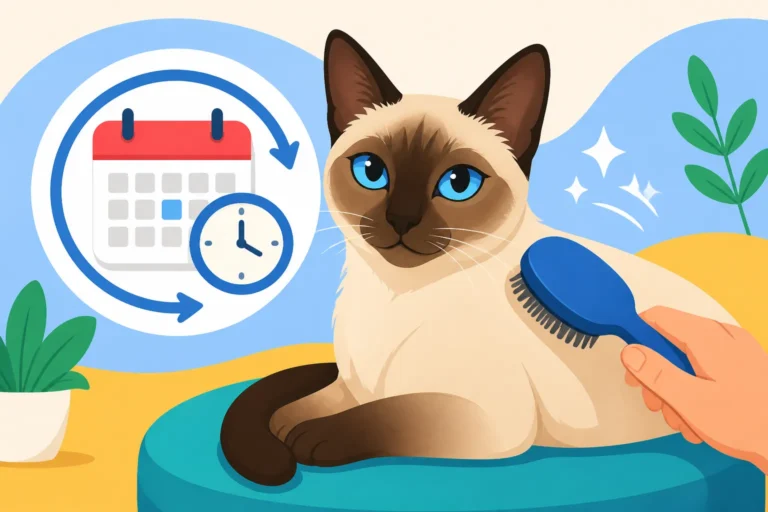
Just like humans, cats produce ear wax – or cerumen – naturally. It’s a completely healthy and essential substance! This wax is a mix of secretions from glands in the ear canal, dead skin cells, and hair. Its job is crucial: to protect the delicate inner ear from dust, dirt, foreign objects, and even bacteria. It acts as a natural cleaning agent, trapping debris and then slowly migrating out of the ear canal, carrying the gunk with it. When you see a little bit of light brown, almost golden, odorless wax in your Siamese's outer ear, especially after a good scratch, that’s perfectly normal. It's their body doing its thing to keep those beautiful ears healthy. Think of it as their internal tiny maid service, working diligently. You’ll find that Grooming a Siamese Cat Takes Five Minutes a Week, and a quick check of the ears is part of that routine.
How Siamese Ear Anatomy Might Influence Wax Buildup
Those striking, large ears on a Siamese cat aren't just for show. Their wider, more open ear canals, compared to some other breeds, can sometimes mean they're a bit more exposed to environmental factors. While this can be a good thing for airflow, preventing moisture buildup, it doesn't mean they're immune to issues. Their short, fine fur doesn't offer as much internal protection as the dense ear hair of some long-haired breeds, for example. However, generally, a healthy Siamese ear should be relatively clean. If you're noticing a sudden increase in wax, or a change in its color or consistency, it's usually a sign that something is a bit off, rather than a peculiarity of their breed. It means their natural cleaning system might be overwhelmed or compromised.
Common Culprits Behind Excess Ear Wax in Your Siamese
When that normal, light brown wax turns dark, becomes abundant, or starts to smell, it’s a clear signal that something else is going on. There are several common reasons why your Siamese might be experiencing excessive or abnormal ear wax, and it's important to understand them so you can seek appropriate help.
Ear Mites: Tiny Invaders Causing Big Problems
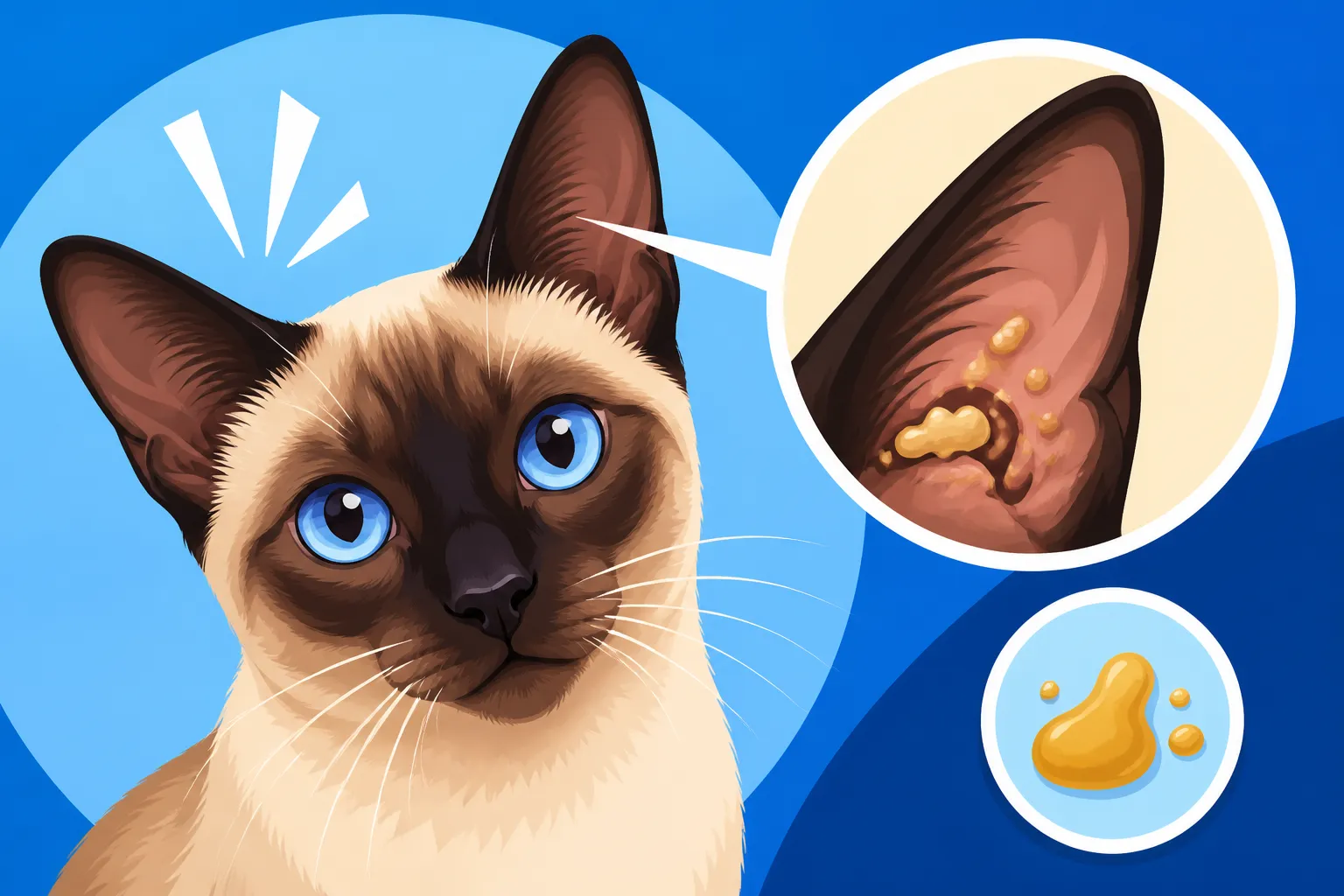
Oh, ear mites. These microscopic critters are often the first thing that comes to mind when you see dark, gritty ear wax, and for good reason. They are incredibly common, especially in kittens or cats who have spent time outdoors or in multi-cat environments. An ear mite infestation will typically present as very dark, almost black or coffee-ground-like discharge. This isn't just wax; it's a mix of wax, blood, and mite debris. Your poor Siamese will likely be scratching intensely at their ears, shaking their head, and generally looking quite miserable. The itching can be severe, and if left untreated, it can lead to secondary bacterial infections from all the scratching. You might even see small scabs around the ear flap.
It’s truly a testament to how uncomfortable they are when a cat who is usually so fastidious starts neglecting their grooming around their ears. This isn't a problem you can just wipe away; ear mites require specific medication from your veterinarian to eradicate them completely. Trying home remedies often just delays proper treatment, prolonging your cat's discomfort.
Bacterial and Yeast Infections: Unwelcome Guests
Beyond mites, the ear canal can also become a breeding ground for bacteria or yeast. These infections thrive in warm, moist environments, and while a Siamese cat's open ears might seem less prone, any underlying issue that leads to inflammation or excessive wax can set the stage. Bacterial infections often produce a yellow or brownish-green discharge, which can be quite foul-smsmelling. Yeast infections, particularly caused by Malassezia, tend to result in a dark brown, waxy discharge with a distinct sweet or yeasty odor – almost like stale bread.
Both types of infections are incredibly irritating. Your cat might show signs like head shaking, pawing at their ears, crying when their ears are touched, or even displaying signs of pain when you try to examine them. If your Siamese has Dental Disease in a Siamese Cat, sometimes the chronic inflammation in the mouth can even indirectly contribute to a cat being more susceptible to other infections, although it's not a direct cause of ear infections. These infections often require prescription ear drops or oral medication from your vet. Self-diagnosing and treating with over-the-counter remedies can be risky, as different types of infections require different treatments, and improper treatment can lead to resistance or worsen the condition.
Allergies: The Hidden Culprit
This one might surprise you, but allergies are a significant cause of chronic ear problems in cats, including Siamese cats. Just like humans, cats can suffer from environmental allergies (like pollen, dust mites, or mold) or food allergies. When an allergic reaction flares up, it often manifests as itchy skin, and the ears are a common target. The inflammation and irritation within the ear canal can lead to an overproduction of wax, making them more susceptible to secondary bacterial or yeast infections.
You might notice that your Siamese is itchy elsewhere on their body too – perhaps excessive licking or scratching at their paws or belly. They might have red, irritated skin. For food allergies, the symptoms often present as digestive issues, but skin and ear problems are also very common. If you suspect allergies, your vet might recommend a food elimination trial, where you feed a novel protein or hydrolyzed diet for several weeks to see if symptoms improve. Brands like Purina Pro Plan Veterinary Diets or Royal Canin Veterinary Diets offer these specialized foods, often available through retailers like Chewy or your vet's office. Similarly, if it's environmental, your vet might discuss antihistamines or other medications.
Foreign Objects and Other Issues
While less common, sometimes something as simple as a blade of grass or a tiny bug can get lodged in the ear canal, causing irritation, inflammation, and excessive wax production as the body tries to expel it. These cases can be quite painful and might lead to your cat holding their head tilted to one side. Growths, polyps, or even tumors inside the ear canal, though rare, can also obstruct the canal and interfere with normal wax drainage, leading to a buildup. These are serious conditions that definitely require veterinary attention for diagnosis and treatment.
When to Seek Veterinary Help for Your Siamese Cat's Waxy Ears
Knowing when to simply clean and when to call the vet can save your Siamese a lot of discomfort and potentially prevent more serious health issues. While a little bit of light brown wax is normal, any significant change warrants a professional opinion.
Red Flags That Demand Immediate Attention
It’s always better to be safe than sorry, especially when it comes to your cat’s health. Here are the signs that you absolutely should not ignore and need immediate veterinary attention:
- Dark brown, black, or coffee-ground-like discharge: This is almost always indicative of ear mites, which need specific treatment.
- Yellow, green, or strong-smelling discharge: These are classic signs of bacterial or yeast infections.
- Excessive scratching, pawing, or rubbing of the ears: This indicates significant irritation and discomfort.
- Head shaking or head tilting: Your cat might be trying to dislodge something or is experiencing pain/disorientation.
- Redness, swelling, or pain around the ear: These are clear signs of inflammation or infection.
- Loss of balance or walking in circles: While rare for just waxy ears, this can signal a deep ear infection affecting the vestibular system. Vestibular Disease in a Siamese Cat Kitten can occur, but in adult cats, it could be a sign of a very serious inner ear infection.
- Any visible lumps, bumps, or growths: These need to be examined by a vet immediately.
Your vet will likely perform an otoscopic exam to look deep into the ear canal, and might take a swab of the discharge for microscopic examination to identify mites, bacteria, or yeast. This diagnostic step is crucial for prescribing the correct medication. Sometimes, if the ear canal is very inflamed or painful, sedation might be needed for a thorough exam. Remember, your cat’s ability to hide pain is remarkable, so even subtle changes can be significant. Signs a Siamese Cat Is Unwell often include changes in behavior or grooming.
Understanding the Diagnostic Process at the Vet
When you take your Siamese to the vet for waxy ears, don't be surprised by the thoroughness of their approach. They're not just glancing in there; they're detectives looking for clues. First, they'll often conduct a general physical exam, as ear issues can sometimes be linked to systemic problems, like allergies affecting the whole body. Then comes the otoscope, a fancy light and magnifying tool that lets them peer deep into the ear canal, checking for redness, swelling, foreign objects, polyps, or even a ruptured eardrum.
The most common diagnostic step is cytology. This involves taking a small swab of the ear discharge, spreading it on a slide, staining it, and examining it under a microscope. This simple test is incredibly powerful, allowing the vet to identify if mites are present, or if there's an overgrowth of yeast or specific types of bacteria. Based on these findings, they can prescribe the most effective medication. Sometimes, if there's a severe bacterial infection or if initial treatments haven't worked, they might recommend a culture and sensitivity test, which helps pinpoint the exact type of bacteria and which antibiotics will be most effective against it. They might also discuss What a Siamese Cat's Yearly Bloodwork Should Cover as part of an overall health assessment.
Maintaining Ear Health and Preventing Future Issues for Your Siamese
Once any immediate issues are treated, preventative care becomes key to keeping those elegant Siamese ears healthy and free from excessive wax. It’s all about consistency and knowing your cat's normal.
Safe and Effective Ear Cleaning at Home
For routine maintenance and after a vet has given the all-clear, you can clean your Siamese cat’s ears at home. The key is gentle, consistent care. Never use cotton swabs deep inside the ear canal, as this can push wax further in or even damage the eardrum. Instead, use a vet-approved feline ear cleaning solution. You can often find these at pet supply stores or online at Chewy or Amazon.
Here's a simple, safe way to clean their ears:
- Gather your supplies: Ear cleaning solution, cotton balls or soft gauze pads, and treats for positive reinforcement.
- Gently hold your cat: It helps to have a second person if your cat is squirmy. Make sure they are comfortable and secure.
- Apply the solution: Hold the ear flap up and carefully squirt the cleaning solution directly into the ear canal until it's full. Don't worry, it won't hurt.
- Massage the base of the ear: Gently massage the base of the ear for about 20-30 seconds. You'll likely hear a squishy sound, which means the solution is breaking up the wax.
- Let them shake their head: Stand back and let your cat shake their head vigorously. This helps bring dissolved wax and debris to the surface.
- Wipe the outer ear: Use a cotton ball or gauze wrapped around your finger to gently wipe away any visible wax and debris from the outer ear flap and the entrance to the ear canal. Repeat until clean.
How often should you do this? For a healthy Siamese, every 2-4 weeks might be sufficient, or only when you notice a slight buildup. If your cat is prone to recurrent infections or allergies, your vet might recommend more frequent cleaning, perhaps once a week, to manage wax and reduce pathogen buildup. Remember, How Often a Siamese Cat's Ears Need Cleaning really depends on the individual cat and their specific health needs.
Dietary and Environmental Considerations
A holistic approach to your Siamese cat's health can significantly impact ear health. Diet, for instance, plays a huge role. If your cat has food allergies, switching to a high-quality, limited-ingredient diet can drastically reduce inflammation throughout their body, including their ears. Look for reputable brands with clear ingredient lists. Many high-quality cat foods are widely available, and some owners find fresh, human-grade options beneficial for cats with sensitivities. Always discuss dietary changes with your vet, especially for allergy management.
Environmental factors are also important. Reducing dust and allergens in your home can go a long way, especially if your Siamese has environmental allergies. Regularly vacuuming with a HEPA filter, using an air purifier, and keeping windows closed during high pollen seasons can all help. Whether an Air Purifier Helps a Siamese Cat's Asthma is a similar question, as allergies can affect both the respiratory system and the skin/ears. Avoiding irritants like strong perfumes, scented candles, or dusty cat litter can also make a difference. Opt for low-dust or unscented litter to minimize inhaled irritants.
The Importance of Regular Vet Check-ups
Even with diligent home care, regular veterinary check-ups are paramount. During these visits, your vet can give your Siamese a thorough examination, including their ears, and catch any potential issues before they become major problems. Early detection is key to successful treatment, especially for conditions like chronic allergies or recurring infections. Your vet might also recommend specific prophylactic treatments if your Siamese is particularly prone to ear issues. Staying proactive and attentive to your Siamese cat’s ears will help ensure they remain comfortable, healthy, and ready to share all their opinions with you!
| Ear Condition | Common Appearance of Wax | Smell | Cat's Behavior | Action Needed |
|---|---|---|---|---|
| Normal Wax | Light brown/golden, minimal | Odorless | No discomfort | Routine gentle wiping, occasional cleaning |
| Ear Mites | Dark brown, black, gritty (like coffee grounds) | Minimal or slightly pungent | Intense scratching, head shaking, pawing, discomfort | Vet visit for diagnosis and prescription treatment |
| Bacterial Infection | Yellow, greenish, sometimes pus-like | Foul, pungent | Pain, head shaking, scratching, swelling, redness | Vet visit for diagnosis and prescription antibiotics |
| Yeast Infection | Dark brown, waxy, greasy | Sweet, yeasty | Itching, head shaking, redness, thickening of ear skin | Vet visit for diagnosis and prescription antifungals |
| Allergies | Variable, often excess light to dark brown wax | Variable, can be yeasty | Generalized itching, pawing at ears, head shaking, skin irritation elsewhere | Vet visit for diagnosis and allergy management plan |
| Foreign Object | Variable, sometimes bloody or purulent | Variable | Sudden onset of pain, head tilting, pawing, shaking, one-sided symptoms | Vet visit for removal and potential follow-up treatment |
Disclaimer
This article is for general informational purposes only and does not constitute professional advice. Laws, prices and regulations vary by location and change over time. Consult a qualified professional for guidance on your specific situation.