How Much Water a Siamese Cat Should Drink
One of the most common worries we hear from Siamese cat parents is about their water intake. You see your energetic, vocal companion darting around, always on the go, and then glance at the water bowl, which seems barely touched. It’s easy to stress, wondering if they’re getting enough to keep those busy bodies healthy, especially when you know how sensitive their systems can be. This comprehensive guide is here to put your mind at ease by breaking down exactly how much water your Siamese cat truly needs, how to spot signs of dehydration, and most importantly, practical, effective ways to encourage them to drink more.
Understanding Your Siamese Cat's Water Needs
It's a common misconception that all cats hate water. While some certainly do, the issue is more about instinct and preference, which we'll dive into. For a Siamese, with their unique metabolism and boundless energy, understanding their hydration requirements is a cornerstone of good care.
The Baseline: What's "Normal" for a Cat?
Let's start with a general rule of thumb for felines: cats need approximately 20-40 milliliters of water per kilogram of body weight per day, or roughly 1 ounce per pound. This isn't a hard and fast rule, of course, but it gives us a ballpark. A typical adult Siamese cat, known for their slender, athletic build, might weigh anywhere from 6 to 12 pounds (about 2.7 to 5.4 kg). This means they could need between 6 to 12 ounces of water daily.
Now, that might sound like a lot, or perhaps not much at all, depending on how you're picturing it. But here's the thing: Siamese cats are lean, muscled, and often incredibly active. They are the marathon runners of the cat world, not the couch potatoes. This high metabolism means they're constantly burning energy, and efficient bodily functions rely heavily on adequate hydration. You might notice your Siamese seems to burn through calories fast, keeping them wonderfully svelte, and this constant activity also means they're using up more water than a more sedentary breed might. So, while the numbers offer a guide, always consider your individual cat's lifestyle.
Why Hydration is Crucial for Siamese Cats
Proper hydration is far more than just quenching thirst; it's absolutely vital for several key aspects of your Siamese's health. Their kidneys, in particular, benefit immensely from a steady supply of fresh water. Many cat breeds, including the Siamese, can be prone to kidney issues as they age, and maintaining good hydration can go a long way in supporting renal function. Kidney Disease in an Older Siamese Cat explores this in more detail.
Beyond the kidneys, water plays a critical role in maintaining a healthy urinary tract. Adequate fluid intake helps to flush out toxins and keeps urine diluted, which can reduce the risk of urinary crystals and infections – a common and painful problem in cats. When urine is too concentrated, minerals can crystallize, leading to discomfort or even blockages, which are veterinary emergencies. Good hydration also aids in digestion, helping food move through the system smoothly and preventing constipation. It even helps regulate body temperature, something you might not think about with a cat, but their internal systems rely on this delicate balance. Given the Siamese's active, vocal, and often demanding nature, they need every system firing optimally. Their energy, their playful antics, and even their famous "Meezer yowl" all require a well-hydrated body.
Calculating Your Siamese Cat's Ideal Daily Intake
Let's get a bit more practical with those numbers. If you have a 10-pound Siamese, they'd theoretically need roughly 10 ounces of water per day. How much is that? Think of a small glass of water. It's not a huge amount, but it needs to be consistent.
Here's a small table to give you a clearer idea:
| Siamese Cat Weight (lbs) | Siamese Cat Weight (kg) | Estimated Water Intake (oz) | Estimated Water Intake (mL) |
|---|---|---|---|
| 6 | 2.7 | 6-10 | 180-300 |
| 8 | 3.6 | 8-14 | 240-420 |
| 10 | 4.5 | 10-18 | 300-540 |
| 12 | 5.4 | 12-22 | 360-660 |
Remember, these figures are a guideline. Your cat isn't going to measure their intake with a tiny cup. The most important thing is to ensure consistent access to fresh water and to observe their habits. A Siamese cat's actual intake will fluctuate based on several factors, including their diet, activity level, and the ambient temperature, which we'll explore next. Don't get too hung up on hitting an exact number every single day, but use it as a reference point for overall health monitoring.
Recognizing the Signs of Dehydration in Siamese Cats
It's natural to worry about your Siamese not drinking enough, especially since they're masters at masking discomfort. Dehydration can creep up quickly, and knowing the signs is paramount for early intervention.
Subtle Early Warnings
Often, the first signs of dehydration are subtle, and it takes a keen eye from a devoted Siamese parent to catch them. One of the earliest indicators can be a slight dip in their usual boundless energy. If your typically vivacious Siamese seems a little more lethargic than usual, perhaps less inclined to chase a feather wand or engage in their typical vocal conversations, it could be an early warning. They might also show a reduced interest in their food, which, for a Siamese who often acts like a bottomless pit, is a significant change.
Another important sign is observing their gums. Healthy cat gums are moist and pink. Gently lift your Siamese's lip (if they allow it without too much fuss!) and press a finger against their gum. It should turn white briefly and then return to pink almost immediately, within 1-2 seconds. If it takes longer, or if their gums feel tacky or dry to the touch, it's a red flag. Their eyes might also appear a little sunken, though this can be harder to spot in such a lean-faced breed. A quick way to test skin elasticity is the "skin tent test." Gently grasp a fold of skin, ideally over their shoulder blades, and pull it up slightly. When you release it, it should snap back into place almost instantly. If it retracts slowly or remains "tented" for a couple of seconds, your cat is dehydrated.
More Obvious Red Flags
If the subtle signs are missed, dehydration will progress, leading to more overt and concerning symptoms. A noticeable reduction in urination or urine that appears darker and more concentrated is a clear indicator. You might find their litter box has fewer clumps or that the clumps are smaller and harder. Conversely, severe dehydration can sometimes lead to straining in the litter box, as their bowels become impacted due to lack of fluid. Signs a Siamese Cat Is Unwell covers a broader range of general illness symptoms that can overlap with severe dehydration.
A severely dehydrated Siamese will be visibly lacking energy, perhaps even reluctant to move. They might seek out cool, quiet spots to rest, though it's important to remember that Siamese cats are also notorious for seeking warmth, so this could be confusing. However, a significant deviation from their normal behavior, such as a normally chatty Siamese becoming uncharacteristically quiet or a playful one refusing to engage, should prompt concern. Vomiting and diarrhea can also lead to rapid dehydration, so if your cat is experiencing these symptoms, monitoring their water intake and seeking veterinary advice is crucial.
Why Dehydration is Especially Dangerous
Dehydration, if left untreated, can have grave consequences, especially for a breed like the Siamese. It can quickly exacerbate any underlying health conditions, particularly kidney issues. The kidneys rely on adequate fluid to filter waste products from the blood. When a cat is dehydrated, this filtering process becomes less efficient, allowing toxins to build up in the body. This can be particularly concerning for older Siamese cats. Kidney Disease in an Older Siamese Cat explains how detrimental this can be.
Beyond kidney complications, severe dehydration can lead to electrolyte imbalances, which impact heart function and nerve impulses. It can also increase the risk of urinary blockages or the formation of painful stones, especially in male cats, which constitute a life-threatening emergency. Essentially, every bodily system relies on proper hydration to function correctly. A Siamese cat's lively disposition means their body is constantly working, making them particularly vulnerable when fluids are low. A mild case of dehydration can quickly spiral into a serious emergency, requiring immediate veterinary intervention and potentially intravenous fluid therapy to rehydrate them. Never underestimate the seriousness of a cat that isn't drinking.
Factors That Influence a Siamese Cat's Water Intake
Understanding how much water your Siamese should drink is one thing, but knowing why they might be drinking more or less is just as important. Several factors can play a significant role in your cat's daily hydration habits.
Diet Type: Wet Food vs. Dry Kibble
This is arguably the most critical factor influencing your Siamese cat's water intake from their bowl. Cats are naturally designed to get much of their hydration from their prey. A mouse, for example, is about 70-80% water. This means they don't have an incredibly strong thirst drive compared to, say, a dog, because historically, their diet provided most of their fluid.
- Wet Food: If your Siamese cat eats a diet primarily consisting of wet or canned food, they will naturally drink significantly less from their water bowl. Wet food typically contains around 70-80% moisture, mimicking the water content of their natural prey. This is fantastic for their overall hydration and often recommended by veterinarians for cats prone to urinary or kidney issues.
- Dry Kibble: On the flip side, dry kibble contains a mere 5-10% moisture. This is where the concern often arises. A Siamese cat on an exclusively dry food diet must make up that massive moisture deficit by drinking more water. If they don't, they will constantly be in a state of mild dehydration, which over time can stress their kidneys and urinary tract. It's not to say dry food is inherently "bad," but it places a much greater responsibility on the owner to ensure their cat is drinking enough supplemental water. Many owners find it challenging to get their Siamese to drink enough if they are solely on kibble. Whether a Siamese Cat Should Eat Dry Food delves into this topic further.
Activity Level and Environment
Your Siamese cat's activity level is a huge determinant of how much water they need. These aren't quiet, sedentary cats who nap all day. A Siamese that spends its days chasing toys, climbing cat trees, engaging in lengthy "conversations," or even leash-walking outdoors will burn more calories and consequently need more fluids than a more subdued individual. Think of it like a human athlete: the more you exert yourself, the more you need to hydrate.
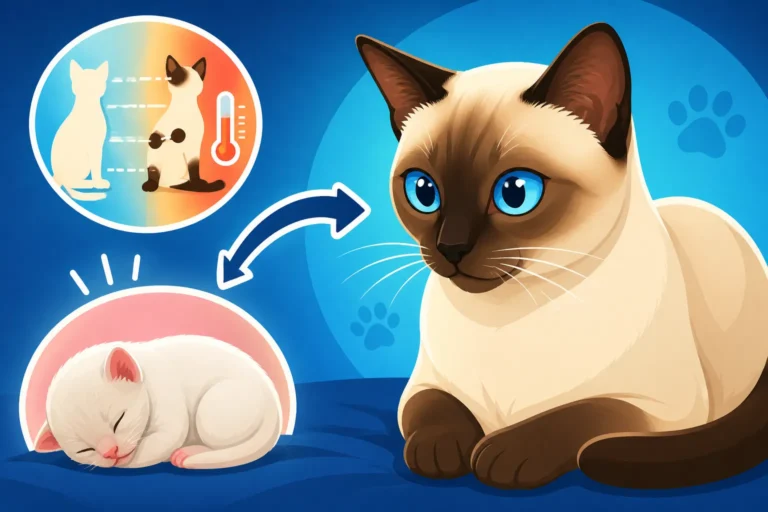
The environment also plays a crucial role. A warm, dry home, especially during winter months when central heating is blasting, can quickly lead to increased fluid loss through respiration. Cats don't sweat like humans, but they do lose moisture through panting (though panting in a cat, unless exercising vigorously, can also be a sign of distress or illness) and evaporation from their lungs. If your Siamese is constantly seeking out warm spots, like curled up on a radiator or under a blanket, they might also be losing more moisture. Keeping a Siamese Cat Warm explores how Siamese cats are sensitive to temperature, which in turn influences their water needs. Similarly, stress can affect a cat's drinking habits; some cats might drink less when stressed, while others might over-drink as a coping mechanism.
Age, Health, and Medications
A Siamese cat's life stage and overall health can significantly alter their water requirements.
- Age: Kittens are growing rapidly and are very active, requiring consistent hydration. As cats age, their bodies often become less efficient at retaining water. Older Siamese cats, especially those over 12 years, may start drinking more than usual. This increased thirst, known as polydipsia, is a classic symptom of several common senior cat ailments. What Changes in a Siamese Cat After Twelve highlights many aspects of senior cat care, including changes in drinking habits.
- Health Conditions: Conditions such as hyperthyroidism, diabetes, and kidney disease can all cause a significant increase in a cat's thirst. If your Siamese suddenly starts emptying their water bowl or demanding water constantly, it's not always a good sign; it could be their body trying to compensate for an underlying issue. Hyperthyroidism in an Older Siamese Cat and Diabetes in a Siamese Cat explain these conditions in detail. Conversely, a cat feeling unwell might refuse to drink altogether, which is a serious concern.
- Medications: Certain medications, like diuretics or steroids, can increase thirst and urination, meaning your cat will need to drink more to stay hydrated. Always discuss potential side effects with your veterinarian when your cat is on new medication.
Effective Strategies to Encourage Your Siamese Cat to Drink More
It's clear that getting enough water is vital, but how do you encourage a sometimes finicky Siamese to drink up? Luckily, there are many effective strategies you can employ to make hydration more appealing.
The Power of Water Fountains
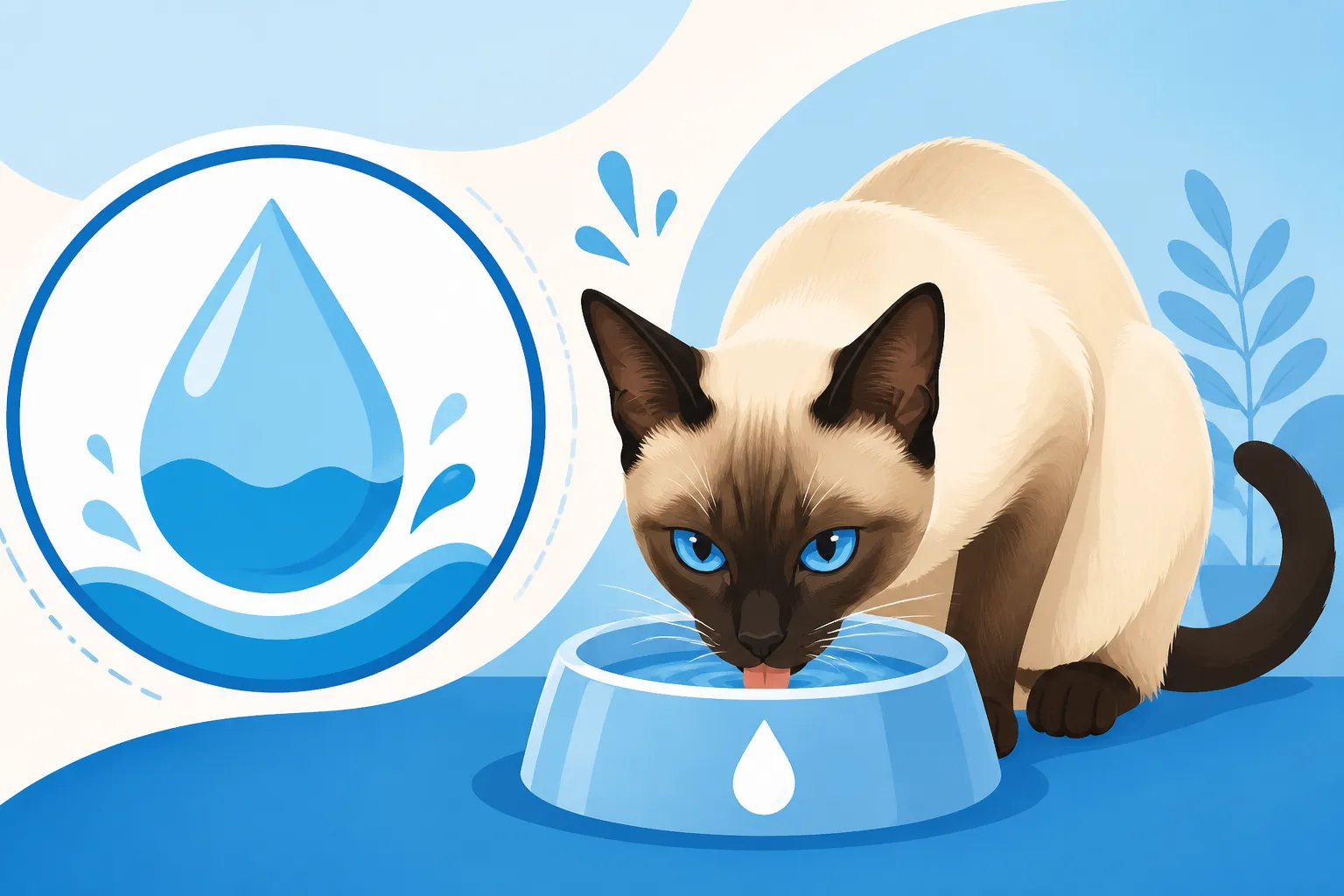
One of the most impactful changes you can make is investing in a good quality cat water fountain. Cats are instinctively drawn to moving water. In the wild, stagnant water can be contaminated, so running water often signals freshness and safety. This ancient instinct means many cats, including discerning Siamese, prefer drinking from a fountain over a still bowl.
There are various types of fountains available, typically made from ceramic, stainless steel, or BPA-free plastic. Each material has its pros and cons, which we'll cover in the next section. Many popular brands offer excellent options, readily available from online retailers like Chewy and Amazon. Some fountains offer multiple flow settings, like a gentle bubbling spring or a cascading waterfall, allowing you to find what your particular Siamese prefers. The sound of trickling water can also be incredibly enticing, drawing them in to investigate and, hopefully, drink! While they require regular cleaning and filter changes, the benefits for your cat's health often far outweigh the minor maintenance.
Strategic Bowl Placement and Variety
The location and type of water bowl can make a huge difference. Cats, including the very sociable Siamese, have some peculiar preferences.
- Multiple Locations: Don't just have one water bowl next to their food dish. Many cats dislike drinking right next to their food, perhaps because in the wild, prey could contaminate their water source. Place multiple water bowls around your home in quiet, accessible spots. Consider putting a bowl in their favorite sunbeam, near a window where they like to bird-watch, or even in a bathroom sink, as some cats enjoy drinking from faucets. Just be mindful of placing bowls too close to the litter box; no one wants to drink next to their toilet!
- Bowl Materials and Shapes: Experiment with different bowl materials. Some cats develop aversions to plastic bowls, which can retain odors or even cause feline chin acne. Try ceramic, glass, or stainless steel bowls. The shape also matters; many Siamese seem to prefer wide, shallow bowls that don't press against their sensitive whiskers, a phenomenon known as "whisker fatigue." A wider surface area also allows them to drink without feeling vulnerable to what's around them.
Boosting Water Content in Food
This is perhaps the most natural way to ensure your Siamese cat is getting enough moisture, especially if they're on a dry food diet.
- Transition to Wet Food: If possible, consider gradually transitioning your Siamese to an all-wet food diet or at least incorporating more wet food into their meals. This immediately boosts their daily water intake without them even trying.
- Adding Moisture: For those who prefer dry kibble, you can still enhance its moisture content. Try adding a small amount of plain, low-sodium chicken or beef broth (ensure it contains no onions or garlic, which are toxic to cats) to their kibble. Some owners even add a little extra water to wet food to create a more soupy consistency, especially if their cat isn't prone to vomiting it up. Even a tiny bit of tuna juice (from tuna packed in water, not oil) mixed with water can be an irresistible treat that encourages drinking.
- Frozen Treats: In warmer weather, or just for a fun treat, you can freeze small amounts of diluted broth or tuna water into ice cube trays. These “broth pops” can be a refreshing and hydrating snack. Always introduce new foods or additives slowly to avoid upsetting their digestive system.
Choosing the Right Water Source and Bowls for Your Siamese Cat
Just like humans have preferences for their drinking vessels, your discerning Siamese cat is likely to have opinions on where and how they get their water. Making smart choices here can significantly impact their willingness to hydrate.
Materials Matter: What Your Siamese Cat Prefers
The material of your cat's water bowl or fountain can influence how much they drink. It's not just about aesthetics; it's about hygiene, taste, and even sensory experience.
- Stainless Steel: This is often considered the gold standard. Stainless steel is non-porous, making it highly hygienic and incredibly easy to clean. It resists bacteria growth, doesn't retain odors, and doesn't impart any taste to the water. It's also very durable and hard for a boisterous Siamese to knock over. Many of the best cat fountains, often found on Amazon or Chewy, are made from stainless steel for these very reasons.
- Ceramic: Ceramic bowls can be lovely and heavy, which makes them stable and less likely to slide around. They can also keep water cooler than plastic. However, they are porous unless properly glazed, and even with glazing, microscopic cracks can develop, harboring bacteria over time. Always ensure ceramic bowls are specifically food-grade and lead-free. They also need very regular, thorough cleaning.
- Plastic: While inexpensive and widely available, plastic bowls are generally the least recommended option. Plastic can scratch easily, and these tiny scratches become breeding grounds for bacteria. They can also absorb odors and flavors, making the water less appealing. Some cats can develop feline chin acne from plastic bowls, as the bacteria irritate their skin. If you must use plastic, opt for high-quality, BPA-free plastic and replace bowls frequently, cleaning them daily.
- Glass: Glass bowls are another excellent hygienic option. They are non-porous, easy to clean, and don't retain odors or impart taste. They are also heavy and stable. The main downside is their fragility; a clumsy knock can easily lead to breakage, which isn't ideal in a multi-pet household or with a playful Siamese.
Fountain Features and Maintenance
If you've decided a water fountain is the way to go (and for many Siamese, it truly is!), understanding its features and the maintenance involved will help you choose wisely.
- Filtration Systems: Most cat water fountains come with charcoal or activated carbon filters. These filters help remove impurities, odors, and tastes from the water, making it fresher and more palatable. Some advanced models also include foam filters to catch hair and debris, preventing pump clogs. Regular filter replacement is crucial for the fountain to do its job effectively, usually every 2-4 weeks, depending on the fountain and the number of pets using it.
- Flow Options: Fountains often offer different water flow styles. Some create a gentle bubble, others a bubbling stream, and many mimic a faucet or waterfall. Observe your Siamese: do they like to lap from a still surface, or are they fascinated by a stream of water? Many fountains allow you to adjust the flow rate to find their preference.
- Ease of Cleaning: This is paramount. A dirty fountain is worse than a dirty bowl. Look for fountains that are easy to disassemble and clean thoroughly. Dishwasher-safe parts are a huge plus. The pump, in particular, needs regular cleaning to prevent slime and debris buildup, which can reduce its lifespan and make the water less appealing. Don't forget to check customer reviews on Chewy or Amazon for insights into cleaning difficulty.
The Importance of Cleanliness and Freshness
No matter what type of water source you choose, impeccable cleanliness and freshness are non-negotiable for a Siamese cat. Cats are notoriously finicky, and they rely on their keen sense of smell. Stale, warm, or dirty water is instantly off-putting.
Imagine you're offered a glass of water that's been sitting out all day, collecting dust and maybe a few stray hairs. You probably wouldn't touch it. Your Siamese feels the same way, perhaps even more strongly.
- Daily Cleaning: Water bowls should be washed daily with soap and hot water, just like you wash your own dishes. Fountains, while having filters, still need their reservoirs and other parts cleaned thoroughly at least once a week, if not more frequently, to prevent biofilm (that slimy residue) from forming.
- Fresh Water: Always provide fresh, cool water daily, topping it up as needed. If you notice the water is looking cloudy or has debris in it, change it immediately. Some cats are very particular about water temperature, often preferring it cool. Keeping water bowls away from direct sunlight or heat sources can help maintain a more appealing temperature. This consistent attention to quality makes a significant difference in encouraging your Siamese to stay well-hydrated throughout their long and active life. What a Siamese Cat Costs Over Twenty Years includes the ongoing costs of these supplies.
When to Worry: Consulting Your Vet About Water Intake
While fluctuations in water intake can be normal, there are definite signs that indicate it's time to seek professional veterinary advice. As a Siamese owner, you're attuned to your cat's quirks, and a noticeable change in their drinking habits should always be taken seriously.
Sudden Changes in Drinking Habits
A sudden, dramatic increase or decrease in your Siamese cat's water consumption is a red flag. If your normally modest drinker suddenly starts emptying the water fountain multiple times a day, or conversely, completely ignores it for an extended period, pay attention.
- Increased Thirst (Polydipsia): A significant and sustained increase in thirst can be a symptom of several serious underlying health conditions. This isn't just a slight uptick; we're talking about a cat who seems insatiably thirsty. Conditions like diabetes, which can affect Siamese cats, often manifest with increased thirst and urination. Diabetes in a Siamese Cat provides more context. Kidney disease, particularly in older Siamese cats, also leads to increased drinking as their kidneys become less efficient at concentrating urine, requiring them to drink more to try and flush out toxins. Kidney Disease in an Older Siamese Cat is an essential read if you observe this. Hyperthyroidism is another common culprit in senior cats, causing an increased metabolism that can lead to greater water needs.
- Refusal to Drink: A complete refusal to drink for a full day or more, especially if your cat is normally on a dry food diet, is an emergency. It can quickly lead to severe dehydration and organ damage. Even if they are on wet food, a complete lack of interest in any fluid sources for an extended period is cause for concern.
Symptoms Accompanying Low Water Intake
It's not just about how much they're drinking, but also what other symptoms might be present. When a change in water intake is coupled with other signs of illness, it elevates the situation to a potentially critical level.
If your Siamese cat is drinking less and showing any of the following symptoms, contact your veterinarian immediately:
- Vomiting or Diarrhea: These conditions rapidly deplete fluids and electrolytes, making dehydration extremely dangerous.
- Loss of Appetite: If your normally food-motivated Siamese stops eating, combined with not drinking, their energy levels will plummet, and their body will quickly suffer.
- Lethargy or Weakness: A cat that is unusually quiet, sluggish, unable to jump, or generally seems unwell.
- Changes in Urination: Significantly decreased urination, straining to urinate, or urinating outside the litter box (which could indicate a urinary tract infection or blockage, exacerbated by dehydration).
- Physical Signs of Dehydration: Pronounced dry or tacky gums, severely sunken eyes, or skin that remains "tented" for several seconds after being gently pinched.
Any combination of these signs suggests a serious problem that needs prompt veterinary assessment. Signs a Siamese Cat Is Unwell details many of these symptoms and when to seek help. Don't try to wait it out or self-diagnose; early intervention can make all the difference.
The Vet's Role: Diagnosis and Treatment
When you consult your veterinarian about changes in your Siamese's water intake, they will perform a thorough physical examination, which includes checking for signs of dehydration. Beyond that, diagnostics are key to pinpointing the underlying cause.
- Blood Work: A comprehensive blood panel can reveal a wealth of information. It can show markers for kidney function (BUN, creatinine), liver enzymes, electrolyte balances, and blood glucose levels (important for diabetes diagnosis).
- Urinalysis: A urine sample provides critical information about kidney function, urine concentration, presence of infection, crystals, or glucose. This helps confirm or rule out urinary tract issues, kidney disease, or diabetes.
- Imaging: In some cases, X-rays or ultrasounds might be recommended to look for urinary stones, kidney abnormalities, or other internal issues.
Depending on the diagnosis, treatment will vary. For severe dehydration, intravenous (IV) fluids may be administered to rapidly rehydrate your cat and correct electrolyte imbalances. This often involves a short hospital stay. If an underlying condition is identified, such as diabetes or kidney disease, your vet will work with you to develop a management plan, which might include dietary changes, medication, or ongoing fluid therapy. It’s important to attend regular wellness exams for your Siamese cat, as early detection of issues like these can be life-changing. How Often a Siamese Cat Needs a Wellness Exam is a great resource to learn more. Never hesitate to contact your vet; they are your best resource for keeping your beloved Siamese healthy and well-hydrated.
Disclaimer
This article is for general informational purposes only and does not constitute professional advice. Laws, prices and regulations vary by location and change over time. Consult a qualified professional for guidance on your specific situation.