How Much a Siamese Cat Lightens in Summer
It's a common, almost enchanting observation for Siamese cat parents: as the seasons shift, so too does their beloved feline's coat color. You might find yourself wondering if your beautiful Meezer is getting lighter, especially as the days grow longer and warmer. This isn't your imagination; the unique genetic makeup of a Siamese cat means their gorgeous point coloration is directly influenced by temperature, leading to noticeable lightening during the summer months. This guide will delve into the fascinating science behind these changes, explain just how much lightening you can expect, and offer tips to keep your Siamese looking and feeling their best year-round.
The Magic Behind the Color: Temperature and Siamese Genetics
The striking coloration of a Siamese cat, with its darker "points" on the ears, face, paws, and tail, and a lighter body, is one of its most defining characteristics. But it's not just a random trait; it's a direct result of a specific genetic mutation that makes these cats nature's living thermometers. Understanding this genetic magic is key to appreciating why your Siamese changes color with the seasons.
The Tyrosinase Enzyme and Melanin Production
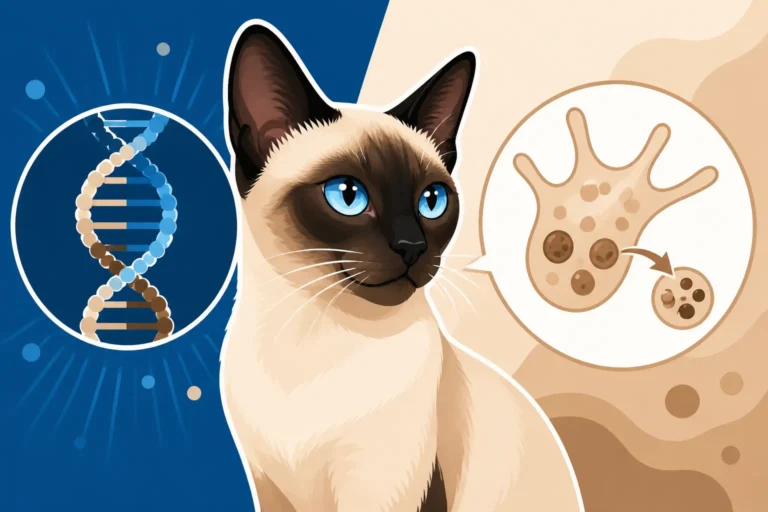
At the heart of a Siamese cat's changing coat color is a heat-sensitive enzyme called tyrosinase. This enzyme is crucial for the production of melanin, the pigment responsible for fur color. In most cats, tyrosinase works efficiently regardless of body temperature, leading to a consistent coat color across their entire body. However, Siamese cats carry a recessive gene that causes their tyrosinase enzyme to be partially defective. This "temperature-sensitive albinism," as it's sometimes called, means the enzyme only functions effectively at cooler temperatures.
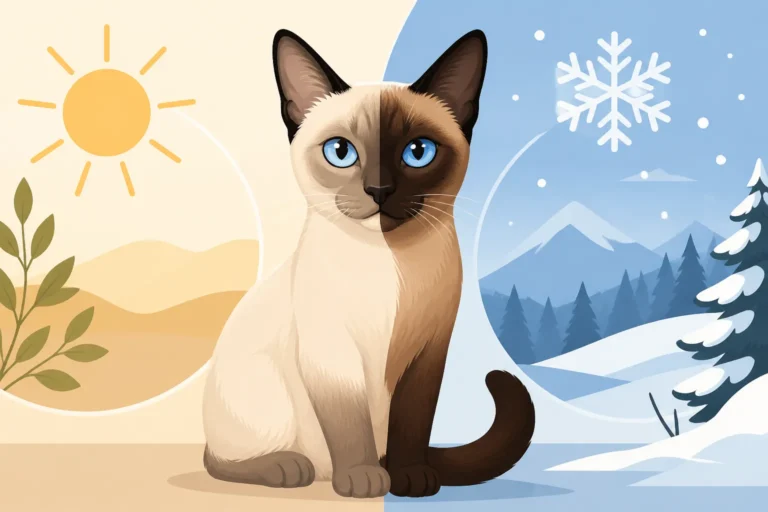
So, what does this mean for your cat? It means that in the cooler extremities of their body – their ears, nose, paws, and tail – where the surface temperature is naturally lower, the tyrosinase enzyme can activate and produce melanin, resulting in those characteristic dark points. Conversely, on the warmer parts of their body, like their torso and belly, the enzyme becomes inactive, and melanin production is inhibited, leading to a lighter, often creamy or ivory body color. This intricate biological process is a beautiful example of how genetics and environment intertwine to create such a distinctive appearance. You can learn more about What Point Coloration in a Siamese Cat Is and Why a Siamese Cat's Pigment Only Works When Cool.
Born White, Points Develop
If you've ever seen a litter of newborn Siamese kittens, you'll notice a startling fact: they are born completely white or a very pale cream. This often surprises new owners who expect to see the distinct points right away. The reason for this pristine paleness ties directly back to our friend, the tyrosinase enzyme, and the temperature factor. Inside their mother's womb, the kittens are kept at a consistently warm, internal body temperature. At this warmth, the tyrosinase enzyme is inactive across their entire body, preventing any melanin production.
It's only after birth, when the kittens are exposed to the ambient temperature of their surroundings, that their unique coloration begins to emerge. As their extremities cool down, the enzyme starts to function, and the points gradually darken. This process isn't instantaneous; it's a slow reveal. You'll typically start to see faint hints of color on their ears and tails within the first few days or weeks, with the full richness of their point color developing over several months. This developmental stage beautifully illustrates the temperature-dependent nature of their coat. Knowing The Age a Siamese Cat Kitten Gets Its Points can help you track this fascinating transformation.
Summer's Embrace: How Warmth Lightens the Coat
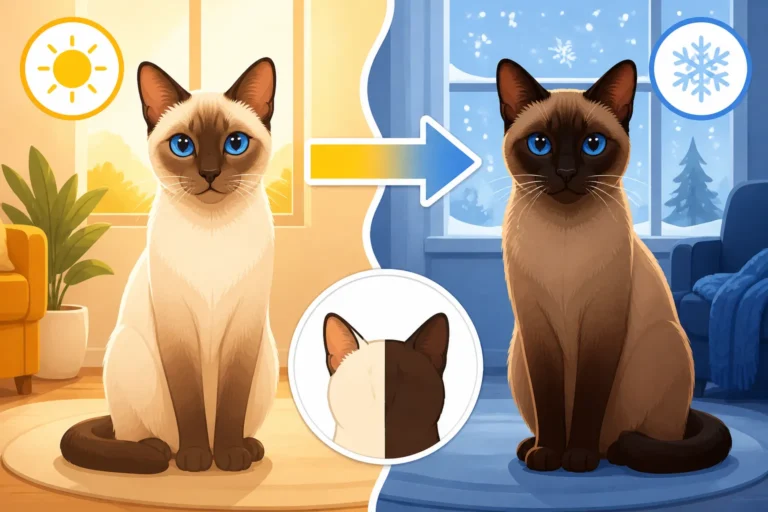
Now that we understand the underlying mechanism, let's talk about what happens when summer rolls around. The longer, hotter days inevitably lead to an increase in your home's ambient temperature, and subsequently, your Siamese cat's overall body temperature. This rise in temperature directly impacts the activity of their heat-sensitive tyrosinase enzyme, leading to a noticeable lightening of their coat.
Gradual Fading vs. Dramatic Change
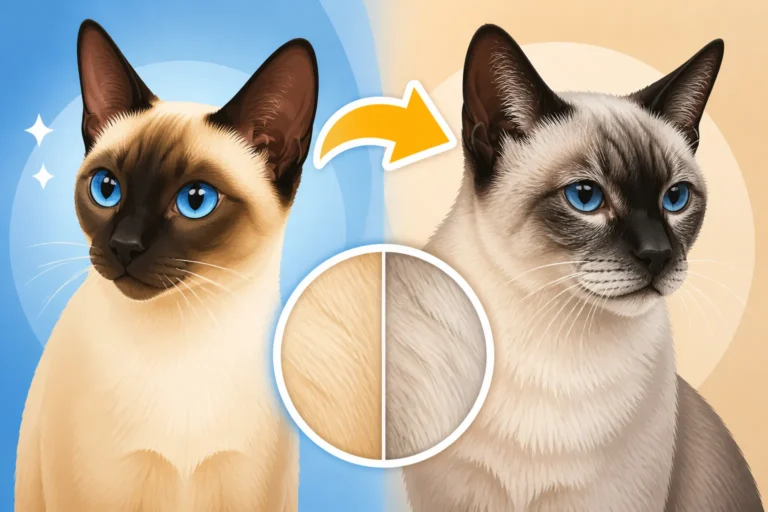
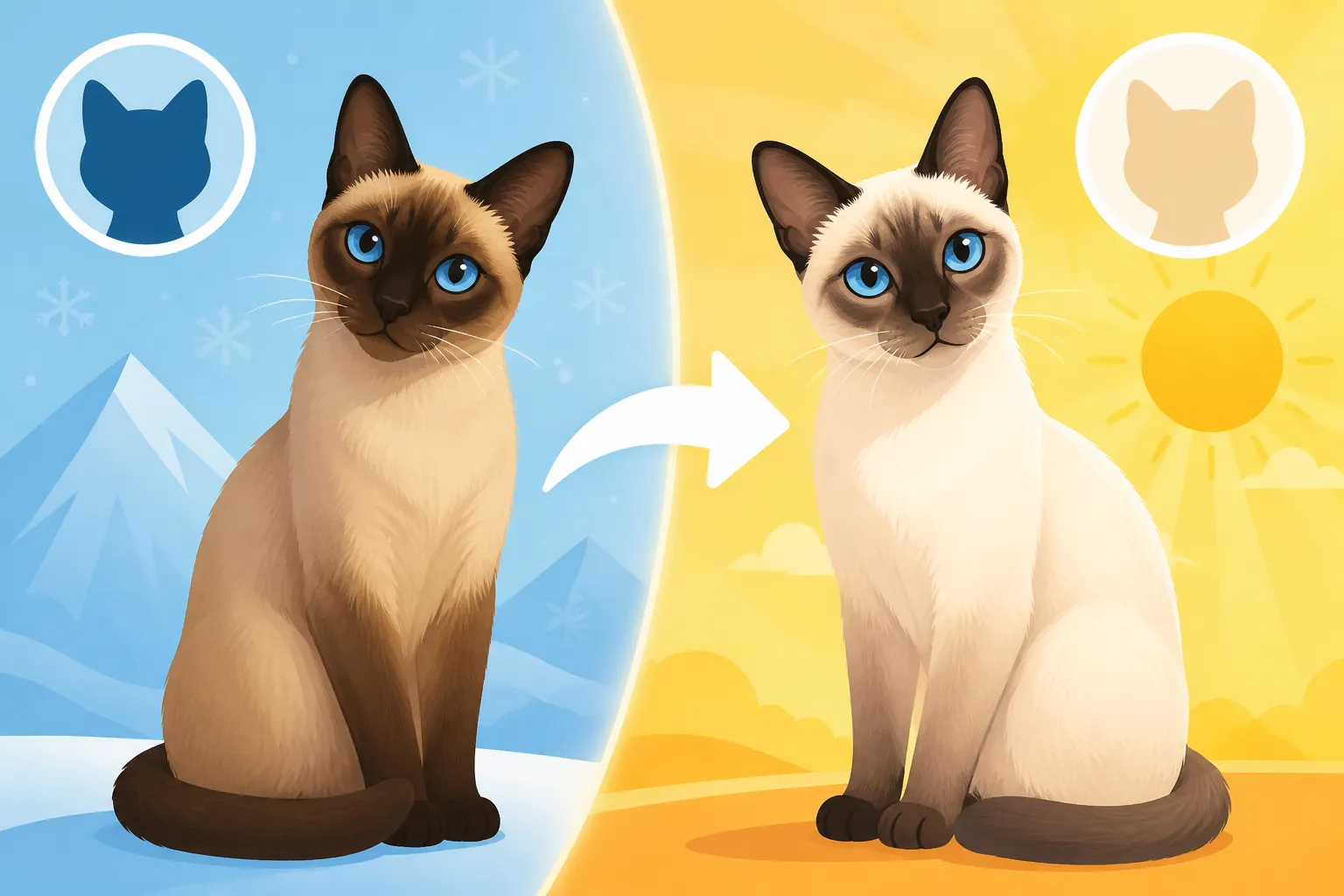
The degree to which a Siamese cat lightens in summer isn't always dramatic, but it's certainly perceptible to a keen owner. Think of it less as a sudden bleaching and more as a gradual fading or "toasting" in reverse. The darker points, especially on the back, sides, and sometimes even the legs, will become noticeably paler. A deep seal point might shift to a medium brown, a chocolate point to a lighter fawn, and a lilac point might become a whisper of lavender-grey. The body color, which is already light, may become even creamier or whiter as the warmer temperatures further suppress melanin production across their torso.
It's a subtle dance, dictated by just how warm your environment gets. If you live in a region with scorching summers and your home isn't air-conditioned, you'll likely see a more pronounced lightening than someone in a milder climate or with a well-regulated indoor temperature. The change is typically most evident where the body color meets the points, creating a softer, less defined contrast than in the colder months. This seasonal shift is a healthy, natural phenomenon and a testament to their unique genetics.
Factors Amplifying or Minimizing Lightening
Several factors can influence how much your Siamese cat lightens during the summer. It's not a one-size-fits-all situation, and understanding these variables can help explain why your cat's summer coat might differ from your neighbor's Meezer.
One of the biggest factors is indoor versus outdoor living. Cats that spend a significant amount of time outdoors, basking in the sun and experiencing higher ambient temperatures, will almost certainly show more pronounced lightening than strictly indoor cats. Even if your indoor cat has a favorite sunny spot by a window, that direct exposure to warmth can contribute to a paler coat. Conversely, a cat living in a consistently air-conditioned home might show less dramatic lightening, as their body temperature remains more regulated. Whether an Indoor Siamese Cat Stays Paler explores this in more detail.
Climate and home insulation also play a huge role. Living in a naturally cooler climate, even in summer, might mean your Siamese doesn't lighten as much as a cat in a subtropical environment. The insulation of your home can also affect how consistently warm it stays throughout the day.
Age is another consideration. Older Siamese cats tend to darken more with age, often developing a "smutty" or brownish tint on their bodies even in warmer areas. This means their summer lightening might be less complete or noticeable compared to a young adult cat who naturally maintains a very pale body. Why an Older Siamese Cat's Body Goes Brown covers this common aging change.
Finally, genetics still play a role. While all Siamese cats share the temperature-sensitive gene, there might be subtle variations in how strongly that gene expresses itself, leading to slight differences in individual cats' responses to temperature changes. Some may naturally run a bit warmer or cooler, affecting their coat's ability to produce pigment.
Here's a quick comparison of factors and their likely effect:
| Factor | Summer Lightening Effect |
|---|---|
| Indoor Living | Less pronounced, especially with AC |
| Outdoor Access/Sunbaths | More pronounced, direct sun exposure |
| Hot Climate | More noticeable fading of points and body |
| Mild Climate | Subtle changes, less dramatic lightening |
| Young Adult Cat | Stronger contrast, more noticeable lightening |
| Senior Cat | May have darker body "smut," lightening less dramatic |
| Air Conditioning | Minimizes lightening by keeping body temperature lower |
You can often observe the opposite effect in winter; if your home tends to get chilly, you'll likely see your Siamese cat's points deepen significantly. How Much a Siamese Cat Darkens in a Cold House further explains this fascinating phenomenon.
Beyond Aesthetics: The Health Connection of Coat Changes
While the lightening of a Siamese cat's coat in summer is primarily a fascinating genetic trait, it's natural to wonder if these changes hold any deeper meaning for their overall health. Most of the time, seasonal coat changes are completely benign, but it's always good to understand the nuances and know when to pay closer attention.
Normal Seasonal Shedding and Coat Health
It's important to distinguish between actual coat lightening due to temperature and the natural process of seasonal shedding. Cats, including Siamese, typically shed more heavily in spring to prepare for warmer weather, and again in fall to make way for a thicker winter coat. This shedding can sometimes make their coat appear thinner or slightly less dense, which might contribute to a perception of lightening.
A healthy Siamese cat has a short, fine, close-lying coat that sheds minimally compared to many other breeds. Regular grooming, even for a short-haired cat, is important to help remove loose fur and distribute natural oils, keeping their coat healthy and shiny. While shedding itself doesn't change the color of the individual hairs, a thinner coat can influence how light reflects off it, potentially making it seem paler. A dull, sparse, or excessively shedding coat, however, could be a sign of underlying health issues unrelated to temperature. We delve into How Much a Siamese Cat Sheds in another post.
When to Be Concerned About Coat Changes
While seasonal lightening is normal, there are instances where coat changes could signal a health concern. It's about looking at the entire picture and not just the color.
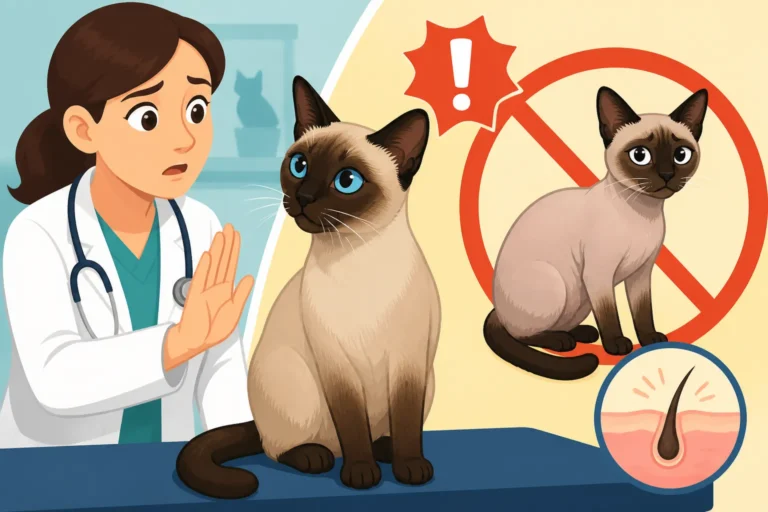
If your Siamese cat's coat seems to be changing color in an unusual pattern, or if the lightening is accompanied by other symptoms, it warrants a vet visit. For example, if patches of fur are inexplicably changing color (darkening or lightening) in areas that don't make sense for temperature, or if the fur becomes brittle, dull, or starts falling out, those are red flags. Significant changes in coat texture, excessive dryness, or oiliness could indicate nutritional deficiencies, skin conditions, or even metabolic issues.
Rapid, dramatic lightening that seems disproportionate to the ambient temperature, especially if coupled with lethargy, changes in appetite, or other signs of illness, could point to an underlying problem. While rare, certain illnesses can affect a cat's skin and coat health, sometimes causing pigment changes. For example, severe systemic illness or chronic stress might affect the overall condition of the coat. Though often subtle, sometimes Whether a Siamese Cat's Points Fade When It Is Ill can be an indicator of a health issue. As always, if you have any doubts about your cat's health, a conversation with your veterinarian is the best course of action.
Keeping Their Coat Pristine Through the Seasons
Understanding the science is great, but as a devoted Siamese cat owner, you probably want to know how you can help your feline friend stay comfortable and maintain a healthy, beautiful coat year-round, regardless of temperature fluctuations. While you can't stop the natural genetic process of lightening in summer, you can certainly support their overall well-being and coat health.
Managing Indoor Temperature and Comfort
Since temperature is the primary driver of coat color in Siamese cats, managing their indoor environment is key, especially during hot summers. While you might not want to run your air conditioning at an arctic chill (and your energy bill certainly wouldn't thank you!), keeping your home at a comfortable, consistent temperature can help. A temperature that's pleasant for you is usually good for your Siamese.
Consider providing cooling mats or elevated beds that allow for airflow underneath. These can be a lifesaver on particularly warm days, offering a cool spot without a constant blast of AC. You can find a variety of these, often with gel inserts that stay cool, on platforms like Amazon or Chewy. Make sure your cat has access to shaded areas and plenty of fresh, cool water to stay hydrated. A water fountain, for example, can encourage them to drink more, which is always beneficial for overall health, including skin and coat. Some Siamese cats will even appreciate a damp towel to lie on when it's really sweltering. Keeping a Siamese Cat Warm might sound like the opposite, but understanding their temperature sensitivity helps with both ends of the spectrum.
Nutritional Support for a Healthy Coat
A healthy coat begins from the inside out. Proper nutrition is paramount for maintaining skin and coat integrity, ensuring your Siamese's fur remains soft, shiny, and vibrant, no matter the season.
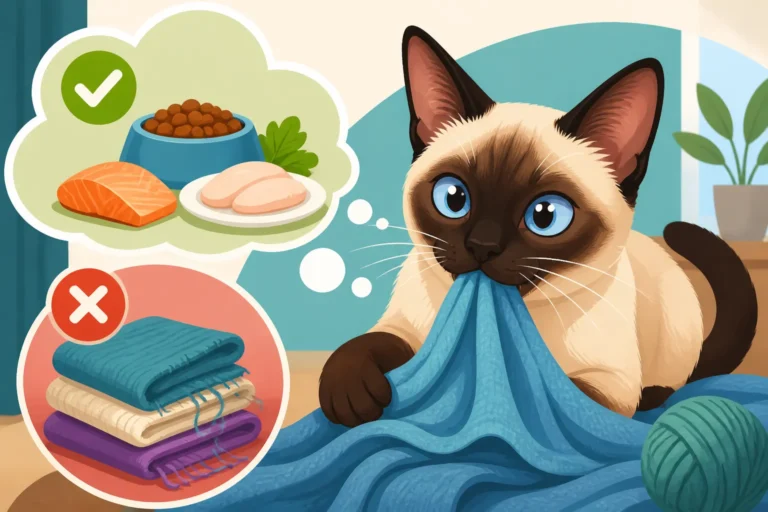
Ensure your Siamese is on a high-quality diet rich in animal protein and essential fatty acids (omega-3 and omega-6). These fats are crucial for skin hydration and a glossy coat. Many premium cat foods are formulated with these nutrients specifically to support skin and coat health. If your cat is prone to dry skin or a dull coat, your vet might recommend a fish oil supplement. If you're looking for specific supplements, Chewy has a wide selection, but always consult your vet before adding anything new to their diet.
Adequate hydration also plays a vital role. Ensure your cat has constant access to fresh water. A diet that includes wet food can significantly boost their water intake, which in turn supports skin elasticity and fur quality. Remember, a Feeding a Lean Siamese Cat That Burns Everything might need specific caloric considerations, but the core nutritional requirements for coat health remain similar.
Grooming Practices to Maintain Coat Shine
Even though Siamese cats have short hair and are excellent self-groomers, a little help from you goes a long way in maintaining their coat health and managing seasonal changes. Their sleek, fine coat means they don't typically get matted, but regular grooming sessions offer several benefits.
Aim for a quick brushing session a few times a week, especially during periods of heavier shedding. A rubber grooming mitt or a fine-toothed comb can help remove loose hairs, dirt, and dander. This not only keeps their coat looking its best but also reduces the amount of fur they ingest while self-grooming, potentially preventing hairballs. Plus, it's a fantastic bonding experience for you and your cat! You'll find that Grooming a Siamese Cat Takes Five Minutes a Week is usually all it takes, and it truly makes a difference.
While Siamese cats generally don't need baths unless they've gotten into something particularly messy, wiping their coat with a damp cloth can help remove excess dander and give them a nice sheen. Pay attention to their ears and paws, keeping them clean. Regular grooming can help you spot any unusual skin conditions or changes in their coat early, allowing for prompt veterinary attention if needed. Discover more about How Often a Siamese Cat Needs Brushing to keep their coat in top condition.
Disclaimer
This article is for general informational purposes only and does not constitute professional advice. Laws, prices and regulations vary by location and change over time. Consult a qualified professional for guidance on your specific situation.