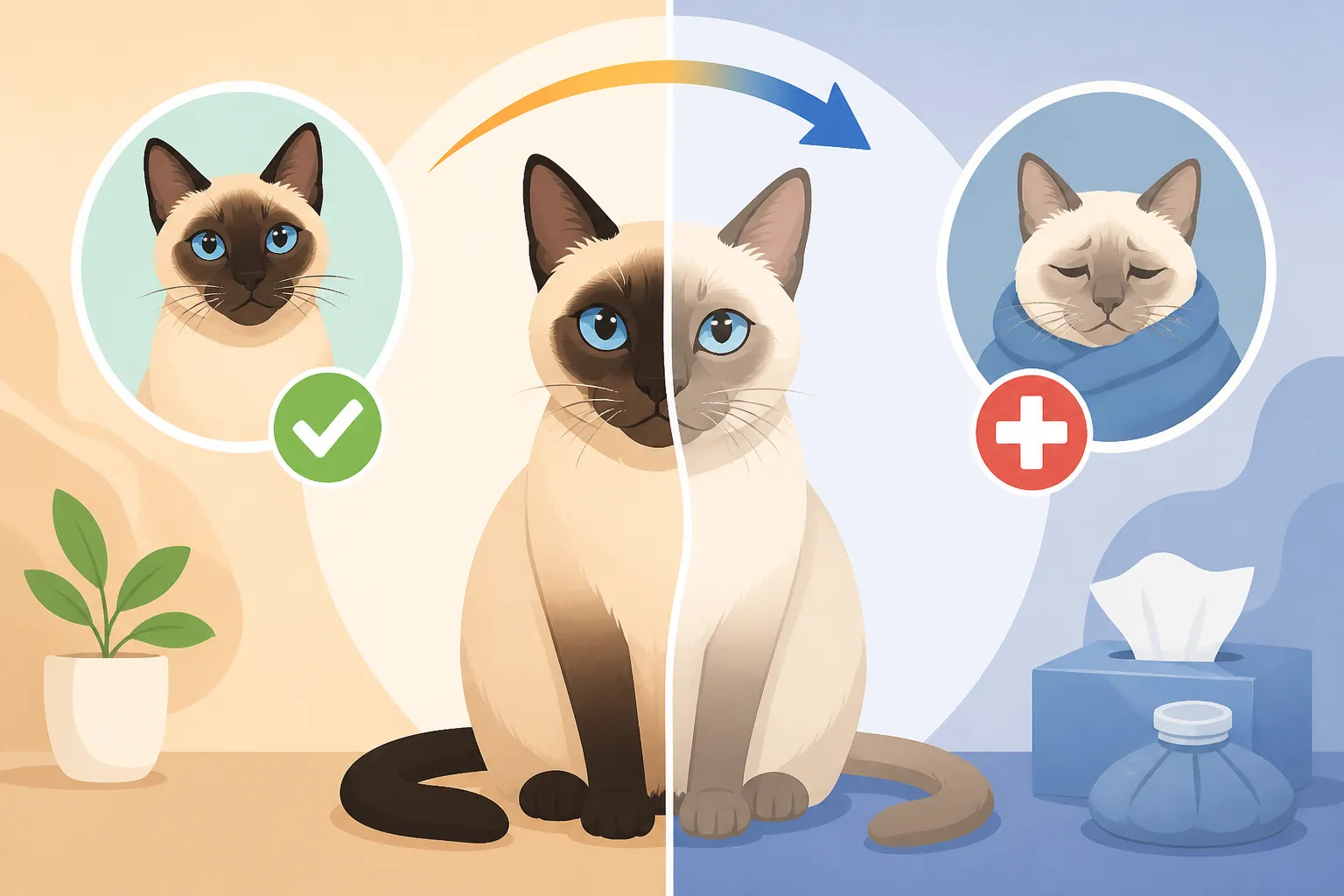
Whether a Siamese Cat’s Points Fade When It Is Ill
It’s a common worry for Siamese cat owners: you notice a subtle shift in your beloved feline's iconic point coloration, and immediately, your mind jumps to health concerns. While a Siamese cat's beautiful points are indeed linked to temperature, and illness can influence body temperature, it’s rarely a dramatic, sudden fading. This guide will delve into the fascinating science behind Siamese cat coloration and explain how illness might, or might not, affect your cat's signature look, and what signs you should truly be watching for if you suspect your Meezer is unwell.
The Unique Science Behind Siamese Cat Point Coloration
To understand if illness affects your Siamese cat's points, we first need to truly grasp what makes those points appear in the first place. It's not just a genetic lottery; it's a fascinating biological process directly tied to temperature. Your Siamese cat isn't just "colored" that way; their color is actively developed based on how warm or cool different parts of their body are.
The Tyrosinase Enzyme and Temperature Sensitivity
The secret lies in a special enzyme called tyrosinase, which is responsible for producing melanin, the pigment that gives fur its color. In Siamese cats, this tyrosinase enzyme has a unique mutation: it's temperature-sensitive. This means it only functions effectively and produces pigment when the body temperature is cooler.
Think about it this way: your Siamese cat's core body temperature is usually a cozy 100-102.5 degrees Fahrenheit (around 38-39 degrees Celsius). At this warmth, the mutated tyrosinase enzyme is basically inactive. That's why your Siamese kitten is born pure white or cream, because they've been developing in the uniform warmth of their mother's womb. As they grow and are exposed to the cooler outside world, the pigment-producing magic starts to happen. You can learn more about Why a Siamese Cat's Pigment Only Works When Cool.
Why Points Are Darker Than the Body
Now, consider the extremities – the ears, paws, tail, and face. These areas are naturally a few degrees cooler than the core of the body. It’s in these cooler regions that the temperature-sensitive tyrosinase enzyme can activate and start producing melanin, resulting in the darker "points" we all adore. The rest of the body, being warmer, produces little to no pigment, leading to the paler cream or fawn body coat. This incredible genetic quirk is what defines the Siamese breed's signature look, whether it's a seal point, blue point, chocolate point, or lilac point. Understanding What Point Coloration in a Siamese Cat Is is key to appreciating these unique felines.
How Illness Might Influence Point Color
Given the temperature-sensitive nature of their coloration, it's logical to wonder if a significant illness could cause a change in a Siamese cat's points. The short answer is yes, in some cases, illness can subtly affect point coloration, primarily by altering the cat's overall body temperature.
Fever and Its Potential Effect on Pigmentation
One of the most common signs of illness in cats, including Siamese cats, is a fever. A fever means an elevated body temperature. If your Siamese cat experiences a prolonged, high fever, their entire body, including their extremities, will be warmer than usual. In theory, this sustained higher temperature could further inhibit the already temperature-sensitive tyrosinase enzyme, leading to slightly less pigment production.
However, it's important to manage expectations here. This isn't usually a dramatic, overnight bleaching of their points. We're talking about a very subtle, gradual lightening that might only be noticeable to a very observant owner, and even then, often only after the fur has gone through a full shedding and regrowth cycle while the cat was ill. The effect would likely be most noticeable on new fur growth rather than existing fur. If your cat had a severe, long-lasting fever, you might, for instance, notice that the fur growing in on their ears or paws is a shade lighter than before, a change you might attribute to the cat feeling the cold less when they were unwell.
Hypothermia or Reduced Metabolism
Conversely, some severe illnesses, especially those leading to shock or extreme debilitation, can cause hypothermia – a dangerously low body temperature. A cat that is constantly cold due to illness, perhaps lying still for long periods or struggling with a metabolic condition, might theoretically experience the opposite effect. Their core body temperature might drop slightly, or their peripheral circulation might be reduced, making their extremities even cooler. This could, in theory, lead to a darkening of their points or even their body coat over time, as the tyrosinase enzyme becomes more active in more areas.
Again, this would be a subtle, gradual change, and often, if a cat is that unwell, point color changes are far down the list of concerns. The cat's overall health, activity levels, appetite, and other Signs a Siamese Cat Is Unwell would be much more obvious and immediate indicators that something is wrong.
Chronic Illness and General Health
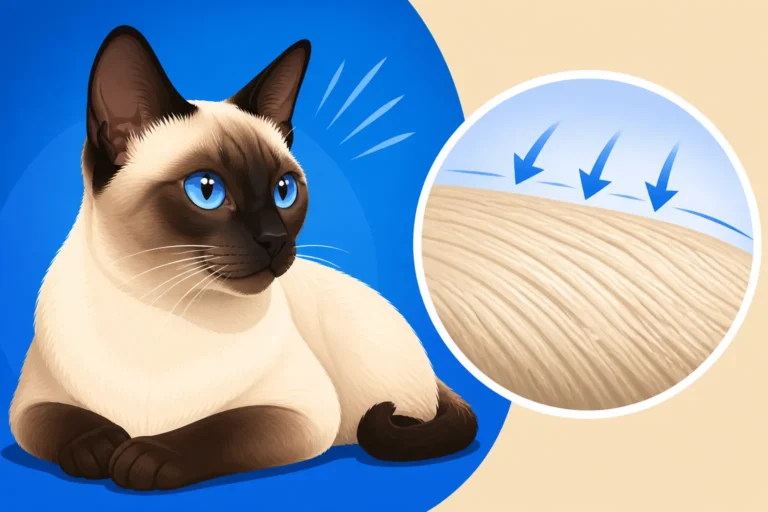
Beyond acute temperature fluctuations, chronic illness can also affect a cat's overall coat health, which might indirectly seem like a color change. A cat that is chronically ill might have a duller coat, experience more shedding, or fail to groom themselves properly. This can make their fur look less vibrant and healthy. While not a true change in pigment, the overall appearance of the coat could be altered. A poorly nourished or dehydrated cat, for example, won't have the glossy, sleek coat typically associated with a healthy Siamese.
Differentiating Illness-Related Changes from Other Factors
It’s easy to jump to conclusions when you notice a change in your Siamese cat’s fur color. However, many factors beyond illness can influence point coloration. It’s crucial to consider these other possibilities before panicking. Knowing the common and natural variations will help you better assess your cat's health.
Age and Environmental Temperature
One of the most significant factors influencing a Siamese cat's point coloration is age. Just like humans change hair color, Siamese cats naturally darken as they get older. This is a very common observation among seasoned Siamese owners. A young, vibrant seal point kitten might develop a rich, almost brown body coat by the time they're a senior. It's just a part of their natural aging process, as their core body temperature might slightly decrease or the enzyme's sensitivity changes over time. We've talked before about The Age a Siamese Cat Starts Darkening, and it’s a beautiful progression, not a sign of ill health.
Environmental temperature also plays a massive role. If you live in a colder climate or keep your home cooler in the winter, you might notice your Siamese cat's points (and even their body) darken considerably. Conversely, a summer spent lounging in the sun or living in a warmer home might lead to a subtle lightening of their coat. This is purely a response to external temperature affecting the pigment production and has nothing to do with illness. You can read about How Much a Siamese Cat Darkens in a Cold House for more detail.
Shaved Patches and Surgical Sites
This is a really interesting one, and often surprises new Siamese owners! If your Siamese cat needs surgery or a blood draw, the vet will often shave a patch of fur. When this fur grows back, it frequently comes in much darker than the surrounding body coat, sometimes even appearing point-colored. Why? Because the shaved skin is exposed to the ambient temperature and is naturally cooler than the fur-insulated areas, allowing the tyrosinase enzyme to activate and produce pigment. This phenomenon is a perfect demonstration of the temperature-sensitive gene in action. The Shaved Patch That Grows Back Dark on a Siamese Cat is a common and entirely benign occurrence. Don't mistake a dark patch from a vet visit for a sign of internal trouble!
Table: Factors Affecting Siamese Cat Point Coloration
To help visualize these different influences, here's a quick table:
| Factor | Typical Effect on Points | Speed of Change | Primary Cause | Indicates Illness? |
|---|---|---|---|---|
| Age | Gradual darkening | Slow (years) | Natural aging process, slight metabolism shift | No |
| Cold Environment | Gradual darkening | Moderate (weeks/months) | Lower ambient temperature, cooler skin | No |
| Warm Environment | Subtle lightening | Moderate (weeks/months) | Higher ambient temperature, warmer skin | No |
| Fever (prolonged) | Very subtle lightening | Slow (new fur growth) | Elevated core body temperature inhibiting pigment | Yes, potential |
| Hypothermia (prolonged) | Very subtle darkening | Slow (new fur growth) | Lower core body temperature enhancing pigment | Yes, potential |
| Shaved Fur Regrowth | Localized darkening | Moderate (weeks) | Skin exposed to cooler air after shaving | No (post-procedure) |
| Poor Nutrition/Grooming | Dull, less vibrant coat | Moderate (weeks/months) | Lack of essential nutrients, self-neglect | Yes, potential |
Other Health Indicators to Watch For
While point color can be subtly affected by illness, it is rarely the first or most reliable indicator. Instead of focusing on slight color shifts, pay much closer attention to these more obvious signs that your Siamese cat might be unwell:
- Changes in Appetite or Thirst: Is your cat eating or drinking significantly more or less?
- Lethargy or Hiding: Are they unusually sleepy, less playful, or hiding more than usual?
- Changes in Litter Box Habits: Are they urinating more often, straining to urinate, or having diarrhea or constipation?
- Vomiting or Diarrhea: Any persistent gastrointestinal upset.
- Changes in Vocalization: Are they suddenly more vocal, or unusually quiet? When a Siamese Cat's Meowing Means Pain is a critical article to consider.
- Difficulty Breathing: Coughing, wheezing, or open-mouthed breathing.
- Weight Loss or Gain: Unexplained changes in body weight, especially if they are already a Why a Siamese Cat Stays So Thin breed.
- Grooming Changes: Over-grooming, under-grooming, or matted fur.
- Behavioral Changes: Aggression, sudden fear, or disorientation.
If you notice any of these more prominent signs, please don't hesitate to consult your veterinarian. They are much more accurate indicators of your cat's well-being than a subtle change in fur color.
Supporting Your Siamese Cat's Health and Coat
Maintaining your Siamese cat's overall health is the best way to ensure their coat remains vibrant and their points stay true to their natural coloration. While you can't prevent natural darkening with age or environmental factors, you can provide the best possible care to support their well-being.
High-Quality Nutrition
A balanced, high-quality diet is fundamental for a healthy coat and a strong immune system. Look for cat foods with high-quality animal protein as the first ingredient and essential fatty acids like Omega-3 and Omega-6, which are crucial for skin and coat health. Brands available on platforms like Chewy or Amazon often list detailed nutritional information, making it easier to choose. Some owners even explore fresh food options, which can offer highly digestible protein and nutrient-rich formulas tailored to a cat's needs. Remember, a cat with a good diet is better equipped to fight off illness and maintain its overall vitality, which in turn reflects in its coat. If your Siamese is particularly Feeding a Lean Siamese Cat That Burns Everything, you might need to consult your vet about caloric intake.
Regular Veterinary Check-ups
Routine veterinary care is indispensable. Regular wellness exams, typically once a year for adult cats and more frequently for kittens or seniors, allow your vet to catch potential health issues early. During these visits, your vet can perform a physical examination, listen to their heart and lungs, check their teeth (which are very important for Siamese cats – Dental Disease in a Siamese Cat), and discuss any concerns you might have. Early detection and treatment of illnesses mean your cat spends less time unwell, reducing the chances of any prolonged temperature-related changes to their coat. Don't skip these check-ups; they are vital for your cat's long-term health. How Often a Siamese Cat Needs a Wellness Exam is a good read on this topic.
Environmental Comfort and Enrichment
While you can't completely control the temperature and its effect on your Siamese cat's points, you can ensure they are comfortable. Siamese cats generally feel the cold more than other breeds due to their lack of an undercoat. Providing warm, cozy sleeping spots, like a soft bed or a heated mat (easily found on Amazon), can make a big difference, especially in cooler months. This ensures they don't experience prolonged chilling, which could potentially encourage darker points on their body.
Beyond temperature, a stimulating environment with plenty of toys, scratching posts, and opportunities for interaction can reduce stress, which also supports overall health. A happy, engaged cat is generally a healthier cat. If your Siamese is Why a Siamese Cat Feels the Cold, extra bedding or a cozy sweater might be appreciated.
Grooming and Hydration
Even though Siamese cats have short coats and are excellent self-groomers, a little help from you can go a long way. Regular brushing, even just a few times a week, helps remove loose fur, distributes natural oils, and gives you an opportunity to check their skin and coat for any abnormalities. A good quality grooming glove or brush (available on Chewy) can make this a pleasant bonding experience.
Ensuring your Siamese cat has access to fresh, clean water at all times is also critical for overall health and coat luster. Consider a water fountain, as many cats are enticed to drink more from moving water. Proper hydration keeps skin healthy and fur shiny, contributing to that vibrant, healthy look that is a hallmark of the breed.
Ultimately, while the point color of your Siamese cat is a fascinating indicator of their unique genetics, it's a very subtle one when it comes to illness. Focus on the broader picture of their health, behavior, and vitality. Those are the truer reflections of how your beautiful Siamese is truly feeling. For general information on the breed's typical health, How Healthy the Siamese Cat Actually Is offers valuable insights.
Disclaimer
This article is for general informational purposes only and does not constitute professional advice. Laws, prices and regulations vary by location and change over time. Consult a qualified professional for guidance on your specific situation.