Why a Siamese Cat’s Surgery Site Turns Dark
It's completely normal to feel a pang of worry when your beloved Siamese cat comes home from surgery, and you notice something unexpected: the fur growing back over their incision site is much darker than their usual beautiful coat. This isn't just a quirk; it's a perfectly natural, albeit startling, phenomenon unique to our stunning Siamese friends, and understanding why it happens can put your mind at ease. This guide will walk you through the fascinating genetic reasons behind this color change and explain what to expect as your Meezer recovers.
The Unique Science Behind Siamese Cat Coloration
The striking point coloration of a Siamese cat—those dark ears, paws, tail, and face contrasted with a paler body—isn't just a random genetic lottery win; it's a marvel of feline biology directly influenced by temperature. This means your cat isn't just beautiful; they're also a walking, purring scientific experiment!
The Tyrosinase Enzyme and Temperature Sensitivity
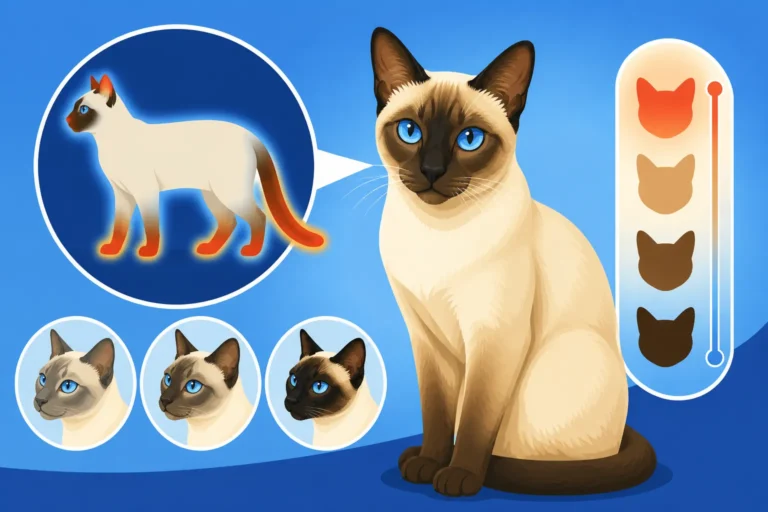
At the heart of your Siamese cat's distinctive coat lies a special genetic mutation that affects the enzyme called tyrosinase. Normally, tyrosinase is responsible for producing melanin, the pigment that gives fur its color. However, in Siamese cats, this enzyme is temperature-sensitive. It only functions properly, and thus only produces pigment, in cooler areas of the body. Think of it like a tiny, furry thermometer, constantly gauging the warmth of your cat's skin.
This is why you see the darkest points on the extremities—the ears, nose, paws, and tail—because these areas tend to be naturally cooler than the core body. The warmth of their torso keeps the enzyme there less active, resulting in that wonderfully pale, often creamy or ivory, body color that makes them so iconic. It's a fascinating balance of genetics and environment playing out right before your eyes, creating a masterpiece of feline beauty. For more on this, you might be interested in reading Why a Siamese Cat's Pigment Only Works When Cool.
How Kittens Are Born White and Points Develop
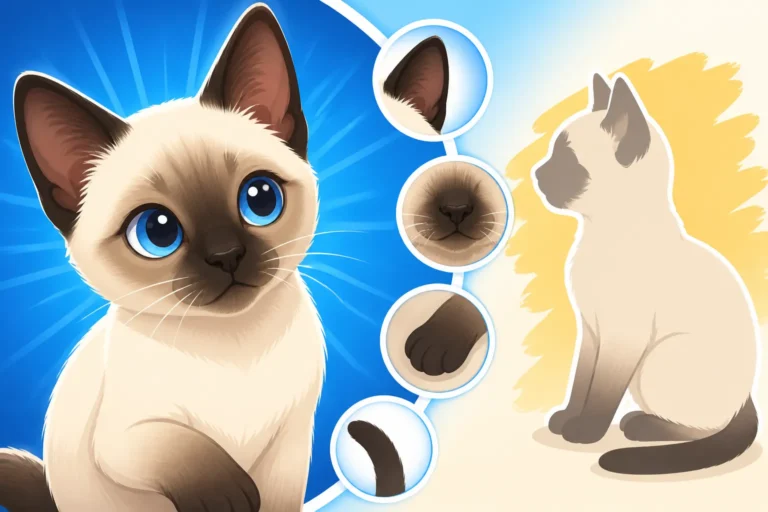
One of the most surprising facts about Siamese cats is that they don't enter the world with those dark points already established. When a Siamese kitten is born, they are almost entirely white or a very pale cream. Imagine holding a tiny, vocal marshmallow in your hand! This isn't a mistake or a trick of genetics; it's a direct consequence of that temperature-sensitive tyrosinase enzyme.
During gestation, inside their mother's warm womb, the ambient temperature is consistently high. This warmth inhibits the tyrosinase enzyme from producing pigment across the entire body, so the kittens develop without any color. It's only after they are born and exposed to the cooler external environment that their body temperature begins to differentiate, and the tyrosinase enzyme can start working its magic in the cooler areas. You'll begin to notice the points slowly emerging on their tiny ears, noses, and paws within days or a few weeks, gradually deepening over time. It's a truly amazing transformation to witness. You can learn more about this initial stage in Why a Siamese Cat Kitten Is Born White.
Environmental Factors and Color Changes
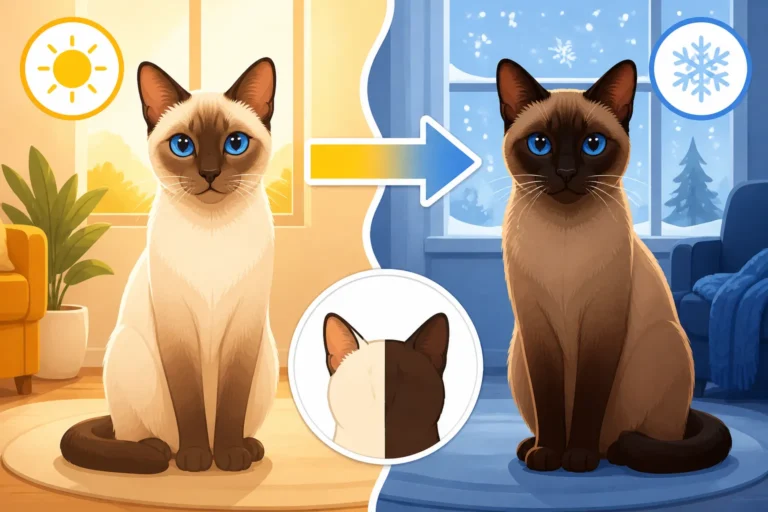
It’s not just the journey from womb to world that affects your Siamese cat's coloration. Their environment throughout their life continues to play a significant role. You might have noticed that your Siamese seems to shift shades slightly with the seasons or if your home temperature fluctuates. This is that temperature-sensitive enzyme still hard at work.
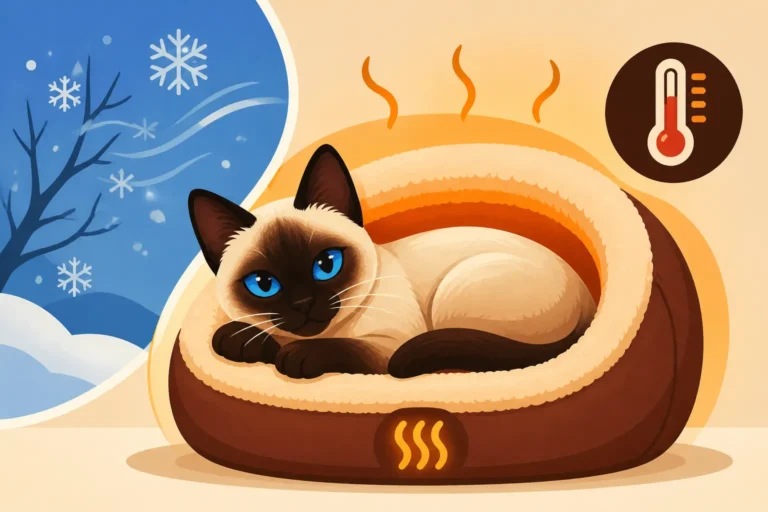
In colder climates or during winter months, if your house is a bit chilly, you might observe your Siamese cat's body fur darkening a shade or two. The cooler ambient temperature allows the tyrosinase enzyme to be more active over a larger surface area of their body, leading to a more widespread, albeit subtle, pigmentation. Conversely, in warmer climates or during summer, their coat might lighten slightly. It's a living canvas, constantly responding to its surroundings. This fascinating seasonal shift is explored further in Why a Siamese Cat Darkens Every Winter and How Much a Siamese Cat Changes Color in Winter. This constant interplay of temperature and genetics is what makes each Siamese cat's coat so dynamic and endlessly captivating.
Why a Shaved Area Darkens: The "Fever Coat" Phenomenon
Now we get to the core of your concern: why does a shaved area, like a surgery site, come back darker? It's directly tied back to everything we just discussed about their unique color genetics. It's not a "fever coat" in the traditional sense of illness-related temporary discoloration, but rather a direct response to a localized temperature change.
The Body's Natural Response to Cooling
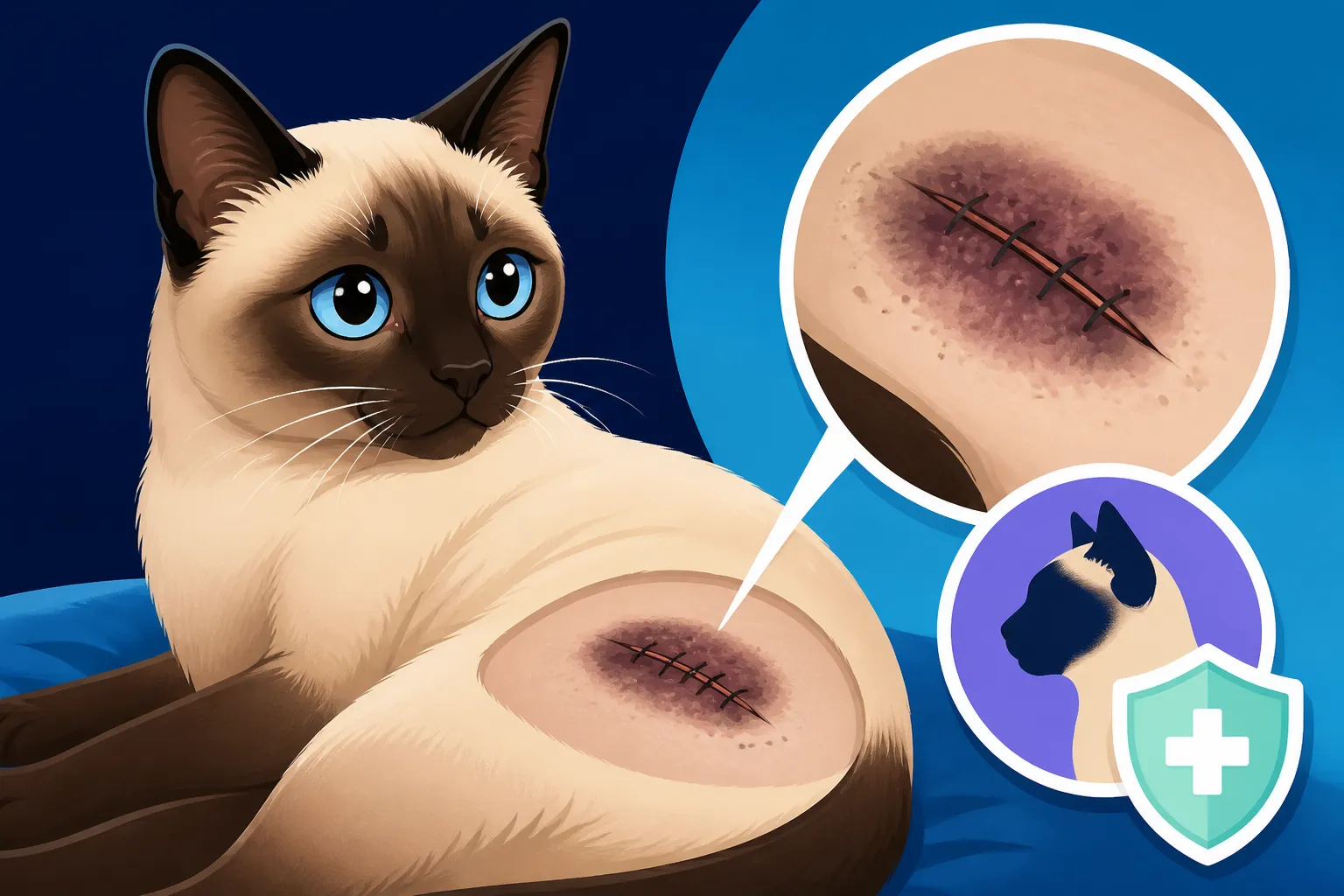
When a Siamese cat undergoes surgery, or even just a procedure that requires a patch of fur to be shaved, that area loses its natural insulation. Fur acts like a built-in winter coat, trapping warm air close to the body. Once it's removed, the skin in that shaved region becomes cooler than the surrounding, fur-covered areas. This sudden, localized drop in temperature creates the perfect conditions for the temperature-sensitive tyrosinase enzyme to kick into high gear.
As new fur starts to grow back in the shaved area, the active tyrosinase enzyme produces more pigment. The result is a patch of fur that is significantly darker than the cat's normal body color. It's almost like the shaved spot is trying to compensate for the lost warmth by growing darker, more efficient fur, though this isn't its conscious intent. It's purely a genetic response to the localized cold. This phenomenon is so common and distinctive in Siamese cats that it's often discussed by breeders and vets, and you can delve deeper into it in The Shaved Patch That Grows Back Dark on a Siamese Cat. It’s a completely normal, expected part of a Siamese cat's recovery from any shaving.
Not Just Surgery: Any Shaved Area
It's important to realize that this darkening isn't exclusive to surgical sites. Any time your Siamese cat has fur shaved off, you'll likely see this "dark patch" effect. This could be for a simple blood draw from their leg, where a small patch is shaved to allow the vet to find the vein more easily. It could also happen after an ultrasound, where a larger area of their belly might be trimmed to ensure good contact with the probe. Even if they need an IV line, the spot where the catheter is inserted will likely show this darker regrowth.
My own Siamese, Jasper, once had a minor procedure on his flank, and for months afterwards, he sported a rather fetching dark brown patch there, standing out starkly against his creamy seal point body. It looked a bit odd, but it was a clear sign that his unique Siamese genetics were simply doing their thing. This is a normal physiological response to the temporary cooling of the skin after shaving, not a sign of infection, irritation, or any other problem with the underlying skin or healing process. It's just your Siamese being a Siamese! For more examples of where you might see this, check out Whether a Siamese Cat's Blood Draw Site Darkens.
Managing Expectations and Supporting Healing
While the darkened fur is a normal part of your Siamese cat's healing process, it's still natural to wonder how long it will last and if there's anything you should do. Rest assured, this is a temporary cosmetic change, and your focus should remain on their overall recovery.
The Timeline for Color Restoration
The good news is that the darker fur is not permanent. As the new fur grows in, and the shaved area slowly integrates back into the consistent temperature of your cat's main body, the tyrosinase enzyme will eventually revert to its usual activity level for that region. However, this isn't an overnight process. It can take several weeks, or even a few months, for the darker fur to grow out completely and for new, lighter fur to replace it. The exact timeline depends on how quickly your individual cat's fur grows, the size of the shaved area, and the ambient temperature of your home.
Think of it like getting a bad haircut – it takes time to grow out! During this period, the patch might look a bit odd, but it will gradually fade back to its original color. Patience is key. If you're curious about how long these patches can linger, you can read How Long a Shaved Siamese Cat Stays Dark. It's a waiting game, but one with a predictable and happy ending: your cat's beautiful, balanced coloration will return.
Keeping Your Siamese Cat Comfortable During Recovery
Beyond just the fur color, your main priority during this time is your cat's comfort and complete recovery from surgery. The shaved area will naturally be a bit cooler, which is precisely why it darkens. To help your Siamese stay cozy, especially if they've had a large area shaved, consider providing extra warmth.
A soft, cozy blanket or a comfortable bed can make a big difference. Many cat owners swear by heated pet beds, which provide a gentle, consistent warmth. You can find some excellent options for these on Amazon or Chewy, often with safety features specifically designed for pets. Just ensure any heated bed isn't placed directly over the surgery site for prolonged periods to avoid overheating the incision itself, which needs proper air circulation to heal. A warm room temperature is also beneficial. My cat, Luna, loved snuggling under a plush throw after her dental work, keeping her comfortable without being too hot. For general advice on keeping your Siamese toasty, see Keeping a Siamese Cat Warm. Beyond warmth, follow all post-operative instructions from your vet regarding wound care, pain management, and activity restriction to ensure a smooth recovery.
When to Be Concerned
While the darkening of the fur is normal, it's crucial to differentiate this cosmetic change from actual signs of a problem with the incision itself. Your vet will provide specific instructions for post-operative care, but generally, you should be vigilant for any signs that indicate an infection or complications.
Normal healing should involve a clean, dry incision line that is gradually closing. Minor bruising or slight redness directly along the incision edge might be present initially, but these should subside. However, if you notice any of the following, it’s time to contact your veterinarian immediately:
| Sign of Concern | Description |
|---|---|
| Excessive Redness | The skin around the incision becomes noticeably red, hot to the touch, and spreads beyond the immediate edge. |
| Swelling | The area around the incision becomes puffy or swollen, which may indicate fluid buildup or inflammation. |
| Discharge | Any pus, foul-smelling liquid, or continuous oozing from the incision site. |
| Opening or Gaping | The incision edges separate, or stitches come undone. |
| Persistent Bleeding | Any significant or ongoing bleeding from the incision. |
| Pain or Tenderness | Your cat shows signs of intense pain when the area is gently touched, or they vocalize excessively. |
| Lethargy or Anorexia | Your cat becomes unusually tired, withdrawn, or refuses to eat and drink. |
| Fever | If your cat feels unusually warm overall, or has other signs of systemic illness. |
These signs could indicate an infection, an allergic reaction, or a problem with the stitches, all of which require prompt veterinary attention. The dark fur itself is harmless, but vigilance for other symptoms is always paramount.
Long-Term Implications and Genetic Considerations
Understanding why your Siamese cat's fur grows back darker after being shaved isn't just about curiosity; it's about appreciating the unique biology of this wonderful breed and reassuring yourself that it's a normal part of their journey.
Is This a Health Concern?
Let's put your mind at ease once and for all: the darkening of a shaved fur patch on a Siamese cat is absolutely not a health concern in itself. It is purely a cosmetic effect, a visual manifestation of their unique genetic makeup and the temperature-sensitive nature of their pigmentation enzyme. It doesn't mean the surgery went wrong, that they're sicker than you thought, or that their body is struggling to heal.
In fact, it's quite the opposite – it's a testament to the robust and fascinating genetics of the Siamese breed at play! While you should always monitor the incision site for genuine signs of infection or complication, the color change itself is nothing to worry about. Your cat's overall health and the successful healing of the incision are what truly matter. For broader information about how their coloration relates to their well-being, you can check out Whether a Siamese Cat's Color Says Anything About Health.
Understanding Your Cat's Unique Coat
The Siamese cat's coat is truly a marvel. From their birth as pure white kittens to the gradual development of their points, and even the subtle shifts with environmental temperature, every aspect of their coloration tells a story of unique genetics. This specific response to shaving, creating those temporary dark patches, is just another chapter in that story. Breeders have carefully selected for these distinct point colors over generations, celebrating the beauty that this temperature-dependent gene creates.
So, the next time you see a dark patch on your Siamese after a vet visit, instead of worrying, you can marvel at the biological intricacies of your feline companion. It's a reminder of what makes them so special and instantly recognizable, a living, breathing testament to natural artistry and genetic marvel. You can dive deeper into the specifics of their coat in What Point Coloration in a Siamese Cat Is and truly appreciate the intricate details of their stunning appearance. Embrace their unique quirks, including their ever-changing, temperature-sensitive coat!
Disclaimer
This article is for general informational purposes only and does not constitute professional advice. Laws, prices and regulations vary by location and change over time. Consult a qualified professional for guidance on your specific situation.