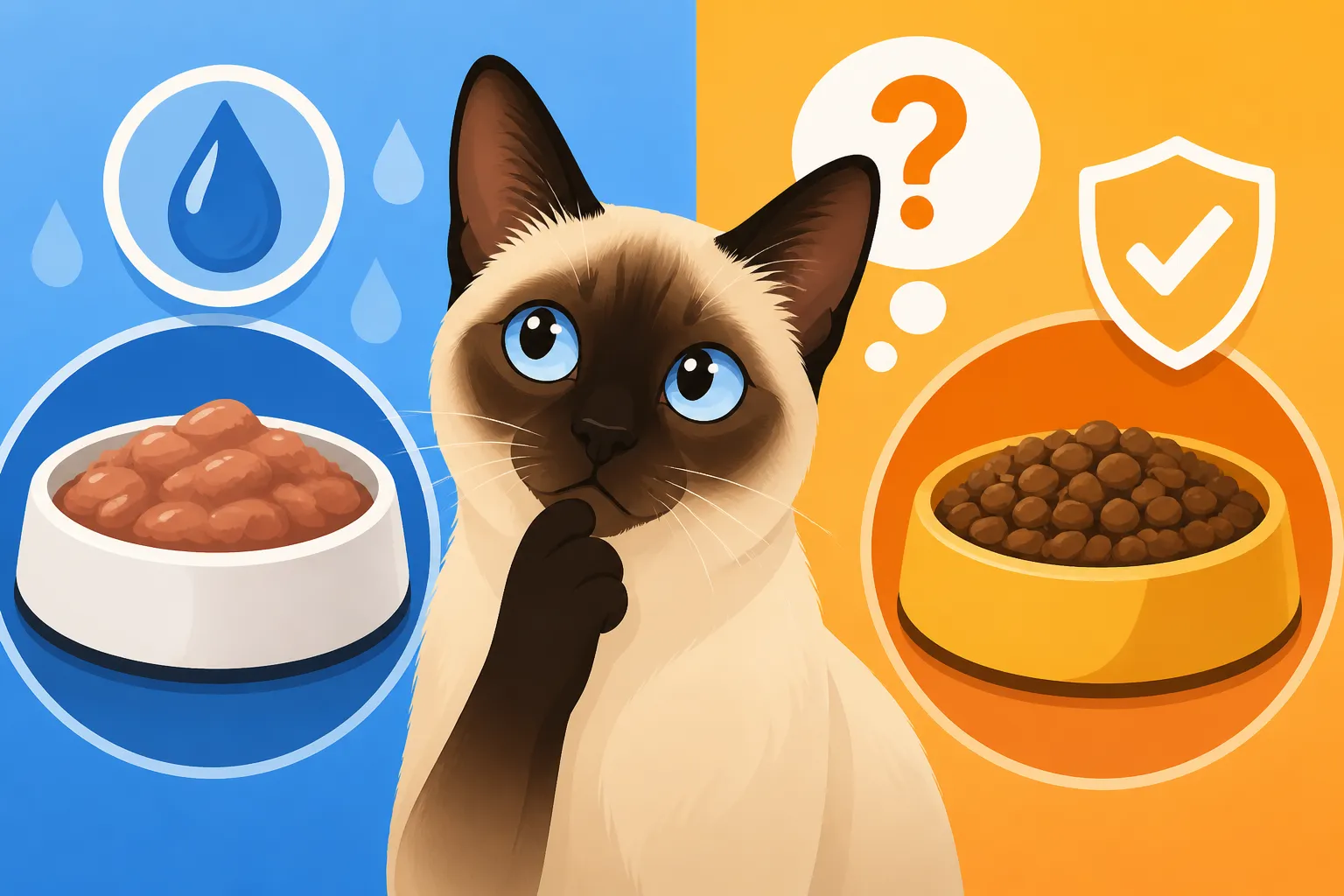
Whether a Siamese Cat Needs Wet Food
One of the biggest head-scratchers for us Siamese cat parents is figuring out what to put in their food bowl. With all the conflicting advice out there, from anecdotal stories to what our grandparents used to feed their feline friends, it's easy to feel overwhelmed when deciding between the convenience of kibble and the perceived benefits of wet food. This guide is here to cut through the noise and help you understand whether wet food is a necessary component for your Siamese cat's diet, exploring its advantages, how it compares to dry food, and how to make the best choices for your vocal companion.
The Unique Nutritional Needs of a Siamese Cat
Siamese cats aren't just stunning to look at; they have a metabolism that can rival a hummingbird's, and their bodies are designed for activity. This means their dietary needs can be a little different from your average house cat. Understanding these unique characteristics is the first step in deciding on the best food.
High Metabolism and Lean Build
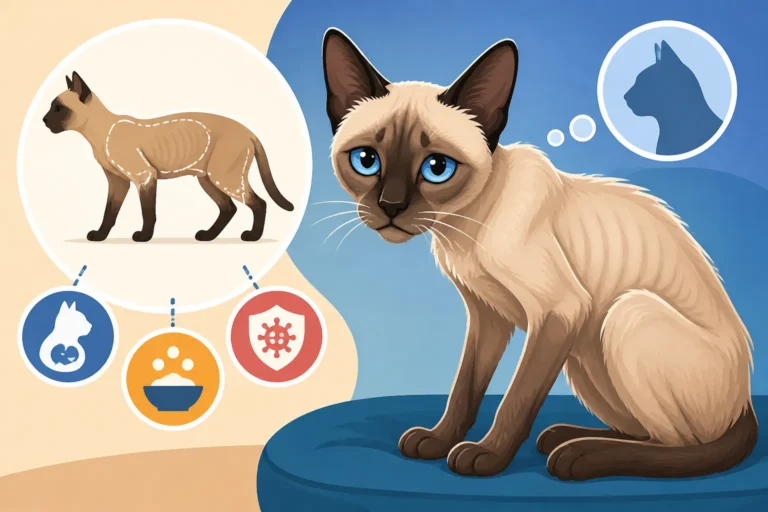
If you've ever owned a Siamese, you know they are perpetually in motion. They dart, they climb, they leap—it's a wonder they ever sit still. This incredible energy output is due to their naturally high metabolism, which helps them maintain their famously lean and muscular physique. You might look at your Siamese and think, "Are they ever going to put on weight?" They feel quite bony, don't they? This isn't usually a sign of malnourishment, but rather a characteristic of the breed. This high metabolism means they burn calories at a faster rate than many other breeds, which can sometimes make it challenging to ensure they're getting adequate nutrition to fuel their active lifestyles without becoming too thin.
For these energetic cats, quality protein and sufficient calories are crucial. Wet food often provides a rich source of animal-based protein, which is vital for maintaining muscle mass. Because wet food typically has a higher fat content than many dry kibbles, it can also provide the concentrated energy your Siamese needs. It's a delicate balance; you want to provide enough fuel without overfeeding, but for a cat that Why a Siamese Cat Stays So Thin, wet food can be an excellent way to pack in dense nutrition in a palatable form. This can be especially important if your Siamese is a grazer who prefers several small meals throughout the day, as wet food can encourage them to eat a more substantial, nutrient-rich portion.
Hydration is Key for Kidney Health
Cats, by nature, aren't big drinkers. Their wild ancestors evolved in arid environments and got most of their moisture from their prey. Our domesticated Siamese cats retain this instinct, often not feeling a strong urge to seek out water, even when they're mildly dehydrated. This can become a significant concern over their lifespan, particularly regarding kidney health. Dehydration, even chronic mild dehydration, puts extra strain on their kidneys, which are crucial for filtering waste products from the blood.
A common lament among Siamese cat owners is the worry about their beloved companion's long-term health, and kidney disease is unfortunately a concern for many older felines. Feeding wet food is perhaps the most straightforward way to increase your Siamese cat's daily water intake significantly. Many wet foods are 70-80% water, effectively adding substantial moisture to their diet with every meal. This proactive approach to hydration can help support healthy kidney function throughout their lives and potentially mitigate some risks associated with conditions like Kidney Disease in an Older Siamese Cat. It’s about more than just quenching their thirst; it’s about supporting vital internal organs.
Understanding the Benefits of Wet Food for Siamese Cats
When considering your Siamese cat's diet, wet food brings a host of benefits that directly address their unique physiology and behavioral traits. It's not just a treat; it can be a foundational part of their nutritional strategy.
Superior Hydration Content
As we just touched upon, hydration is paramount for cats. Unlike humans, who might grab a glass of water when thirsty, cats often don't have the same drive. Their thirst response is generally quite low, meaning they often don't drink enough water on their own, even if fresh water is readily available. This is where wet food truly shines. Composed primarily of water, typically around 70-80%, it significantly boosts your Siamese cat's daily fluid intake with every meal.
This constant, gentle replenishment of fluids through their food helps maintain optimal urinary tract health. It ensures that urine is less concentrated, which can help prevent the formation of crystals and stones, and supports the kidneys in their vital role of waste filtration. For a cat that might eventually face age-related health issues, including kidney challenges, integrating wet food early on can be a game-changer. Think of it as a silent, powerful health insurance policy that keeps their internal systems flushing and functioning smoothly day in and day out, minimizing the stress on their delicate organs.
Palatability and Appetite Stimulation
Siamese cats are known for their strong personalities, and sometimes that extends to their preferences at mealtime. They can be incredibly particular about what they eat, turning their nose up at perfectly good food if it doesn't meet their stringent standards of aroma or texture. If you've ever had a Siamese stage a hunger strike because the kibble wasn't fresh enough, you know exactly what I mean! This pickiness can be frustrating, especially when you're trying to ensure they get all the nutrients they need.
Wet food often triumphs in the palatability department. Its rich aroma and varied textures—from pâté to shredded chunks in gravy—are often far more appealing to a cat's sophisticated palate than dry kibble. The strong scent, in particular, can be a major draw, enticing even the most finicky eaters to clear their bowls. For senior Siamese cats whose sense of smell might be diminishing, or those recovering from illness, the irresistible appeal of wet food can be crucial for stimulating their appetite and ensuring they consume enough calories and nutrients to maintain their health and energy. It's not just food; it's a sensory experience that caters to their natural preferences.
Weight Management and Satiety
Despite their lean build and high metabolism, even Siamese cats can become overweight if their calorie intake consistently exceeds their energy expenditure. This is especially true for indoor cats or those who become less active with age. However, managing a cat's weight can be tricky. You want them to feel full and satisfied without overfeeding them. Dry kibble, being calorically dense, can sometimes lead to overconsumption because cats can eat a lot of it without feeling adequately satiated.
Wet food offers a fantastic advantage in weight management due to its high moisture content. Because it's mostly water, wet food is less calorically dense than an equivalent volume of dry food. This means your Siamese can eat a larger portion, filling their stomach and feeling much fuller and more satisfied, while actually consuming fewer calories overall. It's a bit like us choosing a salad over a plate of pasta; the volume is higher, but the caloric impact is lower. This higher satiety can help prevent begging behavior and make it easier to maintain a healthy body condition for your Siamese. It also provides a better chance of keeping their weight in check without making them feel deprived, ensuring they stay agile and What a Healthy Siamese Cat Weighs throughout their lives.
The Role of Dry Food in a Siamese Cat's Diet
While wet food has many compelling benefits, dry kibble also has its place and advantages in a Siamese cat's diet. It's important to understand these aspects to make an informed decision, as many owners find a combination approach works best for their lifestyle and their cat's health.
Dental Health Considerations
One of the most frequently cited benefits of dry kibble is its supposed ability to clean a cat's teeth. The idea is that the abrasive action of crunching on hard kibble helps to scrape away plaque and tartar, much like a toothbrush. While this sounds logical in theory, the reality for most cats, including Siamese, is a little different. Many kibble pieces are simply too small or too easily crushed to provide any significant mechanical scrubbing action on the tooth surface.
For truly effective dental cleaning, specialized dental diets are formulated with larger, fibrous kibble pieces that force the cat to chew thoroughly, engaging the entire tooth surface and physically scraping away plaque. Standard dry food, however, often doesn't offer this benefit. Therefore, relying solely on regular kibble for dental health is generally not enough. Your Siamese cat, like any other feline, will still benefit immensely from regular veterinary dental check-ups and potentially professional cleanings. If you're concerned about your cat's oral hygiene, discuss specific dental-focused diets or other dental care routines with your vet, rather than assuming regular dry food is doing the job. Many Siamese cats, unfortunately, suffer from Dental Disease in a Siamese Cat regardless of their diet, making proactive dental care even more important.
Convenience and Cost-Effectiveness
Let's be real, life is busy, and convenience plays a huge role in our daily routines, including how we feed our pets. Dry kibble is undeniably more convenient than wet food. It can be left out in a bowl for extended periods without spoiling, which is perfect for cats who prefer to graze throughout the day or for owners with unpredictable schedules. You can fill up the bowl in the morning, head to work, and know your Siamese has food available whenever they feel peckish. This also makes automated feeders a viable option, ensuring portion control and meal regularity even when you're not home.
From a financial perspective, dry food is typically more cost-effective per serving than wet food. If you're managing a budget for your pet care, purchasing a large bag of quality kibble can stretch much further than an equivalent amount of wet food cans or pouches. Brands like those available on Chewy or Amazon often have value-sized bags that reduce the per-meal cost significantly. This affordability makes it a practical choice for many households, allowing owners to provide nutritious food without breaking the bank, especially when considering the ongoing costs of cat ownership over their The Fifteen to Twenty Years a Siamese Cat Gets lifespan.
Potential Downsides of an Exclusively Dry Diet
While dry food offers convenience and cost savings, an exclusive diet of kibble for a Siamese cat can come with potential drawbacks, primarily centered around its low moisture content. As we discussed, cats have a naturally low thirst drive. If their primary food source provides very little moisture, they are constantly playing catch-up, trying to drink enough water to compensate. Many cats simply don't drink enough from a water bowl to make up the difference, leading to chronic low-grade dehydration.
This persistent dehydration can put stress on their urinary tract and kidneys over the long term, potentially increasing the risk of issues like urinary crystals, bladder inflammation, and kidney disease as they age. Think about it: a cat eating only dry food might only consume a fraction of the moisture a cat eating wet food does. Beyond hydration, dry food is often higher in carbohydrates compared to wet food, which can be a concern for an obligate carnivore like a Siamese cat. While they can process some carbs, their bodies are primarily designed to derive energy from protein and fat. An overly carb-heavy diet might not be ideal for their lean, muscular build and can, in some cases, contribute to weight gain if not portioned carefully.
Combining Wet and Dry Food: A Balanced Approach for Siamese Cats
For many Siamese cat parents, the "either/or" debate between wet and dry food doesn't have to be the final answer. A combined approach, often called "mixed feeding" or "combination feeding," can actually offer the best of both worlds, leveraging the advantages of each type of food while mitigating their potential downsides.
The "Mix and Match" Strategy
The beauty of a mixed feeding strategy is its flexibility and its ability to provide a comprehensive nutritional profile for your Siamese. By offering both wet and dry food, you can ensure your cat benefits from the superior hydration of wet food while also enjoying the convenience and potential dental benefits (if using a specialized kibble) of dry food. A common approach is to feed wet food for one or two meals a day, typically in the morning and evening, and leave a small, measured amount of dry kibble out during the day for grazing.
This method helps ensure consistent hydration throughout the day, as the wet food meals contribute significantly to their water intake. It also provides dietary variety, which can be appealing to a Siamese cat's discerning palate and may help prevent them from becoming overly fixated on one type of food. Furthermore, it allows you to control calorie intake more precisely, using the dry food for measured grazing and the wet food for structured, satisfying meals. This balanced approach can keep your Siamese healthy, happy, and well-nourished, catering to both their physiological needs and their individual preferences.
Transitioning Your Siamese Cat's Diet
Cats are creatures of habit, and their digestive systems can be quite sensitive to sudden changes in diet. If you're looking to introduce wet food, switch brands, or alter their current feeding routine, a gradual transition is absolutely key to prevent digestive upset like vomiting or diarrhea. Rushing it can lead to negative associations with the new food, making it even harder to switch in the long run.
A good rule of thumb is to take about 7-10 days for a full transition. Start by mixing a very small amount of the new food with their current food, say 10-25% new food to 75-90% old food. Offer this mixture for a few days, observing your Siamese cat for any signs of digestive distress or refusal to eat. If they're doing well, gradually increase the proportion of the new food every couple of days while decreasing the old food. Within a week to ten days, you should be able to transition them completely. Patience is a virtue here! Remember, Which Food Suits a Siamese Cat often involves finding the right balance and transition technique for your specific feline.
Choosing the Right Brands and Formulas
When it comes to selecting food for your Siamese cat, whether wet or dry, quality ingredients matter immensely. Look for formulas that list a named meat source (like "chicken," "tuna," or "salmon") as the first ingredient, rather than vague terms like "meat by-products" or "animal digest." A high-quality food will prioritize animal protein, as cats are obligate carnivores and thrive on diets rich in meat. Check the ingredient list for unnecessary fillers like excessive grains, corn, or soy, which offer little nutritional value for a feline.
Many reputable brands offer excellent options in both wet and dry formats. For example, popular online retailers like Chewy and Amazon offer a vast selection, from premium brands focusing on natural ingredients to more budget-friendly options. Some newer brands focus on fresh, human-grade cat food, which could be an option if you're looking for something tailored and freshly prepared. Always ensure the food is labeled as “complete and balanced” for your cat's life stage (kitten, adult, or senior), as this means it meets the nutritional standards set by regulatory bodies. Don't be swayed by marketing jargon; focus on the ingredient list and the nutritional analysis to make the best choice for your Siamese.
Addressing Common Concerns and Myths
The world of pet nutrition is rife with myths and misconceptions, and these often cause unnecessary worry for devoted cat parents. Let's tackle some common concerns specifically related to wet food for Siamese cats.
"Wet Food Causes Dental Problems"
This is a really persistent myth, often stemming from the idea that because wet food is soft, it doesn't clean teeth and might even cause dental issues. The truth is, the softness of wet food alone does not lead to dental problems. In fact, many high-quality wet foods are formulated to be nutritionally balanced and do not contribute to plaque or tartar buildup any more than regular dry food does. As discussed earlier, standard kibble generally doesn't provide significant dental cleaning benefits anyway, so switching to wet food isn't necessarily making a dental problem worse.
The primary culprits behind dental disease in cats are genetics, lack of proper oral hygiene, and bacterial plaque that hardens into tartar. Diet can play a role, but it's more about what isn't being done rather than the specific texture of the food. If you're truly concerned about your Siamese cat's dental health, focus on a comprehensive dental care routine. This includes regular veterinary check-ups, professional dental cleanings as recommended by your vet, and potentially at-home care like brushing your cat's teeth. How Often a Siamese Cat Needs a Dental depends on individual factors, but it's a critical part of their overall health, irrespective of whether they eat wet or dry food.
"My Siamese Cat Won't Eat Wet Food"
Oh, the drama! We Siamese cat owners know all too well how particular our feline companions can be. If your Siamese is currently on a dry-food-only diet and gives you the cold shoulder when you offer a delicious-looking can of wet food, don't despair! It's a common scenario, and it doesn't mean you're doomed to kibble forever. Their initial reluctance often comes from a lack of familiarity with the texture, smell, or even the temperature of wet food. Cats are creatures of habit, and anything new can be met with suspicion.
Here are a few tricks that might help:
- Start small: Offer just a tiny dollop of wet food next to their dry food, or even mix a pea-sized amount into their regular meal.
- Warm it up: Gently warming wet food to body temperature (just a few seconds in the microwave) can enhance its aroma and make it more appealing, mimicking the warmth of fresh prey.
- Variety of textures: If they refuse pâté, try shredded meat in gravy, or vice versa. Some cats have strong preferences.
- Persistence (without force): Keep offering small amounts daily. Eventually, curiosity might win out.
- Flavor boosters: A sprinkle of nutritional yeast or a tiny bit of low-sodium broth (check ingredients!) can make it more enticing.
- Consider "licky treats": Some brands (like those you find on Chewy or Amazon) offer highly palatable wet treats in tubes, which can be a gateway to full wet food meals.
Remember, it's a marathon, not a sprint. Be patient and consistent, and you might just find your finicky Siamese becoming a wet food convert.
Consulting Your Veterinarian
While online research and anecdotal evidence can be helpful, nothing replaces the tailored advice of a qualified veterinarian, especially when it comes to your Siamese cat's diet. Every cat is an individual, with unique health history, activity levels, and potential underlying conditions. What works perfectly for one Siamese might not be ideal for another.
Your vet can assess your cat's current body condition, review their medical history, and discuss any specific health concerns they might have, such as a predisposition to urinary issues or sensitivities. They can help you determine the most appropriate type of food, portion sizes, and feeding schedule. For instance, if your Siamese has a history of certain health problems, your vet might recommend a therapeutic diet available through veterinary clinics or specialized pet suppliers. Regular check-ups, which might include How Often a Siamese Cat Needs a Wellness Exam, are the perfect opportunity to discuss diet and nutrition, ensuring that any changes you make are safe, beneficial, and aligned with their overall health plan. Don't hesitate to reach out to your vet for personalized dietary recommendations – they are your best resource!
Wet vs. Dry Food for Siamese Cats: A Quick Comparison
To help you visualize the key differences and benefits, here's a table summarizing the main points we've covered regarding wet and dry food for your beloved Siamese.
| Feature | Wet Food | Dry Food |
|---|---|---|
| Hydration | Excellent (70-80% moisture) | Poor (5-10% moisture) |
| Palatability | High (strong aroma, varied textures) | Moderate (less aroma, uniform texture) |
| Weight Management | Good (higher volume, lower calorie density) | Moderate (higher calorie density, less satiety) |
| Dental Health | No direct benefit for cleaning | Limited (unless specialized dental kibble) |
| Convenience | Lower (spoils faster once opened) | High (can be left out, good for grazers) |
| Cost | Generally higher per serving | Generally lower per serving |
| Primary Benefit | Hydration, appetite stimulation, satiety | Convenience, cost-effectiveness, prolonged shelf life |
| Considerations | Frequent small meals, refrigeration | Potential for dehydration, higher carbs |
This table highlights that both food types have their place, and a combination often provides the most holistic approach to your Siamese cat's diet.
Disclaimer
This article is for general informational purposes only and does not constitute professional advice. Laws, prices and regulations vary by location and change over time. Consult a qualified professional for guidance on your specific situation.