Whether a Siamese Cat’s Color Says Anything About Health
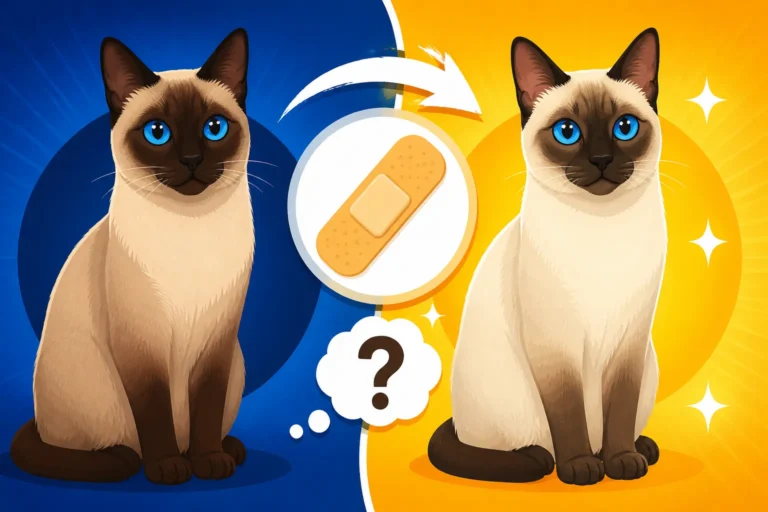
Many Siamese cat owners find themselves staring at their beautiful feline friend, noticing shifts in their coat color and wondering, "Is this normal, or is my cat trying to tell me something is wrong?" It's a valid concern, especially since their striking point coloration is so unique and prone to change. This guide is here to unravel the mystery of Siamese cat coloration, explain the fascinating science behind it, and help you understand when a change in coat color is just a quirky breed trait and when it might actually be a subtle clue about your cat's well-being.
The Marvel of Siamese Coloration: More Than Just Fur Deep
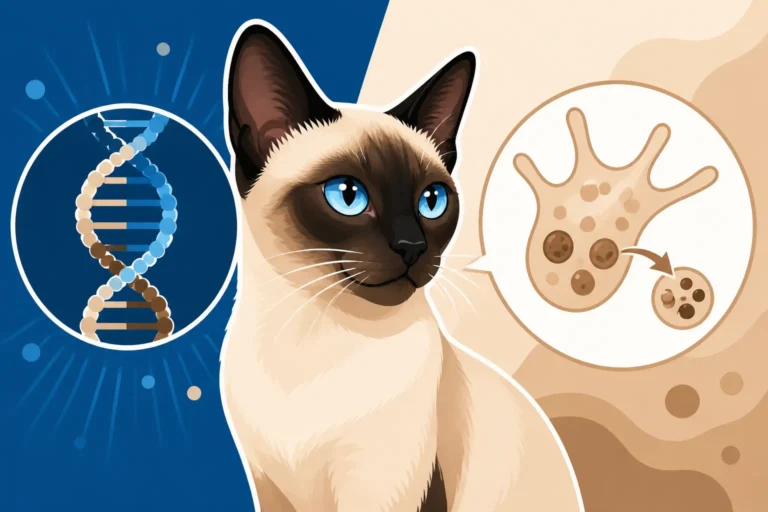
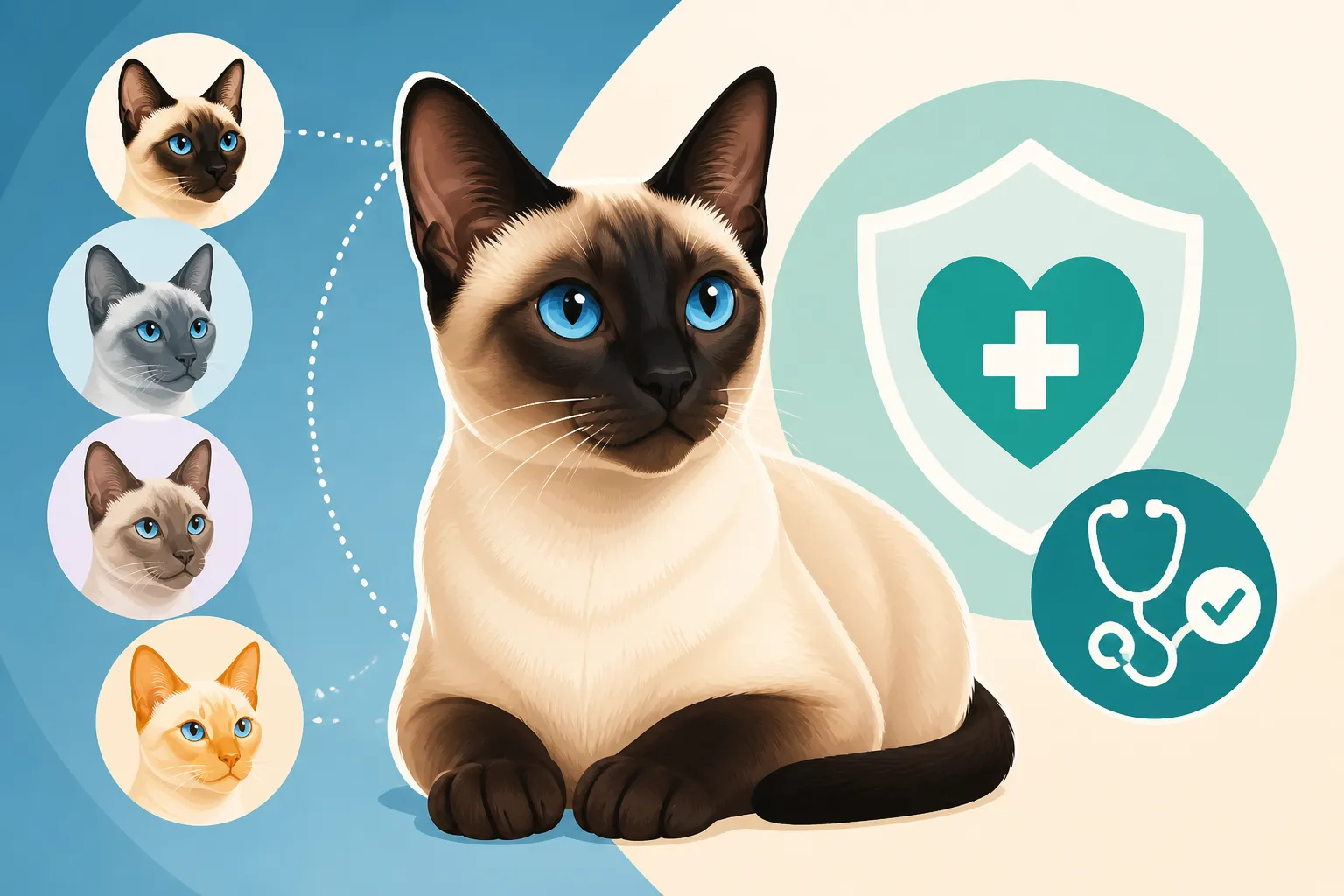
The Siamese cat's iconic color points – the dark ears, paws, tail, and mask contrasting with a paler body – are truly one of nature's marvels. This isn't just about aesthetics; it's a direct result of a temperature-sensitive enzyme that determines pigment production. Understanding this unique biological quirk is the first step to knowing whether a color change is cause for concern or just your cat being, well, a Siamese.
How Temperature Controls a Siamese Cat's Color
At the heart of the Siamese cat's distinctive coat lies a genetic mutation. Specifically, it's a mutation in the tyrosinase enzyme, which is responsible for producing melanin, the pigment that gives fur its color. Unlike most cats where this enzyme works efficiently regardless of temperature, in Siamese cats, it's a bit of a diva. It only functions effectively in cooler temperatures.
Imagine your Siamese cat's body as a landscape of varying temperatures. The core of their body, where vital organs reside, is naturally warmer. In these warmer areas, the tyrosinase enzyme is largely inactive, meaning very little pigment is produced. This results in the pale, creamy, or off-white color you see on their torso and belly. However, the extremities – the tips of the ears, nose, paws, and tail – are naturally cooler because they're further from the body's core. In these cooler zones, the enzyme springs into action, happily producing melanin and leading to the darker "points" we all adore. It's a magnificent example of genetics and environment working hand-in-paw to create a stunning visual effect. This is why Why a Siamese Cat Has Dark Points is such a fundamental aspect of their appearance.
Why a Siamese Cat Kitten Is Born White
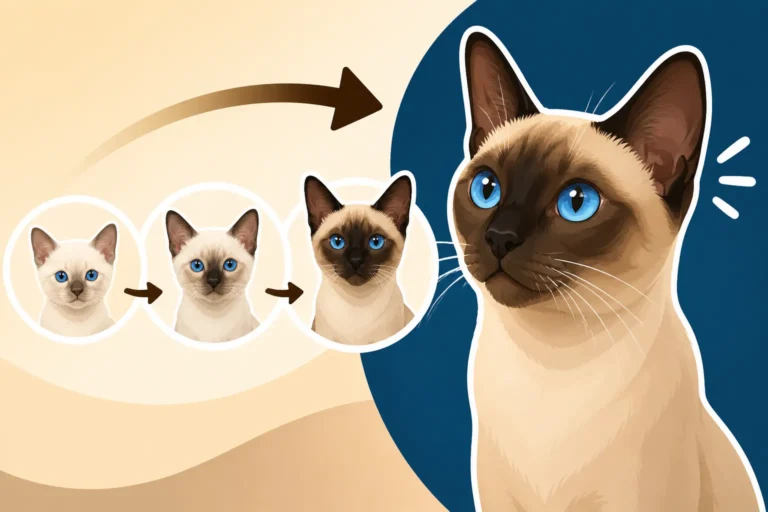
It might come as a surprise to new Siamese owners, but Siamese kittens are typically born almost entirely white or a very pale cream. This isn't a sign of ill health or a genetic anomaly; it's perfectly normal and another charming consequence of their temperature-sensitive genes. Think about it: inside their mother's womb, the environment is consistently warm and cozy. In this uniformly warm setting, the tyrosinase enzyme doesn't get a chance to activate and produce pigment anywhere on their tiny bodies.
As soon as they're born and exposed to the cooler ambient air, their bodies begin to experience the temperature variations that will eventually define their adult coloration. Over the first few weeks and months, you'll witness the magical transformation as their points slowly begin to emerge and darken. The nose, paw pads, and ear tips are usually the first to show color, gradually deepening as they grow. This slow reveal is one of the joys of raising a Siamese kitten and a clear indicator that their unique genetics are doing exactly what they're supposed to.
The Shaved Patch That Grows Back Dark
This is one of the most common and often alarming color changes many Siamese owners encounter, yet it's entirely benign and perfectly illustrative of their unique genetics. Imagine your beautiful Siamese has had a surgical procedure, perhaps a spay/neuter, or even just a blood draw, and a patch of fur has been shaved. When that fur starts to grow back, instead of being the same pale body color, it often comes back noticeably darker, sometimes even black, for a temporary period.
This phenomenon is a direct result of the cooler skin temperature in the area where the fur was shaved. Without the insulating layer of fur, that particular patch of skin is exposed to the ambient air and becomes cooler than the surrounding, fur-covered skin. This lower temperature activates the pigment-producing enzyme, causing the new fur to grow in darker. It's like a temporary, self-made point on their body! Don't fret; as the fur grows back and provides insulation, the skin underneath warms up again, and subsequent hair growth will likely return to the original pale body color. It's a striking visual, but truly nothing to worry about and a fascinating demonstration of The Shaved Patch That Grows Back Dark on a Siamese Cat.
Normal Color Changes Versus Concerning Ones
Understanding the natural ebb and flow of a Siamese cat's color is key to distinguishing between harmless variations and potential red flags. These cats are living, breathing thermometers, and their coat color reflects their internal and external world in unique ways.
Why a Siamese Cat Darkens Every Winter
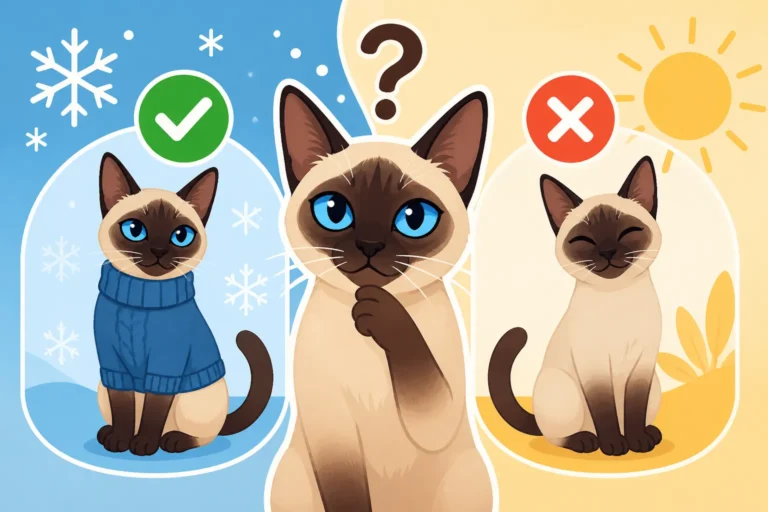
If you've owned a Siamese for a few years, you've probably noticed a subtle, seasonal shift in their coat color. They tend to look a little darker, a bit richer in their point coloration, during the colder months, and then lighten up again as summer approaches. This is a classic example of Why a Siamese Cat Darkens Every Winter. Just like the shaved patch phenomenon, it's all about temperature.
During winter, especially if your home is kept on the cooler side or your cat enjoys curling up near a drafty window, their overall body temperature, particularly at the surface of their skin, will be slightly lower. This sustained coolness allows the tyrosinase enzyme to be more active, not just at the traditional points but also subtly across larger areas of their body. The result is a more pronounced darkening of their points and sometimes a general "smudging" of color onto their body fur. It's a completely natural, physiological response to colder temperatures and not a sign of any health issue. My own old Seal Point, Misha, would look almost like a Chocolate Point by February, only to lighten dramatically once spring hit.
How Much a Siamese Cat Lightens in a Warm House
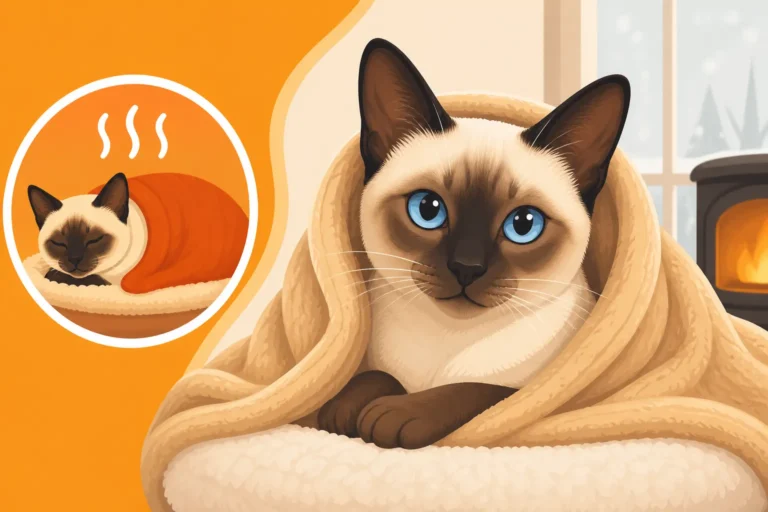
Conversely, if you keep your home toasty warm year-round, or if your Siamese loves to bask in sunbeams or snuggle under warm blankets, you might notice their coat remaining consistently lighter, even at their points. This is another perfectly normal manifestation of their temperature-sensitive genetics. In warmer environments, the tyrosinase enzyme is less active, even at the extremities.
This can result in points that appear less distinct or a body color that stays very pale, almost white, throughout their life. Sometimes, owners worry that their "points aren't dark enough" or that their cat isn't developing the strong contrast seen in other Siamese. But if your cat lives in a consistently warm environment, this lighter coloration is simply a reflection of their comfortable surroundings. It's a beautiful chameleon-like quality that makes each Siamese truly unique. You can learn more about how their environment influences them in How Much a Siamese Cat Lightens in a Warm House.
When a Siamese Cat's Points Fade When It Is Ill
While most color changes are benign, there are rare instances where a change in point coloration might be observed in a very ill or severely underweight Siamese cat. This isn't a direct diagnostic tool, but rather a secondary symptom that could potentially accompany a severe underlying health crisis, especially one involving prolonged fever or extreme metabolic changes. If a cat is severely ill with a high, sustained fever, their entire body temperature might be elevated enough to temporarily inhibit the tyrosinase enzyme's activity across the points.
In such a scenario, you wouldn't just be noticing faded points; you'd be seeing a cat that is clearly, desperately unwell – lethargic, not eating, dehydrated, and showing other overt signs of illness. The faded points would be a very minor observation compared to the dramatic and obvious distress your cat would be in. It's crucial not to focus solely on color, but to observe your cat's overall behavior, appetite, hydration, and energy levels. If you notice a sick cat and a subtle fading of points, it's a call to the vet, not because of the color, but because of the overarching illness.
When Color Might Hint at Health Issues (Indirectly)
While a Siamese cat's inherent coloration is rarely a direct indicator of disease, changes in the quality or texture of their fur, or specific localized darkening, can sometimes indirectly hint at underlying issues. These are not about the genetic color points themselves, but rather how an illness might manifest in the coat.
Dull or Greasy Coat: More Than Just Appearance
A healthy Siamese cat typically boasts a short, fine, and silky coat that lies flat against their body. It has a beautiful sheen that reflects light. If you suddenly notice your cat's fur looking dull, matted, greasy, or flaky, this isn't a change in their "color points" but rather a change in coat condition. A dull or greasy coat is a common non-specific sign that something is amiss with a cat's health, even in other breeds.
This could be due to a variety of reasons, ranging from dental pain making grooming difficult, to internal organ issues, parasites, or even skin conditions. Cats are fastidious groomers, and a decline in grooming habits or a coat that appears unhealthy often points to discomfort or illness. It's always a good idea to assess other symptoms – is your cat eating less? Hiding more? Losing weight? A change in coat quality, rather than color, is a stronger signal to investigate further with your vet.
Dehydration's Effect on Coat Quality
Dehydration doesn't change your Siamese cat's point coloration, but it can absolutely affect the overall health and appearance of their fur. When a cat is dehydrated, their skin loses elasticity, and their fur can appear rough, dry, and lack its usual luster. Instead of that sleek, healthy sheen, you might notice a more "staring" or unkempt look to their coat, even if they're still attempting to groom.
Combined with other signs like lethargy, sunken eyes, loss of appetite, or a prolonged "skin tent" when you gently lift the skin on their scruff, a dull coat can be a critical indicator of dehydration. Dehydration itself can be a symptom of various underlying health problems, from kidney issues to diabetes, or simply not drinking enough water. Ensuring your Siamese has access to fresh, clean water, perhaps even a running fountain from brands like Amazon or Chewy, is crucial for their overall health and coat vitality. Increased water intake is vital for Kidney Disease in an Older Siamese Cat, for example.
Localized Darkening Due to Injury or Inflammation
Beyond the shaved patch phenomenon, sometimes a specific, localized area of a Siamese cat's body might develop a darker patch of fur due to chronic inflammation or repeated injury. This is less about the ambient temperature and more about the body's natural healing response and the localized effects on temperature and circulation. For example, if your cat has a persistent skin infection, an old scar, or a chronic irritation that leads to excessive licking in one spot, that area might become slightly cooler or have altered blood flow, potentially causing the fur that grows back to be darker.
This isn't a "point" in the traditional sense, but rather a reaction to a specific localized issue. Again, this wouldn't be the only sign; you'd likely see the underlying skin issue, redness, crusting, or the cat excessively bothering the area. It serves as a visual marker that something physical is happening in that particular spot, prompting you to investigate the area for wounds, parasites, or skin conditions.
Beyond Color: The True Indicators of Siamese Cat Health
While fascinating, coat color in Siamese cats is almost never the primary indicator of their health. Instead of focusing on whether their points are dark enough or if their body is too pale, it's far more important to observe their behavior, appetite, energy levels, and overall physical condition. These are the real, actionable clues your Siamese will give you about their well-being.
Behavioral Changes Are Key
Cats are masters of disguise when it comes to illness, but behavioral changes are often the first, most subtle signs that something isn't right. A sudden shift in your Siamese's routine or personality should always prompt closer investigation.
- Changes in Appetite and Thirst: Is your cat eating more or less than usual? Drinking excessively or hardly at all? These are major red flags. A sudden increase in thirst, for example, could indicate conditions like diabetes or kidney issues.
- Lethargy or Hiding: A playful, vocal Siamese suddenly becoming withdrawn, sleeping more than usual, or hiding away can be a strong sign of illness or pain. This goes against their naturally gregarious nature.
- Vocalization Changes: While Siamese cats are notoriously vocal, a sudden change in the type, frequency, or intensity of their meows and yowls can indicate distress. A low, mournful yowl might signal pain, while frantic meowing could point to anxiety or discomfort. When a Siamese Cat's Meowing Means Pain is a critical article to review if you notice this.
- Litter Box Habits: Changes in urination (more frequent, less frequent, straining) or defecation (diarrhea, constipation, blood in stool) are clear indicators of potential urinary tract infections, kidney problems, or digestive issues. Don't ignore these!
Physical Examination at Home
You don't need to be a vet to perform a quick, routine check of your Siamese. Regular physical checks can help you catch issues early.
- Weight Check: Pick up your cat regularly, or if they tolerate it, weigh them weekly. Sudden weight loss or gain can be significant indicators of health problems. Remember, a healthy Siamese is naturally lean, so any further thinning is concerning. You can refer to Why a Siamese Cat Stays So Thin for context.
- Gums and Breath: Healthy gums should be pink and moist. Pale gums can indicate anemia, while red or swollen gums point to dental disease. Foul breath is also a strong sign of dental problems, which are sadly common in Siamese cats.
- Eyes and Nose: Clear, bright eyes with no discharge are normal. Redness, cloudiness, excessive tearing, or a runny nose should be checked by a vet.
- Coat and Skin: Beyond the color, feel your cat's coat. Is it still soft and sleek? Are there any lumps, bumps, bald spots, or areas of tenderness? Gently run your hands over their body, checking for anything unusual.
- Hydration Test: Gently pinch the skin on your cat's scruff. If it snaps back quickly, they're likely well-hydrated. If it stays tented for a moment, they could be dehydrated and need veterinary attention.
Here's a quick comparison of normal vs. potentially concerning signs:
| Characteristic | Normal Siamese Cat Appearance/Behavior | Potentially Concerning Signs |
|---|---|---|
| Coat Color | Points darken in winter, lighten in summer; shaved areas grow dark then fade. | Sudden, unexplained widespread lightening/darkening (rarely sole symptom of illness). |
| Coat Quality | Short, sleek, shiny, soft. Minimal shedding. | Dull, greasy, matted, excessive shedding, flakes. |
| Appetite | Consistent eating habits, finishes meals. | Significant increase or decrease in food intake, refusal to eat. |
| Thirst | Drinks consistent amounts, often from a fountain. | Drinking much more or much less, frequent trips to water bowl. |
| Energy | Playful, active, engages with family, enjoys exploring. | Lethargy, excessive sleeping, hiding, reluctance to play or move. |
| Vocalization | Frequent, varied meows, yowls, chirps, demands attention. | Sudden silence, weak meows, continuous mournful yowling, excessive aggression. |
| Litter Box | Consistent urination/defecation patterns, no straining, normal stool. | Straining to urinate, frequent small urinations, urinating outside box, diarrhea, constipation. |
| Grooming | Fastidious groomer, coat is well-maintained. | Lack of grooming, matted fur, excessive licking/chewing of a specific area. |
| Weight | Naturally lean, consistent weight over time (check What a Healthy Siamese Cat Weighs). | Sudden, unexplained weight loss or significant weight gain. |
| Gums | Pink and moist. | Pale, white, yellow, or very red/inflamed. |
| Eyes | Clear, bright, no discharge. | Redness, cloudiness, squinting, excessive tearing, discharge. |
Regular Veterinary Check-ups
The most reliable way to monitor your Siamese cat's health is through regular veterinary check-ups. Your vet can catch subtle issues that you might miss, perform routine blood work, and discuss any changes you've observed. These check-ups are especially crucial as your Siamese ages, as they can be prone to certain age-related conditions.
During these visits, discuss any concerns you have, even if they seem minor. Your vet can provide guidance on nutrition, dental care, and preventive medicine specific to the Siamese breed. Don't rely on coat color to be your only health indicator; instead, use all the clues your cat provides, and partner with your vet to ensure your beloved Siamese lives a long, healthy, and colorful life. Fresh food that caters to specific dietary needs can be part of a comprehensive health plan discussed with your vet.
Disclaimer
This article is for general informational purposes only and does not constitute professional advice. Laws, prices and regulations vary by location and change over time. Consult a qualified professional for guidance on your specific situation.