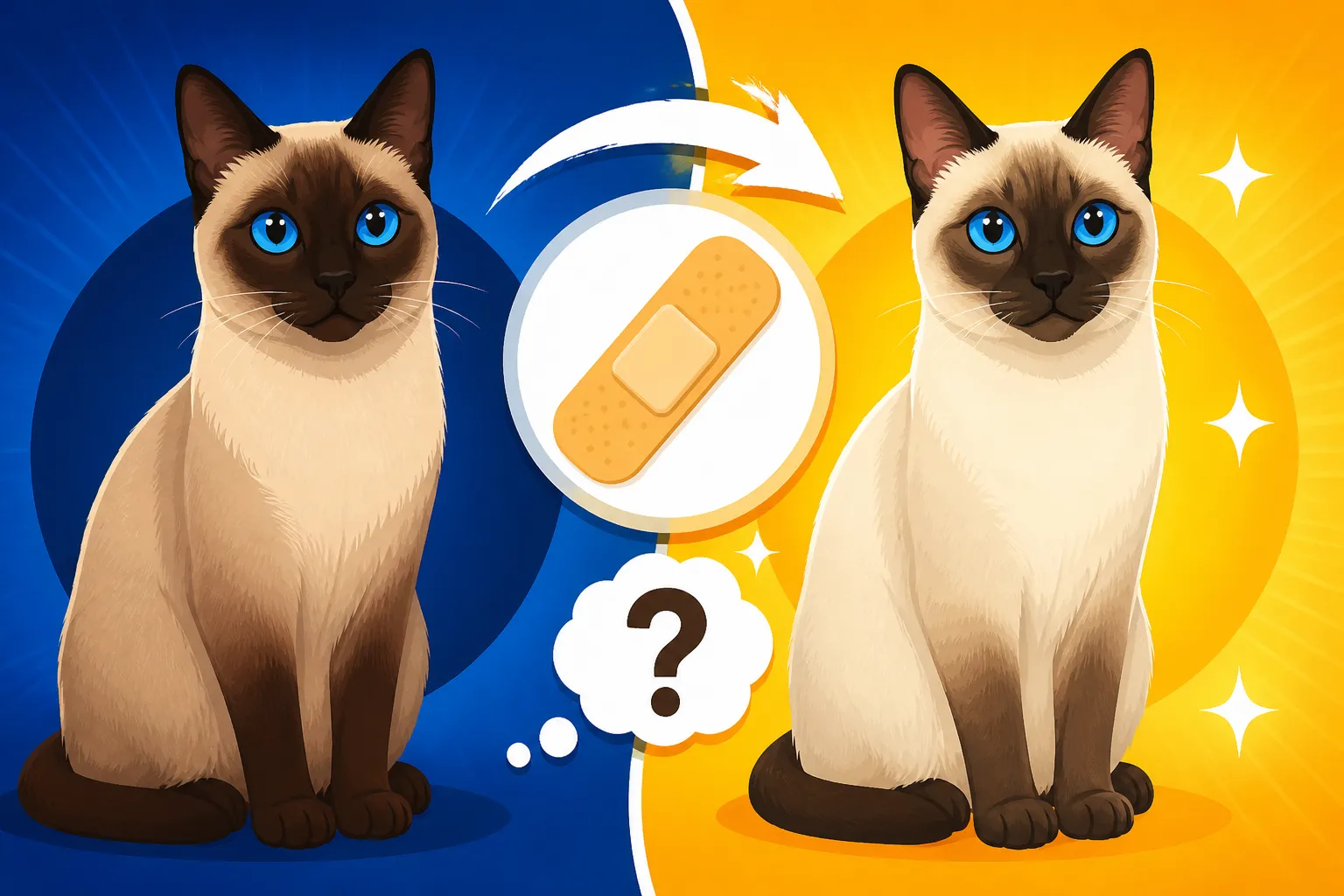
Whether a Bandage Lightens a Siamese Cat’s Fur
It’s a scenario many Siamese cat owners face: your beloved Meezer needs a bandage for a medical reason, and after it comes off, you notice something… peculiar. The fur that grows back under where the bandage once was is distinctly darker than the surrounding coat. This guide is here to unravel the fascinating science behind why a bandage can temporarily lighten a Siamese cat's fur, and what to expect when it happens.
The Unique Science Behind a Siamese Cat's Coat Color
Understanding why a bandage might cause a temporary color change in your Siamese requires a little dive into what makes their coat so special to begin with. It’s not just magic; it’s pure genetics and a touch of environmental influence.
How Temperature Influences Point Coloration
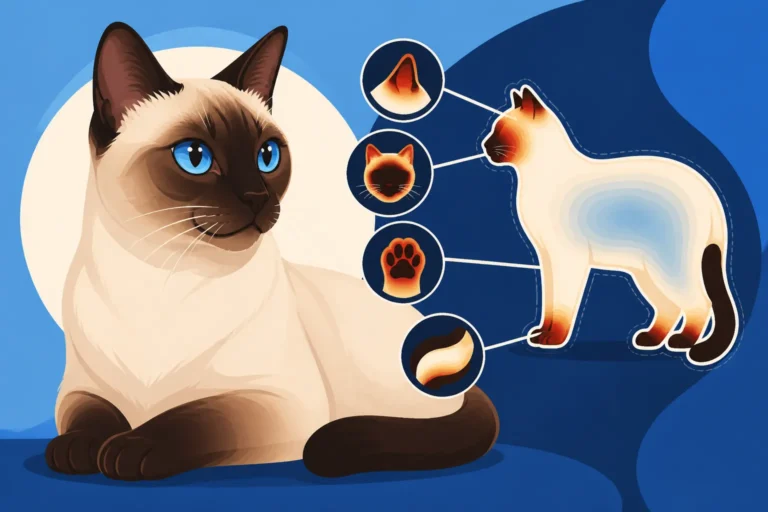
At the heart of a Siamese cat’s iconic point coloration – those dark ears, paws, tail, and face – is a unique temperature-sensitive enzyme called tyrosinase. This enzyme is crucial for producing melanin, the pigment responsible for fur color. In Siamese cats, this specific tyrosinase only functions properly within a narrow, cooler temperature range. Think of it like a delicate artist who can only paint when the studio is just right.
In areas of the cat's body that are naturally cooler, like the extremities (ears, nose, paws, tail), the tyrosinase enzyme is active, producing melanin and resulting in those beautiful dark points. Conversely, the warmer core of their body inhibits the enzyme, leading to the pale, creamy, or ivory body color we all adore. This is why a Siamese cat's overall color can even shift slightly with the seasons or changes in ambient temperature. A colder winter might bring out a slightly darker body coat than a warm summer, for instance. It's truly a living canvas! You might be interested to learn Why a Siamese Cat's Pigment Only Works When Cool.
Why a Siamese Kitten is Born White
One of the most charming facts about Siamese cats is that their kittens are born almost entirely white or a very pale cream. This often surprises new owners, who expect to see those distinct points right away. The reason for this pristine initial coat goes back to that temperature-sensitive enzyme. Inside the mother's womb, the environment is uniformly warm and cozy – the perfect conditions to inhibit melanin production across the entire body.
As soon as kittens are born and exposed to the cooler outside world, their extremities begin to cool down. Slowly but surely, the tyrosinase enzyme in those cooler areas becomes active, and their points gradually start to emerge and darken. It's a delightful transformation to watch, as those little ears and tails begin to show their true colors. The process usually takes a few weeks to become noticeable, and their final point color might not fully settle until they're a year or two old. It’s fascinating to observe The Age a Siamese Cat Kitten Gets Its Points.
The General Phenomenon of Shaved Fur Growing Back Darker
The effect of a bandage on your Siamese cat's fur color is actually part of a broader phenomenon that many owners observe: any time a Siamese cat's fur is shaved, the new growth often comes back darker. This isn't unique to bandages, but also applies to surgical sites, patches shaved for intravenous lines, or even diagnostic ultrasounds.
When fur is shaved, especially for medical reasons, the skin surface is more exposed to the ambient air. This slight, localized cooling of the skin allows the temperature-sensitive tyrosinase enzyme to become more active, leading to darker pigmentation in the newly growing hairs. It's the same principle at play as their natural point coloration, just applied to a specific, temporarily cooled area of the body. Owners are often startled to see a dark patch on their cat's side after surgery, or a deep stripe where a vet technician shaved for a blood draw on a leg. This is a common and completely normal reaction for the breed. The Shaved Patch That Grows Back Dark on a Siamese Cat dives deeper into this specific occurrence.
The Direct Impact of Bandages on Siamese Fur Color
Now that we understand the basics of Siamese coat genetics and temperature sensitivity, let's zero in on how a bandage specifically interacts with your cat's fur.
How a Bandage Creates a "Cool Spot"
A bandage, by its very nature, wraps snugly around a limb or body part, creating a microenvironment underneath. While it might seem counterintuitive, a bandage can actually create a slightly cooler temperature zone on the skin it covers. Here's why:
Firstly, a bandage, particularly if it's thick or multi-layered, can slightly compress the blood vessels in the area. This subtle reduction in superficial blood flow can lead to a minor decrease in skin temperature. Think about how your fingers might feel cooler if you wear tight gloves for a long time. Secondly, and perhaps more significantly, the bandage acts as an insulating layer, but also restricts air circulation. This lack of airflow can prevent the body heat from warming the skin surface as effectively as open air would. The skin under the bandage, especially if the cat is fairly still, can maintain a slightly lower surface temperature compared to the rest of the body. This difference, however slight, is enough to activate that finicky tyrosinase enzyme we discussed earlier.
The Darkening Effect: What to Expect
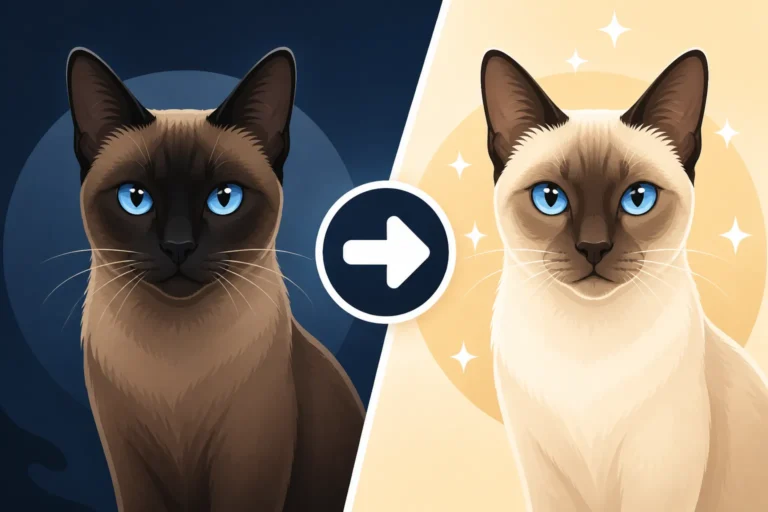
When your Siamese cat's bandage finally comes off, you might initially just see the bare skin, perhaps a little irritated or pink from the tape. But once the fur starts to grow back, typically within a few weeks, you'll likely notice that the new hairs are a shade or two darker than the surrounding, untouched fur. This dark patch will perfectly outline where the bandage was.
For example, if your cat had a bandage on their front leg after a paw injury, the fur growing back on that leg might be a darker chocolate or seal point shade, even if the rest of their leg is a lighter lilac or blue. The contrast can be quite striking! It’s not harmful, just a visual reminder of their unique genetics. This temporary change is often more pronounced in younger cats or those with naturally paler body coats. The darker fur will usually be uniform within the bandaged area, reflecting the consistent cooler temperature maintained by the wrap.
Duration and Reversibility of the Color Change
The good news for owners who might be worried about their cat's "altered" appearance is that this darkening effect is almost always temporary. The new, darker fur will persist as long as those hairs remain on the cat. However, as your cat's natural shedding cycle continues, these darker hairs will eventually be replaced by new hairs that grow in at the cat's normal body temperature.
The exact timeline for the fur to return to its original shade can vary. Factors like the cat's individual shedding rate, their age, and the ambient temperature of your home all play a role. Generally, you can expect the darker patch to start fading and blending back into the original coat color over several months, usually within 3-6 months. In some cases, it might take a bit longer if your cat has a slower coat turnover or if they live in a particularly cool environment. There are ways to encourage the fade, but mostly it's a waiting game. Learning Whether a Siamese Cat's Dark Patch Fades can offer more insights.
Practical Considerations for Bandaged Siamese Cats
While the temporary fur darkening is a fascinating quirk of the Siamese breed, the primary concern when your cat is bandaged should always be their health and comfort.
Monitoring the Bandage Site for Other Issues
Before you even worry about the fur color, it’s critical to ensure the bandage itself is doing its job and not causing other problems. You should be regularly checking the bandaged area for any signs of swelling, redness, discharge, foul odor, or excessive chewing. Swelling above or below the bandage could indicate it’s too tight, restricting circulation, which is a serious concern. Your vet will provide specific instructions on how to care for the bandage and when to bring your cat back for checks or changes.
Always prioritize the healing process over aesthetics. If you notice any concerning changes, don't hesitate to contact your veterinarian immediately. They can assess the situation, adjust the bandage if needed, and ensure your cat is healing properly. Remember, a healthy, happy cat is the ultimate goal, regardless of a temporarily darker patch of fur.
Minimizing Discomfort and Promoting Healing
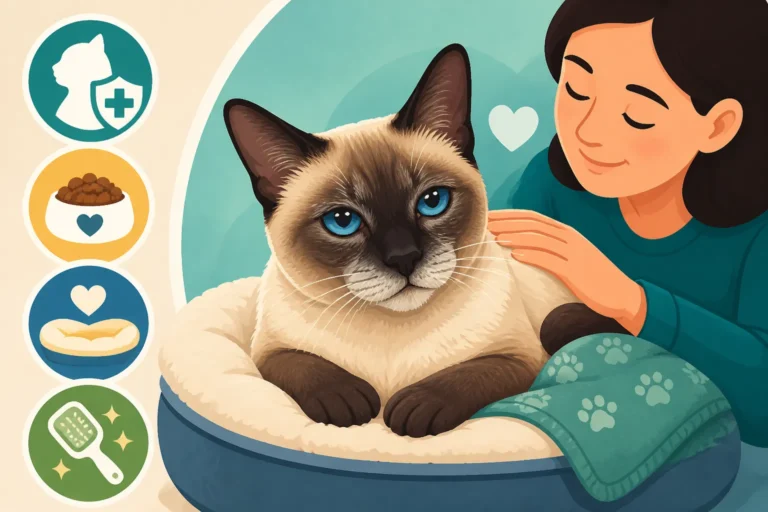
Keeping your Siamese comfortable and allowing the bandage to do its job is key to a smooth recovery. Here are a few tips:
- Keep it Clean and Dry: Moisture can lead to skin irritation or infection under the bandage. Try to prevent your cat from getting the bandage wet. If they manage to soak it, contact your vet for advice on changing it. Consider using a plastic bag secured with tape (but not too tightly) if your cat needs to go outside briefly for potty breaks, though ideally, they should be kept indoors.
- Prevent Chewing and Licking: Siamese cats are often quite clever and persistent. They might try to chew or lick at the bandage, especially if it's itchy or bothersome. This is where products from places like Chewy or Amazon can come in handy. Elizabethan collars (e-collars or "cones of shame") are often necessary to prevent them from reaching the bandage. Some cats tolerate recovery suits or soft collars better, which can be found on these same platforms. These options can offer a more comfortable alternative while still protecting the wound.
- Follow Vet Instructions: Your veterinarian knows best! Stick to the prescribed medication schedule, bandage change routine, and activity restrictions. Trying to speed up healing or remove the bandage prematurely can set back your cat's recovery.
It’s completely understandable to be curious or even a little worried about how your cat looks, but these temporary cosmetic changes are a small price to pay for ensuring they heal well. You're not alone in these concerns; many owners wonder Whether a Vet Should Warn a Siamese Cat Owner Before Shaving for similar reasons!
Managing the Aesthetic Change
When that darker fur starts to grow in, it might look a little funny, like your cat suddenly has a permanent dark sleeve or boot. It's easy to feel a moment of surprise or even a bit of amusement at the distinct color difference. However, it's important to remember that this is a completely harmless and temporary phenomenon. Your cat is still the same beloved Meezer underneath!
Validate your feelings – it's okay to find it a bit odd, especially if you're used to their pristine, consistent coat. Reassure yourself that it’s simply a testament to their unique genetic makeup. Over time, as new fur cycles through, the color will gradually normalize and blend in. In the grand scheme of things, ensuring your cat's injury heals properly and they return to their happy, healthy self is far more important than a transient change in fur color. Embrace it as part of their story, a little badge of bravery from their healing journey.
Related Siamese Coat Color Phenomena
The bandage-induced darkening is just one example of how sensitive a Siamese cat's coat color is to external factors. There are other instances where you might notice their beautiful points and body color shifting.
Natural Seasonal and Age-Related Darkening
It's not just bandages that can influence your Siamese cat's coat color. Many owners observe their cats' coats darkening naturally over time, especially with age, or even seasonally. During colder months, when the ambient temperature is lower, a Siamese cat's body temperature can drop ever so slightly. This can lead to increased activity of the tyrosinase enzyme across more of their body, resulting in a generally darker coat, often appearing more "smudged" or "sooty" than in warmer months.
Similarly, as Siamese cats age, their metabolism can slow down, and their internal body temperature might decrease marginally, or their fur follicles simply become more susceptible to the cooling effect. This often causes their body fur to become progressively darker, developing a more intense, almost muddy brown tone that can obscure the contrast with their points. It's a natural part of their aging process and another fascinating aspect of their temperature-sensitive genetics. This phenomenon is why owners often observe How Much a Siamese Cat Darkens in a Cold House or wonder about The Age a Siamese Cat Starts Darkening.
Other Medical Shaved Areas
The effect of a bandage is really just a specific instance of a broader principle at play. Anytime a Siamese cat has a patch of fur shaved for a medical procedure, the same darkening phenomenon is likely to occur. This includes:
- Intravenous (IV) sites: When your cat needs fluids or medication, a small patch on their leg is often shaved to allow for better vein access and hygiene. Expect a small, dark patch to grow back there.
- Surgical preparation: Larger areas, often on the abdomen or a limb, are shaved before surgery to ensure a sterile field. These larger shaved areas will also grow back with darker fur.
- Ultrasound areas: For diagnostic imaging like an abdominal ultrasound, a patch of fur is shaved to allow for good contact with the probe. Again, this area will likely regrow darker.
In all these scenarios, the principle remains the same: the shaved skin is exposed to cooler air, or the area experiences a slight temperature change due to manipulation or reduced blood flow, activating the tyrosinase enzyme to produce more pigment. It’s a completely normal, if sometimes surprising, characteristic of the Siamese breed that speaks to their unique genetic makeup. Many owners have pondered Whether a Siamese Cat's Blood Draw Site Darkens and find the answer aligns perfectly with this scientific explanation.
Here's a quick comparison of how various factors can influence Siamese coat color:
| Factor | Location/Area Affected | Effect on Fur Color | Duration of Change |
|---|---|---|---|
| Bandage | Underneath the bandage | Darker | Temporary (months) |
| Shaved Patch | Area where fur was shaved | Darker | Temporary (months) |
| Cooler Ambient Temp | Entire body, more subtle | Darker | Seasonal / Ongoing |
| Aging | Entire body, progressive | Darker, muddier | Permanent |
| Warm Ambient Temp | Entire body, more subtle | Paler | Seasonal / Ongoing |
| Body Core | Chest, belly | Paler | Permanent |
| Extremities | Ears, paws, tail, face | Darker | Permanent |
In conclusion, seeing a dark patch of fur grow back after your Siamese cat has had a bandage is a perfectly normal, fascinating, and temporary manifestation of their unique genetic blueprint. While it might look a little different for a while, it's a small reminder of their special qualities and a sign that they're on the mend. Prioritize their health and comfort, and soon enough, their beautiful, original coat will return.
Disclaimer
This article is for general informational purposes only and does not constitute professional advice. Laws, prices and regulations vary by location and change over time. Consult a qualified professional for guidance on your specific situation.